
The lifespan of a yoga mat varies, but most well-cared-for mats can last anywhere from one to five years, with some high-quality, properly maintained mats potentially lasting even longer.
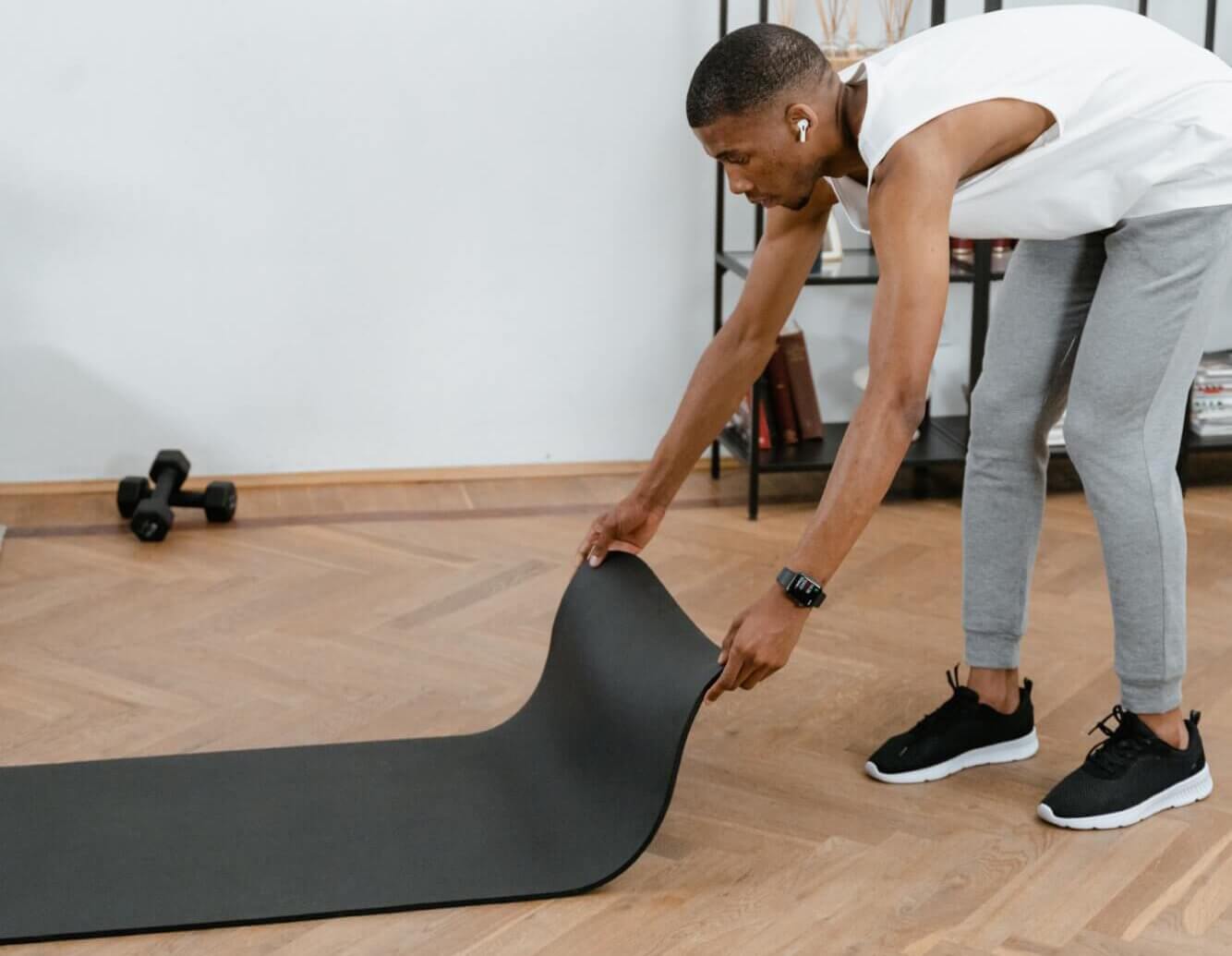
Image Source: blog.backify.com
Deciphering Yoga Mat Durability
Your yoga mat is more than just a surface to practice on; it’s your sanctuary, your grounding point, and a crucial piece of equipment for your well-being. But like any tool, it has a lifespan. Knowing how long your yoga mat is expected to last, and what influences this, can save you money and ensure you’re always practicing on a safe and supportive surface. This guide delves into the factors that determine your yoga mat lifespan and offers tips on how to make yoga mat last longer.
What Determines Your Yoga Mat’s Life?
Several factors play a significant role in how long your yoga mat will stay in good condition. It’s not just about how often you use it, but also the material it’s made from, how you treat it, and the environment it’s exposed to.
Best Yoga Mat Material and Its Impact
The material of your yoga mat is arguably the most critical determinant of its yoga mat durability. Different materials offer varying levels of grip, cushioning, and resilience.
- PVC (Polyvinyl Chloride): These are often the most affordable and durable mats. They offer excellent grip and cushioning and can last for many years with proper care. However, they are not environmentally friendly.
- TPE (Thermoplastic Elastomer): A popular eco-friendly alternative to PVC, TPE mats are lightweight, recyclable, and often have good grip. Their lifespan is generally shorter than PVC, typically ranging from 1 to 3 years, depending on usage and care.
- Natural Rubber: Known for its superior grip and cushioning, natural rubber mats are also eco-friendly. They can be quite durable, but they can also be sensitive to sunlight and prolonged exposure to oils, which can degrade the material. With good care, they can last 2-5 years.
- Jute: Made from plant fibers, jute mats offer a natural, earthy feel and good grip, especially when slightly damp. They are biodegradable but tend to be less durable and may start to fray with heavy use, typically lasting 1-2 years.
- Cork: Cork is a sustainable material that offers excellent grip, especially when wet. Cork mats are naturally antimicrobial. While durable in terms of grip, the backing (often rubber or TPE) can wear out first. A cork mat can last 2-4 years, with the cork surface remaining effective.
- PU (Polyurethane): Often used as a coating on TPE or rubber, PU provides exceptional grip. Mats with a PU surface are very durable and resistant to wear and tear. They can last 3-5 years or even more with proper maintenance.
How Usage Affects Yoga Mat Longevity
The frequency and intensity of your yoga practice directly impact your yoga mat longevity.
- Daily Practice: If you practice yoga daily, especially vigorous styles like Ashtanga or Vinyasa, your mat will experience more stress and wear and tear than someone who practices a few times a week.
- Style of Yoga: Hot yoga, which involves sweat and heat, can accelerate the breakdown of certain mat materials. Styles with a lot of friction, like some forms of power yoga, can also cause wear.
- Weight and Movement: Your body weight and the types of movements you perform (e.g., sliding, jumping) can contribute to friction and stress on the mat.
Environmental Factors and Mat Life
The conditions under which you store and use your mat can significantly influence its lifespan.
- Sunlight Exposure: Prolonged exposure to direct sunlight can cause materials like natural rubber and TPE to become brittle and degrade faster.
- Heat: Storing your mat in hot places, like the trunk of a car on a sunny day, can also damage the material over time.
- Moisture: While mats need cleaning, excessive moisture left to sit can promote mold and mildew growth, especially in natural rubber or jute mats.
The Role of Yoga Mat Wear and Tear
Observing yoga mat wear and tear is your primary indicator of when it’s time for a replacement.
- Surface Degradation: If the surface of your mat becomes smooth, slippery, or develops bald spots, it’s lost its grip. This is a major safety concern.
- Cracking or Peeling: Especially noticeable in PVC and TPE mats, this indicates the material is breaking down.
- Fraying Edges: Common in natural fiber mats like jute, frayed edges are a sign of age and heavy use.
- Loss of Cushioning: If your mat no longer provides adequate cushioning for your joints, it’s time for a new one.
- Persistent Odors: If your mat retains unpleasant odors even after thorough cleaning, it might be a sign that the material has absorbed too much sweat and bacteria.
Comprehending Yoga Mat Care and Maintenance
Proper yoga mat care and maintenance is the key to maximizing your yoga mat lifespan. It’s not complicated, but consistency is crucial.
Regular Cleaning: The Foundation of Mat Care
Cleaning your mat after each use, or at least regularly, is essential.
- Frequency: Aim to wipe down your mat after every practice, especially if you sweat a lot. A deeper clean once a week or every few sessions is recommended.
- Cleaning Solutions:
- Mild Soap and Water: For most materials, a gentle solution of water and a few drops of mild dish soap or castile soap is sufficient.
- Vinegar Solution: A mixture of equal parts water and white vinegar can be effective for sanitizing, especially for natural rubber mats. Be cautious with highly concentrated vinegar on certain materials.
- Specialized Mat Cleaners: Many brands offer cleaning sprays specifically designed for yoga mats. These are often formulated to be safe for various materials and to preserve grip.
- Cleaning Process:
- Mix your cleaning solution in a spray bottle.
- Lightly spray the mat surface (avoid soaking it).
- Wipe down with a clean, soft cloth.
- For a deeper clean, use a damp cloth to wipe away the soap residue.
- Rinse your cloth thoroughly and wipe the mat again to remove any soap.
Drying Your Yoga Mat Properly
This is a critical step often overlooked.
- Air Dry: Always air dry your mat completely before rolling it up or using it.
- Avoid Direct Heat: Do not use hair dryers or place your mat on radiators, as excessive heat can damage the material.
- Towel Dry: Gently pat down the mat with a clean towel to absorb excess moisture before air drying.
Storage: Protecting Your Investment
How you store your mat can prevent premature wear and tear.
- Roll, Don’t Fold: Rolling your mat is generally better for its structure and helps prevent creases that can lead to cracking. Some materials, like certain TPEs, might be more forgiving if folded for short periods, but rolling is always the safer bet.
- Out of Direct Sunlight: Store your mat in a cool, dry place, away from direct sunlight and extreme temperatures. A yoga mat bag or simply leaning it against a wall in a closet works well.
- Ventilation: Ensure the mat is dry before storing it, and if possible, allow it some air circulation.
How Often to Replace Your Yoga Mat?
There isn’t a one-size-fits-all answer to how often to replace yoga mat. Your personal assessment, combined with the factors discussed, will guide you.
Red Flags: When to Get a New Yoga Mat
Several visual and tactile cues signal that it’s time to invest in a new mat.
- Loss of Grip: This is the most important factor. If your hands or feet slide during poses, your mat is no longer safe or supportive. This is a key indicator of yoga mat wear and tear.
- Visible Damage: Cracks, tears, peeling surfaces, or significant fraying mean the mat’s structural integrity is compromised.
- Persistent Slippage: Even after thorough cleaning, if the mat feels slippery, its surface material may have degraded.
- Unpleasant Odors: Persistent smells that cleaning doesn’t resolve suggest deep-seated bacteria or mold, making the mat unhygienic.
- Lack of Cushioning: If you start to feel discomfort in your joints during practice, your mat has likely lost its cushioning properties.
Typical Replacement Cycles by Material
While individual experiences vary, here’s a general guide:
| Material | Typical Lifespan | Notes |
|---|---|---|
| PVC | 3-5+ years | Very durable, but less eco-friendly. |
| TPE | 1-3 years | Good grip, lightweight, more eco-friendly than PVC, but less durable. |
| Natural Rubber | 2-5 years | Excellent grip, eco-friendly, but sensitive to sun and oils. |
| Jute | 1-2 years | Natural feel, good grip, but prone to fraying with heavy use. |
| Cork | 2-4 years | Sustainable, excellent grip, especially when damp. |
| PU Top Layer | 3-5+ years | Offers superior grip and durability over the base layer. |
Tips on How to Make Yoga Mat Last Longer
Beyond basic care, some proactive steps can extend your mat’s life.
- Invest Wisely: While it’s tempting to go for the cheapest option, investing in a higher-quality mat made from durable materials will often save you money in the long run. Consider materials known for their yoga mat durability.
- Practice Mindfully: Be aware of how you use your mat. Avoid dragging sharp objects across it or practicing with abrasive clothing that could cause friction damage.
- Use a Yoga Towel: For hot yoga or if you sweat heavily, a yoga towel placed on top of your mat can absorb moisture, protect the mat’s surface, and enhance grip. This is a great way to protect your mat’s yoga mat lifespan.
- Deep Cleaning When Necessary: Don’t over-clean with harsh chemicals. Stick to gentle methods and ensure the mat is completely dry before storing.
- Rotate Mats (If Possible): If you practice very frequently, having two mats and alternating between them can allow each mat to rest and dry fully between uses, potentially extending their individual lives.
Frequently Asked Questions About Yoga Mat Lifespan
Q1: Can I wash my yoga mat in a washing machine?
A: For most mats, especially those made of rubber or with delicate surfaces like PU or cork, it is not recommended to put them in a washing machine. The agitation, heat, and harsh detergents can damage the material, reduce grip, and shorten the yoga mat lifespan. Always check the manufacturer’s instructions, but generally, hand-washing is the safest approach.
Q2: How do I know if my yoga mat is too old?
A: Signs your mat is too old include a loss of grip (slipping during poses), visible cracks or peeling, a persistent unpleasant odor that cleaning doesn’t remove, or a noticeable decrease in cushioning. These are indicators of yoga mat wear and tear.
Q3: Is it okay to leave my yoga mat in my car?
A: It’s generally not advisable to leave your yoga mat in your car for extended periods, especially during warm weather. The heat can cause the material to degrade, become brittle, and lose its grip. This will significantly reduce its yoga mat longevity.
Q4: My new yoga mat smells. Is this normal?
A: Many new yoga mats, especially those made from PVC or rubber, have a distinct “new mat smell.” This is usually normal and will dissipate over time with airing and regular use. You can speed this up by wiping it down with a mild cleaning solution or airing it out outdoors (away from direct sunlight).
Q5: How can I improve the grip of my old yoga mat?
A: If your mat’s grip is fading due to dirt or residue, a thorough cleaning with a mild soap or a vinegar solution might help. If the material itself has degraded, adding a yoga towel can provide extra grip. Unfortunately, once the inherent grip of the material is gone, there’s little you can do to restore it significantly. This is a sign that a new mat might be necessary to maintain practice safety and efficacy.
In conclusion, while the exact yoga mat lifespan is influenced by many variables, a combination of choosing the right material, practicing diligent yoga mat care and maintenance, and paying attention to the signs of yoga mat wear and tear will help you get the most out of your practice partner. Knowing when to get a new yoga mat is about prioritizing your safety and the quality of your practice. By following these guidelines, you can ensure your mat continues to support your journey for as long as possible.