
Yoga, a practice originating in ancient India, has become a global phenomenon. Millions engage in yoga for its physical and mental health benefits. However, for some, particularly within certain religious communities, yoga is not simply a form of exercise but a practice fraught with spiritual and religious concerns. The question of why is yoga considered a sin arises primarily from differing interpretations of its origins, symbolism, and the underlying philosophies that influence its various forms. Religious objections to yoga often stem from the perception that it is intrinsically tied to beliefs and practices that conflict with monotheistic faiths.
This article delves into the multifaceted reasons behind these objections, exploring the historical, philosophical, and theological underpinnings of the controversies surrounding yoga. We will examine how aspects like pagan practices in yoga, the presence of occult influences on yoga, and concerns about idolatry and yoga contribute to these debates. We’ll also explore the connections between yoga and Hinduism, yoga and Buddhism, and yoga and Eastern mysticism, and how these relationships can be viewed critically by those outside these traditions, particularly in relation to yoga and sin in Christianity and the concept of forbidden spiritual practices.
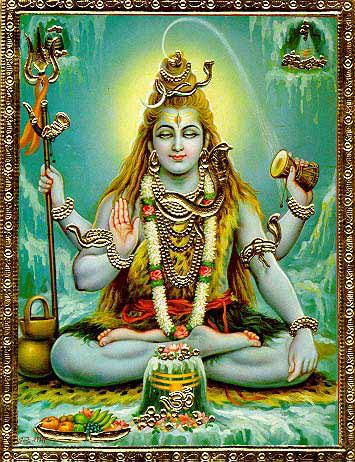
Image Source: lucidpractice.com
The Roots of Controversy: Yoga’s Diverse Origins
To comprehend why yoga might be viewed as sinful by some, it’s crucial to acknowledge its deep historical and philosophical roots. Yoga is not a monolithic practice; it has evolved over thousands of years and encompasses a wide spectrum of traditions and interpretations.
Yoga and Hinduism
The most profound connection of yoga is to Hinduism. Within Hinduism, yoga is a central spiritual discipline aimed at achieving liberation (moksha) and union with the divine.
- Philosophical Schools: Yoga is one of the six orthodox schools of Hindu philosophy (Darshana). Its aim is to still the fluctuations of the mind (chitta-vritti-nirodhah), as described in Patanjali’s Yoga Sutras.
- Deities and Symbolism: Many yogic practices involve devotion (bhakti) to various Hindu deities. Mantras, such as “Om,” are considered sacred sounds with deep spiritual significance, often linked to Brahman, the ultimate reality in Hinduism. The lotus flower, the serpent (kundalini), and various mudras (hand gestures) all carry rich symbolic meanings within Hindu cosmology.
- Goal of Union: The ultimate goal of classical yoga is often described as union with the divine or the realization of the true self, which in many Hindu traditions is identified with Brahman. This concept of merging with a divine consciousness or achieving a state of oneness can be a point of contention for religions that emphasize a distinct creator God and a personal relationship with that God.
Yoga and Buddhism
While distinct from Hinduism, Buddhism also shares a lineage with yogic practices. Many Buddhist traditions incorporate meditative techniques and certain physical postures that bear similarities to yoga.
- Meditative Focus: Buddhist meditation, particularly Vipassana, shares the goal of cultivating mindfulness and insight into the nature of reality, often involving focused breath awareness and introspection.
- Enlightenment as the Aim: The ultimate goal in Buddhism is enlightenment (nirvana), a state of freedom from suffering and the cycle of rebirth. This pursuit of self-realization and liberation, while different in its metaphysical underpinnings from Hinduism, still involves intense spiritual discipline.
Yoga and Eastern Mysticism
More broadly, yoga is often categorized under the umbrella of Eastern mysticism. This categorization itself can invite scrutiny from religions that view mysticism as potentially leading away from or corrupting core tenets of their faith.
- Transcendental Experiences: Eastern mystical traditions, including yoga, often aim for altered states of consciousness, direct spiritual experiences, and a felt sense of interconnectedness with all things.
- Non-dualistic Philosophies: Many Eastern philosophies that inform yoga are non-dualistic, suggesting that the apparent separation between the individual self and the ultimate reality is an illusion. This contrasts sharply with the dualistic worldview prevalent in many Western religions, where God and humanity are seen as distinct.
Specific Religious Objections Explained
The general philosophical and historical context of yoga leads to more specific objections raised by various religious groups, primarily concerning perceived conflicts with core doctrines.
Idolatry and Yoga
One of the most frequent objections, particularly from Christian perspectives, is the concern about idolatry and yoga. This objection arises from several aspects:
- Worship of Deities: In some forms of yoga, particularly those practiced within a devotional context in Hinduism, practitioners might chant mantras to Hindu deities, offer prayers, or make symbolic gestures of reverence towards statues or images of these deities. For monotheistic faiths that strictly prohibit the worship of any entity other than the one God, this is a significant concern.
- Sacred Symbols: Even if not directly worshipping deities, the use of symbols like “Om” or the veneration of gurus and spiritual teachers can be interpreted as a form of idolatry by those who believe any such veneration detracts from the worship due solely to God.
Pagan Practices in Yoga
The accusation of pagan practices in yoga emerges from the historical development of yoga in a polytheistic and animistic cultural context.
- Ancient Rituals: Early forms of yoga were intertwined with ancient Indian rituals and beliefs that may have included elements of nature worship or appeasement of various spiritual forces. Critics may associate these elements with paganism, a term often used to describe pre-Christian or non-Abrahamic religious practices.
- Guru Worship: The reverence shown to spiritual teachers (gurus) in some yogic traditions can be seen as akin to the veneration of spiritual leaders in pagan cults, where devotion to a charismatic figure is central.
Occult Influences on Yoga and Forbidden Spiritual Practices
The classification of yoga within “Eastern mysticism” often leads to accusations of occult influences on yoga and its inclusion among forbidden spiritual practices.
- Esoteric Knowledge: Yoga, in its deeper forms, explores esoteric knowledge related to energy centers (chakras), subtle body channels (nadis), and the awakening of spiritual energy (kundalini). These concepts can be interpreted as occult or magical by those unfamiliar with or opposed to such spiritual frameworks.
- Altered States of Consciousness: The pursuit of altered states of consciousness through meditation, breathwork (pranayama), or specific postures can be viewed with suspicion, especially if these states are seen as being induced through means other than divine revelation or prayer within a specific religious framework.
- Demonization: In some interpretations, any practice that seeks to access spiritual power or knowledge outside of the prescribed divine channels is deemed “occult” and potentially dangerous, linked to demonic forces. This can lead to yoga being labeled as a forbidden spiritual practice.
Yoga and Sin in Christianity
For many Christians, the primary conflict arises when yoga is seen as incompatible with Christian doctrine, leading to the question of yoga and sin in Christianity.
- Theology of the Body: Christian theology often emphasizes the sanctity of the human body as a temple of the Holy Spirit and views sexuality as a sacred gift within marriage. Some yogic practices, particularly those focused on kundalini awakening or certain sensual expressions of movement, can be perceived as misusing or defiling the body, or as promoting a worldview that conflicts with Christian teachings on the body and sexuality.
- Paganism vs. Christianity: The core issue for many Christian objectors is the perceived entanglement of yoga with pagan religions. They believe that adopting practices rooted in Hinduism or Buddhism means embracing a spiritual system that is fundamentally opposed to Christianity, and therefore participating in sin. This can extend to believing that the physical postures themselves, when performed with certain intentions or within a specific spiritual context, become acts of worship to false gods.
- Conflicting Worldviews: The non-dualistic or pantheistic (God is in everything) leanings found in some yoga philosophies can directly contradict the Christian belief in a transcendent, personal God who is distinct from creation. Engaging in practices that subtly promote these alternative worldviews can be seen as a form of spiritual compromise or betrayal of Christian faith.
Table: Common Objections and Their Religious Contexts
| Objection | Description | Primary Religious Concerns |
|---|---|---|
| Idolatry | Worship or veneration of deities, spiritual beings, or symbols that are not recognized by the objector’s faith. This includes chanting mantras to Hindu gods or revering gurus as divine. | Monotheistic faiths (e.g., Christianity, Islam, Judaism) prohibiting the worship of anything other than the one true God. |
| Pagan Practices | Association of yoga with ancient, pre-Christian or non-Abrahamic rituals and belief systems, often seen as primitive or spiritually impure. | The desire to maintain religious purity and avoid what are perceived as unholy or devilish influences from other spiritual traditions. |
| Occult Influences | The exploration of esoteric concepts like chakras, kundalini, and altered states of consciousness, which can be interpreted as dealing with forbidden or demonic powers outside of a divinely sanctioned spiritual path. | Fear of spiritual deception, entrapment by malevolent forces, or engaging in practices that are considered forbidden by religious scripture or tradition. |
| Conflicting Theology | Yoga’s philosophical underpinnings, such as pantheism, non-dualism, or reincarnation, may directly contradict the core doctrines of the objector’s faith, such as the nature of God, salvation, or the afterlife. | The belief that adopting practices based on conflicting theological frameworks amounts to a denial or dilution of one’s own faith, potentially leading to spiritual error or sin. |
| Guru Worship | Excessive devotion or reliance on a human spiritual teacher, to the point where the teacher is elevated to a divine or quasi-divine status. | The belief that all spiritual authority and guidance ultimately comes from God, and that placing such trust or veneration in a human being is a transgression. |
| Energetic Practices | Focus on channeling or awakening spiritual energies within the body (e.g., kundalini), which some faiths may view as artificial or dangerous attempts to gain spiritual power without divine intervention. | Concerns about manipulating spiritual forces, potentially inviting negative spiritual influences, or bypassing the natural or divinely ordained means of spiritual growth. |
The Nuance of Modern Yoga
It is crucial to recognize that the yoga practiced by millions today is often a highly secularized and Westernized version, focused primarily on physical postures (asanas) and breath control (pranayama) for health and well-being. This form of yoga may bear little resemblance to the deeply spiritual disciplines of its origins.
Secularization of Yoga
- Fitness and Wellness: In many Western contexts, yoga studios market themselves as fitness centers, emphasizing flexibility, strength, stress reduction, and mindfulness as health benefits. The spiritual or philosophical elements are often downplayed or removed entirely.
- Therapeutic Applications: Yoga is widely used in physical therapy and mental health treatment, with the focus being on physiological and psychological outcomes rather than spiritual attainment.
Differentiating Practices
The debate often hinges on how one defines “yoga.”
- Asana-focused Yoga: For those who practice yoga solely for the physical benefits of the postures, the religious objections may seem irrelevant. They might argue that they are not engaging with the spiritual or philosophical aspects that draw criticism.
- Yoga with a Spiritual Component: However, even in secularized forms, certain elements might persist that could still be viewed critically. For instance, the use of Sanskrit words for postures, the emphasis on breath as a life force (prana), or the philosophical concepts embedded in the sequencing of poses can still carry spiritual weight for practitioners or observers.
Navigating the Divide: Perspectives and Choices
The question of whether yoga is sinful is deeply personal and depends heavily on an individual’s religious beliefs, their understanding of yoga, and how they choose to practice it.
Christian Perspectives on Yoga
Within Christianity, there is a spectrum of views:
- Outright Condemnation: Some denominations or individuals view yoga as inherently problematic due to its Hindu roots and perceived connections to paganism and the occult. They may advise against any form of yoga participation, considering it a gateway to spiritual deception.
- Conditional Acceptance: Others may believe that yoga can be practiced, provided it is stripped of all overtly religious or spiritual elements and approached with Christian discernment. They might emphasize practicing yoga as a form of Christian discipline for physical and mental health, focusing on prayer and scripture during practice.
- Integration and Reinterpretation: A smaller group might explore ways to integrate Christian spirituality with yoga, reinterpreting the postures and breathwork through a Christian lens. This is a more controversial stance, often criticized for diluting Christian doctrine or syncretism.
Considerations for Practitioners
For individuals considering yoga, especially those from monotheistic backgrounds, careful consideration is essential:
- Research the Tradition: It’s important to understand the origins and diverse forms of yoga. What are the intentions behind the specific class or teacher?
- Teacher’s Philosophy: Inquire about the teacher’s background and the philosophy they bring to their classes. Are they teaching a secular fitness class or a practice with overt spiritual components?
- Personal Conviction: Ultimately, the decision to practice yoga, and in what manner, should align with one’s own deeply held religious convictions and conscience. If a practice causes spiritual distress or doubt, it may be wise to reconsider.
- Focus on Intent: Many argue that the intention behind the practice is paramount. If the intention is solely for physical and mental well-being, without veneration of other deities or philosophical alignment with non-Christian beliefs, some believe it is permissible.
Conclusion: A Complex Spiritual Landscape
The perception of yoga as a sin is not a universal truth but a specific religious interpretation rooted in particular theological frameworks and historical understandings. The objections often arise from concerns about idolatry and yoga, the perceived presence of pagan practices in yoga, and the fear of occult influences on yoga. These concerns are particularly pronounced when discussing yoga and sin in Christianity, where the historical and philosophical ties between yoga and Hinduism, and yoga and Eastern mysticism, can create significant theological friction.
For many, yoga is a beneficial practice for health and well-being, divorced from its spiritual origins. For others, its roots are too intertwined with other belief systems to be safely engaged with from within their own faith tradition. Navigating this complex spiritual landscape requires education, discernment, and respect for diverse religious convictions. The decision of whether or not to practice yoga, and how to do so, remains a personal journey guided by individual faith and conscience.
Frequently Asked Questions (FAQ)
Q1: Is all yoga considered sinful?
Not universally. Whether yoga is considered sinful depends on an individual’s religious beliefs and the specific way yoga is practiced. Some religious groups object to yoga due to its origins in Hinduism and its philosophical underpinnings, seeing elements of idolatry or pagan practices. Others who practice a secularized version focused solely on physical fitness and stress reduction may not see it as sinful, believing they are not engaging with the spiritual or religious aspects.
Q2: What are the main religious objections to yoga?
The main religious objections to yoga often include:
* Idolatry: Worshiping Hindu deities, chanting mantras to them, or venerating gurus can be seen as idolatry in monotheistic faiths.
* Pagan Practices: Associating yoga with ancient Indian religious rituals that are not aligned with one’s own faith.
* Conflicting Philosophies: Yoga’s connection to Eastern mysticism, non-dualistic philosophies, or concepts like reincarnation can clash with the theological doctrines of other religions.
* Occult Influences: The exploration of energetic practices like kundalini awakening or chakras can be perceived as dealing with the occult.
Q3: Can Christians practice yoga?
This is a matter of ongoing debate within Christianity.
* Some Christians believe that any engagement with yoga, due to its origins and potential for idolatry and pagan practices, is incompatible with Christian faith and therefore sinful.
* Others believe that Christians can practice a secularized form of yoga focusing purely on physical postures for health and well-being, provided they consciously detach from any Hindu or Eastern spiritual meanings and maintain their Christian devotion. This approach often involves prayer during practice and a clear focus on Christian principles.
Q4: How is yoga related to Hinduism and Buddhism?
Yoga originated as a spiritual discipline within Hinduism, aiming for spiritual liberation and union with the divine. It is one of the six orthodox schools of Hindu philosophy. While distinct, Buddhism also incorporates meditative practices that share similarities with yogic techniques, focusing on mindfulness and spiritual development. The deep historical ties between yoga and Hinduism and yoga and Buddhism are central to many religious objections.
Q5: What is meant by “occult influences on yoga”?
This concern arises when yogic practices delve into aspects that are perceived as esoteric or supernatural outside of a sanctioned religious framework. Concepts like the awakening of kundalini energy, the manipulation of subtle body energies (prana), or the activation of chakras can be interpreted by critics as dealing with the occult or being forbidden spiritual practices. This is often linked to fears of spiritual deception or engagement with forces deemed unholy.