
So, how wide are yoga mats? Standard yoga mats are typically 24 inches wide, though variations exist.
Choosing the right yoga mat is more than just picking a color you like. The dimensions of your mat, especially its width, play a crucial role in your practice. Whether you’re a seasoned yogi or just starting, understanding yoga mat dimensions can significantly enhance your comfort, stability, and overall experience. This guide dives deep into yoga mat width, exploring the standard sizes, specialized options, and factors to consider when making your selection. We’ll help you decipher yoga mat dimensions to find the perfect fit for your body and your practice.
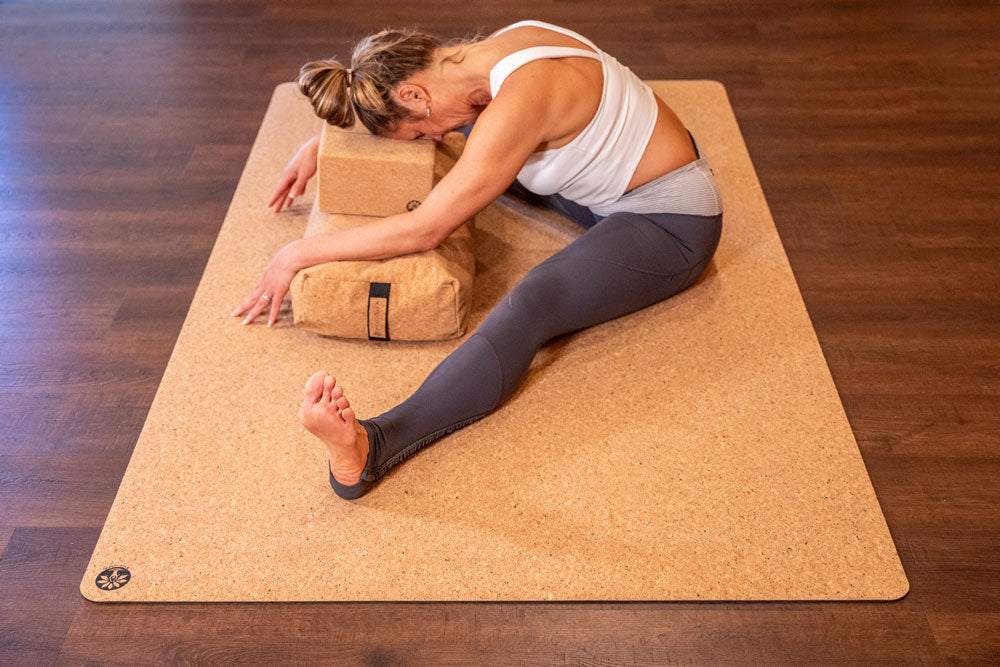
Image Source: yolohayoga.com
The Standard Yoga Mat Width
When most people picture a yoga mat, they envision a specific size. This is often referred to as the standard yoga mat size. These mats are designed to accommodate a wide range of practitioners and styles of yoga.
Typical Dimensions
- Width: The most common yoga mat width is 24 inches. This provides a good balance between enough space for your limbs and a compact size that’s easy to transport.
- Length: While width is our focus, it’s worth noting that standard lengths usually range from 68 to 71 inches. Taller individuals might prefer longer mats.
Why 24 Inches is the Standard
The 24-inch width emerged as a widely accepted dimension because it generally offers sufficient space for most individuals to comfortably place their hands and feet during various poses without feeling cramped. It also allows for a stable base, which is essential for maintaining balance and alignment in more challenging postures. For many, this standard yoga mat size is the default choice, and it serves most people well.
Beyond the Standard: Exploring Different Yoga Mat Widths
While 24 inches is the benchmark, the world of yoga mats offers a spectrum of widths to cater to diverse needs and preferences. Some practitioners require more space, while others might prioritize portability or a more compact footprint.
Extra Wide Yoga Mats
For those who feel confined on a standard mat, an extra wide yoga mat can be a game-changer. These mats offer significantly more surface area, providing greater freedom of movement and a more secure feeling during practice.
What to Expect from Extra Wide Mats
- Width: You’ll typically find extra wide yoga mats starting at 26 inches and extending up to 30 inches or even wider. This extra few inches can make a substantial difference for people with broader shoulders, longer limbs, or those who tend to move around their mat a lot during practice.
- Benefits: More space can lead to improved confidence in transitions between poses, reduced worry about stepping off the mat, and greater comfort in poses that require significant limb extension. This is particularly helpful for styles like Vinyasa or Ashtanga where fluid movement is key.
Thin Yoga Mat Width Considerations
The thickness of a yoga mat is often discussed alongside its width, but the width itself is a distinct feature. A thin yoga mat width still adheres to the general dimensional categories, but the experience can feel different.
Thin Mats and Their Width
- Standard Widths, Less Thickness: A thin yoga mat width will still typically be around 24 inches. The primary difference is that the mat will be thinner, often around 1/8 inch (3mm) or less.
- Impact on Practice: While thinner mats offer greater stability and a better connection to the floor, their width is the primary factor for spaciousness. A thin mat at the standard 24-inch width will feel the same in terms of lateral space as a thicker mat of the same width.
Travel Yoga Mat Width
When you’re on the go, portability is key, but that doesn’t mean you have to sacrifice adequate width. Travel yoga mat width is often similar to standard mats, but they are designed to be foldable or rollable into a more compact size.
Portability Meets Practicality
- Common Widths: Most travel yoga mat width options still hover around the 24-inch mark. The focus is on reducing the overall packed size and weight, rather than drastically altering the usable surface area.
- Design for Travel: These mats are usually thinner and lighter, making them easy to slip into a suitcase or backpack. Some are designed to be folded rather than rolled, creating a flatter, more manageable package.
Width for Beginners
For those new to yoga, the beginner yoga mat width is often the standard 24 inches. This provides a familiar and generally comfortable starting point.
New to Yoga? Here’s What to Consider
- Ample Space is Key: As a beginner, you’re still learning your body’s spatial awareness and how to move through poses. A standard width offers enough room to explore without feeling restricted. It allows you to place your hands and feet confidently while building your practice.
- Avoiding Overwhelm: While an extra-wide mat might seem appealing, a standard width is often less intimidating for beginners. It’s a good middle ground that works for most people as they start their yoga journey.
Width for Pilates and Other Exercises
While yoga mats are popular for Pilates, specialized Pilates mat width considerations are also important. Similarly, for general exercise mat width, the principles of sufficient space apply.
Pilates and Exercise Mats
- Pilates Mat Width: Pilates often involves more controlled movements and sometimes uses props that require a stable base. While many use standard yoga mats, dedicated Pilates mats can sometimes be wider or have specific textures for grip. The typical width is still around 24 inches, but you might find options up to 30 inches for more expansive movements.
- Exercise Mat Width: For general fitness and floor exercises, an exercise mat width of 24 inches is common, but you’ll also find wider options, especially for home gyms or functional training. These can range from 26 inches up to 36 inches or more, offering ample room for stretching, core work, and bodyweight exercises. The goal is to provide enough space so your hands, feet, and body parts stay on the mat during various movements.
The Sticky Mat Width
The term “sticky mat” refers to the grip a mat provides. While grip is primarily related to the material and surface texture, width is still a crucial dimensional aspect.
Grip and Width
- Standard Dimensions: A sticky mat width typically follows the standard 24-inch dimension. The “sticky” quality is about the material’s ability to prevent slipping, which is vital for all yoga practices, regardless of mat width.
- Combined Benefits: A wide, sticky mat offers the best of both worlds: ample space and excellent grip, ensuring stability and security throughout your practice.
Factors Influencing Your Yoga Mat Width Choice
Selecting the right yoga mat width goes beyond just personal preference. Several factors can influence which dimension will best serve your practice.
Your Body Size and Shape
Your physical build is a primary determinant of the ideal mat width.
Personal Measurements Matter
- Shoulder Width: If you have broad shoulders, a standard 24-inch mat might feel a bit narrow when you place your hands shoulder-width apart, especially in poses like Plank or Downward-Facing Dog.
- Limb Length: Longer limbs can also mean you need more space to extend comfortably without your hands or feet drifting off the mat.
- General Frame: A larger frame often benefits from a wider mat to feel more grounded and secure.
Your Yoga Style
Different yoga styles involve varying degrees of movement and require different levels of stability and space.
Style-Specific Needs
- Vinyasa/Flow Yoga: These dynamic styles involve fluid transitions and often require larger movements. More space on your mat can prevent you from feeling rushed or cramped as you move from one pose to the next. An extra-wide yoga mat can be beneficial here.
- Hatha/Restorative Yoga: These styles tend to be slower-paced and focus on holding poses for longer periods. While stability is important, the need for extensive width might be less critical than in dynamic styles. However, comfort is always key, and a wider mat can still enhance relaxation.
- Ashtanga Yoga: Ashtanga involves a set sequence of poses with specific alignments. As practitioners become more advanced, their movements can become larger. While a standard width is often sufficient, some advanced practitioners might appreciate the extra space of a wider mat.
- Hot Yoga: In hot yoga, you’ll likely sweat a lot. Grip is paramount, but so is having enough space to move freely as the heat can be intense. Width is a personal choice, but the mat’s material will be the most critical factor for grip in these conditions.
Your Practice Environment
Where you practice can also influence your mat choice.
Space Considerations
- Home Practice: If you practice at home in a dedicated space, you likely have more flexibility with mat dimensions. An extra wide yoga mat might fit comfortably without encroaching on other areas.
- Yoga Studios: Many yoga studios have a set layout, and while they often provide mats, if you bring your own, you’ll want it to fit within the designated practice areas without being overly disruptive to neighbors. A standard yoga mat width is usually best for studio settings.
- Travel: For those who travel frequently and want their own mat, a travel yoga mat width is typically standard, but the mat’s ability to fold or roll compactly is the priority.
Personal Comfort and Preference
Ultimately, how you feel on your mat is the most important factor.
What Feels Right for You
- Feeling Secure: Do you feel grounded and secure on a standard mat, or do you often find yourself bumping the edges?
- Freedom of Movement: Do you prefer a mat that offers ample room to spread out, or do you like feeling a bit more contained?
- Experimentation: If you’re unsure, consider trying out mats of different widths if possible, perhaps at a yoga studio or with a friend, to see what feels most comfortable and supportive for your body and your practice.
Common Yoga Mat Widths in Inches and Centimeters
To help you visualize the options, here’s a quick comparison of common yoga mat widths. It’s important to remember that metric conversions can vary slightly depending on rounding.
| Mat Type | Common Width (Inches) | Common Width (Centimeters) | Notes |
|---|---|---|---|
| Standard Yoga Mat | 24 inches | 61 cm | Most common width, suitable for a wide range of practitioners. |
| Extra Wide Yoga Mat | 26 inches | 66 cm | Offers more space for broader individuals or those who move a lot. |
| Extra Wide Yoga Mat | 28 inches | 71 cm | Provides even more generous space. |
| Extra Wide Yoga Mat | 30 inches | 76 cm | Maximum width for those who need the most room. |
| Thin Yoga Mat (width) | 24 inches | 61 cm | Width is standard, but the mat is thinner (focus on grip/stability). |
| Travel Yoga Mat (width) | 24 inches | 61 cm | Standard width but designed for portability (foldable/lighter). |
| Beginner Yoga Mat (width) | 24 inches | 61 cm | Standard width is usually recommended for new practitioners. |
| Exercise Mat (width) | 24 inches | 61 cm | Common width for general fitness. |
| Exercise Mat (width) | 30 inches | 76 cm | Wider option for more space in various exercises. |
| Exercise Mat (width) | 36 inches | 91 cm | Very wide mats for home gyms or specialized training. |
| Pilates Mat (width) | 24 inches | 61 cm | Standard width often used, but wider options exist for more movement. |
| Sticky Mat (width) | 24 inches | 61 cm | Refers to grip; width is typically standard. |
Note: Centimeter conversions are approximate and may vary slightly by manufacturer.
How Width Impacts Specific Poses
The width of your yoga mat can subtly but significantly affect how you experience certain poses.
Poses Benefiting from Width
- Plank Pose: Having your hands directly under your shoulders is ideal. If your mat is too narrow, you might feel like your hands are too close together, or you might accidentally drift off the mat.
- Downward-Facing Dog: Similar to Plank, proper hand placement is crucial for alignment. A wider mat allows for comfortable hand placement without feeling squeezed.
- Warrior Poses (I, II, III): These standing poses often involve a wide stance or significant limb extension. A wider mat provides the necessary space to extend your legs and arms fully without feeling unstable.
- Triangle Pose / Extended Side Angle: In these poses, your front foot is typically forward and your back foot is turned out. A wider mat gives you more room to position your feet comfortably, allowing for deeper stretches and better alignment.
- Seated Poses (e.g., Bound Angle Pose, Easy Pose): While less about movement and more about stability, a wider mat can provide a more expansive sense of space and comfort, especially if you tend to shift your weight or extend your legs a bit.
When Width Might Be Less Critical
- Restorative Poses: Poses like Savasana (Corpse Pose) or Supported Bridge Pose, where the focus is on relaxation and stillness, may not strictly require a wider mat. However, comfort remains paramount, and a wider mat can contribute to a feeling of greater spaciousness and ease.
- Short, Focused Practices: If you’re doing a very short, focused practice with few transitional movements, a standard width might suffice even if you’re generally broader.
Choosing the Right Mat: Width as a Key Dimension
When you’re shopping for a new yoga mat, remember that width is just one of several important factors.
Other Dimensions to Consider
- Length: Ensure the mat is long enough for you to lie down completely, head to toe, without your body hanging off the ends. Standard lengths are usually sufficient, but taller individuals may need longer mats (72 inches or more).
- Thickness: This affects cushioning and stability. Thinner mats (1/8 inch or less) offer more stability and a better connection to the ground, while thicker mats (1/4 inch or more) provide more cushioning for joints.
- Material: The material impacts grip, durability, eco-friendliness, and weight. Common materials include PVC, TPE, natural rubber, and cork.
- Grip: A good grip is essential to prevent slipping, especially in sweaty practices. The texture and material of the mat are key here.
- Weight and Portability: If you plan to carry your mat to classes frequently, its weight and how easily it rolls or folds will be important.
Making Your Final Decision
To determine the best yoga mat width for you, consider these questions:
- How wide are my shoulders when my arms are extended to the sides?
- Do I often feel like I’m falling off my current mat during practice?
- What style of yoga do I primarily practice?
- Do I have any specific physical considerations (e.g., broad build, longer limbs)?
- Where will I be practicing most often?
By answering these questions, you can narrow down whether a standard 24-inch mat or an extra wide yoga mat (26-30 inches) would be more beneficial. Remember that a beginner yoga mat width is typically the standard, offering a good starting point. For specific activities, you might look at an exercise mat width or Pilates mat width, which can often be wider than standard yoga mats.
Frequently Asked Questions About Yoga Mat Width
Here are some common questions people have about the width of yoga mats.
Q1: What is the most common yoga mat width?
A1: The most common yoga mat width is 24 inches (61 cm). This is considered the standard yoga mat size and works well for most practitioners.
Q2: Can I use an extra wide yoga mat for all yoga styles?
A2: Yes, you can use an extra wide yoga mat for any yoga style. While it’s especially beneficial for dynamic styles like Vinyasa, the extra space can enhance comfort and stability in any practice, including slower styles like Hatha or Restorative.
Q3: I’m a beginner. What yoga mat width should I choose?
A3: For beginners, a beginner yoga mat width of 24 inches is usually recommended. It provides a good amount of space without being overwhelming, allowing you to focus on learning poses and your body’s alignment.
Q4: How does the width of a Pilates mat differ from a yoga mat?
A4: While there’s significant overlap, Pilates mat width can sometimes be wider than standard yoga mats, with options extending up to 30 inches. This extra width can be helpful for the expansive movements common in Pilates. However, many practitioners use standard 24-inch yoga mats for Pilates as well.
Q5: Is a thin yoga mat width different from a standard width?
A5: A thin yoga mat width typically refers to the thickness of the mat, not its width. A thin mat usually has a width of 24 inches, but it will be less than 1/4 inch thick. The width determines the surface area, while thickness affects cushioning and stability.
Q6: What is the width of a travel yoga mat?
A6: The travel yoga mat width is usually standard, around 24 inches. The primary difference in travel mats is their design for portability, often being thinner and foldable or lighter to roll.
Q7: How wide should my yoga mat be if I have broad shoulders?
A7: If you have broad shoulders or a larger frame, you might find a standard 24-inch mat a bit constricting. Consider an extra wide yoga mat, which typically starts at 26 inches and can go up to 30 inches wide, to provide more comfortable hand and foot placement.
Q8: Does the width of my “sticky mat” matter?
A8: The term “sticky mat” refers to the grip. While grip is crucial, the sticky mat width itself follows the same principles as any other mat. A standard 24-inch width is common, but you can find sticky mats in wider dimensions if you need more space.
Q9: Can I use an exercise mat for yoga, and what about the width?
A9: Yes, you can use an exercise mat for yoga, and many are suitable. The exercise mat width often starts at 24 inches, similar to yoga mats, but can also be significantly wider (30-36 inches) to accommodate a broader range of exercises. Ensure the thickness and material are also suitable for your yoga practice.