
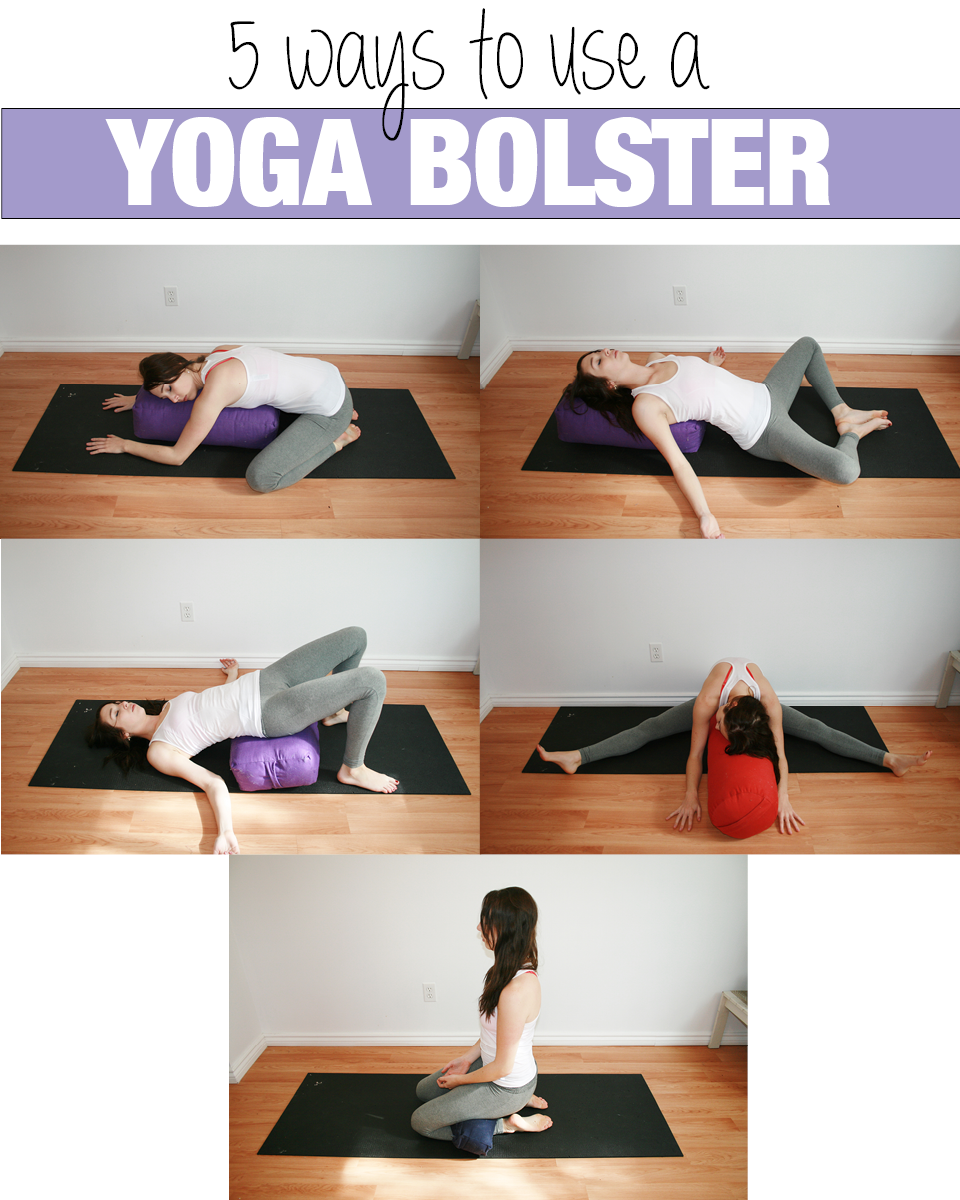
Image Source: 1.bp.blogspot.com
How To Use A Yoga Bolster For Support & Restorative Poses
A yoga bolster is a long, firm cushion used to support the body in yoga poses. Can you use a yoga bolster for back pain relief? Absolutely! Its firm yet yielding nature allows for deep relaxation and gentle stretching, making it an excellent tool for easing back discomfort. Who is a yoga bolster for? It’s beneficial for all levels of practitioners, from beginners seeking more comfort to advanced yogis looking to deepen their practice and enhance relaxation. This article explores the many ways to use a yoga bolster to amplify your yoga experience, focusing on support, rest, and a deeper connection with your body.
The Multifaceted Yoga Bolster: A Guide to Its Uses
The yoga bolster, a staple in restorative yoga and a versatile prop, offers a wealth of yoga bolster benefits. It’s more than just a pillow; it’s a sophisticated tool designed to enhance comfort, deepen stretches, and facilitate profound relaxation. When you think about yoga bolster uses, picture a prop that cradles, elevates, and lengthens your body, allowing muscles to release tension and joints to find their natural alignment. This guide will delve into how to leverage a yoga bolster effectively in your practice.
Exploring Different Yoga Bolster Types
Before diving into specific poses, it’s helpful to know about the different yoga bolster types available, as they can slightly alter the support and feel.
- Cylindrical Bolsters: These are the most common. Their long, rounded shape makes them ideal for supporting the spine, hips, and even the head. They provide firm, consistent support.
- Rectangular Bolsters: Similar to cylindrical bolsters but with flat sides. They offer a broader base of support and can be useful for seated poses or lying on your side.
- Zafu Cushions: While often used for meditation, some larger zafus can function similarly to a bolster, offering elevated hip support.
- Round Bolsters: Less common, but offer a unique shape for specific stretches, particularly for the chest and shoulders.
The filling also matters. Most bolsters are filled with cotton batting, buckwheat hulls, or a mix. Cotton is generally softer and more yielding, while buckwheat offers firmer, more customizable support.
Fathoming Yoga Bolster Benefits
The advantages of incorporating a yoga bolster into your practice are numerous and significant. Here’s a look at some key yoga bolster benefits:
- Enhanced Comfort: Bolsters provide a stable and comfortable surface, allowing you to hold poses for longer periods without strain. This is particularly helpful in restorative poses where stillness and relaxation are paramount.
- Deeper Stretches: By elevating or supporting parts of your body, a bolster can help you access deeper, more effective stretches. It helps to lengthen the spine, open the chest, and release tension in the hips and hamstrings.
- Improved Alignment: The bolster acts as a guide, helping you to find proper yoga bolster alignment. It can support the natural curves of your spine or gently encourage a specific posture, reducing the risk of injury.
- Promoting Relaxation: The gentle support provided by a bolster signals to your nervous system that it is safe to release tension. This promotes deep relaxation and stress reduction, making it a powerful tool for yoga bolster for relaxation.
- Accessibility: For individuals with physical limitations, injuries, or those new to yoga, a bolster makes many poses more accessible and enjoyable. It bridges the gap between what the body can do and what it’s ready to do.
- Therapeutic Applications: As mentioned, a yoga bolster for back pain can be incredibly effective. It also aids in recovery from certain injuries and can be beneficial during pregnancy.
Gentle Support for Your Back: Yoga Bolster for Back Pain
Experiencing back pain can make many yoga poses challenging, if not impossible. A yoga bolster can be a game-changer for managing and alleviating this discomfort. The key lies in how the bolster supports the natural curvature of the spine and allows for gentle decompression.
Supporting the Lumbar Spine in Savasana
One of the most effective yoga bolster uses for back pain is placing it beneath the knees in Savasana (Corpse Pose).
- How to do it: Lie flat on your back. Slide the bolster horizontally beneath your knees, so your knees are bent and resting comfortably on the bolster.
- Why it helps: This simple adjustment neutralizes the lumbar spine, reducing any strain or arching that might occur when the legs are extended flat. It encourages relaxation in the lower back and hips, allowing the muscles to release. This pose is a prime example of yoga bolster alignment promoting ease.
Gentle Spinal Extension
For some types of back pain, gentle spinal extension can be beneficial.
- How to do it: Sit with the bolster behind you, positioned vertically. Lie back over the bolster so it supports your spine from the sacrum (the base of your spine) up to your upper back. Your head can rest on the floor or a small cushion.
- Why it helps: This opens the chest and shoulders and gently extends the thoracic spine. It can alleviate stiffness caused by prolonged sitting or forward-leaning postures. It’s crucial here to ensure the bolster is positioned comfortably and doesn’t create any pinching or discomfort. This is a wonderful way to utilize the yoga bolster for restorative yoga.
Hip Flexor Release
Tight hip flexors can contribute to lower back pain.
- How to do it: Kneel on your mat with the bolster placed horizontally in front of you. Lie down over the bolster, allowing your torso to drape over it. You can extend your legs back behind you or bend your knees.
- Why it helps: This position gently releases tension in the hip flexors and the front of the body, which can, in turn, alleviate strain on the lower back.
A Hug for Mom-to-Be: Yoga Bolster for Pregnancy
Pregnancy brings about significant physical changes, and a yoga bolster can offer much-needed support and comfort throughout this journey. The yoga bolster for pregnancy is invaluable for adapting poses and finding relief from common pregnancy discomforts.
Pelvic Support in Supported Bridge Pose
As the belly grows, many standard poses become challenging.
- How to do it: Lie on your back with knees bent and feet flat on the floor. Gently lift your hips and slide a bolster horizontally beneath your sacrum (the bony plate at the base of your spine). You should feel supported, not strained.
- Why it helps: This pose, a modified Bridge Pose, takes pressure off the lower back and opens the chest, which can be particularly helpful for easing backaches and improving circulation.
Side-Lying Relaxation
Lying on your back can become uncomfortable during pregnancy.
- How to do it: Lie on your side with the bolster placed between your knees. You can also place another bolster or cushion beneath your head for neck support.
- Why it helps: This helps maintain proper hip and spinal yoga bolster alignment, reducing pressure on the hips and lower back. It’s a supremely comfortable position for rest.
Supported Child’s Pose
Child’s Pose is a wonderful resting pose, but as the belly expands, it can become difficult to fold forward.
- How to do it: Start in a kneeling position. Place a bolster horizontally between your thighs, creating a supportive platform. Gently lower your torso onto the bolster, allowing your belly to rest comfortably. Extend your arms forward or rest them alongside your body.
- Why it helps: This modified Child’s Pose provides ample space for the growing belly and supports the torso, allowing for deep relaxation and a sense of grounding.
Deepening Relaxation: Yoga Bolster for Relaxation
The core principle of restorative yoga is to release effort and invite stillness. A yoga bolster is the quintessential prop for achieving this state of deep yoga bolster for relaxation. It allows the body to sink into poses with minimal muscular engagement, promoting a profound sense of calm.
Supported Reclining Bound Angle Pose (Supta Baddha Konasana)
This pose is a classic for opening the hips and chest and inviting deep relaxation.
- How to do it: Sit on the floor with the bolster placed horizontally behind your back. Lean back so the bolster supports your spine from the mid-back upwards. Bring the soles of your feet together and let your knees fall open to the sides. You can place blocks or cushions under your knees for extra support if needed. Your arms can rest by your sides or overhead.
- Why it helps: The bolster supports the spine in a gentle, upright position, preventing strain and allowing gravity to assist in opening the chest and shoulders. The gentle hip opening is also very calming. This is a prime example of using a yoga bolster cushion for profound rest.
Legs Up the Wall Pose (Viparita Karani)
While not traditionally requiring a bolster, a bolster can enhance this restorative pose.
- How to do it: Sit with one hip against a wall. Swing your legs up the wall, lying back so your torso is on the floor and your legs are vertical against the wall. Place a bolster horizontally beneath your hips and lower back.
- Why it helps: Lifting the hips slightly higher than the heart with the bolster can enhance the benefits of this pose, which include improving circulation, calming the nervous system, and relieving tired legs and feet.
Supported Supine Twist
Twists can be therapeutic, but keeping the spine comfortably aligned is key.
- How to do it: Lie on your back. Extend your legs straight or bend your knees. Bring one knee up towards your chest and then gently guide it across your body towards the opposite side. Place the bolster beneath your bent knee to support it, or place it between your knees if you are lying on your side.
- Why it helps: The bolster prevents the knee from dropping too low, maintaining a gentle, therapeutic twist in the spine and releasing tension in the back and hips.
Mastering Yoga Bolster Poses for a Deeper Practice
The versatility of a yoga bolster extends to numerous yoga bolster poses that can enhance strength, flexibility, and balance.
Supported Seated Forward Bend (Paschimottanasana)
This pose can be challenging for those with tight hamstrings.
- How to do it: Sit on the floor with your legs extended in front of you. Place the bolster horizontally beneath your knees to create a generous bend. Inhale to lengthen your spine, and as you exhale, hinge at your hips to fold forward, resting your torso on your thighs. You can place a bolster or blanket under your hips if they tend to round.
- Why it helps: By supporting the knees, the bolster allows your hamstrings to relax, enabling a deeper and more comfortable fold without straining your back. This promotes proper yoga bolster alignment in a forward bend.
Supported Cobra Pose (Bhujangasana)
For a gentle backbend that opens the chest.
- How to do it: Lie on your stomach. Place the bolster horizontally beneath your chest and abdomen, just below your rib cage. Place your hands flat on the mat, pressing gently to lift your chest. Keep your pubic bone grounded.
- Why it helps: The bolster provides support for the torso, allowing for a mild backbend without compressing the lower spine. It helps to open the chest and shoulders.
Supported Boat Pose (Paripurna Navasana)
For core strengthening with added stability.
- How to do it: Sit on the floor with your knees bent and feet flat. Place the bolster horizontally behind you, leaning back slightly so the bolster supports your lower back and sacrum. Lift your feet off the floor, bending your knees, or extend them if your core strength allows.
- Why it helps: The bolster provides a stable base, allowing you to engage your core more effectively without losing balance or arching your back.
Supported Warrior II (Virabhadrasana II)
For stability and hip opening.
- How to do it: From a standing position, step your feet wide apart. Turn your front foot forward and your back foot slightly inward. Bend your front knee to 90 degrees. Place the bolster horizontally on the floor between your feet, or if you have the space, place it alongside your front thigh to lean into.
- Why it helps: While less common, the bolster can be used here for stability or to support the torso if you find it challenging to maintain an upright posture, especially if you have tight hips. Focus on hip opening and the torso’s upright yoga bolster alignment.
Achieving Optimal Yoga Bolster Alignment
Proper yoga bolster alignment is crucial to maximize the benefits and avoid any discomfort or strain. Always listen to your body.
- Placement: The bolster should feel supportive, not restrictive. If it feels like it’s pushing you into an awkward position, adjust its placement or consider a different prop.
- Firmness: A good bolster should have enough firmness to support your weight without collapsing. If it’s too soft, it won’t provide the necessary lift or stabilization.
- Body Awareness: Pay attention to the sensations in your body. The goal is to feel supported, relaxed, and to deepen your stretch or relaxation, not to create new tension.
- Personalization: Don’t be afraid to combine bolsters with other props like blocks or blankets to achieve your ideal yoga bolster alignment and comfort level.
The Comfort of a Yoga Bolster Cushion
The yoga bolster cushion is designed for plush comfort and reliable support. The quality of the filling and the outer material contribute significantly to the overall experience. A good bolster cushion will be firm enough to hold its shape but soft enough to be yielding, allowing your body to sink into a state of effortless rest. Whether you’re using it to elevate your hips, support your spine, or cushion your knees, the right bolster cushion makes a world of difference in achieving deep relaxation and therapeutic benefits.
Frequently Asked Questions About Yoga Bolsters
Here are some common questions about using yoga bolsters:
Q1: Can I use a regular pillow instead of a yoga bolster?
While a regular pillow can offer some comfort, it generally lacks the firmness and structure of a yoga bolster. Bolsters are designed to provide consistent, stable support, allowing for deeper stretches and proper yoga bolster alignment that a soft pillow cannot replicate.
Q2: How do I clean my yoga bolster?
Most yoga bolsters have removable covers that are machine washable. It’s always best to check the manufacturer’s instructions for specific cleaning guidelines. For the inner filling, spot cleaning is usually recommended.
Q3: Is a yoga bolster necessary for a good yoga practice?
No, a yoga bolster is not strictly necessary, but it significantly enhances comfort and allows access to a wider range of poses, especially in restorative yoga. It’s a valuable prop for anyone looking to deepen their practice and promote relaxation.
Q4: What is the best yoga bolster for back pain?
For yoga bolster for back pain, cylindrical bolsters are often preferred as they can effectively support the natural curve of the spine. Placing it beneath the knees in Savasana or under the sacrum in supported bridge pose are particularly beneficial.
Q5: Can I use a yoga bolster during pregnancy for relaxation?
Absolutely! A yoga bolster for pregnancy is an excellent tool for comfort and support during prenatal yoga. It can help alleviate common pregnancy discomforts like back pain and hip pressure.
Q6: How firm should my yoga bolster be?
A good yoga bolster should be firm enough to support your body weight without collapsing. It should feel stable and provide gentle resistance, allowing your muscles to release tension rather than having to hold yourself up.
Q7: Are there specific yoga bolster poses that are best for beginners?
Yes, poses like Supported Savasana (bolster under knees), Supported Child’s Pose, and Supported Reclining Bound Angle Pose are excellent for beginners looking to experience the yoga bolster benefits and discover the yoga bolster uses for relaxation.
Q8: What are the main yoga bolster uses besides restorative poses?
Beyond restorative yoga, bolsters are used to aid in therapeutic stretches, improve yoga bolster alignment in various poses, provide support during pregnancy, and assist individuals with physical limitations in accessing yoga practice comfortably. They are also great for general yoga bolster for relaxation.
By incorporating a yoga bolster into your practice, you unlock a deeper level of comfort, support, and relaxation, transforming your yoga experience from the ground up.