
What is the best way to teach yoga? The best way to teach yoga is to first complete a certified yoga instructor training program, then gain practical experience, develop a personal teaching philosophy, and continuously refine your skills. Can you make a living teaching yoga? Yes, with dedication, smart business practices, and consistent skill development, it is absolutely possible to build a fulfilling and sustainable career as a yoga teacher. Who is yoga teaching for? Yoga teaching is for individuals with a passion for yoga, a desire to share its benefits, and a commitment to lifelong learning and personal growth.
Embarking on a journey to become a yoga teacher is more than just learning poses; it’s about cultivating a deep connection with yourself and with others, and building a career that nourishes both your soul and your livelihood. This comprehensive guide will equip you with the knowledge and insights needed to transform your passion for yoga into a thriving profession. From foundational training to advanced teaching strategies, we’ll explore every facet of building a successful yoga teaching career.
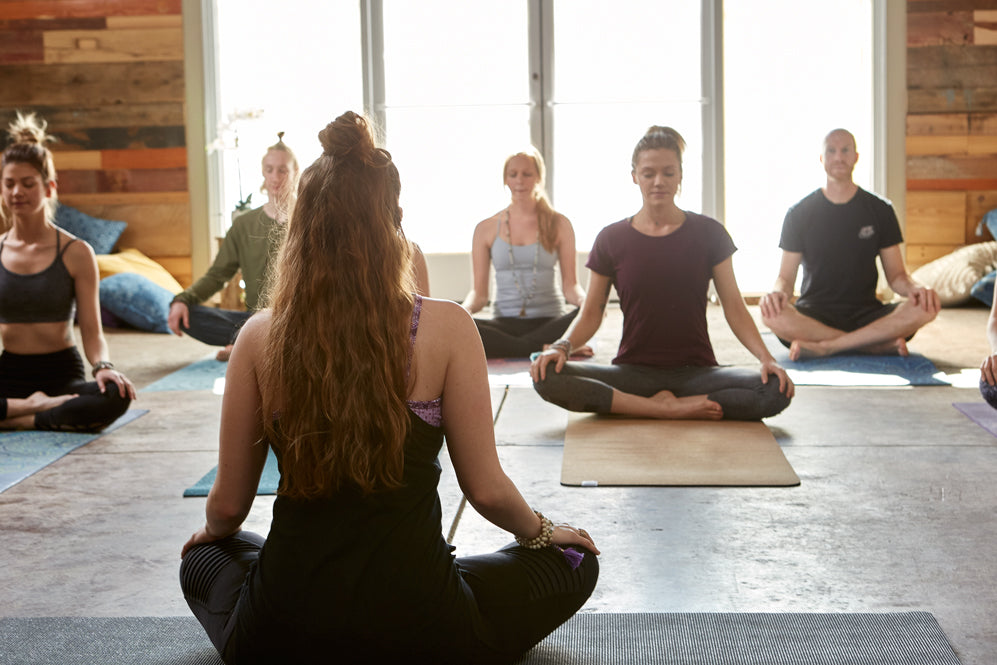
Image Source: www.gaiam.com
Laying the Foundation: Yoga Instructor Training
The cornerstone of any aspiring yoga teacher’s career is comprehensive yoga instructor training. This isn’t just a formality; it’s the essential grounding that provides you with the necessary knowledge, skills, and ethical framework to teach safely and effectively.
Choosing the Right Program
Selecting the right yoga instructor training program (YTT) is a crucial first step. Consider these factors:
- Accreditation: Look for programs accredited by reputable organizations like Yoga Alliance. This ensures a standardized level of education.
- Curriculum: A robust curriculum will cover not only anatomy for yoga teachers and yoga sequencing but also teaching meditation, ethics, business of yoga, and yoga teaching philosophy.
- Teachers: Research the experience and teaching style of the lead instructors. Do their philosophies resonate with yours?
- Format: Programs vary in format, from intensive in-person retreats to flexible online or hybrid models. Choose one that fits your learning style and schedule.
- Cost and Duration: Factor in the financial investment and time commitment.
What You’ll Learn in a YTT:
A 200-hour YTT is the industry standard to begin teaching. You’ll delve into:
- Asana (Postures): In-depth exploration of beginner yoga poses, intermediate, and advanced postures, their alignment, and contraindications.
- Pranayama (Breathing Techniques): Learning various breathing exercises and their physiological and energetic effects.
- Meditation: Techniques for personal practice and guiding students through meditation.
- Anatomy and Physiology: A critical component for injury prevention and intelligent sequencing.
- Philosophy and Ethics: The historical context of yoga, ethical guidelines for teachers, and developing your yoga teaching philosophy.
- Teaching Methodology: How to cue, demonstrate, provide feedback, and create a welcoming environment.
- Sequencing: Crafting intelligent and thematic yoga sequencing for different class levels and intentions.
- Business of Yoga: Marketing, client relations, and professional development.
Mastering the Craft: Yoga Teaching Techniques and Class Structure
Once you have your foundational training, the real work begins: honing your craft. Effective yoga teaching techniques and a well-thought-out yoga class structure are paramount to student retention and creating a positive learning experience.
The Art of Sequencing: Crafting a Balanced Flow
Yoga sequencing is the art of arranging poses in a logical and progressive manner to create a safe, effective, and often thematic class experience. A well-sequenced class will typically include:
- Centering and Grounding: Beginning with a few moments of quiet to arrive, breathe, and set an intention.
- Warm-up: Gentle movements to prepare the body, often focusing on the breath and mobility of major joints. This is where you might introduce simple beginner yoga poses.
- Sun Salutations (Surya Namaskar): A common way to build heat and flow through a series of poses.
- Standing Poses: Building strength and stability.
- Seated and Floor Poses: Deepening stretches, releasing tension, and preparing for rest.
- Backbends or Heart Openers: To energize and open the chest.
- Twists: To aid digestion and spinal mobility.
- Inversions (optional): For experienced students, often introduced gradually.
- Cool-down: Gentle poses to release effort and prepare for relaxation.
- Savasana (Corpse Pose): Essential for integration and deep relaxation.
- Meditation or Pranayama: Often offered at the beginning or end of class.
- Closing: A moment to acknowledge the practice, offer gratitude, and close with a chant or affirmation.
Table 1: Sample Yoga Class Sequence (Hatha Style)
| Section | Poses/Practices | Focus |
|---|---|---|
| Centering (5 min) | Seated meditation, breath awareness | Arrival, intention setting |
| Warm-up (10 min) | Cat-Cow, gentle neck rolls, wrist circles, hip circles | Spinal mobility, joint prep |
| Sun Salutations (10 min) | Surya Namaskar A & B (modified as needed) | Building heat, flow |
| Standing Poses (15 min) | Warrior II, Triangle Pose, Extended Side Angle | Strength, balance, grounding |
| Seated/Floor Poses (15 min) | Seated Forward Bend, Bound Angle Pose, gentle twists | Flexibility, release |
| Backbend (5 min) | Cobra Pose, Bridge Pose | Chest opening, spinal strength |
| Cool-down (5 min) | Reclined Spinal Twist, Supine Figure Four | Releasing tension |
| Savasana (10 min) | Corpse Pose | Deep relaxation, integration |
| Closing (5 min) | Seated meditation, pranayama, closing chant | Gratitude, completion |
Effective Teaching Techniques
Beyond sequencing, your yoga teaching techniques are what truly connect you with your students.
- Clear and Concise Cueing: Use simple, direct language. Explain the “why” behind a pose or movement. For beginner yoga poses, emphasize foundational alignment.
- Demonstration: Clearly show the pose, but don’t rely solely on it. Your words should guide students even if they can’t see you perfectly.
- Observation: Constantly scan the room, observing your students’ bodies and energy.
- Adjustments and Assists: Offer verbal and, with permission, physical adjustments to deepen poses or support alignment. Always prioritize student safety.
- Voice Modulation: Use a calming, authoritative, yet welcoming tone. Vary your pace and volume to match the energy of the class.
- Pacing: Allow ample time for transitions between poses and for students to settle into each posture.
- Props: Teach students how to use props like blocks, straps, and blankets to support their practice and make poses accessible.
- Modifications and Variations: Offer options for yoga for different levels, ensuring inclusivity. This involves adapting yoga poses to suit individual needs and abilities.
Adapting Yoga for Everyone: Yoga for Different Levels
A hallmark of an experienced yoga teacher is the ability to cater to yoga for different levels within a single class. This requires foresight, creativity, and a deep well of knowledge.
Inclusive Class Design
When planning your yoga class structure, consider offering variations from the outset.
- Beginner Focus: Introduce beginner yoga poses with detailed explanations of alignment and breath. Offer plenty of modifications.
- Intermediate/Advanced: Invite students to explore deeper expressions of poses, introduce more challenging transitions, or hold poses for longer durations.
- Mixed Levels: This is where your skill in adapting yoga poses truly shines. You’ll need to offer a spectrum of options.
Example: Adapting Downward-Facing Dog
| Level | Modification/Variation | Purpose |
|---|---|---|
| Beginner | Bent knees, hands on blocks, shorter stance | Ease pressure on hamstrings, lengthen spine |
| Intermediate | Straight legs, heels reaching towards floor, longer stance | Deeper stretch, building strength |
| Advanced | Lifting one leg, shifting weight forward over hands | Building strength, exploring balance |
Teaching Meditation and Mindfulness
Teaching meditation is as vital as teaching asana. It’s the internal practice that complements the physical.
- Guidance: Offer clear instructions on posture, breath, and focus.
- Variety: Explore different meditation techniques: breath awareness, body scan, loving-kindness, mantra meditation.
- Duration: Start with short periods (2-5 minutes) and gradually increase.
- Environment: Create a calm and supportive atmosphere.
Developing Your Yoga Teaching Philosophy
Your yoga teaching philosophy is the guiding principle behind your classes. It’s your unique perspective on why you teach, what you aim to cultivate in your students, and the values you embody.
Cultivating Your Personal Philosophy
- Self-Reflection: What does yoga mean to you? What benefits have you experienced?
- Values: What principles are most important to you in your teaching (e.g., inclusivity, non-judgment, strength, calm)?
- Intention: What do you hope students will gain from your classes beyond the physical practice?
- Integration: How do you weave your philosophy into your sequencing, cueing, and overall demeanor?
Your philosophy will inform how you approach everything, from yoga sequencing to how you handle student inquiries and build your brand.
Anatomy for Yoga Teachers: The Foundation of Safety
A solid grasp of anatomy for yoga teachers is non-negotiable. It empowers you to guide students safely, prevent injuries, and offer intelligent modifications.
Key Anatomical Concepts
- Skeletal System: Understanding bone structure, joint articulation, and common variations.
- Muscular System: Recognizing major muscle groups, their actions (flexion, extension, etc.), and how they engage in yoga poses.
- Nervous System: Fathoming the interplay between the parasympathetic (rest and digest) and sympathetic (fight or flight) systems.
- Breath and Respiratory System: Connecting breath mechanics with pranayama.
- Proprioception and Kinesiology: How the body senses its position and movement.
Table 2: Key Muscles and Their Role in Common Poses
| Pose | Primary Muscles Engaged | Primary Muscles Stretched |
|---|---|---|
| Downward-Facing Dog | Quadriceps, hamstrings, calves, shoulders, core muscles | Hamstrings, calves, shoulders, upper back |
| Warrior II | Quadriceps, glutes, shoulder girdle, core muscles | Inner thighs, chest, shoulders |
| Cobra Pose | Back extensors (erector spinae), glutes | Abdominals, chest, shoulders |
| Seated Forward Bend | Hamstrings, spinal erectors, shoulders | Hamstrings, calves, lower back, shoulders |
Injury Prevention and Modifications
- Listen to the Body: Teach students to honor their physical limitations.
- Alignment Cues: Provide precise cues for safe joint alignment.
- Contraindications: Know which poses to avoid or modify for specific conditions (e.g., pregnancy, back injuries).
- Gradual Progression: Encourage slow and steady progress, especially with beginner yoga poses and more challenging variations.
Building Your Career: Beyond the Mat
Becoming a successful yoga teacher involves more than just excellent instruction. It requires building a sustainable career.
Marketing and Branding
- Define Your Niche: What kind of yoga do you teach? Who is your ideal student?
- Online Presence: Create a professional website and engaging social media profiles.
- Local Outreach: Partner with studios, gyms, community centers, and wellness businesses.
- Word-of-Mouth: Provide exceptional experiences that encourage referrals.
Business Acumen
- Pricing: Research local rates and set fair prices for classes and private sessions.
- Invoicing and Payments: Establish clear payment policies.
- Insurance: Obtain professional liability insurance.
- Continuing Education: Invest in workshops and advanced training to expand your offerings and knowledge. This could include specialized training in yoga for different levels or restorative yoga.
Creating a Welcoming Environment
Your studio space, whether physical or virtual, should be a sanctuary.
- Ambiance: Use calming music, appropriate lighting, and pleasant scents (if used).
- Cleanliness: Ensure the space is clean and well-maintained.
- Welcome: Greet students warmly, learn their names, and create a sense of community.
- Inclusivity: Foster an environment where everyone feels safe and respected, regardless of their background, experience, or physical abilities. This involves conscious effort in adapting yoga poses and language.
Continuous Growth and Specialization
The journey of a yoga teacher is one of lifelong learning. The field of yoga is vast, offering many avenues for specialization.
Specializing Your Practice
Consider deepening your expertise in areas such as:
- Prenatal and Postnatal Yoga: For expecting and new mothers.
- Restorative Yoga: Focuses on deep relaxation and healing.
- Yoga Therapy: Working with individuals with specific health conditions.
- Children’s Yoga: Engaging young minds and bodies.
- Chair Yoga: Accessible for seniors or those with mobility challenges.
Each specialization requires further training and a nuanced approach to yoga teaching techniques and yoga sequencing.
Advanced Training and Mentorship
- 300-Hour YTT: Builds upon your 200-hour training, offering more in-depth study.
- Workshops and Retreats: Attend workshops led by renowned teachers in areas like anatomy for yoga teachers, teaching meditation, or specific styles of yoga.
- Mentorship: Seek out experienced teachers who can offer guidance and support.
Frequently Asked Questions (FAQ)
Q1: How long does it take to become a yoga teacher?
A1: A 200-hour yoga instructor training is the foundational step, typically completed in a few months to a year, depending on the program’s intensity and format. After training, ongoing practice and continued education are essential.
Q2: Do I need to be flexible to teach yoga?
A2: No, you do not need to be extremely flexible to teach yoga. While flexibility is a benefit, a deep understanding of anatomy for yoga teachers, clear communication, and the ability to provide safe and effective instruction are far more important. Your own flexibility will develop with consistent practice.
Q3: How do I find my first yoga teaching job?
A3: Start by offering free or donation-based classes to friends and family to gain experience. Then, approach local yoga studios, gyms, and community centers. Building relationships within the yoga community is key.
Q4: Is it possible to teach yoga online?
A4: Yes, teaching yoga online has become very popular. You can offer live-streamed classes, pre-recorded sessions, and personalized coaching. This requires a good internet connection, quality audio/video equipment, and adapting your yoga teaching techniques for a virtual format.
Q5: What are the ethical responsibilities of a yoga teacher?
A5: Ethical responsibilities include creating a safe and inclusive environment, respecting student confidentiality, teaching within the scope of your training and expertise, avoiding inappropriate touch or relationships, and maintaining professional boundaries. Your yoga teaching philosophy should strongly incorporate these ethical tenets.
Building a career as a yoga teacher is a deeply rewarding path that allows you to share the transformative power of yoga with others. By committing to rigorous training, continuous learning, and a genuine desire to serve, you can create a fulfilling and impactful career, one pose, one breath, and one student at a time.