
Keeping your yoga mat safe is crucial for its longevity and your practice. Proper storage prevents damage, maintains grip, and keeps it clean. This blog post will guide you through the best yoga mat storage solutions, essential yoga mat care, and how to clean yoga mats to ensure your mat stays in top condition for years to come.
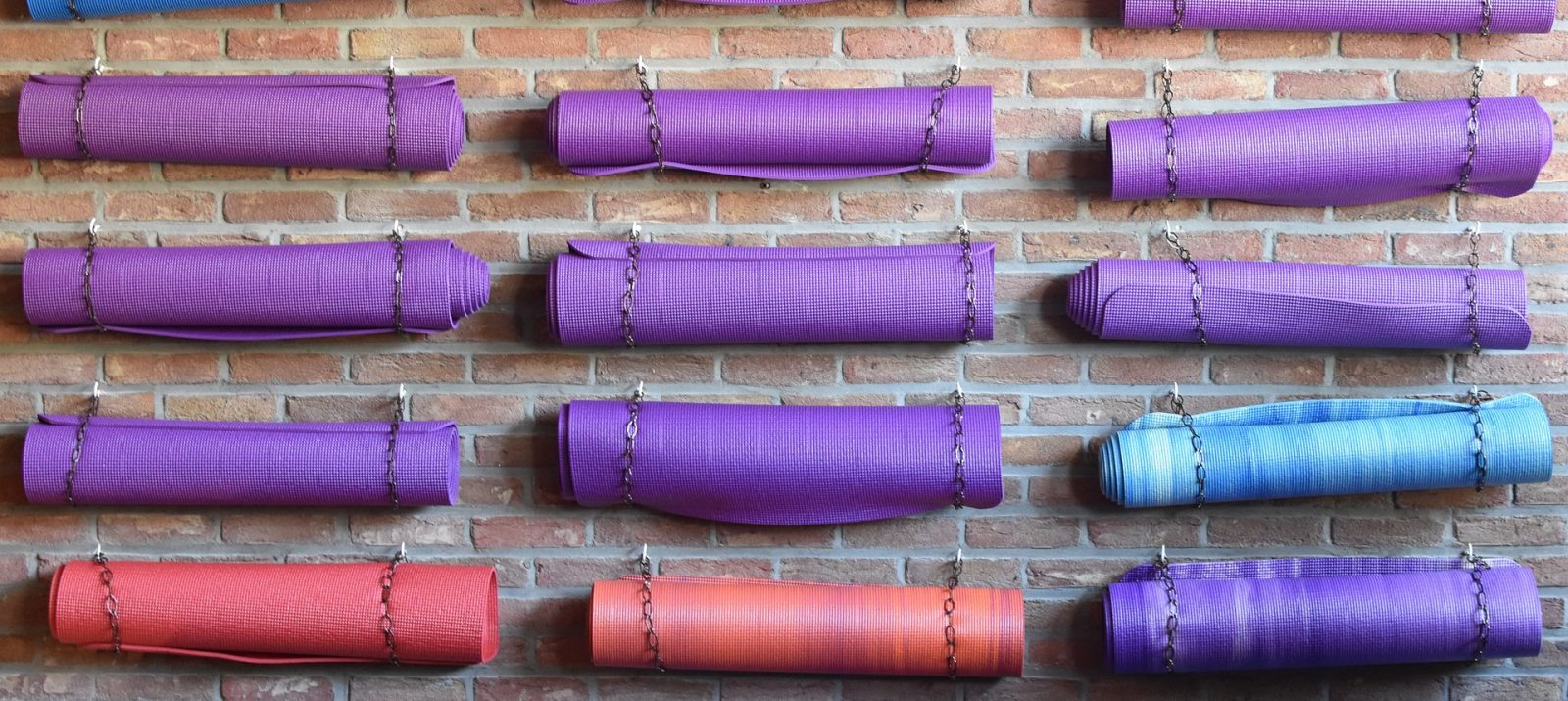
Image Source: www.clutter.com
The Importance of Yoga Mat Storage and Care
Your yoga mat is more than just a piece of equipment; it’s your dedicated space for movement, mindfulness, and well-being. Treating it with respect through proper storage and care can significantly extend its lifespan and enhance your practice. A clean, well-maintained mat provides better grip, which is vital for preventing slips and injuries during poses. Beyond functionality, a tidy storage solution contributes to a more peaceful and organized practice space, both at home and at a studio.
Why Proper Yoga Mat Storage Matters
- Prevents Damage: Exposure to direct sunlight, extreme temperatures, and harsh chemicals can degrade the material of your yoga mat, leading to cracking, peeling, or loss of grip.
- Maintains Hygiene: Storing your mat rolled up and protected can shield it from dust, dirt, and potential contaminants, contributing to better yoga mat cleaning practices.
- Extends Lifespan: Consistent proper yoga mat maintenance, including appropriate storage, ensures your mat remains supportive and functional for a longer period, saving you money in the long run.
- Enhances Practice: A mat with good grip and free from damage allows for a safer and more focused practice.
Best Yoga Mat Storage Solutions
Choosing the right yoga mat storage solution depends on your space, lifestyle, and the type of mat you own. Here are some popular and effective options for yoga mat storage:
1. The Classic Roll and Store
This is the most traditional and straightforward method. Rolling your mat correctly is key to preventing creases and damage.
- How to Roll:
- Lay your mat flat on the floor.
- Smooth out any wrinkles or folds.
- Start rolling from one end, keeping the roll tight and even.
- Once rolled, secure it with straps or place it in a yoga mat bag.
- Storage Options for Rolled Mats:
- Yoga Mat Bag: A dedicated yoga mat bag offers protection from the elements and keeps your mat clean and contained. They come in various materials, sizes, and styles. Some have extra pockets for your keys, phone, or water bottle.
- Straps or Ties: Simple Velcro straps or elastic ties can hold your mat securely when rolled. This is a minimalist approach, but it doesn’t offer much protection from dust.
- Standing Upright: Many yoga mat bags are designed to stand upright, making them easy to access.
2. Yoga Mat Racks and Shelves
For a more organized and aesthetically pleasing approach, consider a yoga mat rack or shelf. These are excellent yoga mat storage solutions, especially if you have multiple mats or want to keep your practice area tidy.
-
Freestanding Yoga Mat Racks:
- These are versatile and can be placed anywhere in your home.
- They typically feature multiple bars or slots to hold rolled yoga mats vertically.
- Some racks include additional shelves for yoga blocks, straps, or other accessories.
- Pros: Portable, good for multiple mats, keeps mats accessible.
- Cons: Can take up floor space, may require assembly.
-
Wall-Mounted Yoga Mat Holders:
- These are space-saving options that attach directly to your wall.
- They can be simple hooks, bars, or specialized racks designed to cradle your rolled mat.
- A yoga mat shelf can also be a great option, allowing you to store your rolled mat on top and perhaps other smaller items on the shelf itself.
- Pros: Saves floor space, keeps mats off the ground, can be a decorative element.
- Cons: Requires drilling into walls, placement is permanent.
3. Creative Yoga Mat Storage Solutions
- Decorative Baskets or Containers: For thicker or more rigid mats, or if you prefer a less visible storage method, a large decorative basket or a fabric bin can work well. Ensure the container is breathable to prevent moisture buildup.
- Pegboards: A pegboard with specialized hooks can be a customizable yoga mat holder. You can arrange hooks to hold your rolled mat, along with other yoga props.
- Under-Bed Storage: If floor space is a premium, a flat yoga mat bag or a carefully rolled mat can be stored under your bed.
Essential Yoga Mat Care and Maintenance
Proper yoga mat care goes beyond just storage; it involves regular cleaning and attention to the material.
How to Clean Yoga Mats
The frequency of yoga mat cleaning depends on how often you use it and the environment in which you practice. A general rule of thumb is to clean your mat after every few uses or at least once a week.
Gentle Cleaning Methods:
-
Mild Soap and Water:
- Mix a few drops of mild dish soap (like Dawn) with warm water in a spray bottle.
- Lightly mist your mat.
- Wipe the mat down with a clean cloth or sponge.
- Rinse the cloth with clean water and wipe the mat again to remove soap residue.
- Allow the mat to air dry completely before rolling or storing it. Never put your yoga mat in a washing machine or dryer, as this can damage the material.
-
Vinegar Solution:
- Vinegar is a natural disinfectant and deodorizer.
- Mix equal parts white vinegar and water in a spray bottle.
- Spray lightly onto the mat, wipe with a cloth, and let it air dry. This method can be effective for killing bacteria and neutralizing odors.
-
Specialized Yoga Mat Cleaners:
- Many brands offer specific yoga mat cleaning sprays. These are formulated to be safe for most mat materials and often contain essential oils for a pleasant scent.
- Always check the ingredients to ensure they are suitable for your mat type.
Deep Cleaning:
For a more thorough clean, you can use a slightly damp cloth with a gentle, diluted cleaning solution. Always ensure you rinse thoroughly and allow the mat to dry completely.
What to Avoid During Yoga Mat Cleaning:
- Harsh Chemicals: Bleach, abrasive cleaners, or solvents can break down the mat’s material and damage its grip.
- Excessive Water: Soaking your mat can lead to mildew and damage, especially for porous materials.
- Heat: Avoid direct sunlight for drying, as it can degrade the material. Never use a hairdryer or put your mat in a dryer.
- Scrubbing: Vigorous scrubbing can damage the surface texture of your mat.
Yoga Mat Maintenance Tips for Longevity
Consistent yoga mat maintenance will ensure your mat serves you well for a long time.
- Wipe Down After Each Use: Even a quick wipe with a dry cloth can remove sweat and oils, preventing buildup.
- Air Out Your Mat: After rolling or storing, allow your mat to breathe. If you can, unroll it for a few minutes after practice to let it dry completely and air out.
- Store Away from Direct Sunlight and Heat: As mentioned, these elements are detrimental to most yoga mat materials.
- Avoid Oils and Lotions: If you use body oils or lotions, consider wiping your mat down more frequently, as these can make the surface slippery.
- Check for Wear and Tear: Periodically inspect your mat for any signs of peeling, cracking, or excessive wear. If the grip is compromised, it might be time for a new mat.
Choosing the Right Yoga Mat Storage for Your Needs
Let’s break down which yoga mat storage solutions are best suited for different situations.
Table: Yoga Mat Storage Solutions Comparison
| Storage Solution | Best For | Pros | Cons |
|---|---|---|---|
| Yoga Mat Bag | Transporting, protecting, general use | Portability, protection, style variety | Can be an extra expense, may not fit all mats |
| Yoga Mat Rack | Home practice, studios, multiple mats | Organization, accessibility, space-saving (vertical) | Takes up floor or wall space, may require assembly |
| Yoga Mat Shelf | Home practice, aesthetic appeal | Combines storage and display, can hold accessories | Requires wall mounting, may not be ideal for thick mats |
| Straps/Ties | Minimalist, budget-conscious | Simple, inexpensive, keeps mat rolled | Offers no protection from dust or elements |
| Baskets/Containers | Thicker mats, those who prefer hidden storage | Conceals mat, can be decorative | Needs good ventilation, mat might be harder to access |
| Wall Hooks/Pegboards | Maximizing vertical space, DIY enthusiasts | Highly customizable, space-saving, neat appearance | Requires installation, can look cluttered if overdone |
Factors to Consider When Selecting Storage:
- Mat Material: Some materials, like natural rubber, may be more sensitive to prolonged exposure to air than others. PVC mats are generally more durable.
- Practice Frequency: If you practice daily, you’ll need a solution that makes your mat easily accessible and helps with quick clean-ups.
- Space Availability: Do you have floor space for a rack, or is wall mounting your only option?
- Portability: Do you need to transport your mat to a studio or gym? A yoga mat bag is essential for this.
- Aesthetics: Do you want your yoga mat storage to blend in or be a decorative feature?
Frequently Asked Questions About Yoga Mat Storage and Care
This section aims to address common queries regarding the upkeep of your yoga mat.
Q1: How often should I clean my yoga mat?
A: It’s recommended to wipe down your mat after every use to remove sweat and oils. A more thorough cleaning with a specialized cleaner or mild soap and water should be done at least once a week, or more frequently if you practice hot yoga or sweat a lot.
Q2: Can I wash my yoga mat in the washing machine?
A: No, generally you cannot wash most yoga mats in a washing machine. The agitation and heat can severely damage the mat’s material, compromising its grip and structure. Always check the manufacturer’s instructions, but hand washing is almost always the safest method.
Q3: What is the best way to dry my yoga mat?
A: Always air dry your yoga mat. Lay it flat or hang it over a drying rack, ensuring good airflow. Avoid direct sunlight or any heat sources, as these can degrade the material. Make sure it’s completely dry before rolling it up.
Q4: How do I prevent my yoga mat from smelling?
A: Regular cleaning is key. After each practice, wipe it down with a damp cloth. For odor control, a spray made with equal parts water and white vinegar can be effective. Essential oils like tea tree or lavender can also be added to your cleaning solution for a fresh scent, but use sparingly as they can make the mat slippery. Ensure the mat is fully dry after cleaning.
Q5: My yoga mat has developed a sticky residue. What can I do?
A: A sticky residue often means there’s a buildup of oils, sweat, or cleaning product. Try cleaning it with a solution of water and a very small amount of mild dish soap, ensuring you rinse thoroughly with a clean, damp cloth. If the residue persists, especially on newer mats, it might be a manufacturing defect or an incompatible cleaning agent was used.
Q6: What are the best mats for easy storage?
A: Thinner, more flexible mats are generally easier to roll and store. Travel yoga mats are specifically designed to be lightweight and compact for storage and transport. However, thicker mats might require larger storage solutions like sturdy racks or wide baskets.
Q7: How do I store my yoga mat if I don’t have much space?
A: If space is limited, consider wall-mounted yoga mat holders or hooks. Rolling your mat tightly and securing it with straps can also make it more compact. Some very thin mats can even be folded for storage, though this is not recommended for most standard mats as it can create permanent creases.
Q8: Is it okay to store my yoga mat rolled up all the time?
A: Yes, storing your yoga mat rolled is the standard and recommended practice. This helps maintain its shape and prevents creasing. Ensure the straps are not overly tight, which could put undue stress on the material over time.
Q9: What are the pros and cons of using a yoga mat bag versus a yoga mat strap?
A: A yoga mat bag offers superior protection from dust, moisture, and damage, and it’s convenient for transport. However, it’s an additional purchase and can be bulky. A yoga mat strap is a minimalist and inexpensive option that simply keeps the mat rolled, but offers no protection when not in use and can make the mat susceptible to dust and dirt accumulation.
Q10: Can I store my yoga mat outdoors?
A: No, it is strongly advised against storing your yoga mat outdoors. Exposure to varying temperatures, humidity, sunlight, and potential pests can quickly degrade the material, shortening its lifespan and compromising its functionality.
Conclusion: Prioritizing Your Practice Through Proper Mat Care
By implementing these simple yet effective yoga mat storage and care techniques, you can significantly enhance the longevity and performance of your yoga mat. From choosing the best yoga mat storage solutions like a sturdy yoga mat rack or a protective yoga mat bag, to mastering essential yoga mat cleaning and yoga mat maintenance, every step contributes to a more enjoyable and safer yoga practice. Remember, a well-cared-for mat is a testament to your commitment to your well-being. Invest a little time in its upkeep, and it will undoubtedly support your journey for years to come.