
Can you store a yoga mat rolled up? Yes, you can store a yoga mat rolled up. In fact, rolling it is the most common and often the best way to keep it in good condition.
Proper storage is key to extending the life of your yoga mat and ensuring it’s ready for your next practice. Keeping your yoga mat fresh and clean is part of excellent yoga mat care. This guide will walk you through everything you need to know to store your mat correctly, from choosing the best yoga mat storage solutions to simple tips for yoga mat maintenance. Let’s dive into how to keep your yoga mat in top shape for years to come.
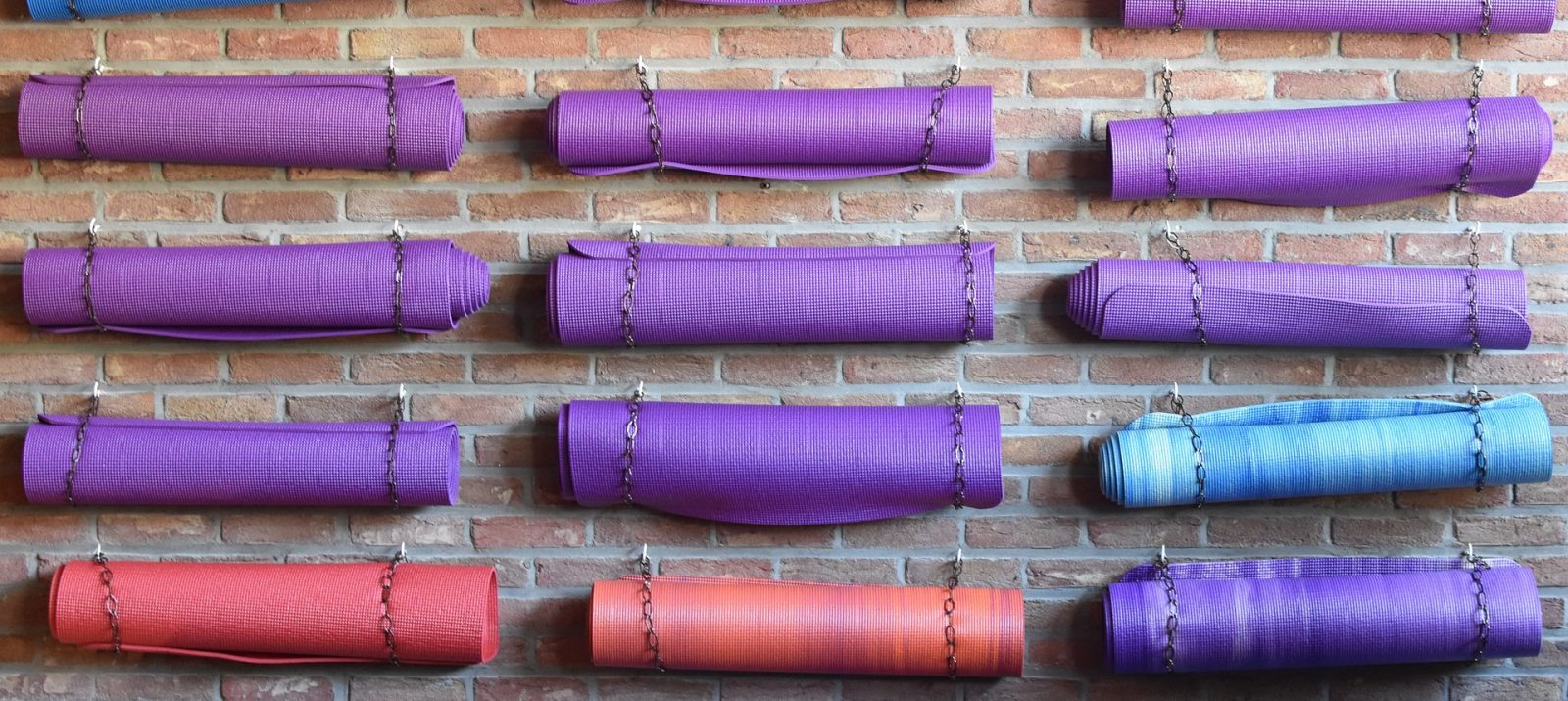
Image Source: www.clutter.com
Why Yoga Mat Storage Matters
Your yoga mat is more than just a piece of equipment; it’s your personal space for practice, your connection to the ground, and your support system during poses. Treating it with care through proper storage is crucial.
Preserving Grip and Texture
A mat’s grip is its most important feature. Improper storage can lead to the material flattening or degrading, which reduces its traction. Think of it like leaving a new sponge out in the sun – it loses its elasticity and texture. Storing your mat correctly helps maintain its natural state.
Preventing Damage and Wear
Exposure to direct sunlight, extreme temperatures, or being crushed under heavy objects can cause irreversible damage. UV rays can break down the mat’s material, making it brittle. Heat can warp it. Pressure can create permanent creases or damage the mat’s surface.
Maintaining Hygiene
A clean mat is a healthy mat. Proper storage often goes hand-in-hand with keeping your mat clean. If your mat is stored openly, it can collect dust, pet hair, or other debris, which you’ll then have to bring onto your skin during practice.
Extending Yoga Mat Longevity
Ultimately, good yoga mat care and storage directly impact how long your mat lasts. A well-maintained mat means you won’t have to replace it as often, saving you money and reducing waste. This contributes to yoga mat longevity.
The Art of Yoga Mat Rolling
Yoga mat rolling is a fundamental skill for storage. The way you roll your mat can affect its shape and how easily it stays rolled.
How to Roll Your Mat Correctly
- Start with a Clean Mat: Always ensure your mat is clean before rolling it up. We’ll cover yoga mat cleaning later, but a quick wipe-down can make a difference.
- Lay it Flat: Spread your mat out on a clean, flat surface. Make sure it’s free of any debris.
- Choose Your Direction: Most mats can be rolled from either the top or the bottom. Some materials might benefit from rolling a certain way, but for most, it doesn’t make a significant difference.
- Roll Tightly and Evenly: Begin rolling one edge of the mat towards the other. Try to keep the roll as tight and even as possible. This prevents air pockets and ensures the mat stays rolled neatly. Use your hands to guide the mat and keep it from buckling.
- Secure the Roll: Once rolled, you’ll need something to keep it from unrolling. This is where yoga mat accessories come in handy.
Common Rolling Mistakes to Avoid
- Rolling with the Top Side Inward: Some people prefer rolling with the sticky (top) side facing inward. This protects the surface and helps maintain grip. However, others find rolling with the top side outward prevents creases and makes it easier to unroll. Experiment to see what works best for your mat and preference.
- Rolling Too Loosely: A loose roll won’t stay put and can lead to a mat that’s always trying to uncurl.
- Forcing the Roll: If your mat is stubborn, don’t force it. This could damage the material.
Best Yoga Mat Storage Solutions
Once your mat is rolled, you need a place to keep it. The best yoga mat storage depends on your living space and how often you use your mat.
Yoga Mat Bags: Portability and Protection
A yoga mat bag is a popular choice for many yogis. It not only keeps your mat rolled but also protects it from dirt, dust, and the elements when you’re on the go.
Features to Look For in a Yoga Mat Bag:
- Material: Breathable fabrics like cotton or canvas are good for preventing moisture buildup. Water-resistant materials are useful if you practice outdoors or in humid conditions.
- Size: Ensure the bag is large enough to fit your rolled mat comfortably, with some extra space.
- Closure: Zippers, drawstrings, or velcro closures all work, but a secure closure prevents the mat from slipping out.
- Straps: Adjustable and comfortable shoulder straps are essential for easy carrying.
- Pockets: Extra pockets can be handy for storing keys, a phone, or a water bottle.
Types of Yoga Mat Bags:
- Sleeve Bags: These are simple, tubular bags that your mat slides into. They offer basic protection.
- Duffel Bags: These offer more space and often have multiple compartments, making them great for carrying all your yoga gear.
- Backpack-Style Bags: These distribute weight evenly and are ideal for longer commutes or travel.
Yoga Mat Holders: Display and Accessibility
If you practice at home frequently, a yoga mat holder can be a stylish and practical way to store your mat. These keep your mat accessible and can even serve as a decorative piece.
Wall Mounts: Maximizing Vertical Space
Wall-mounted holders are excellent for saving floor space.
- Simple Hooks or Pegs: These are basic but effective. You can slide the rolled mat onto a hook.
- Dedicated Mat Racks: These often feature slots or bars designed to hold multiple rolled mats. They can be made of wood, metal, or plastic.
- Shelf Brackets: Some yogis use sturdy shelf brackets to create a custom mat holder, sliding the rolled mat between two brackets mounted on the wall.
Floor Stands: Free-Standing Solutions
Floor stands offer a freestanding way to store your mat.
- Vertical Racks: Similar to wall racks, these stand on the floor and hold mats vertically.
- Hanger-Style Racks: These have arms or hooks on which you can hang your rolled mat.
Other Creative Storage Ideas
- Large Baskets or Totes: If your mat is clean and dry, you can store it upright in a large decorative basket or tote bag in a corner of your room.
- Decorative Ladder: A decorative wooden ladder can be a chic way to display and store multiple rolled mats.
- Pegboards: For a more industrial or DIY look, a pegboard with hooks can be customized to hold your rolled mat.
The Importance of Yoga Mat Cleaning
Regular yoga mat cleaning is non-negotiable for hygiene and yoga mat longevity. A clean mat not only feels better but also prevents the buildup of bacteria and odors.
How Often Should You Clean Your Mat?
- After Every Practice: A quick wipe-down with a damp cloth or a gentle mat spray is recommended after each session, especially if you sweat a lot.
- Weekly Deep Clean: A more thorough cleaning once a week or every two weeks is ideal.
- Monthly or Bi-Monthly Wash: Depending on usage and how easily your mat gets dirty, a more intensive wash might be needed monthly or bi-monthly.
Gentle Cleaning Methods
- Mild Soap and Water: Mix a few drops of mild, eco-friendly dish soap or castile soap with warm water in a spray bottle. Lightly spray your mat and wipe it down with a clean cloth. Rinse the cloth and wipe again to remove soap residue.
- Vinegar Solution: For tougher grime or odors, a solution of equal parts white vinegar and water can be effective. Vinegar has natural antibacterial properties. Again, spray lightly and wipe down.
- Specialized Yoga Mat Cleaners: Many brands offer specially formulated mat cleaners. These are often convenient but check the ingredients to ensure they are suitable for your mat material.
Cleaning Different Mat Materials
- TPE, PVC, and Rubber Mats: These are generally durable and can withstand most gentle cleaning methods. Avoid harsh chemicals or abrasive scrubbers, which can damage the surface.
- Cork Mats: Cork is naturally antimicrobial and antibacterial. Usually, a simple wipe with a damp cloth is sufficient. Avoid soaking cork mats.
- Jute Mats: Jute is a natural fiber and can be sensitive to excessive moisture. Wipe with a damp cloth and allow to air dry completely.
Drying Your Mat Properly
This is a critical step in yoga mat care.
- Wipe Away Excess Moisture: After cleaning, use a dry, clean towel to absorb as much moisture as possible.
- Air Dry Completely: Hang your mat over a drying rack, shower rod, or railing. Ensure good air circulation. Never put your yoga mat in a clothes dryer, as the heat will likely damage it.
- Avoid Direct Sunlight: While air drying is essential, avoid drying your mat in direct sunlight for extended periods, as this can degrade the material over time.
Yoga Mat Maintenance Tips for Lasting Performance
Beyond cleaning and storage, a few extra steps can boost your mat’s performance and lifespan.
Conditioning Your Mat (For Certain Materials)
Some mat materials, particularly natural rubber or those prone to drying out, can benefit from occasional conditioning.
- Natural Rubber: A light application of natural rubber conditioner or a diluted coconut oil spray can help keep the material supple. Test in an inconspicuous area first.
- Avoid Oils on TPE/PVC: Most TPE and PVC mats do not require oiling and can actually be damaged by them. Always check your mat’s manufacturer recommendations.
Protecting Your Mat from the Elements
- Avoid Extreme Temperatures: Don’t leave your mat in a hot car or a freezing garage for extended periods.
- Keep Away from Direct Sunlight: As mentioned, UV rays are detrimental to most mat materials.
- Store Away from Moisture: While you need to dry your mat thoroughly after cleaning, long-term storage in damp environments can lead to mold or mildew.
Inspecting for Wear and Tear
Periodically check your mat for signs of wear, such as:
- Cracking or Peeling: Especially common on older PVC mats.
- Loss of Grip: If your mat feels unusually slippery, even after cleaning, the material may be degrading.
- Tears or Holes: Small tears can worsen over time.
Choosing the Right Yoga Mat Accessories
Yoga mat accessories can enhance your practice and help with storage and care.
Straps and Ties
- Simple Straps: These are often included with mats or can be purchased separately. They loop around the rolled mat to keep it secure.
- Velcro Straps: Easy to use and adjust.
- Bungee Straps: Offer a bit more elasticity.
Mat Carriers
These are essentially bags or slings designed to carry your mat. They range from simple straps to fully enclosed bags.
Mat Sprays
While not strictly storage accessories, good mat sprays help with cleaning and keeping your mat fresh between washes.
Frequently Asked Questions About Yoga Mat Storage
Q1: Can I store my yoga mat flat?
A: Yes, you can store your yoga mat flat, but it’s generally not recommended for long-term storage. If stored flat, especially if it’s heavy or something is placed on top of it, it can develop creases that are hard to remove. Rolling your mat helps maintain its shape and prevents such damage. If you must store it flat for a short period, ensure nothing is placed on top of it.
Q2: Does rolling my mat the wrong way damage it?
A: For most modern yoga mats made from TPE, PVC, or rubber blends, the direction of the roll usually doesn’t cause significant damage. However, some delicate materials or mats with specific textures might be better suited to rolling in a particular direction to preserve their grip or prevent creases. It’s always best to check the manufacturer’s guidelines. If you notice persistent issues with creases or the mat not lying flat, try rolling it the other way.
Q3: How do I keep my yoga mat from smelling bad?
A: Keeping your yoga mat fresh is a common concern. Regular cleaning after sweaty practices is the first step. Use a gentle mat cleaner or a vinegar-water solution. Ensure the mat dries completely before rolling and storing it. Storing your mat in a breathable yoga mat bag or holder, rather than sealed in plastic, also helps air circulate. Some people also place a sachet of baking soda or dried lavender inside the rolled mat for a short period to absorb odors.
Q4: Can I store my yoga mat outdoors?
A: It is generally not advisable to store your yoga mat outdoors. Exposure to direct sunlight (UV rays), extreme temperatures (heat and cold), moisture, and dust can significantly degrade the mat’s material, causing it to crack, lose its grip, and shorten its lifespan considerably. Always store your mat in a cool, dry, indoor location.
Q5: What is the best way to store a sticky yoga mat?
A: The best way to store a sticky yoga mat is rolled up, with the sticky side facing inwards. This protects the sticky surface from collecting dust and debris and helps preserve its grip. Secure the roll with a yoga mat strap or place it in a breathable yoga mat bag. Avoid folding your mat, as this can create permanent creases that diminish its performance.
Q6: How often should I deep clean my yoga mat?
A: The frequency of deep cleaning depends on how often you practice and how much you sweat. For daily practitioners, a deep clean every 1-2 weeks is generally recommended. For less frequent users, monthly deep cleaning might suffice. Always perform a quick wipe-down after each practice, especially if you sweat.
Q7: Are yoga mat bags really necessary?
A: Yoga mat bags aren’t strictly necessary for the mat’s function, but they are highly recommended for protecting your mat from dirt, dust, and damage, especially when transporting it. They also help keep the mat rolled neatly. If you only practice at home and your mat stays in a clean, designated spot, a bag might be less critical, but it still aids in keeping it dust-free.
Q8: What should I do if my yoga mat won’t stay rolled?
A: If your yoga mat won’t stay rolled, it might be too thin, too old and has lost its elasticity, or you might not be rolling it tightly enough. Try rolling it tighter, ensuring there are no air pockets. If that doesn’t work, use a good quality yoga mat strap or velcro ties to secure it firmly. Some newer, thicker mats can also be a bit stubborn to stay rolled initially, but they often relax over time.
Conclusion
Mastering the art of yoga mat care and proper storage is an investment in your practice. By following these guidelines, you can ensure your yoga mat remains a reliable and comfortable companion for many years to come. Remember to roll it correctly, choose suitable yoga mat storage, clean it regularly, and protect it from the elements. This dedication to yoga mat maintenance will not only prolong your mat’s yoga mat longevity but also enhance your overall yoga experience, keeping your mat fresh and ready for every pose.