
Can you open a fitness studio with a small budget? Yes, it’s possible to start a fitness studio with a smaller budget, especially if you focus on a specific niche and manage your startup costs wisely. This guide will walk you through the essential steps to launch your own successful fitness studio.
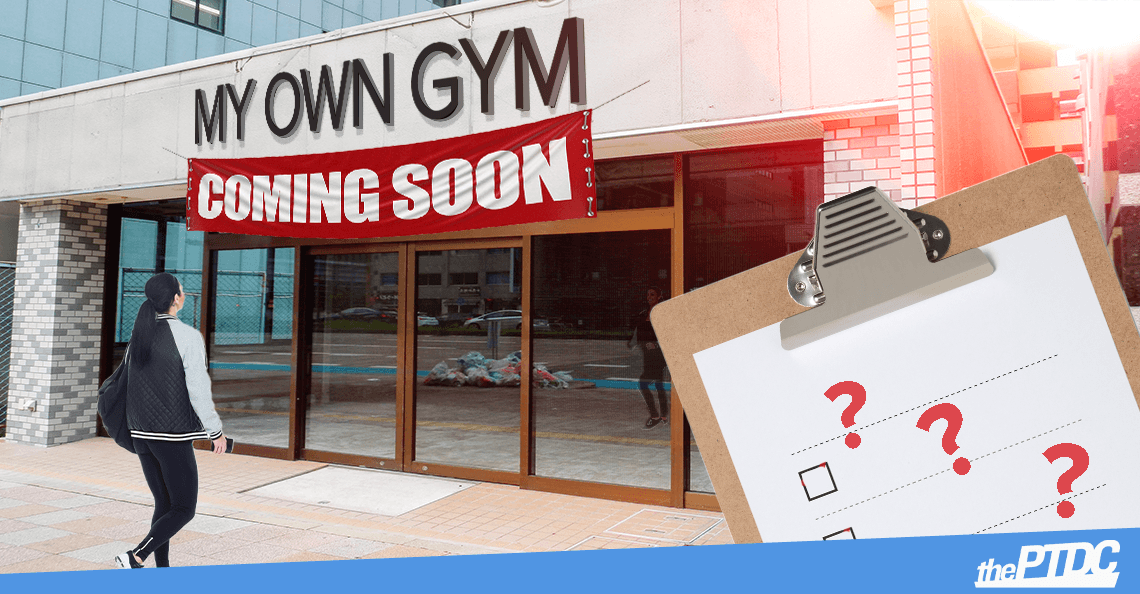
Image Source: www.theptdc.com
Laying the Groundwork: Your Fitness Studio Business Plan
Before you even think about buying equipment or signing a lease, you need a solid fitness studio business plan. This document is your roadmap to success. It helps you think through every aspect of your business and presents a clear vision to potential investors or lenders.
Defining Your Vision and Mission
What kind of fitness studio do you want to create? What are your core values? Your vision statement should be inspiring, while your mission statement should outline what you do and for whom. For example:
- Vision: To be the leading community hub for holistic wellness in our city.
- Mission: We empower individuals to achieve their health and fitness goals through personalized training, supportive community, and accessible wellness practices.
Identifying Your Target Audience and Niche
Who are you serving? Knowing your ideal client is crucial. Are you targeting busy professionals, new mothers, seniors, or elite athletes? Your fitness studio niche will significantly influence your offerings, marketing, and pricing.
Consider these niche possibilities:
- Yoga Studio: Focusing on various yoga styles (Vinyasa, Hatha, Restorative).
- Pilates Studio: Emphasizing core strength and flexibility.
- HIIT Studio: Offering high-intensity interval training classes.
- Barre Studio: Combining ballet, Pilates, and yoga for a full-body workout.
- Functional Fitness Studio: Concentrating on movements that mimic real-life activities.
- Specialty Fitness: Such as boxing, martial arts, or dance fitness.
Market Research and Competitive Analysis
Investigate your local market. Who are your competitors? What are they offering? What are their strengths and weaknesses? How can you differentiate yourself?
- Analyze competitor pricing: What do they charge for classes and memberships?
- Evaluate their facilities: What equipment do they have? What’s the atmosphere like?
- Read customer reviews: What do people like and dislike about their services?
Financial Projections
This is a critical part of your fitness studio business plan. You need to estimate your startup costs, operating expenses, and projected revenue.
Fitness Studio Startup Costs
These are the initial expenses you’ll incur to get your studio up and running.
| Expense Category | Estimated Cost Range | Notes |
|---|---|---|
| Leasehold Improvements | $5,000 – $50,000+ | Renovations, painting, flooring, creating distinct workout spaces. |
| Fitness Studio Equipment | $10,000 – $100,000+ | Cardio machines, weights, mats, resistance bands, specialized equipment. |
| Rent Deposit & First Month | $2,000 – $10,000+ | Varies greatly by location and size. |
| Licensing & Permits | $500 – $2,000 | Business license, health permits, zoning compliance. |
| Insurance | $1,000 – $5,000 | General liability, professional liability, property insurance. |
| Marketing & Branding | $1,000 – $10,000 | Website development, logo design, initial advertising. |
| Legal & Accounting Fees | $1,000 – $5,000 | Business formation, contract review. |
| Initial Inventory | $500 – $3,000 | Water, towels, cleaning supplies, retail items (optional). |
| Software & Technology | $500 – $3,000 | Booking system, POS system, accounting software. |
| Working Capital | $10,000 – $30,000+ | Funds to cover expenses until revenue is consistent. |
- Equipment Acquisition: Investing in quality fitness studio equipment is essential. You can explore options like buying new, used, or leasing to manage initial costs.
- Operating Expenses: This includes rent, utilities, staff salaries, marketing, insurance, and ongoing maintenance.
- Revenue Streams: How will you make money? Consider class fees, personal training, workshops, merchandise sales, and potentially nutrition coaching.
Securing Your Location and Setting Up
Finding the right space is paramount for opening a gym or fitness studio.
Location, Location, Location
Consider:
- Visibility and Accessibility: Is it easy for your target audience to find and reach?
- Parking: Ample and convenient parking is a major plus.
- Foot Traffic: High foot traffic areas can increase spontaneous visits.
- Demographics: Does the area’s population match your target client profile?
- Proximity to Complementary Businesses: Think about businesses that attract similar clientele (e.g., health food stores, activewear retailers).
Leasehold Improvements and Design
Once you have a location, you’ll need to make it work for your fitness studio operations.
- Layout: Design a functional flow for your studio. This includes reception area, workout spaces, changing rooms, and restrooms.
- Ambiance: The look and feel of your studio are crucial. Consider lighting, music, color schemes, and overall cleanliness to create an inviting atmosphere.
- Equipment Placement: Arrange your fitness studio equipment for optimal use and safety. Ensure enough space between machines for movement.
Fitness Studio Equipment Essentials
The type of equipment you need will depend on your chosen niche. However, some basics are often required:
- Cardio Equipment: Treadmills, ellipticals, stationary bikes, rowers.
- Strength Training Equipment: Dumbbells, barbells, weight plates, resistance machines, kettlebells.
- Functional Training Gear: Kettlebells, medicine balls, resistance bands, agility ladders, battle ropes.
- Matting and Flooring: Durable, shock-absorbent flooring is essential for comfort and safety.
- Ancillary Items: Yoga mats, blocks, straps, stability balls, foam rollers, cleaning supplies.
Tip: Start with essential equipment and expand as your business grows and revenue allows.
Navigating Fitness Studio Legal Requirements
Compliance with legal regulations is non-negotiable.
Business Structure and Registration
Choose a legal structure for your business (sole proprietorship, partnership, LLC, S-corp). Register your business name and obtain an Employer Identification Number (EIN) from the IRS if necessary.
Licenses and Permits
You’ll likely need various licenses and permits to operate legally:
- Business License: Issued by your local city or county.
- Zoning Permits: Ensuring your location is approved for commercial use.
- Health and Safety Permits: Especially if you offer services like massage or nutrition advice.
- Occupancy Permits: Confirming your space meets safety standards.
Insurance Coverage
Adequate insurance protects you from financial losses due to accidents, injuries, or property damage. Key insurance types include:
- General Liability Insurance: Covers bodily injury and property damage.
- Professional Liability Insurance (Errors & Omissions): Protects against claims of negligence related to your services.
- Property Insurance: Covers your building and its contents against damage or theft.
- Workers’ Compensation Insurance: If you have employees, this covers medical expenses and lost wages for work-related injuries.
Contracts and Waivers
- Client Waivers: Essential to protect you from liability in case of injury. Consult with a lawyer to ensure your waivers are legally sound.
- Employment Contracts: For any staff you hire.
- Independent Contractor Agreements: If you work with freelance instructors.
Crafting Your Fitness Studio Membership Models
How will your clients pay for your services? Offering flexible fitness studio membership models can attract a wider audience.
Membership Tiers
- Unlimited Access: Full access to all classes and amenities for a monthly fee.
- Class Packages: Bundles of classes (e.g., 5, 10, or 20 classes) at a discounted rate.
- Drop-In Rates: For clients who prefer to pay per class.
- Personal Training Packages: Offering one-on-one sessions.
- Specialty Programs: Short-term programs like bootcamps or challenges.
Pricing Strategies
- Value-Based Pricing: Based on the perceived value your services offer.
- Competitive Pricing: Aligning your prices with competitors.
- Cost-Plus Pricing: Calculating your costs and adding a profit margin.
Consider offering:
- Introductory Offers: Discounts for new clients.
- Student/Senior Discounts: To cater to specific demographics.
- Family Plans: For multiple members of a household.
Mastering Fitness Studio Marketing
You can have the best studio in the world, but if no one knows about it, you won’t have clients. Effective fitness studio marketing is key.
Building Your Brand Identity
- Logo and Visuals: A professional and memorable logo, consistent color palette, and fonts.
- Brand Voice: How you communicate with your audience (e.g., encouraging, expert, friendly).
Online Presence
- Website: Your digital storefront. It should be professional, mobile-friendly, and include class schedules, pricing, instructor bios, and easy booking.
- Social Media: Platforms like Instagram, Facebook, and TikTok are vital for showcasing your studio, sharing workout tips, engaging with clients, and running targeted ads.
- Content Ideas: Behind-the-scenes glimpses, client testimonials, instructor spotlights, fitness challenges, healthy recipes.
- Search Engine Optimization (SEO): Optimize your website and online content so people searching for “fitness studios near me” can find you.
- Email Marketing: Build an email list and send out newsletters, promotions, and class updates.
Local Marketing Strategies
- Grand Opening Event: Generate buzz and attract initial clients.
- Partnerships: Collaborate with local businesses (e.g., health food stores, chiropractors, athletic apparel shops) for cross-promotion.
- Community Involvement: Sponsor local events or offer free community classes.
- Flyers and Posters: Distribute them in high-traffic local areas.
- Local SEO: Ensure your Google My Business profile is complete and optimized.
Referral Programs
Encourage existing clients to bring in new ones by offering incentives for referrals.
Streamlining Fitness Studio Operations
Efficient operations are crucial for smooth day-to-day running and customer satisfaction.
Staffing and Training
- Hiring: Recruit qualified and passionate instructors and potentially administrative staff.
- Training: Ensure staff are well-versed in your studio’s philosophy, safety protocols, and customer service standards.
- Scheduling: Create effective class schedules that cater to your clients’ availability and instructor preferences.
Client Management and Booking Systems
Invest in a reliable studio management software that can handle:
- Class Scheduling: Allow clients to book classes online.
- Membership Management: Track client memberships, payments, and attendance.
- Payment Processing: Securely handle transactions.
- Customer Relationship Management (CRM): Keep client information organized.
Facility Maintenance and Cleanliness
A clean and well-maintained studio is a reflection of your professionalism.
- Daily Cleaning: Wiping down equipment, sweeping/mopping floors, cleaning restrooms.
- Regular Deep Cleaning: Addressing all areas of the studio thoroughly.
- Equipment Maintenance: Regularly inspect and maintain your fitness studio equipment to ensure it’s in good working order and safe for use.
Factors for Fitness Studio Success
Achieving long-term fitness studio success requires more than just opening your doors.
Exceptional Customer Service
- Personalized Attention: Make clients feel valued and remembered.
- Positive Atmosphere: Create an encouraging and motivating environment.
- Responsiveness: Address client inquiries and concerns promptly and professionally.
Adaptability and Innovation
The fitness industry is constantly evolving. Stay informed about new trends, equipment, and training methodologies. Be willing to adapt your offerings to meet changing client demands.
Community Building
Foster a sense of belonging among your clients. This can be achieved through social events, challenges, and creating opportunities for clients to connect with each other. A strong community often leads to higher client retention.
Financial Prudence
- Budget Management: Stick to your budget and track your expenses diligently.
- Cash Flow Management: Ensure you have enough cash on hand to cover your operating costs.
- Reinvestment: Reinvest profits back into your business to improve facilities, acquire new equipment, or expand services.
Continuous Learning and Development
Encourage your staff, including yourself, to participate in ongoing education and certifications to stay at the forefront of fitness expertise.
Frequently Asked Questions (FAQ)
Q1: How much money do I need to start a fitness studio?
A1: Fitness studio startup costs can range significantly, from $10,000 to over $100,000. This depends on factors like location, size, the type of equipment you buy, and whether you lease or buy your space. It’s crucial to develop a detailed fitness studio business plan to accurately estimate your needs.
Q2: What is the most important factor for fitness studio success?
A2: While many factors contribute, exceptional customer service, a strong brand identity, and effective fitness studio marketing are often cited as the most crucial for long-term fitness studio success. Building a loyal community and providing a positive client experience are paramount.
Q3: Can I start opening a gym with minimal equipment?
A3: Yes, especially if you’re focusing on a niche like yoga, Pilates, or bodyweight training, you can start with more minimal fitness studio equipment. Focus on quality over quantity and consider leasing some items initially. As your revenue grows, you can expand your equipment offerings.
Q4: How do I choose my fitness studio niche?
A4: Your fitness studio niche should ideally be a combination of your passion, your expertise, and a market demand that isn’t oversaturated. Research your local area, identify gaps in the market, and consider what unique offerings you can provide.
Q5: What are the essential fitness studio legal requirements?
A5: Key fitness studio legal requirements include obtaining the appropriate business licenses and permits, securing adequate insurance (general liability, professional liability), and having clients sign liability waivers. It’s always advisable to consult with a legal professional to ensure full compliance.
Q6: What are some effective fitness studio marketing strategies?
A6: Effective fitness studio marketing involves a strong online presence (website, social media), local outreach (partnerships, community events), referral programs, and targeted advertising. Consistent branding and engaging content are vital for attracting and retaining clients.
Q7: What types of fitness studio membership models are common?
A7: Common fitness studio membership models include unlimited monthly memberships, class packages (e.g., 10-class passes), drop-in rates, personal training packages, and short-term program memberships (like bootcamps). Offering variety caters to different client needs and budgets.
Q8: How important is fitness studio operations management?
A8: Efficient fitness studio operations management is critical for smooth day-to-day running, client satisfaction, and profitability. This includes effective staff management, streamlined booking and payment systems, and meticulous facility maintenance and cleanliness.
By following this blueprint, you’ll be well on your way to launching a thriving fitness studio that makes a positive impact on your community. Remember, dedication, passion, and a commitment to your clients are the ultimate ingredients for success.