Thinking about launching a fitness blog? Yes, you absolutely can start a fitness blog, and it’s an exciting journey into sharing your passion for health and wellness with the world. This comprehensive guide will provide you with a clear roadmap, breaking down every step from initial concept to ongoing success.
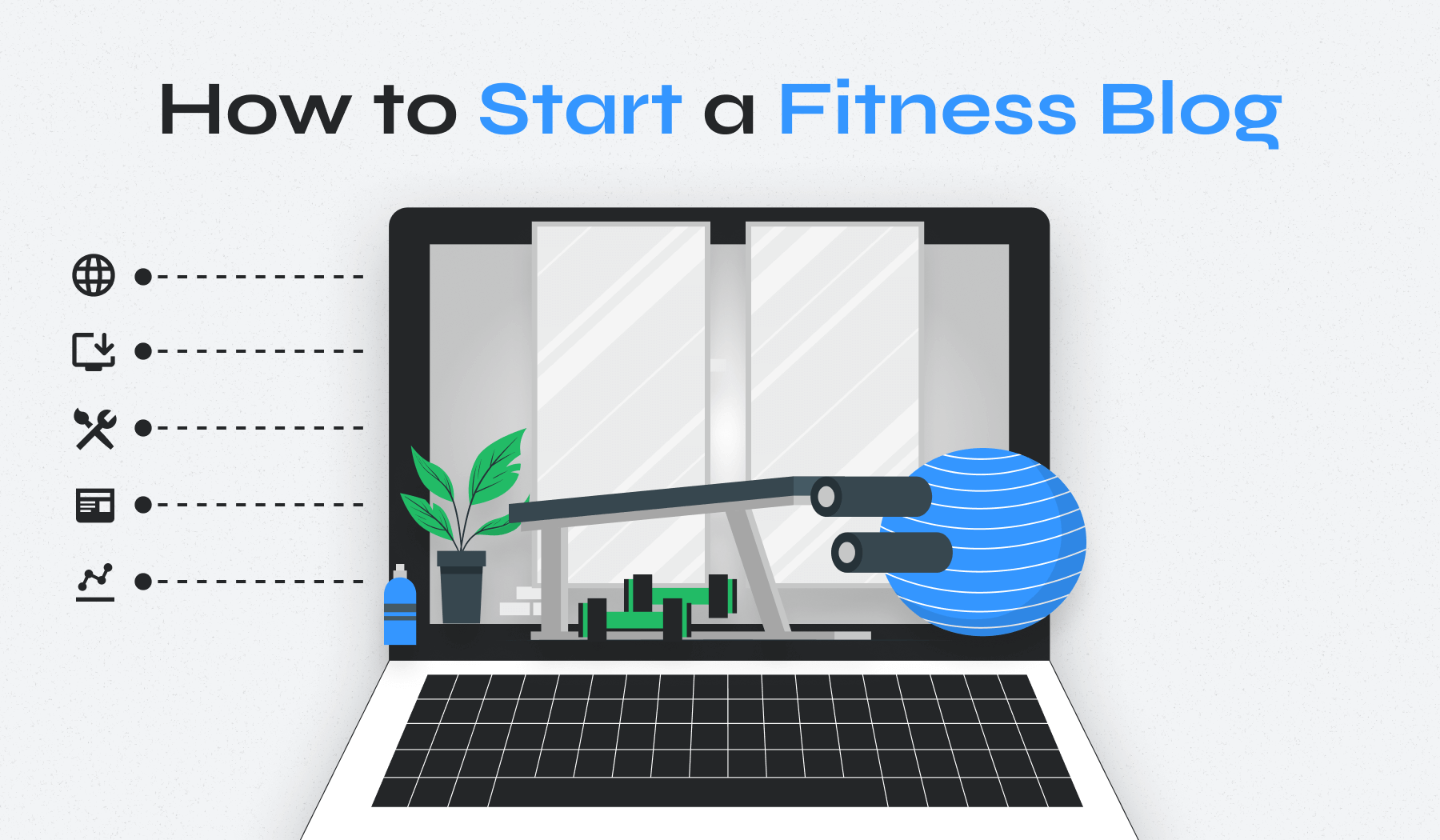
Image Source: www.wpzoom.com
Discovering Your Fitness Blog Niche
The first crucial step in creating a thriving fitness blog is identifying your fitness blog niche. This is your special corner of the internet, the specific area of fitness you’ll focus on. Trying to cover everything can dilute your message and make it hard to stand out. Think about what truly excites you and where your expertise or unique perspective lies.
Identifying Your Passion and Expertise
What aspects of fitness do you love?
- Weightlifting: Are you passionate about strength training, powerlifting, or bodybuilding?
- Running: Do you enjoy marathons, trail running, or sprint training?
- Yoga & Pilates: Is flexibility, core strength, and mindful movement your jam?
- Nutrition: Are you a whiz at healthy recipes, meal prepping, or sports nutrition?
- Holistic Wellness: Do you believe in the connection between mind, body, and spirit, incorporating elements like meditation and stress management?
- Specific Demographics: Do you want to help busy moms get fit, seniors stay active, or athletes improve performance?
- Beginner-Friendly: Are you great at explaining complex concepts in simple terms for those just starting?
- Advanced Training: Do you have insights for experienced athletes looking to break plateaus?
Researching the Market
Once you have a few ideas, it’s time to see what’s already out there.
- Google Search: Type in keywords related to your potential niches. See what other blogs come up.
- Social Media: Explore hashtags on platforms like Instagram, TikTok, and Pinterest. What kind of content is popular?
- Competitor Analysis: Look at established fitness blogs. What topics do they cover? How do they engage their audience? Don’t aim to copy, but to learn and find gaps.
Choosing Your Unique Angle
Even if a niche is popular, you can still find your voice.
- Personal Story: Your own journey to fitness can be incredibly inspiring.
- Specific Methodology: Do you have a particular workout routine or philosophy?
- Problem-Solving: What common fitness problems can you help your audience solve?
- Humor and Personality: Injecting your personality makes your blog relatable.
Building Your Fitness Blog: The Essentials
Now that you’ve defined your niche, it’s time to get down to the nitty-gritty of building your blog. These are the fitness blog essentials you’ll need to get started.
Selecting Your Fitness Blog Platform
Choosing the right fitness blog platform is vital for ease of use, scalability, and control.
- WordPress.org (Self-Hosted): This is the most popular and recommended option for serious bloggers. It offers maximum flexibility, control, and access to thousands of plugins and themes. You’ll need to purchase hosting and a domain name.
- Pros: Complete control, endless customization, excellent for SEO, scalable.
- Cons: Requires a small investment for hosting and domain, a slight learning curve.
- WordPress.com: A hosted version of WordPress. It’s easier to set up but has limitations on customization and monetization in its free plans.
- Pros: Easy to start, hosting included.
- Cons: Less control, restricted themes and plugins, monetization limits.
- Blogger: A free platform owned by Google. It’s simple to use but offers limited customization and fewer advanced features.
- Pros: Free, easy to use.
- Cons: Limited customization, fewer features, not as professional-looking.
- Squarespace/Wix: These are website builders that offer drag-and-drop interfaces. They are visually appealing but can be less flexible for advanced blogging features compared to WordPress.org.
- Pros: User-friendly, beautiful templates.
- Cons: Can be more expensive, less control over SEO, limited plugin ecosystem.
Recommendation: For long-term growth and flexibility, WordPress.org is the way to go.
Securing a Domain Name and Hosting
Your domain name is your blog’s address on the internet (e.g., yourfitnessblog.com). Hosting is where your blog’s files live.
- Domain Name Tips:
- Keep it relevant to your niche.
- Make it memorable and easy to spell.
- Aim for a .com extension if possible.
- Check for availability on domain registrars like GoDaddy, Namecheap, or directly through your hosting provider.
- Hosting Providers:
- Bluehost: Often recommended for beginners, user-friendly and affordable.
- SiteGround: Known for excellent speed and customer support.
- WP Engine: A premium managed WordPress host for those prioritizing performance and security.
Designing Your Fitness Blog
Fitness blog design is about creating a visually appealing, user-friendly, and on-brand experience for your visitors.
Choosing a Theme
Your theme dictates the look and feel of your blog.
- Free Themes: Available through WordPress.org. Good for starting but may lack features.
- Premium Themes: Purchased from marketplaces like ThemeForest, Elegant Themes, or directly from theme developers. Offer more features, customization, and support.
- Look for: Responsiveness (works on all devices), clean layout, good user experience, compatibility with your chosen plugins.
Essential Pages
Every blog needs some core pages:
- Homepage: Your blog’s front door. Should clearly communicate what your blog is about and guide visitors.
- About Page: Share your story, your mission, and why you’re passionate about fitness. Connect with your audience on a personal level.
- Contact Page: Provide a way for readers and potential collaborators to get in touch.
- Blog Page: Where all your posts will be listed.
- Privacy Policy & Disclaimer: Essential for legal compliance, especially if you’re offering advice or monetizing.
Branding Your Blog
Consistency is key to building a recognizable brand.
- Logo: Create a simple, memorable logo.
- Color Palette: Choose a few colors that reflect your niche (e.g., vibrant colors for energy, calm colors for yoga).
- Font Choices: Select readable fonts for your headings and body text.
Crafting Compelling Fitness Blog Content
The heart of your fitness blog is the fitness blog content ideas. High-quality, engaging content will attract readers and keep them coming back.
Brainstorming Content Ideas
Think about what your target audience wants to know.
Fitness Blog Content Ideas Table:
| Content Type | Examples |
|---|---|
| Workout Guides | Full-body beginner workout, HIIT routine for weight loss, strength training for runners. |
| Exercise Tutorials | How to do a perfect squat, proper deadlift form, yoga poses for back pain. |
| Nutrition Advice | Healthy meal prep ideas, post-workout nutrition, debunking diet myths, healthy snack recipes. |
| Health & Wellness | Benefits of sleep for fitness, stress management techniques, mindfulness exercises, injury prevention. |
| Product Reviews | Best running shoes, fitness trackers, protein powders, home gym equipment. |
| Personal Stories | My fitness journey, overcoming challenges, lessons learned from training. |
| Interviews | Q&A with a personal trainer, nutritionist, or athlete. |
| Challenges | 30-day squat challenge, 7-day healthy eating challenge. |
| Myth-Busting | Debunking common fitness myths, clearing up confusion about carbs or supplements. |
| Beginner’s Guides | Your first 5k, how to start lifting weights, beginner’s guide to yoga. |
Creating High-Quality Content
- Provide Value: Offer actionable advice, practical tips, and solutions to problems.
- Be Accurate: Ensure your fitness and nutrition information is evidence-based and up-to-date.
- Use Visuals: Incorporate high-quality images, infographics, and videos to break up text and illustrate your points.
- Write Engagingly: Use a conversational tone, tell stories, and connect with your readers.
- Be Consistent: Aim for a regular publishing schedule.
Leveraging Different Content Formats
- Blog Posts: The cornerstone of your content.
- Videos: Demonstrating exercises, sharing workout routines, or conducting interviews.
- Infographics: Visually presenting data or complex information.
- Podcasts: For audio content, interviews, or discussions.
- Social Media Posts: Snippets of your blog content, behind-the-scenes glimpses.
Promoting Your Fitness Blog and Reaching Your Audience
Creating great content is only half the battle; you need to get it in front of your fitness blog audience. This is where fitness blog promotion comes in.
Search Engine Optimization (SEO)
Fitness blog SEO is crucial for driving organic traffic from search engines like Google.
Keyword Research
- Use tools like Google Keyword Planner, Ahrefs, or SEMrush to find terms people are searching for related to your niche.
- Target long-tail keywords (more specific phrases) as they often have less competition and higher intent.
On-Page SEO
- Title Tags & Meta Descriptions: Optimize these for your target keywords.
- Header Tags (H1, H2, H3): Structure your content logically.
- Keyword Integration: Naturally weave your keywords into your content.
- Image Optimization: Use descriptive alt text for your images.
- Internal Linking: Link to other relevant posts on your blog.
- Mobile-Friendliness: Ensure your blog looks and functions well on smartphones and tablets.
Off-Page SEO
- Backlinks: Get other reputable websites to link to your content. This can be done through guest posting, outreach, or creating shareable content.
Social Media Marketing
- Choose Relevant Platforms: Focus on platforms where your fitness blog audience hangs out (Instagram, Facebook, Pinterest, TikTok, YouTube).
- Share Your Content: Promote your blog posts, videos, and other updates.
- Engage with Your Audience: Respond to comments, answer questions, and participate in conversations.
- Use Relevant Hashtags: Increase discoverability.
- Run Contests and Giveaways: To boost engagement.
Email Marketing
- Build an Email List: Offer a valuable freebie (e.g., a workout plan, a recipe guide) in exchange for email addresses.
- Send Regular Newsletters: Share your latest blog posts, exclusive tips, and updates.
- Segment Your List: Send targeted content based on subscriber interests.
Building a Community
- Respond to Comments: Foster discussion on your blog and social media.
- Create a Facebook Group: A dedicated space for your readers to connect.
- Host Q&A Sessions: Live sessions on social media or via webinars.
Monetizing Your Fitness Blog
Once you have a steady stream of traffic and an engaged audience, you can start thinking about fitness blog monetization.
Common Monetization Strategies
- Affiliate Marketing: Recommend products and services you trust (e.g., fitness equipment, supplements, online courses) and earn a commission on sales made through your unique affiliate links.
- Popular Programs: Amazon Associates, ShareASale, Impact Radius.
- Display Advertising: Place ads on your blog through networks like Google AdSense, Mediavine, or AdThrive. You earn money based on ad impressions or clicks.
- Sponsored Content: Partner with brands to create dedicated blog posts, social media posts, or videos that promote their products or services. Ensure sponsored content aligns with your niche and audience.
- Digital Products: Create and sell your own products like e-books, workout plans, meal guides, or online courses. This is a high-potential monetization strategy.
- Coaching or Consulting: Offer personalized fitness or nutrition coaching services to your audience.
- Membership Sites: Create exclusive content or a private community for paying members.
- Merchandise: Sell branded fitness apparel or accessories.
Monetization Considerations Table:
| Strategy | Pros | Cons |
|---|---|---|
| Affiliate Marketing | Passive income potential, promotes products you already use. | Requires trust, dependent on conversions, can feel salesy if not done right. |
| Display Advertising | Relatively passive income, easy to implement. | Can be intrusive to readers, low earnings per click/impression, requires traffic. |
| Sponsored Content | Potentially high earnings, brand collaborations. | Requires negotiation, needs to be authentic to maintain audience trust. |
| Digital Products | High profit margins, builds authority, scalable. | Requires upfront creation effort, marketing is key. |
| Coaching/Consulting | High earning potential per client, direct impact. | Time-intensive, not scalable without hiring others. |
Achieving Fitness Blog Success
Fitness blog success isn’t just about traffic; it’s about building a sustainable and impactful platform.
Tracking Your Progress
- Google Analytics: Monitor your website traffic, bounce rate, time on page, and audience demographics.
- Social Media Analytics: Track engagement, reach, and follower growth on your social platforms.
- Email Marketing Metrics: Analyze open rates, click-through rates, and subscriber growth.
Staying Motivated and Adaptable
- Celebrate Wins: Acknowledge your progress, no matter how small.
- Learn Continuously: The digital landscape and fitness industry are always evolving. Stay updated on trends and best practices.
- Don’t Be Afraid to Pivot: If a certain content strategy isn’t working, analyze why and adjust your approach.
- Network: Connect with other fitness bloggers and professionals.
Maintaining Authenticity and Trust
- Be Transparent: Disclose affiliate relationships and sponsored content clearly.
- Prioritize Your Audience: Always aim to provide genuine value and help your readers achieve their fitness goals.
- Stay True to Your Niche: Don’t dilute your brand by straying too far from what you’re known for.
Frequently Asked Questions (FAQ)
Q1: How long does it take to make money from a fitness blog?
A1: It varies greatly. Some bloggers start seeing income within 6-12 months, while for others it might take 1-2 years or more. Consistency, quality content, and effective promotion are key factors.
Q2: Do I need to be a certified fitness expert to start a fitness blog?
A2: While certifications can lend credibility, they are not strictly required. Your passion, personal experience, thorough research, and ability to communicate information clearly are paramount. However, if you offer specific advice that could impact health, it’s wise to get qualified or collaborate with experts.
Q3: How often should I post on my fitness blog?
A3: Consistency is more important than frequency. Aim for a schedule you can realistically maintain, whether it’s once a week, twice a week, or more. Quality over quantity always.
Q4: What are the most important things to focus on when starting out?
A4: Prioritize identifying your niche, creating high-quality foundational content, setting up your blog platform correctly, and understanding basic SEO. Building an audience takes time, so focus on laying a strong groundwork.
Q5: How do I get people to read my blog?
A5: Promote your content across social media, build an email list, engage with your audience, and optimize your posts for search engines (SEO). Creating truly valuable and shareable content is the best way to attract readers.
Starting a fitness blog is a rewarding endeavor. By following this blueprint, focusing on your passion, and committing to consistent effort, you can build a successful and influential platform. Good luck!