
Making your own yoga mat cleaner is simple and can save you money while being better for the environment. Yes, you can make effective yoga mat cleaner at home using natural ingredients! This guide will walk you through the best yoga mat cleaner recipes, focusing on DIY solutions that are both safe and eco-friendly, ensuring your yoga mat hygiene is top-notch.
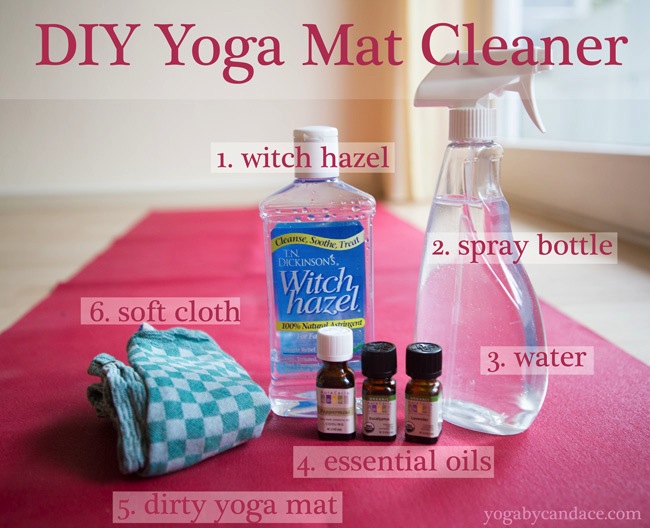
Image Source: images.squarespace-cdn.com
How to Make Yoga Mat Cleaner: Natural & DIY Recipes
Keeping your yoga mat clean is crucial for your practice and overall hygiene. A dirty mat can harbor bacteria, sweat, and dead skin cells, which can lead to odor and potentially skin irritations. While many commercial cleaners are available, they often contain harsh chemicals that can degrade your mat’s material or leave residue that can make it slippery. Fortunately, creating a natural yoga mat cleaner at home is easy, cost-effective, and much kinder to your mat and the planet. This post will explore several DIY yoga mat spray recipes and offer tips on cleaning yoga mats safely, ensuring your practice space remains fresh and inviting.
Why Go Natural for Your Yoga Mat Cleaner?
Many store-bought cleaners use alcohol, strong disinfectants, or artificial fragrances. These can:
- Damage Mat Material: Certain chemicals can break down the PVC, TPE, or natural rubber that most yoga mats are made from, leading to premature cracking or a sticky, slippery surface.
- Leave Residue: Even if not immediately apparent, some cleaners leave a film that can affect grip.
- Irritate Skin: Residues can come into contact with your skin during practice, potentially causing reactions.
- Impact the Environment: Chemicals can be washed down the drain, contributing to water pollution.
Opting for a natural yoga mat cleaner allows you to control the ingredients, ensuring a gentle yet effective clean. This is also a key aspect of cleaning yoga accessories, as many items like straps and blocks can benefit from the same gentle approach.
The Core Ingredients for Your DIY Yoga Mat Cleaner
Most homemade cleaners rely on a few key natural ingredients that offer cleaning, disinfecting, and refreshing properties.
- Water: The base of most sprays. Distilled or filtered water is best to avoid mineral buildup.
- Vinegar (White or Apple Cider): A natural disinfectant and deodorizer. Its acidity helps break down grime.
- Essential Oils: These add a pleasant scent and often possess antimicrobial or antifungal properties.
- Witch Hazel or Rubbing Alcohol (Isopropyl Alcohol): Acts as a mild disinfectant and helps the spray dry faster. Use sparingly, especially on natural rubber mats.
Simple & Effective DIY Yoga Mat Spray Recipes
Here are a few variations for your DIY yoga mat spray, ranging from basic to more robust cleaning options.
Recipe 1: The Basic Refreshing Yoga Mat Spray
This is a simple, go-to cleaner for daily use and light refreshes.
Ingredients:
- 1 cup Distilled Water
- 1/4 cup White Vinegar OR Witch Hazel
- 5-10 drops of your favorite essential oil (e.g., Lavender, Tea Tree, Eucalyptus)
Instructions:
- Pour the distilled water and vinegar (or witch hazel) into a clean spray bottle.
- Add the essential oil drops.
- Close the bottle tightly and shake well to combine.
How to Use: Lightly mist your yoga mat after practice. Wipe down with a clean, dry cloth. Allow the mat to air dry completely before rolling it up.
Benefits:
- Gentle on most mat materials.
- Deodorizes and lightly disinfects.
- Quick and easy to make.
Recipe 2: The Powerful Homemade Yoga Mat Disinfectant
For a deeper clean or when your mat needs a more thorough disinfection, this recipe includes ingredients with stronger antimicrobial properties.
Ingredients:
- 1 cup Distilled Water
- 1/4 cup Rubbing Alcohol (70% isopropyl alcohol) OR 1/2 cup Witch Hazel
- 1 teaspoon Mild Liquid Soap (like castile soap, optional for extra cleaning power)
- 10-15 drops of essential oils known for disinfectant properties (Tea Tree, Eucalyptus, Lemon, Peppermint)
Instructions:
- Combine water and rubbing alcohol (or witch hazel) in your spray bottle.
- If using, add the liquid soap.
- Add the essential oils.
- Shake well before each use.
How to Use: Spray generously onto the mat, ensuring all surfaces are covered. Let it sit for a minute or two. Wipe the mat thoroughly with a damp cloth, then follow with a dry cloth. Ensure the mat is completely dry before storing.
Caution: Rubbing alcohol can be drying and potentially damaging to some natural rubber or cork mats over time. Test on a small, inconspicuous area first. Witch hazel is a gentler alternative.
Recipe 3: The Eco-Friendly Yoga Mat Cleaner
This recipe focuses on natural ingredients with minimal environmental impact.
Ingredients:
- 1 cup Distilled Water
- 1/2 cup White Vinegar
- 1 tablespoon Baking Soda (dissolve completely in water before adding to bottle)
- 10-12 drops of essential oils (Lemon, Lemongrass, or Bergamot for a clean scent)
Instructions:
- In a small bowl, mix the baking soda with about 1/4 cup of the distilled water until fully dissolved.
- Pour the dissolved baking soda mixture, the remaining distilled water, and the white vinegar into your spray bottle.
- Add the essential oils.
- Shake vigorously to combine. Note that baking soda can settle, so you may need to shake before each use.
How to Use: Spray onto your mat and wipe down with a damp cloth. Then, wipe with a dry cloth to remove any residue.
Benefits:
- Baking soda helps absorb odors and provides a gentle abrasive cleaning action.
- Vinegar disinfects and deodorizes.
- Completely natural and biodegradable.
Essential Oils for Your Yoga Mat Cleaner
Essential oils not only make your refreshing yoga mat spray smell wonderful but also contribute to its cleaning power. Here are some popular choices:
| Essential Oil | Properties | Scent Profile |
|---|---|---|
| Tea Tree | Antiviral, antibacterial, antifungal. Excellent for disinfecting. | Medicinal, herbaceous |
| Lavender | Calming, antibacterial. Great for a soothing, fresh scent. | Floral, sweet |
| Eucalyptus | Antiviral, antibacterial, decongestant. Invigorating and cleansing. | Camphoraceous, sharp |
| Lemon | Antibacterial, antiviral, degreaser. Bright and uplifting citrus scent. | Zesty, citrusy |
| Peppermint | Antibacterial, antifungal, cooling sensation. Refreshing and stimulating. | Minty, strong |
| Lemongrass | Antibacterial, antifungal. Fresh, citrusy, and grassy aroma. | Citrusy, grassy |
| Bergamot | Antiviral, antibacterial. Uplifting citrus with a hint of floral. | Citrusy, floral |
Tips for Using Essential Oils:
- Quality Matters: Use pure, therapeutic-grade essential oils for the best results and safety.
- Dilution is Key: Never use essential oils undiluted on your mat. The recipes provided offer safe dilution ratios.
- Patch Test: If you’re unsure how your mat will react, test the cleaner on a small, hidden corner.
The Best Yoga Mat Cleaner Recipe: Finding Your Perfect Fit
The best yoga mat cleaner recipe is the one that works best for your mat type, your personal scent preferences, and your cleaning needs. Consider the following when choosing or adapting a recipe:
-
Mat Material:
- PVC Mats: Generally durable, can tolerate vinegar and alcohol.
- TPE Mats: Similar to PVC but can be more sensitive. Use less alcohol or opt for vinegar and water.
- Natural Rubber Mats: Very sensitive to oils and harsh chemicals. Stick to water and a tiny amount of mild soap, or a very diluted vinegar solution. Avoid essential oils if you notice any degradation.
- Cork Mats: Naturally antimicrobial. Water and a gentle wipe are often sufficient. If needed, a very diluted vinegar or witch hazel spray can be used sparingly.
- PU Mats: Often have a coating that can be sensitive. Similar to cork, minimal cleaning is best.
-
Your Cleaning Needs:
- Daily Refresh: Basic recipe is usually enough.
- Post-Sweaty Practice: Consider the disinfectant recipe with Tea Tree or Eucalyptus.
- Odor Control: Baking soda or lemon/lemongrass essential oils are great.
How to Clean Your Yoga Mat Safely and Effectively
Beyond just the spray, the technique you use is vital for cleaning yoga mats safely and prolonging your mat’s life.
Step-by-Step Cleaning Process:
- Preparation: Lay your mat flat on a clean surface.
- Spray: Lightly mist the surface of your mat with your chosen DIY yoga mat spray. Avoid oversaturating, especially with rubber mats.
- Wipe: Use a clean, soft microfiber cloth to wipe down the mat. Gently scrub any soiled areas.
- Rinse (Optional but Recommended): For recipes with vinegar or soap, it’s good practice to wipe the mat down again with a separate cloth dampened with plain water to remove any residue. This is especially important for grip.
- Dry: This is a crucial step. Wipe the mat thoroughly with a dry, clean cloth. Then, hang the mat up to air dry completely. Ensure both sides are dry. Never roll up a damp mat, as this can lead to mold and mildew.
- Storage: Once completely dry, roll your mat loosely and store it away from direct sunlight and extreme temperatures.
Deep Cleaning Your Mat:
For a more thorough cleaning, you can use a slightly different approach:
- Mix Your Cleaner: Prepare your chosen homemade yoga mat disinfectant in a larger bucket or basin if you aren’t using a spray bottle.
- Dip and Squeeze: Dip a soft cloth into the cleaning solution, wring it out very well so it’s just damp, not dripping.
- Wipe Thoroughly: Wipe down the entire surface of the mat, section by section.
- Rinse: Use a separate cloth dampened with clean water to wipe down the mat and remove any cleaning solution residue.
- Dry: As with the spray method, dry the mat thoroughly with a clean, dry towel, and then allow it to air dry completely.
Cleaning Your Yoga Accessories
Don’t forget your other yoga gear!
- Yoga Blocks: Wipe down with your natural yoga mat cleaner. For wood or cork blocks, use sparingly and ensure they dry completely.
- Yoga Straps: Many straps can be hand-washed with mild soap and water, then rinsed and air-dried. Check the material before using any cleaner.
- Yoga Wheels: Similar to mats, wipe down with a gentle cleaner and dry thoroughly.
Maintaining Yoga Mat Hygiene
Regular cleaning is key to yoga mat hygiene. Aim to wipe down your mat after every practice, especially if you sweat a lot. A deep clean once a week or bi-weekly, depending on usage, will keep it fresh and germ-free.
Troubleshooting Common Yoga Mat Cleaning Issues
- Mat Still Smells: Try a vinegar-based cleaner with Tea Tree or Eucalyptus oil. Ensure the mat is completely dry. For stubborn odors, sprinkle baking soda on the dry mat, let it sit for a few hours, then brush it off.
- Mat Feels Slippery After Cleaning: You likely have residue. Wipe down thoroughly with plain water using a damp cloth, then dry. Avoid using too much soap.
- Mat Material Looks Damaged: You might be using too much alcohol or a cleaner that’s too harsh for your mat type. Switch to water and a tiny bit of mild soap, or a very diluted vinegar solution. Always test first.
Frequently Asked Questions (FAQ)
Q1: Can I use essential oils directly on my yoga mat?
A1: No, it’s generally not recommended to use essential oils directly without dilution. They are highly concentrated and can damage certain mat materials or leave oily residue that affects grip. Always dilute them in water or witch hazel as per the recipes.
Q2: How often should I clean my yoga mat?
A2: It’s best to give your mat a quick wipe-down after every practice. A more thorough cleaning or deep clean is recommended once a week or every two weeks, depending on how frequently you practice and how much you sweat.
Q3: What are the best essential oils for disinfecting a yoga mat?
A3: Tea Tree, Eucalyptus, Lemon, and Peppermint oils are excellent choices due to their natural antibacterial and antifungal properties.
Q4: Can I use a mixture of water and dish soap to clean my yoga mat?
A4: A very mild dish soap like castile soap can be used in small amounts, but it’s important to rinse thoroughly to avoid slippery residue. Many prefer to avoid traditional dish soaps altogether due to potential harsh chemicals or fragrances.
Q5: Is vinegar safe for all yoga mats?
A5: White vinegar and apple cider vinegar are generally safe for most yoga mats when diluted. However, natural rubber and certain eco-friendly materials can be sensitive to its acidity. Always test on a small area first, or opt for gentler alternatives like witch hazel if you’re unsure.
Q6: How do I dry my yoga mat properly?
A6: After cleaning, wipe your mat thoroughly with a dry, absorbent cloth. Then, hang it up to air dry completely, ensuring both sides are exposed to air. Avoid direct sunlight or heat, as this can degrade the material. Never store a damp mat.
By following these simple DIY yoga mat spray recipes and cleaning tips, you can ensure your yoga mat remains a clean, hygienic, and enjoyable part of your practice for a long time to come. Enjoy your fresh, clean mat!