
Can you do hot yoga at home? Yes, you absolutely can do hot yoga at home! It’s a fantastic way to experience the many benefits of this practice without the commute or membership fees of a studio. This guide will walk you through everything you need to know to create your own personal hot yoga sanctuary.
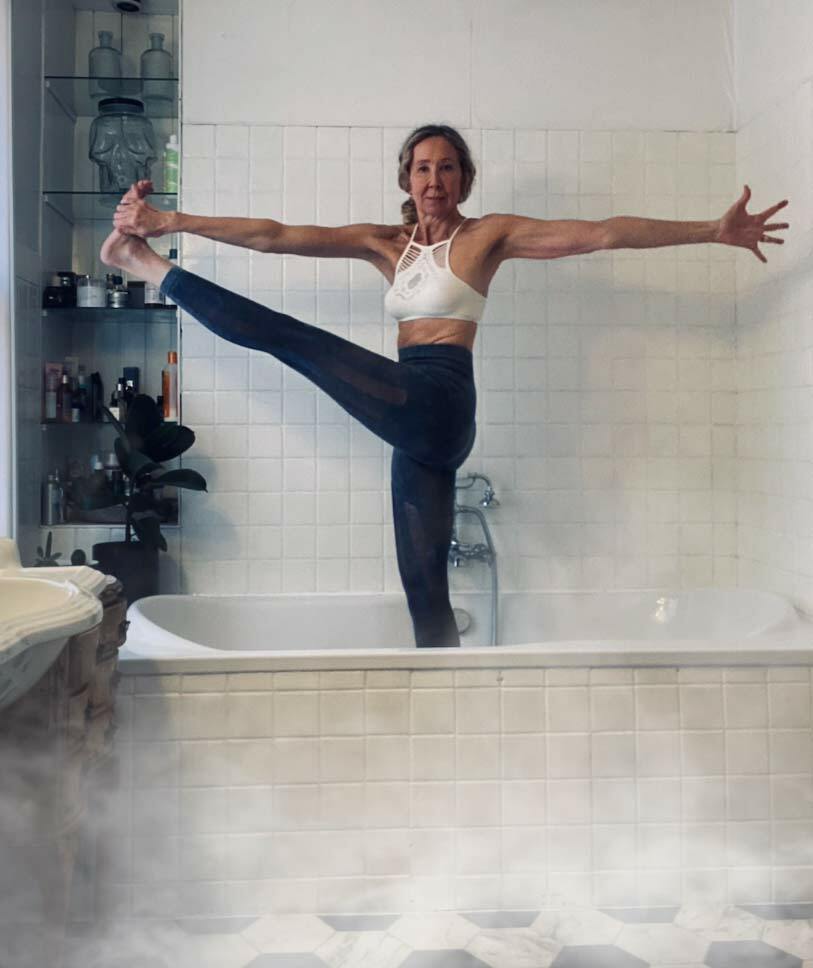
Image Source: www.fiercegrace.com
Discovering the Benefits of Home Hot Yoga
Practicing hot yoga at home offers a unique set of advantages. You have complete control over your environment, privacy to experiment and focus, and the flexibility to fit sessions into your personal schedule. The benefits of home hot yoga are plentiful, mirroring those of studio classes but with added personal convenience.
Physical Benefits:
- Increased Flexibility: The heated environment helps your muscles relax and loosen, allowing for deeper stretches and improved range of motion.
- Detoxification: Sweating is a natural way your body expels toxins. The heat amplifies this process.
- Cardiovascular Health: Your heart rate increases in the heat, providing a great cardiovascular workout.
- Muscle Strength and Tone: Holding poses and moving through sequences engages and strengthens your muscles.
- Weight Management: The increased calorie burn and boosted metabolism can support weight management goals.
- Improved Circulation: The heat dilates blood vessels, promoting better blood flow throughout the body.
Mental and Emotional Benefits:
- Stress Reduction: The focus required for poses, combined with the physical exertion, helps clear the mind and reduce stress.
- Improved Concentration: The challenging environment demands mental focus and presence.
- Mindfulness and Self-Awareness: Paying attention to your body’s signals in the heat cultivates deeper self-awareness.
- Enhanced Mood: Physical activity releases endorphins, the body’s natural mood boosters.
- Discipline and Resilience: Consistently practicing in a challenging environment builds mental toughness.
Crafting Your Hot Yoga at Home Setup
Creating a successful hot yoga at home setup is key to replicating the studio experience. It’s about more than just turning up the heat; it’s about fostering an environment conducive to deep practice.
Choosing the Right Space
The first step is selecting a suitable room. Consider these factors:
- Size: You need enough space to comfortably lay out your mat and move your limbs without hitting furniture. A dedicated yoga room is ideal, but a spacious living area or bedroom can also work.
- Ventilation: While you want to retain heat, having some control over airflow is important for safety and comfort. Windows that can be opened slightly or a fan for after the session are beneficial.
- Flooring: A smooth, easy-to-clean floor is best. Hardwood, tile, or linoleum are good choices. If you have carpet, ensure it’s clean and consider a waterproof mat.
- Minimal Distractions: Choose a space where you won’t be interrupted by household members, pets, or external noise.
Creating Your DIY Hot Yoga Studio
Transforming your chosen space into a DIY hot yoga studio involves a few key considerations to optimize comfort and safety.
Heating Your Space
This is the most crucial element of a hot yoga setup. The goal is to achieve a home yoga room temperature typically ranging from 95°F to 105°F (35°C to 40.5°C), with humidity levels around 40-50%.
- Space Heater: This is the most common and accessible method.
- Types: Ceramic, oil-filled, or infrared space heaters can be effective.
- Safety: Always use heaters with safety features like tip-over protection and overheat shut-off. Place them on a stable, non-flammable surface and keep them away from flammable materials (like curtains) and your yoga mat.
- Monitoring: Use a reliable room thermometer to monitor the temperature.
- Infrared Heating for Yoga: Infrared heating for yoga is a more advanced option that directly warms the body rather than just the air.
- How it Works: Infrared heaters emit infrared radiation, which penetrates the skin and warms muscles and tissues from within. This can feel more comfortable and less stifling than traditional convection heating.
- Benefits: Can provide a deeper muscle relaxation, potentially less dehydration, and a more consistent temperature.
- Options: Portable infrared panels or heaters specifically designed for yoga studios are available.
- Installation: Follow manufacturer instructions carefully.
- Humidifier: To achieve ideal humidity levels and prevent the air from feeling too dry and harsh, a humidifier is recommended.
- Placement: Place it in the room, but not too close to your yoga mat.
- Maintenance: Clean your humidifier regularly to prevent mold and bacteria growth.
- Ventilation Control: Close windows and doors tightly to trap the heat and humidity. If the room becomes too stuffy, crack a window slightly for a few minutes to refresh the air, then close it again.
Lighting and Ambiance
- Dim Lighting: Soft, dim lighting can help create a calming and focused atmosphere. Consider using lamps with warm bulbs or string lights.
- Music (Optional): Some practitioners prefer silence, while others enjoy calming instrumental music. If you choose music, keep the volume low and ensure it’s not distracting.
- Aromatherapy (Optional): A subtle essential oil diffuser with scents like lavender or eucalyptus can enhance the experience. Use sparingly and ensure you’re not sensitive to any scents.
Essential Hot Yoga Equipment for Home
Investing in the right hot yoga equipment for home will significantly improve your practice.
- Yoga Mat for Hot Yoga: A standard yoga mat might become too slippery when you sweat profusely. Look for a yoga mat for hot yoga specifically designed for grip in humid conditions.
- Materials: Natural rubber, cork, or TPE (thermoplastic elastomer) often offer superior grip.
- Thickness: A standard 4-6mm thickness is generally good for cushioning and stability.
- Absorption: Some mats have absorbent surfaces to help manage sweat.
- Yoga Towel: A thick, absorbent yoga towel placed over your mat is essential to prevent slipping and absorb sweat.
- Materials: Microfiber towels are popular for their absorbency and quick-drying properties.
- Placement: Lay it over your mat, especially in areas where your hands and feet will be.
- Water Bottle: Staying hydrated is crucial. Keep a large water bottle within reach.
- Small Towel: A small hand towel for wiping sweat from your face and body.
- Room Thermometer: As mentioned, this is vital for accurate temperature monitoring.
- Yoga Blocks and Straps (Optional): These can assist with pose modifications and deepening stretches, especially for beginners.
Preparing for Your Home Hot Yoga Session
Proper preparation ensures a safe and effective beginner hot yoga at home experience.
Pre-Session Hydration and Nutrition
- Hydrate: Drink plenty of water in the hours leading up to your practice. Avoid excessive caffeine or alcohol.
- Eat Lightly: Avoid heavy meals at least 2-3 hours before your session. A light snack like fruit or yogurt an hour beforehand is fine if needed.
What to Wear
- Moisture-Wicking Fabrics: Opt for lightweight, breathable clothing that wicks away sweat.
- Minimalist Approach: Many people practice hot yoga in minimal clothing to allow for maximum sweat evaporation. Sports bras and shorts or lightweight leggings are common.
- Barefoot: Practicing barefoot provides the best grip on your mat.
Mental Preparation
- Set Intentions: Before you begin, take a few moments to set an intention for your practice.
- Minimize Distractions: Turn off your phone notifications or put your phone in another room. Let housemates know you need uninterrupted time.
Practicing Hot Yoga Poses at Home
Once your space is ready and you’re prepared, it’s time to practice hot yoga poses at home. Remember to listen to your body and modify poses as needed.
Warm-Up (5-10 minutes)
Even in the heat, a gentle warm-up is important to prepare your muscles.
- Gentle Stretching: Neck rolls, shoulder rolls, wrist and ankle circles.
- Cat-Cow Pose: Helps to warm up the spine.
- Sun Salutations (Modified): Perform a few rounds of modified Sun Salutations to get your blood flowing. Focus on linking breath with movement.
Core Poses for Home Practice
These poses are fundamental and can be adapted for various levels.
- Mountain Pose (Tadasana): Grounding and foundational.
- Standing Forward Bend (Uttanasana): Hamstring and back stretch.
- Low Lunge (Anjaneyasana): Hip flexor and quadriceps stretch.
- Warrior II (Virabhadrasana II): Builds leg strength and opens hips.
- Triangle Pose (Trikonasana): Stretches the hamstrings, hips, and side body.
- Cobra Pose (Bhujangasana): Strengthens the spine and opens the chest.
- Downward-Facing Dog (Adho Mukha Svanasana): Full body stretch and inversion.
- Child’s Pose (Balasana): Restorative pose.
- Corpse Pose (Savasana): Essential for relaxation at the end of practice.
Flowing Through Your Sequence
- Vinyasa: Connect your breath to your movements. Inhale to lengthen, exhale to deepen or move.
- Holding Poses: Hold poses for 5-10 breaths, focusing on maintaining good form and breathing.
- Listen to Your Body: If you feel dizzy, nauseous, or overly fatigued, take a break in Child’s Pose or sit down. Don’t push yourself too hard, especially when starting.
Cool-Down (5-10 minutes)
- Seated Forward Bend (Paschimottanasana): Calms the nervous system.
- Supine Spinal Twist (Supta Matsyendrasana): Releases tension in the spine and back.
- Savasana (Corpse Pose): Lie flat on your back, relax your entire body, and let the benefits of the practice integrate.
Maintaining Safety and Comfort
Safety is paramount when practicing hot yoga at home.
Hydration is Key
- Sip Regularly: Don’t chug water, but sip throughout your practice.
- Electrolytes: For longer or more intense sessions, consider adding electrolytes to your water to replenish what you lose through sweat. Coconut water or electrolyte powders are good options.
Recognizing Limits
- Signs of Overheating: Dizziness, nausea, headache, rapid heartbeat, and loss of consciousness are signs you need to stop immediately, cool down, and rehydrate.
- Don’t Force It: It’s better to take a break and come back to a pose later than to risk injury or heat-related illness.
Post-Practice Care
- Cool Down Gradually: Don’t step out of the heated room into extreme cold.
- Rehydrate: Continue drinking water after your session.
- Shower: A cool or lukewarm shower can help your body temperature return to normal.
- Rest: Allow your body to recover.
Frequently Asked Questions About Home Hot Yoga
Q1: How hot should my room be for hot yoga at home?
A1: The ideal home yoga room temperature for hot yoga is typically between 95°F and 105°F (35°C to 40.5°C).
Q2: What is the best type of yoga mat for hot yoga?
A2: A yoga mat for hot yoga made from natural rubber, cork, or TPE is recommended for its superior grip when wet. Look for mats specifically designed to handle sweat.
Q3: How can I make my room hot enough for yoga without a special heater?
A3: You can use a standard electric space heater, ensuring it has safety features. Closing off the room completely and using a humidifier can help trap heat and create a more humid environment.
Q4: Is hot yoga at home safe for beginners?
A4: Yes, beginner hot yoga at home can be safe if you start slowly, listen to your body, stay well-hydrated, and don’t push yourself too hard. Begin with shorter sessions and gradually increase duration and heat as you become more comfortable.
Q5: What are the benefits of home hot yoga?
A5: The benefits of home hot yoga include increased flexibility, detoxification through sweating, improved cardiovascular health, stress reduction, and enhanced mindfulness, all within the convenience and privacy of your own home.
Q6: Do I need special equipment for hot yoga at home?
A6: While not strictly mandatory, essential hot yoga equipment for home includes a grippy yoga mat and an absorbent yoga towel to place over your mat. A room thermometer is also highly recommended for temperature monitoring.
Q7: How do I create a hot yoga environment at home?
A7: Creating a hot yoga environment involves heating your space to the desired temperature (95-105°F), ensuring adequate humidity with a humidifier, and minimizing distractions to foster focus and relaxation.
Q8: Can I use infrared heating for yoga at home?
A8: Yes, infrared heating for yoga is an effective and comfortable option. Infrared heaters warm your body directly, which can feel less oppressive than heating the air. Ensure you choose a safe, appropriately sized unit for your space.
Q9: What if I get too hot or feel dizzy during my practice?
A9: If you feel dizzy, nauseous, or unwell, stop practicing immediately. Sit or lie down, fan yourself, and drink water. Take a break in a cooler area of your home and return to your mat only when you feel completely recovered. It’s important to modify your practice or take breaks when needed.
Q10: How can I clean my hot yoga equipment?
A10: Yoga mats and towels used in hot yoga should be cleaned after each use to prevent odor and bacteria buildup. Wipe down your mat with a yoga mat cleaner or a mild soap and water solution, and wash your towel regularly according to the manufacturer’s instructions.