
So, you’re wondering, “Can I become a fitness instructor for seniors?” The answer is a resounding yes! Becoming a fitness instructor for seniors is a rewarding career path. It allows you to positively impact the health and well-being of an aging population. This guide will walk you through everything you need to know.
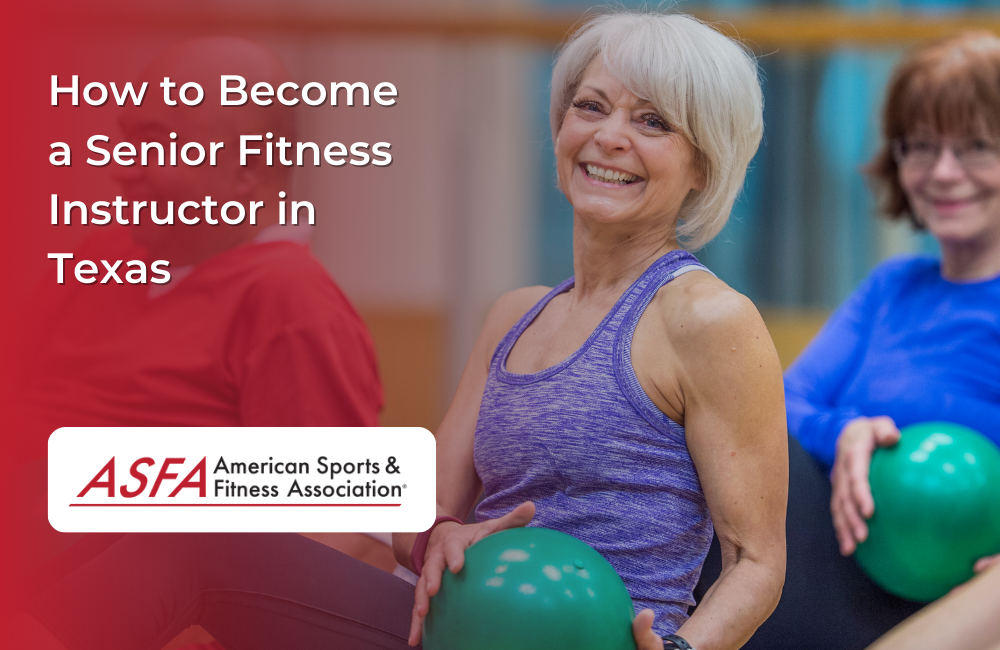
Image Source: www.americansportandfitness.com
Why Choose a Career in Senior Fitness?
The demand for qualified professionals to guide older adults in their fitness journeys is steadily increasing. As the global population ages, so does the need for specialized care and support. A career in fitness for seniors offers a unique opportunity to make a real difference. You’ll help individuals maintain independence, improve their quality of life, and combat age-related physical and cognitive decline.
The Benefits of Senior Fitness
The benefits of senior fitness are extensive and profound. Regular physical activity for older adults can:
- Improve cardiovascular health: Lower blood pressure, reduce the risk of heart disease, and enhance stamina.
- Increase muscle strength and bone density: This helps prevent falls and fractures, common concerns for seniors.
- Enhance balance and coordination: Crucial for maintaining mobility and preventing accidents.
- Boost cognitive function: Studies show exercise can improve memory, focus, and mood.
- Manage chronic conditions: Exercise can help control symptoms of arthritis, diabetes, osteoporosis, and more.
- Promote social interaction: Group fitness classes offer a sense of community and combat isolation.
- Increase overall independence and quality of life: Enabling seniors to enjoy their golden years with vitality.
The Growing Need for Specialized Instruction
As people live longer and healthier lives, there’s a greater appreciation for age-appropriate exercise. Seniors have unique physiological considerations that require a different approach than younger populations. This is where specialized fitness instruction becomes paramount. You’re not just teaching exercises; you’re guiding individuals to move safely and effectively, respecting their physical limitations and individual needs.
Steps to Becoming a Senior Fitness Instructor
Embarking on this career path involves several key steps, from acquiring the necessary knowledge to building your practice.
1. Education and Foundational Knowledge
A strong understanding of exercise science is essential. You’ll need to know how the body changes with age and how to adapt exercises accordingly.
Key Areas of Study:
- Anatomy and Physiology: How the body works, especially in relation to aging.
- Kinesiology: The study of human movement.
- Nutrition: How diet supports fitness goals for older adults.
- Gerontology: The study of aging.
Many colleges and universities offer degrees or certificate programs in exercise science, kinesiology, or related fields. While not always mandatory for all certifications, this foundational knowledge will be invaluable.
2. Gaining Essential Certifications
To establish credibility and ensure you’re providing safe and effective training, obtaining senior fitness certifications is crucial. These certifications demonstrate your commitment to the field and equip you with specialized knowledge.
Popular and Respected Certifications:
- ACSM/NCAA Exercise Physiology (EP-C): While a broader certification, it provides a strong scientific foundation applicable to all populations, including seniors.
- National Academy of Sports Medicine (NASM) Senior Fitness Specialist: This is a highly regarded certification specifically for working with older adults. It covers exercise programming, health conditions, and nutritional considerations for seniors.
- American Council on Exercise (ACE) Senior Fitness Specialist: Another excellent option that focuses on safe and effective training strategies for seniors, including modifications for common age-related conditions.
- The Cooper Institute for Aerobics Research: Offers programs focused on preventive and rehabilitative exercise, with modules relevant to older adults.
- Health and Fitness Federation of Canada (HFFC): Offers certifications for fitness professionals in Canada, with pathways for specialization.
- Aerobics and Fitness Association of America (AFAA) Senior Fitness: A foundational certification that includes modules on working with older populations.
When choosing a certification, consider its accreditation, the curriculum’s depth, and its recognition within the industry. Researching specific senior fitness certifications and their requirements is a wise first step.
3. Developing Expertise in Exercise Programs for Older Adults
Simply having a certification isn’t enough; you need to translate that knowledge into practical exercise programs for older adults. This involves understanding various exercise modalities and how to adapt them.
Types of Exercise for Seniors:
- Aerobic Exercise: Improves heart health and stamina. Examples include brisk walking, swimming, cycling, and dancing.
- Strength Training: Builds muscle mass and bone density. Uses light weights, resistance bands, or bodyweight exercises.
- Flexibility and Balance Exercises: Enhances range of motion and prevents falls. Examples include stretching, yoga, Tai Chi, and specific balance drills.
- Functional Fitness: Focuses on movements that mimic everyday activities, like getting up from a chair or carrying groceries.
4. Mastering Safe Senior Workouts
Safety is paramount when working with older adults. Safe senior workouts require careful planning, attentive observation, and a deep understanding of individual limitations.
Safety Considerations:
- Pre-Exercise Screening: Always conduct a health screening (like the PAR-Q+ questionnaire) to identify any health concerns or contraindications.
- Proper Warm-up and Cool-down: Prepare the body for exercise and aid recovery.
- Gradual Progression: Start slowly and gradually increase intensity, duration, and complexity.
- Modifications: Be prepared to modify exercises for participants with joint pain, limited mobility, or chronic conditions.
- Hydration: Encourage participants to drink water before, during, and after exercise.
- Proper Form: Emphasize correct technique to prevent injuries.
- Listen to the Body: Teach participants to pay attention to their bodies and report any discomfort.
A geriatric exercise specialist is someone who has honed these safety protocols and adapts them to each individual.
5. Building a Senior Fitness Clientele
Once you have the qualifications and knowledge, the next step is to attract and retain clients. Building a senior fitness clientele requires a strategic approach.
Strategies for Client Acquisition:
- Networking: Connect with senior centers, community organizations, retirement communities, and healthcare providers (doctors, physical therapists).
- Marketing: Create flyers, brochures, and a simple website or social media presence highlighting your services and the benefits of senior fitness.
- Free or Low-Cost Introductory Sessions: Offer free workshops or taster sessions to allow potential clients to experience your style.
- Testimonials and Referrals: Encourage satisfied clients to share their positive experiences.
- Specialization: Clearly communicate your expertise in elderly fitness training.
Retaining Clients:
- Personalized Programs: Tailor exercise plans to individual needs and goals.
- Positive and Encouraging Environment: Create a welcoming and supportive atmosphere.
- Track Progress: Monitor clients’ improvements and celebrate their achievements.
- Continuous Learning: Stay updated on the latest research and trends in senior fitness.
- Community Building: Foster a sense of camaraderie among your clients, especially in group settings.
Where to Work as a Senior Fitness Instructor
Your career path can lead you to various settings, each offering unique opportunities.
Employment Settings:
- Senior Living Communities and Retirement Homes: Many facilities hire in-house fitness instructors to serve their residents.
- Community Centers and YMCA/YWCA: These often have dedicated senior programs.
- Gyms and Fitness Studios: Some facilities cater specifically to older adults or have specialized senior programs.
- Hospitals and Rehabilitation Centers: Working alongside physical therapists to support post-rehabilitation fitness.
- Home-Based or Mobile Training: Offering private sessions in clients’ homes or in parks.
- Online Fitness Platforms: Providing virtual classes and personalized coaching.
The Role of a Geriatric Exercise Specialist
A geriatric exercise specialist is more than just a fitness instructor; they are a guide, motivator, and educator. They possess a nuanced approach to training older adults.
Key Responsibilities:
- Assessing Fitness Levels: Conducting thorough assessments to understand a client’s capabilities and limitations.
- Designing Personalized Exercise Plans: Creating age-appropriate exercise routines tailored to individual goals, health conditions, and preferences.
- Providing Safe and Effective Instruction: Leading exercise sessions with a strong emphasis on safety and proper form.
- Educating Clients: Informing seniors about the benefits of exercise and how to incorporate it into their daily lives.
- Motivating and Encouraging: Inspiring clients to stay committed and overcome challenges.
- Collaborating with Healthcare Professionals: Working with doctors, physical therapists, and other caregivers when necessary.
What Differentiates a Specialist?
The difference lies in the depth of knowledge regarding the physiological and psychological aspects of aging. A specialist is adept at navigating common age-related conditions such as:
- Arthritis
- Osteoporosis
- Heart disease
- Diabetes
- Balance disorders
- Cognitive impairments (e.g., mild cognitive impairment, early-stage dementia)
They know how to modify exercises to accommodate these conditions, ensuring safe senior workouts that maximize benefits and minimize risks.
Developing Your Skills and Knowledge Further
The field of senior fitness is always evolving. Continuous learning is key to staying at the forefront.
Continuing Education Opportunities:
- Workshops and Seminars: Attend local or online workshops focused on specific aspects of senior fitness, such as fall prevention or chronic disease management.
- Conferences: Participate in national or international fitness conferences that often have dedicated tracks for senior fitness.
- Professional Organizations: Join organizations like the American Senior Fitness Association (ASFA) or the International Council on Active Aging (ICAA) for access to resources and networking.
- Online Courses and Webinars: Many reputable organizations offer online learning opportunities that fit a busy schedule.
- Reading Research: Stay informed by reading studies published in journals related to gerontology and exercise science.
Advanced Specializations:
Consider pursuing further specialization, such as:
- Fall Prevention Specialist: Focus on exercises that improve balance and reduce the risk of falls.
- Aquatic Fitness Specialist: Lead water-based exercises, which are low-impact and beneficial for joint health.
- Mind-Body Specialist: Offer classes like Tai Chi or gentle yoga adapted for seniors.
Creating Engaging and Effective Group Fitness Programs
Group fitness classes can be a fantastic way to engage multiple seniors at once, fostering social interaction and a sense of community.
Designing Successful Group Classes:
- Variety is Key: Offer a mix of class types to cater to different interests and fitness levels.
- Music Choice: Select music that is familiar and enjoyable for the target age group. Upbeat tempos can be motivating, but also offer slower options.
- Clear Instructions: Use simple language and demonstrate exercises clearly. Repeat instructions as needed.
- Modifications for All: Always offer variations of exercises so everyone can participate safely and effectively.
- Focus on Fun: Keep the atmosphere light and positive. Celebrate small victories.
- Duration: Keep class times manageable, typically 45-60 minutes, with ample time for warm-up and cool-down.
Example Class Structure:
| Segment | Duration (Minutes) | Focus | Sample Activities |
|---|---|---|---|
| Warm-up | 5-10 | Gentle movements to increase blood flow | Arm circles, leg swings, marching in place, torso twists |
| Cardio | 15-20 | Moderate intensity aerobic activity | Brisk walking, step aerobics (low impact), dancing |
| Strength | 15-20 | Full-body strength using bands or light weights | Squats (chair assist), bicep curls, shoulder press, lunges (supported) |
| Balance/Flex | 10-15 | Improve stability and range of motion | Calf raises, single-leg stands (near support), stretches |
| Cool-down | 5-10 | Gradual heart rate reduction, static stretches | Deep breathing, hamstring stretch, quad stretch, upper body stretch |
The Business Side of Senior Fitness
If you aim to work independently, you’ll need to consider the business aspects of elderly fitness training.
Setting Up Your Business:
- Business Plan: Outline your services, target market, pricing, and marketing strategies.
- Legal Structure: Decide whether to operate as a sole proprietor, LLC, or other entity. Consult with legal and financial professionals.
- Insurance: Obtain liability insurance to protect yourself and your clients.
- Pricing: Research market rates and determine your pricing structure for individual sessions, group classes, or packages.
- Marketing and Branding: Develop a clear brand message that highlights your expertise and the benefits you offer.
Overcoming Challenges in Senior Fitness Training
While incredibly rewarding, working with seniors can present unique challenges.
Common Challenges and Solutions:
- Client Adherence:
- Solution: Build strong rapport, personalize programs, celebrate progress, and create a supportive community.
- Fear of Injury:
- Solution: Emphasize safety, provide thorough explanations of exercises, offer modifications, and reassure clients.
- Chronic Health Conditions:
- Solution: Obtain proper certifications, consult with healthcare providers, and adapt programs accordingly. Never give medical advice.
- Mobility Limitations:
- Solution: Focus on functional movements, utilize chairs or other support, and adapt exercises to be performed seated or with assistance.
- Motivation and Engagement:
- Solution: Keep classes fun and varied, incorporate social elements, and provide positive reinforcement.
Frequently Asked Questions (FAQ)
What is the average salary for a senior fitness instructor?
Salaries can vary significantly based on location, experience, certifications, and employment setting (e.g., gym, retirement community, private practice). Entry-level positions might start around $30,000-$40,000 annually, while experienced specialists in high-demand areas or with their own successful business could earn upwards of $60,000-$80,000 or more.
Do I need a college degree to become a senior fitness instructor?
While a college degree in exercise science or a related field is beneficial for a strong foundation, it is not always mandatory for all senior fitness certifications. Many reputable certifications can be obtained without a degree, provided you meet their specific educational and examination requirements. However, a degree can enhance your knowledge and marketability.
What is the most important quality for a senior fitness instructor?
Patience, empathy, and excellent communication skills are paramount. You need to be able to connect with older adults, listen to their concerns, and motivate them in a supportive and understanding manner. The ability to adapt and modify exercises is also crucial for ensuring safe senior workouts.
Can I work with seniors if I only have a general fitness certification?
While a general fitness certification provides a baseline, working with seniors often requires specialized knowledge due to age-related physiological changes and health conditions. It is highly recommended to obtain senior fitness certifications or specialized training in elderly fitness training to ensure you can provide safe and effective exercise programs for older adults.
How can I gain practical experience?
Volunteer at a senior center, community gym, or retirement community. Offer to lead informal exercise sessions for friends or family members who are seniors. Shadow experienced senior fitness professionals. Many certification programs also include practical components or internships.
Is it possible to train seniors with specific health conditions?
Yes, absolutely. A qualified geriatric exercise specialist can design programs for seniors with various conditions like arthritis, osteoporosis, heart disease, and diabetes. However, it’s critical to work within your scope of practice, always consult with healthcare providers, and obtain appropriate certifications for specific conditions. You should never provide medical advice.
Becoming a fitness instructor for seniors is a fulfilling career that contributes significantly to the well-being of our aging population. By acquiring the right education, certifications, and practical skills, you can embark on a rewarding journey to empower seniors through movement.