
A yoga instructor’s salary can vary significantly, but on average, they can expect to earn anywhere from $20 to $100 per hour for teaching classes. This figure can increase with experience, specialization, and the type of venue they teach at.
The world of yoga is serene, often associated with peace and mindfulness. But for those considering a career as a yoga instructor, a practical question arises: “How much does a yoga instructor make?” This guide aims to provide a comprehensive overview of yoga instructor salary, breaking down the various factors that influence yoga instructor pay and helping you gauge average yoga instructor earnings. Whether you’re a seasoned yogi looking to transition into teaching or a newcomer curious about the financial landscape, this detailed exploration will illuminate the earning potential of this rewarding profession.
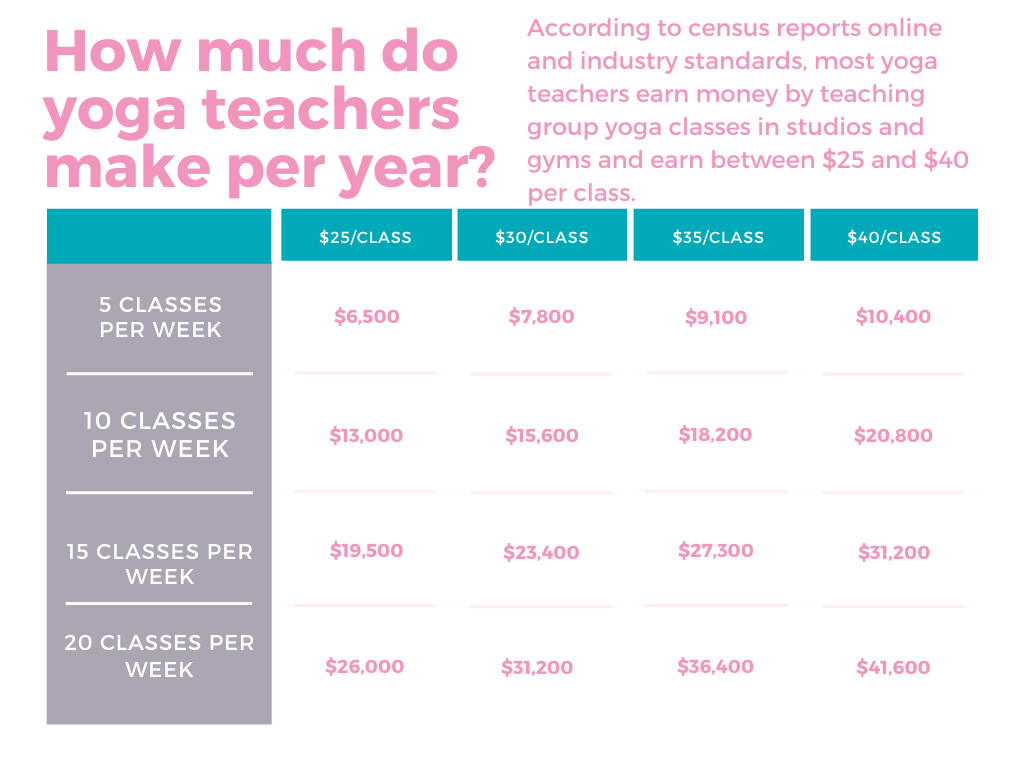
Image Source: www.brettlarkin.com
Factors Shaping Yoga Instructor Earnings
Several key elements play a crucial role in determining how much a yoga instructor earns. It’s not simply a matter of teaching a class; a multitude of variables contribute to the overall income.
Experience Level: The Foundation of Higher Pay
Like most professions, a yoga instructor’s experience significantly impacts their earning potential.
- Beginner Instructors: Those new to teaching typically start at the lower end of the pay scale. They might be building their client base, gaining confidence, and establishing their teaching style. Their initial yoga class compensation might be modest as they gain traction.
- Mid-Level Instructors: With a few years of experience, instructors often see an increase in their hourly rates. They have a better understanding of what students seek, have honed their teaching skills, and may have cultivated a loyal following. This stage often sees a rise in yoga instructor hourly wage.
- Experienced and Specialized Instructors: Highly experienced instructors, particularly those with specialized certifications (like prenatal yoga, therapeutic yoga, or advanced anatomy), can command higher rates. Their expertise and reputation attract more students and higher-paying opportunities. They are also more likely to be sought after for workshops and private sessions, boosting their freelance yoga instructor income.
Location, Location, Location: Geographic Influences on Yoga Instructor Pay
The geographical location where a yoga instructor teaches is a major determinant of their salary. Urban centers and areas with a higher cost of living generally offer higher pay rates compared to rural or less populated regions.
Yoga Instructor Salary by Location
- Major Metropolitan Areas: Cities like New York, Los Angeles, San Francisco, and London tend to have a higher demand for yoga services and a greater concentration of studios. This often translates to better yoga studio pay rates and higher overall earnings for instructors.
- Suburban and Rural Areas: While the demand might be lower, the cost of living is also typically less. This can mean that while hourly rates might be lower, the cost of doing business (rent for personal practice space, travel) is also reduced.
- International Variations: The yoga instructor salary can vary dramatically across different countries, influenced by economic factors, the popularity of yoga in that region, and local market rates.
Studio vs. Freelance: Different Paths, Different Payouts
The way a yoga instructor earns their income can significantly affect their overall financial picture.
Yoga Studio Pay Rates
Many yoga instructors begin their careers by teaching at established yoga studios. This provides a consistent (though often modest) income stream and a built-in student base.
- Per-Class Rate: Studios typically pay instructors a set rate for each class they teach. This can range from $20 to $50 per class, depending on the factors mentioned above.
- Revenue Share: Some studios opt for a revenue-sharing model, where the instructor receives a percentage of the class fees collected. This can be advantageous if classes are consistently full.
- Benefits: Working directly for a studio might also come with certain yoga instructor benefits, such as access to the studio’s amenities, discounts on workshops, or even paid time off if employed rather than contracted. However, many studio instructors are independent contractors, meaning benefits are rare.
Freelance Yoga Instructor Income
A significant portion of yoga instructors operate as freelancers, building their own brand and client base. This offers more flexibility and potentially higher earnings but also requires more entrepreneurial effort.
- Private Sessions: Offering one-on-one or small group private sessions can be highly lucrative. Rates for private yoga sessions can range from $50 to $150 or even more, depending on the instructor’s expertise and the client’s location. This is a primary driver of freelance yoga instructor income.
- Workshops and Retreats: Hosting specialized workshops or leading yoga retreats can generate substantial income. These events often attract a dedicated following and allow instructors to charge premium prices.
- Online Teaching: With the rise of online platforms, many instructors offer virtual classes, expanding their reach beyond geographical limitations. Income from online classes can be through subscription models, pay-per-class, or selling pre-recorded content.
- Corporate Yoga: Many companies hire yoga instructors to lead classes for their employees. These corporate yoga sessions can offer a steady income stream and are often well-compensated.
Specializations and Additional Offerings
The more specialized a yoga instructor is, the more they can potentially earn.
- Therapeutic Yoga: Instructors trained in therapeutic yoga, which focuses on addressing specific physical or mental health conditions, can command higher fees due to their specialized knowledge and ability to provide targeted support.
- Prenatal and Postnatal Yoga: With specialized training in prenatal and postnatal yoga, instructors cater to a specific demographic, often leading to higher yoga class compensation for these niche classes.
- Yoga for Athletes: Instructors who work with athletes, helping them improve performance and prevent injuries, can also earn more due to the high-value service they provide.
- Teacher Training: Experienced instructors who are qualified to lead yoga teacher training programs can earn significant income by training the next generation of yoga professionals.
What Do Yoga Trainers Earn? A Closer Look at Compensation Models
When we ask, “How much do yoga trainers earn?” it’s essential to consider the different ways they are compensated.
Hourly Wages vs. Per-Class Rates
- Hourly Wage: While not as common for studio work, some private instructors or those working for corporate wellness programs might be offered an hourly wage. This typically falls within the $30-$75 per hour range, depending on the factors already discussed.
- Per-Class Rate: This is the most prevalent model for studio instructors. As mentioned, rates can vary widely. A beginner might earn $20-$30 per class, while an experienced instructor in a high-demand area could earn $50-$100 or more per class.
Annual Income Potential
Estimating annual income requires multiplying the average per-class rate by the number of classes taught per week and then by the number of weeks worked per year.
Let’s consider a hypothetical instructor:
-
Scenario 1: Studio-Based Instructor (Part-Time)
- Teaches 5 classes per week at $30 per class.
- Works 48 weeks a year (allowing for breaks).
- Annual Income: 5 classes/week * $30/class * 48 weeks/year = $7,200
-
Scenario 2: Studio-Based Instructor (Full-Time Equivalent)
- Teaches 10 classes per week at $40 per class.
- Works 50 weeks a year.
- Annual Income: 10 classes/week * $40/class * 50 weeks/year = $20,000
-
Scenario 3: Freelance Instructor (Mix of Studio, Private, and Workshops)
- Teaches 5 studio classes/week at $40/class = $10,400/year
- Teaches 5 private sessions/week at $75/session = $19,500/year
- Conducts 2 workshops/year netting $1,000 each = $2,000/year
- Total Annual Income: $10,400 + $19,500 + $2,000 = $31,900
These are simplified examples, and actual earnings can be higher or lower. A highly successful freelance yoga instructor, running their own studio, leading retreats, and offering online courses, could potentially earn six figures annually.
Calculating Your Yoga Instructor Hourly Wage
To get a more precise idea of your potential yoga instructor hourly wage, consider these steps:
- Research Local Rates: Look at job postings for yoga instructors in your area and check the websites of local studios to see if they list pay scales or often hire instructors.
- Factor in Experience: Be realistic about where you stand in terms of experience and certifications.
- Consider Your Niche: If you have specialized skills, research what instructors in those niches typically earn.
- Estimate Your Teaching Load: How many classes or private sessions do you realistically expect to teach per week?
- Account for Non-Teaching Time: Remember that as a freelancer, you’ll spend time on marketing, administration, travel, and preparing for classes, which should also be factored into your overall earning expectations.
Yoga Instructor Benefits: What Else Comes with the Job?
While salary is a primary concern, it’s also important to consider the non-monetary benefits and other perks that often accompany a career as a yoga instructor.
- Personal Well-being: The most significant benefit for many is the opportunity to immerse themselves in a practice that promotes physical and mental health.
- Community Building: Yoga instructors often build strong connections with their students and fellow instructors, fostering a supportive community.
- Flexibility: Especially for freelance instructors, there’s a high degree of flexibility in setting your own schedule and choosing where and when you teach.
- Studio Perks: Some studios offer instructors free access to classes, discounts on merchandise, or opportunities to attend workshops at reduced rates.
- Professional Development: A career in yoga often involves continuous learning through workshops, advanced training, and conferences, which can be personally and professionally enriching.
- Low Startup Costs: Compared to many other businesses, starting a yoga teaching career has relatively low startup costs, mainly involving certification and perhaps some basic marketing materials.
However, it’s crucial to note that yoga instructor benefits like health insurance, paid vacation, and retirement plans are uncommon unless you are a full-time employee of a larger organization, which is rare in the yoga industry. Most yoga instructors are independent contractors, meaning they are responsible for their own benefits and taxes.
Frequently Asked Questions (FAQ)
Here are some common questions people have about the earnings of yoga instructors:
How much does a yoga instructor make per class?
On average, a yoga instructor can make between $20 and $100 per class. This rate is highly dependent on location, experience, and the type of studio or client.
Is being a yoga instructor a well-paying job?
For many, it’s more of a passion than a primary high-income career. While some highly successful instructors can earn a good living, most instructors earn supplementary income or a modest salary. It depends heavily on the number of classes taught, private sessions, workshops, and other revenue streams.
Can you make a living solely as a yoga instructor?
Yes, it is possible to make a living, but it often requires a strategic approach. This typically involves teaching a significant number of classes at various studios, building a strong private client base, leading workshops, offering retreats, and potentially creating online content. Diversifying income streams is key.
How much do yoga trainers earn in major cities?
In major cities with a higher cost of living and greater demand, yoga trainers can expect to earn more. Rates per class can range from $30 to $75+, and private sessions can be $100 or more.
What is the average annual income for a yoga instructor?
The average annual income can vary widely, but many sources suggest a range of $25,000 to $50,000 for instructors who teach regularly. However, experienced instructors with multiple income streams can earn significantly more.
Do yoga instructors get benefits?
Typically, yoga instructors are independent contractors and do not receive traditional employee benefits such as health insurance, paid time off, or retirement plans. They are responsible for their own benefits.
How can I increase my yoga instructor salary?
To increase your earnings, consider:
* Gaining more experience and advanced certifications.
* Specializing in a niche area (e.g., therapeutic yoga, prenatal yoga).
* Teaching at higher-end studios or boutique fitness centers.
* Offering private yoga sessions.
* Leading workshops and retreats.
* Developing an online presence and offering virtual classes.
* Building a strong personal brand and marketing yourself effectively.
What is the difference between a yoga instructor and a yoga teacher?
While often used interchangeably, “yoga teacher” can sometimes imply a deeper level of study and understanding of yoga philosophy and practice, often obtained through more comprehensive training. In terms of salary, there isn’t a standardized difference; pay is generally based on experience, location, and the specific role.
How much does a beginner yoga instructor make?
A beginner yoga instructor might earn $20 to $30 per class at a studio. Freelance beginners might charge less for private sessions as they build their client base.
Conclusion: Charting Your Course in Yoga Instruction
The yoga instructor salary landscape is as varied and dynamic as yoga itself. While the financial rewards may not always match those of more traditional corporate careers, the intrinsic value of helping others find balance and well-being is immense. By carefully considering your experience, location, specializations, and chosen teaching avenues, you can create a sustainable and fulfilling career in yoga. Aspiring instructors should view their earnings not just through the lens of yoga instructor pay per class, but as a holistic picture encompassing private sessions, workshops, and the overall growth of their professional journey. With dedication, continuous learning, and smart business practices, you can certainly build a rewarding career that nourishes both your spirit and your finances.