
A yoga instructor can make anywhere from $15,000 to $70,000 or more per year, depending on several factors like experience, location, and teaching style.
The life of a yoga instructor is often pictured as serene, filled with calm energy and mindful movement. While that’s certainly a part of the appeal, many aspiring instructors wonder about the financial realities. How much does a yoga instructor really make in a year? This comprehensive guide delves into the intricacies of yoga teacher salary, exploring the various avenues for earning, factors influencing pay, and what to expect in the yoga instructor job market. We’ll cover yoga studio compensation, freelance yoga earnings, and the differences between a yoga teacher hourly wage and annual income, aiming to give you a clear picture of yoga instructor pay.
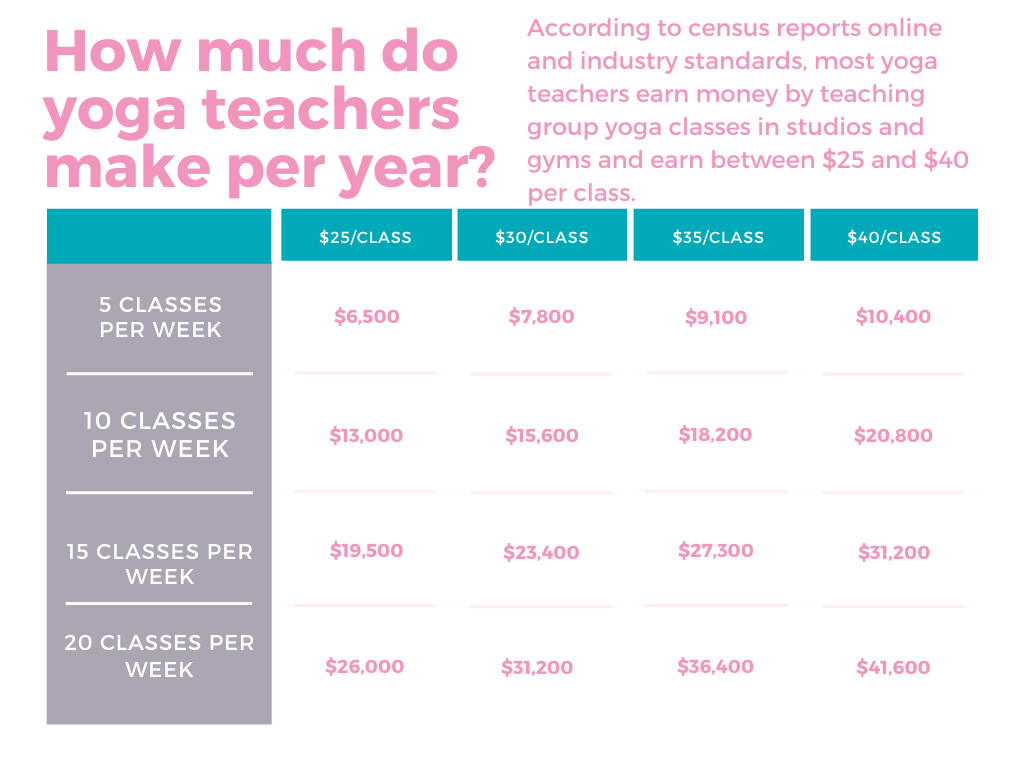
Image Source: www.brettlarkin.com
Deciphering Yoga Instructor Pay Scales
The average yoga instructor income is a complex figure, as it’s not a one-size-fits-all scenario. Unlike many traditional professions with set salary bands, yoga teaching is highly variable. Your earnings can fluctuate significantly based on the number of classes you teach, the type of venue, and whether you supplement your income with other related services.
Factors Shaping Your Earnings
Several key elements contribute to how much a yoga instructor earns annually:
- Experience Level: Just like any profession, the more experience you have, the more you can command. A brand-new instructor with a fresh yoga certification salary will likely earn less than someone with a decade of teaching experience and specialized training.
- Location: Where you teach plays a massive role. Major metropolitan areas with a higher cost of living and a greater demand for yoga services tend to offer higher yoga teaching rates. Smaller towns or areas with less interest in yoga may have lower pay.
- Studio vs. Freelance: Teaching at established yoga studios often provides a more predictable income, though potentially at a lower hourly rate per class than some freelance gigs. Freelancers have the potential to earn more per class but also face the challenge of securing consistent work and managing their own client base.
- Specialization and Niche: Instructors who specialize in areas like prenatal yoga, therapeutic yoga, yoga for athletes, or advanced styles may find opportunities to charge premium rates.
- Additional Services: Many yoga instructors supplement their income by offering private sessions, workshops, retreats, online courses, or selling merchandise. These additional streams can significantly boost annual earnings.
- Number of Classes Taught: This is perhaps the most direct factor. If you teach five classes a week, you’ll earn more than someone teaching only two, assuming the rates are similar.
The Yoga Teacher Hourly Wage
When you look at the yoga teacher hourly wage, it can appear deceptively low. Many studios pay instructors on a per-class basis, which might range from $15 to $50 per hour for a standard class. However, this hourly wage doesn’t always reflect the true income potential when considering the factors above.
- Studio Class Rates: A typical yoga studio might offer a base rate per class, often around $20-$35 for a 60-90 minute class.
- Per-Student Rate: Some studios may offer a small bonus or percentage of the student fees if a class is particularly full.
- Private Sessions: Private yoga sessions are where the hourly rate can jump significantly. A private session can range from $50 to $150 or even more, depending on the instructor’s reputation and location.
It’s crucial to remember that the “hourly wage” often refers to the class time itself. It doesn’t account for the time spent preparing class sequences, commuting, marketing yourself, or administrative tasks if you’re a freelancer.
Yoga Studio Compensation Models
Yoga studios are a primary employer for many instructors. Their compensation models can vary, impacting how much an instructor takes home.
Common Studio Payment Structures
- Per-Class Rate: This is the most prevalent model. Instructors are paid a fixed amount for each class they teach. This provides a straightforward payment structure but means earnings are directly tied to the number of classes covered.
- Revenue Share: Some studios might offer a percentage of the class revenue. For instance, an instructor might get 50% of the income generated by their class. This can be lucrative if classes are consistently full, but it carries more risk if attendance is low.
- Hourly Wage (Less Common): A few studios, especially larger or corporate ones, might offer a more traditional hourly wage. This provides more stability but might cap the earning potential per class.
- Salary (Rare for Core Instructors): Full-time, salaried positions are rare for general yoga instructors within studios. These are more likely to be found for studio managers who also teach, or for instructors in specialized roles within larger wellness organizations.
Benefits and Perks from Studios
While direct pay is a major consideration, yoga instructor benefits are also important, though often limited in the yoga industry.
- Free or Discounted Classes: Most studios offer their instructors free access to classes, allowing them to continue their own practice and training.
- Studio Discounts: Many studios provide discounts on workshops, retail items, or other services offered by the studio.
- Community and Networking: Working with a studio provides a built-in community of students and fellow instructors, which can lead to collaborations and further opportunities.
- Minimal Health Benefits: It’s uncommon for studios to offer traditional employment benefits like health insurance, paid time off, or retirement plans for part-time instructors. Full-time employees are more likely to receive some benefits, but this is still not the norm in many smaller studios.
Freelance Yoga Earnings: Charting Your Own Path
Freelance yoga earnings offer greater autonomy and the potential for higher per-session rates, but they also require more entrepreneurial effort.
Building a Freelance Business
- Private Clients: Many freelance instructors build a client base for one-on-one sessions. These can be held at clients’ homes, in rented studio spaces, or even online. The yoga teaching rates for private sessions are significantly higher than group classes.
- Corporate Wellness Programs: Businesses increasingly hire yoga instructors to lead classes for their employees as part of wellness initiatives. These can be lucrative and provide a consistent booking.
- Special Events and Retreats: Instructors can lead yoga sessions at special events, festivals, or lead their own yoga retreats. These often command premium pricing due to their focused nature and immersive experience.
- Online Classes and Courses: With the rise of digital platforms, instructors can create and sell online yoga classes, pre-recorded courses, or offer live virtual sessions. This expands reach beyond geographical limitations.
Setting Your Freelance Rates
When you’re a freelancer, you set your own yoga teaching rates. Researching what other freelancers in your area charge is a good starting point. Consider your experience, specialization, and the value you provide.
- Private Session Rates: Expect to charge $50-$150+ per hour for private sessions.
- Workshop Fees: Workshops, which are typically 2-3 hours long and focus on a specific topic, can range from $40 to $100+ per person, with the instructor earning a significant portion of this.
- Retreat Fees: Retreats are the highest earning potential, with packages often costing hundreds or thousands of dollars, depending on duration, location, and inclusions.
The Impact of Yoga Certification on Salary
The type and level of your yoga certification salary expectations can be influenced by your credentials.
Different Certification Levels
- 200-Hour Yoga Teacher Training (YTT): This is the foundational certification recognized by Yoga Alliance. Most studios will require at least this level to teach group classes. The yoga teacher hourly wage for someone with a 200-hour certification will typically be at the lower end of the scale.
- 300-Hour or 500-Hour YTT: These advanced certifications indicate a deeper understanding of yoga philosophy, anatomy, and teaching methodology. Instructors with these credentials can often command higher rates and are more sought after for specialized classes or workshops.
- Specialty Certifications: Certifications in areas like prenatal, trauma-informed, yin, or restorative yoga can allow instructors to specialize and charge more for their expertise.
While a certification is essential for establishing credibility, it’s the ongoing education, practical experience, and ability to connect with students that truly drive earning potential in the long run.
Annual Income Ranges: A Closer Look
Let’s break down potential annual income based on different teaching scenarios. These are estimates and can vary greatly.
Entry-Level Yoga Instructor
An instructor just starting out, perhaps teaching 4-6 classes per week at studios, may earn:
- Annual Income: $15,000 – $25,000
This often means relying on multiple studios for classes and potentially taking on some private sessions.
Mid-Career Yoga Instructor
An instructor with 3-5 years of experience, teaching more classes per week, offering some private sessions, and perhaps leading occasional workshops:
- Annual Income: $30,000 – $45,000
At this stage, a strong reputation and consistent client base are often established.
Experienced and Specialized Instructor
An instructor with 5+ years of experience, teaching at multiple studios, with a robust private client roster, leading regular workshops, and possibly offering online content:
- Annual Income: $50,000 – $70,000+
Top earners might also include those who own their own studio, lead international retreats, or have built a strong personal brand with a significant online following.
Table: Estimated Annual Income Based on Teaching Hours and Rates
| Teaching Scenario | Avg. Classes/Week | Avg. Rate/Class | Weekly Income | Annual Income (approx.) |
|---|---|---|---|---|
| Entry-Level (Studio Classes Only) | 5 | $25 | $125 | $18,000 |
| Mid-Level (Studio Classes + 2 Private/Week) | 8 | $28 (studio) | $224 (studio) | $32,000 (studio) |
| $80 (private) | $160 (private) | $23,000 (private) | ||
| Total Mid-Level Estimate | $55,000 | |||
| Experienced (Mix of Studio, Privates, Workshops) | 10 | $35 (studio) | $350 (studio) | $50,400 (studio) |
| $100 (private) | $400 (private) | $57,600 (private) | ||
| $600 (workshop) | $600 (1 workshop/month) | $7,200 (workshops) | ||
| Total Experienced Estimate | $115,200 (Highly Variable) |
Note: This table provides a rough estimate. Annual income is calculated assuming 48 working weeks per year to account for breaks.
The Yoga Instructor Job Market: Opportunities and Challenges
The yoga instructor job market is competitive but also growing. As more people turn to yoga for physical health, mental well-being, and stress reduction, the demand for qualified instructors continues to rise.
Opportunities
- Growing Demand: The overall wellness industry is expanding, and yoga is a significant part of that.
- Diverse Teaching Settings: Opportunities exist in yoga studios, gyms, community centers, schools, hospitals, corporate offices, and online platforms.
- Entrepreneurial Avenues: The freelance model allows for significant entrepreneurial growth and income diversification.
- Niche Markets: Specializing in areas like yoga for seniors, kids, or specific medical conditions can open up unique and potentially higher-paying opportunities.
Challenges
- Income Instability: Especially for those starting out or relying solely on studio work, income can be inconsistent.
- Lack of Benefits: Most yoga instructors are considered independent contractors, meaning they typically don’t receive health insurance, paid leave, or retirement contributions.
- Burnout: Teaching many classes back-to-back, managing a freelance schedule, and constantly needing to attract students can lead to physical and mental fatigue.
- Competition: While demand is high, so is the number of certified instructors, making it essential to stand out through quality, specialization, and personality.
Maximizing Your Earnings as a Yoga Instructor
To increase your yoga instructor pay and build a sustainable career, consider these strategies:
1. Continuous Education and Specialization
- Advanced Certifications: Pursue 300-hour or 500-hour certifications, or specialized training in areas like anatomy, therapeutic yoga, or specific yoga styles. This adds value and allows for higher yoga teaching rates.
- Workshops and Seminars: Stay current with yoga research and trends. Attending workshops not only deepens your knowledge but also provides networking opportunities.
2. Diversify Your Income Streams
- Private Coaching: Offer one-on-one sessions tailored to individual needs.
- Workshops and Retreats: Host specialized workshops on topics like inversions, mindfulness, or anatomy. Organize retreats that combine yoga with travel or other wellness activities.
- Online Presence: Create an online platform with pre-recorded classes, live streaming sessions, or online courses. This allows you to reach a global audience.
- Merchandise: Sell branded yoga mats, apparel, or other wellness products.
- Corporate Classes: Target local businesses with corporate wellness programs.
3. Build Your Brand and Network
- Develop a Unique Teaching Style: What makes you stand out? Is it your emphasis on alignment, your energetic flow, or your calming presence?
- Cultivate Student Relationships: Build a loyal following by being approachable, consistent, and genuinely invested in your students’ progress.
- Network with Studios and Other Professionals: Attend events, introduce yourself, and build relationships with studio owners, managers, and other instructors.
- Social Media Marketing: Use platforms like Instagram and Facebook to share your passion, promote your classes, and engage with your community.
4. Understand and Negotiate Your Rates
- Know Your Worth: Research what other instructors with similar experience and qualifications are earning in your area.
- Negotiate: Don’t be afraid to negotiate your rates with studios, especially if you have a proven track record or bring a significant following.
- Clear Contracts: For freelance work, always have clear contracts outlining expectations, pay rates, and cancellation policies.
Frequently Asked Questions (FAQ)
Q1: What is the average salary for a yoga instructor in the US?
A1: The average yoga instructor income in the US can range widely, but a common estimate is between $30,000 and $50,000 per year for an instructor with moderate experience teaching a good number of classes. However, this is a broad average, and many earn significantly less or more.
Q2: Can I make a living solely as a yoga instructor?
A2: Yes, it is possible to make a living solely as a yoga instructor, but it often requires a significant amount of work, strategic planning, and often involves diversifying income streams beyond just studio classes. Building a strong client base for private sessions, leading workshops, and offering online content are key to achieving this.
Q3: How much does a yoga teacher hourly wage typically look like at a studio?
A3: The yoga teacher hourly wage at a studio can vary, but generally falls between $15 and $50 per hour for a standard group class. This rate is often for the duration of the class itself and doesn’t include preparation or travel time.
Q4: What are the benefits of working for a yoga studio compared to being a freelancer?
A4: Working for a studio can offer more stability, a built-in student base, and less need for self-marketing. Freelancing offers greater autonomy, the potential for higher yoga teaching rates per session, and the flexibility to choose your own schedule and teaching focus. However, freelancers typically lack the yoga instructor benefits that might be offered (though rarely) by larger studios.
Q5: How does having a 200-hour yoga certification impact salary?
A5: A 200-hour yoga certification salary is generally considered the entry-level qualification. While it allows you to teach, your earning potential will be lower compared to instructors with advanced certifications (300-hour or 500-hour) or specialized training. The 200-hour certification is a prerequisite for most teaching positions.
Q6: What factors most influence a yoga instructor’s income?
A6: The most significant factors influencing a yoga instructor’s income are experience level, geographic location, the number of classes and private sessions taught, specialization, and the ability to generate income from multiple sources (e.g., workshops, online content).
Q7: Are there any benefits I can expect from a yoga studio?
A7: While not guaranteed, common yoga instructor benefits from studios include free or discounted classes for the instructor, discounts on retail items or workshops, and access to a supportive community. Traditional benefits like health insurance or paid time off are rare for part-time yoga instructors.
In conclusion, while the path to a high yoga instructor pay might not be as straightforward as some other careers, it offers immense potential for fulfillment and financial success for those who are passionate, dedicated, and entrepreneurial. By diligently building your skills, diversifying your offerings, and strategically marketing yourself, you can certainly achieve a rewarding and financially stable career as a yoga instructor.