
The question of how much yoga instructors make a year can vary significantly, but on average, many yoga instructors earn between $30,000 and $60,000 annually. This figure is influenced by a multitude of factors, including experience, location, teaching format, and additional income streams. This in-depth guide will explore the various elements that shape a yoga instructor’s income, from entry-level positions to established professionals.
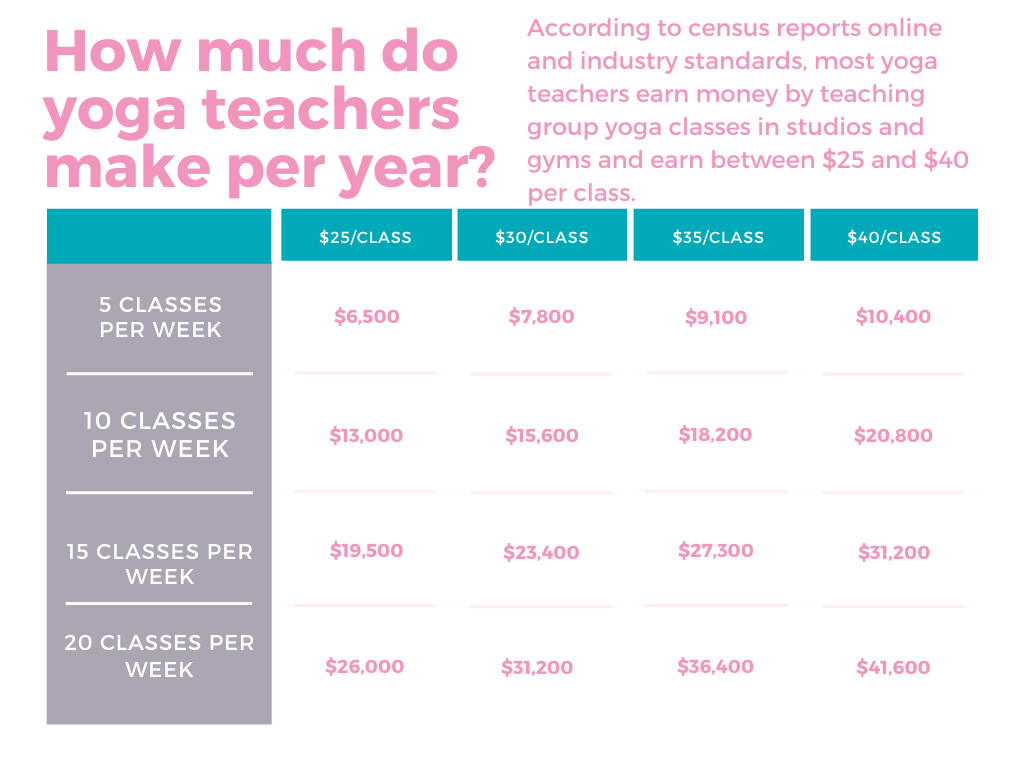
Image Source: www.brettlarkin.com
Factors Influencing Yoga Instructor Pay
The compensation for a yoga instructor isn’t a one-size-fits-all number. Several key elements play a crucial role in determining their annual earnings.
Experience Level
Like most professions, the more experience a yoga instructor has, the higher their earning potential typically becomes.
- Beginner Instructors: Those who have recently completed their yoga certification and are just starting to teach may find themselves earning less. This is often due to a smaller client base, fewer teaching hours, and lower yoga class rates per session.
- Intermediate Instructors: With a few years of teaching under their belt, instructors often gain a more substantial following, improve their teaching skills, and can command higher pay. They might also have more opportunities for private sessions or specialized workshops.
- Experienced/Master Instructors: Highly experienced yoga instructors, particularly those with advanced certifications, a strong reputation, and specialized knowledge (e.g., prenatal yoga, therapeutic yoga), can earn significantly more. They may teach at high-end studios, lead retreats, offer teacher training, or have successful private practices.
Location, Location, Location
Geographic location is a major determinant of average yoga instructor pay. Areas with a higher cost of living and a greater demand for wellness services tend to offer higher salaries.
- Major Metropolitan Areas: Cities like New York, Los Angeles, San Francisco, and London generally offer higher rates for yoga classes and private sessions due to the higher cost of living and a larger, more affluent client base. This also impacts yoga studio income for the studios themselves, allowing them to potentially pay instructors more.
- Smaller Towns and Rural Areas: In less populated or lower-cost-of-living areas, the demand for yoga might be lower, leading to lower pay rates for instructors. However, the cost of living is also lower, which can offset this to some extent.
Teaching Format and Environment
Where and how a yoga instructor teaches significantly impacts their income.
- Yoga Studios: Working for a yoga studio is a common path for many instructors. They are typically paid per class taught, with rates varying based on the studio’s pricing and the instructor’s experience. The yoga studio income is directly related to the number of students attending classes, and a portion of that revenue is allocated to instructor pay.
- Gyms and Fitness Centers: Gyms often hire yoga instructors to lead classes as part of their broader fitness offerings. Pay rates here can sometimes be lower than at dedicated yoga studios.
- Corporate Yoga: Many companies offer yoga classes as part of their employee wellness programs. Corporate yoga rates can be quite good, as businesses often have larger budgets for employee benefits.
- Private Yoga Sessions: Offering private sessions to individuals or small groups allows instructors to set higher rates, often per hour. This is a popular way to supplement income and build a more personalized client relationship. Freelance yoga earnings often come from a combination of studio classes and private sessions.
- Online Teaching: With the rise of digital platforms, many instructors teach online classes via live streams or pre-recorded content. This can provide a wider reach but income can be inconsistent, often relying on subscription models or per-class fees.
- Retreats and Workshops: Leading yoga retreats or specialized workshops can be highly lucrative. These often involve higher fees for participants, allowing instructors to earn a significant amount from a single event, though they require substantial planning and marketing. This is a key aspect of yoga entrepreneurship income.
Certifications and Specializations
The type of yoga certification salary impact can be notable.
- RYT 200 vs. RYT 500: A Registered Yoga Teacher (RYT) 200-hour certification is the industry standard. However, those with an RYT 500-hour certification or advanced training in specific modalities (e.g., Ashtanga, Vinyasa, Yin, Restorative, Prenatal, Yoga Therapy) may be able to command higher rates and attract a more dedicated clientele.
- Specialized Skills: Instructors with therapeutic yoga skills, experience working with specific populations (e.g., athletes, seniors, individuals with chronic pain), or expertise in mindfulness and meditation can often charge more for their services.
Income Streams and Diversification
Successful yoga instructors often diversify their income to create a more stable financial future.
- Teaching Studio Classes: The foundational income for many.
- Private Sessions: One-on-one instruction offers higher per-hour rates.
- Workshops and Events: Speciality topics or intensives can bring in significant revenue.
- Retreats: Destination retreats can be a major income source.
- Online Courses and Memberships: Creating digital content and communities.
- Product Sales: Selling yoga mats, props, apparel, or other related merchandise.
- Teacher Training: For experienced instructors, leading their own teacher training programs is a significant income stream.
- Content Creation: Blogging, vlogging, or social media influencing related to yoga.
Deciphering Average Yoga Instructor Pay
Let’s delve into some estimated figures for average yoga instructor pay based on common scenarios. It’s important to remember these are averages and can fluctuate widely.
Yoga Class Rates
Yoga class rates can vary significantly based on the factors mentioned above.
- Drop-in Classes (Studio): $15 – $30 per class
- Class Packages (Studio): As low as $10 – $20 per class when purchasing a package
- Private Sessions (In-person): $75 – $150+ per hour
- Private Sessions (Online): $50 – $125+ per hour
- Corporate Classes: $75 – $200+ per hour, depending on duration and client
- Workshops/Special Events: Varies greatly, but can range from $25 for a 90-minute workshop to hundreds for a full-day event.
Annual Income Estimates
Based on teaching a certain number of classes per week and supplementing with other income streams, here are some hypothetical annual income scenarios:
Scenario 1: Entry-Level Studio Instructor
- Teaches 8 classes per week at $30 per class: 8 classes/week * $30/class * 50 weeks/year = $12,000
- Total Annual Income (Estimate): $12,000 – $20,000 (Often combined with other work)
Scenario 2: Mid-Level Instructor (Studio + Privates)
- Teaches 12 classes per week at $40 per class: 12 classes/week * $40/class * 50 weeks/year = $24,000
- Conducts 4 private sessions per month at $100 per session: 4 sessions/month * $100/session * 12 months/year = $4,800
- Total Annual Income (Estimate): $28,800 – $40,000
Scenario 3: Experienced Instructor (Studio, Privates, Workshops)
- Teaches 15 classes per week at $50 per class: 15 classes/week * $50/class * 50 weeks/year = $37,500
- Conducts 8 private sessions per month at $120 per session: 8 sessions/month * $120/session * 12 months/year = $11,520
- Leads 4 workshops per year, earning $500 profit each: 4 workshops * $500/workshop = $2,000
- Total Annual Income (Estimate): $51,020 – $70,000+
Table: Sample Annual Income Breakdown
| Income Source | Avg. Rate/Unit | Units/Year | Annual Income |
|---|---|---|---|
| Studio Classes | $40 | 600 | $24,000 |
| Private Sessions | $100 | 48 | $4,800 |
| Workshops | $500 (profit) | 4 | $2,000 |
| Subtotal | $30,800 | ||
| Additional Potential | |||
| Online Courses | Varies | Varies | $5,000 – $15,000+ |
| Retreats | Varies | Varies | $10,000 – $30,000+ |
| Corporate Classes | $150/hr | 50 | $7,500 |
Note: This table illustrates potential additional income. Actual earnings will vary based on the instructor’s ability to secure these opportunities.
The Business of Yoga Teaching
For many, a yoga teaching career evolves into a form of yoga entrepreneurship income. This means moving beyond simply teaching classes to actively building a brand, marketing services, and managing business aspects.
Building a Brand and Clientele
A strong personal brand is essential for increasing freelance yoga earnings. This involves:
- Developing a Niche: Specializing in a particular style or demographic can attract a dedicated following.
- Online Presence: A professional website, active social media profiles, and email marketing are crucial for reaching potential students.
- Networking: Connecting with other instructors, studio owners, and wellness professionals can lead to opportunities.
- Word-of-Mouth: Providing excellent instruction and a positive experience encourages students to recommend you.
Managing Finances
Instructors need to be mindful of:
- Taxes: As independent contractors, they are responsible for their own taxes.
- Expenses: Business expenses like yoga certification salary improvements (continuing education), insurance, marketing, website hosting, and travel need to be tracked.
- Invoicing and Payment: Establishing clear payment terms for private clients and workshops is vital.
Yoga Instructor Benefits
While financial compensation is important, many yoga instructors also value the yoga instructor benefits that come with the profession, even if they aren’t always traditional employment benefits.
- Flexibility: The ability to set one’s own schedule and work around personal commitments.
- Personal Growth: Continuous learning and deepening one’s own yoga practice.
- Community: Connecting with like-minded individuals and fostering a supportive community.
- Passion: Doing work that is meaningful and contributes to the well-being of others.
- Health and Wellness: The inherent health benefits of practicing yoga regularly.
- Autonomy: The freedom to teach in a style that aligns with one’s philosophy.
Traditional Benefits: It’s less common for yoga instructors working as independent contractors or part-time employees to receive traditional benefits like health insurance, paid time off, or retirement plans. However, full-time employees at larger studios or fitness chains might be offered some of these perks.
Yoga Instructor Job Outlook
The yoga instructor job outlook remains positive, driven by increasing awareness of yoga’s health benefits and its growing popularity across diverse demographics.
- Growing Demand: More people are turning to yoga for stress relief, physical fitness, and mental well-being, creating a consistent demand for qualified instructors.
- Wellness Industry Growth: The broader wellness industry continues to expand, with yoga being a central component.
- Diversification of Yoga: Yoga is being adapted for various needs, such as yoga for seniors, trauma-informed yoga, and adaptive yoga, opening new teaching avenues.
- Increased Corporate Wellness: As more companies invest in employee wellness, opportunities for corporate yoga instruction are on the rise.
However, the competitive nature of the field means that instructors need to be proactive in building their careers, continuously developing their skills, and adapting to market trends.
Fathoming the Path to a Successful Yoga Teaching Career
A successful yoga teaching career requires more than just a passion for yoga. It involves strategic planning, continuous learning, and a proactive approach to building a sustainable income.
The Importance of Continuous Education
Investing in further training and certifications is crucial for growth and earning potential.
- Advanced Certifications: Pursuing RYT 500 or specialized certifications in areas like yoga therapy, prenatal yoga, or specific yoga styles can open doors to higher-paying opportunities.
- Workshops and Continuing Education: Staying current with best practices, anatomy, and teaching methodologies is essential. This also helps instructors refine their yoga certification salary expectations.
- Business and Marketing Skills: Learning about small business management, marketing, and client relations can significantly enhance freelance yoga earnings.
Marketing Your Services Effectively
For yoga entrepreneurship income, effective marketing is key.
- Professional Photography: High-quality photos for websites and social media.
- Testimonials: Gathering positive feedback from satisfied students.
- Social Media Engagement: Regularly posting valuable content, interacting with followers, and promoting classes.
- Email Lists: Building a subscriber list for direct communication about schedules, workshops, and events.
- Local Partnerships: Collaborating with complementary businesses (e.g., health food stores, therapists).
Frequently Asked Questions (FAQ)
Q1: How much can a brand new yoga instructor make in their first year?
A new yoga instructor’s first-year earnings can vary significantly but are often on the lower end. Many start by teaching a few classes per week at studios or gyms. In the first year, a common range might be $5,000 to $15,000, depending heavily on the number of classes taught and whether they supplement with private sessions.
Q2: What is the difference in pay between teaching at a studio versus freelance?
Teaching at a studio often provides a more consistent, albeit potentially lower, hourly rate per class. Freelance earnings (private sessions, workshops) generally offer higher per-unit rates but can be less predictable, requiring more effort in client acquisition and marketing. The combination of both can lead to higher overall income.
Q3: Do yoga instructors get paid for classes that are canceled due to low attendance?
This depends on the studio’s policy. Some studios may pay instructors a minimum fee, while others may not compensate for canceled classes. It’s important for instructors to clarify these policies before agreeing to teach.
Q4: How can I increase my yoga instructor salary?
To increase your yoga instructor salary, focus on gaining experience, pursuing advanced certifications, specializing in high-demand niches (e.g., therapeutic yoga, prenatal yoga), offering private sessions, leading workshops and retreats, building a strong online presence, and developing business and marketing skills.
Q5: What are the typical yoga instructor benefits if employed full-time?
Full-time yoga instructors at larger studios or fitness chains might receive benefits like health insurance, paid time off, retirement plan contributions, and discounted or free gym memberships. However, most yoga instructors work as independent contractors or part-time, where such traditional benefits are rare.
Q6: Is yoga teaching a sustainable career financially?
Yes, yoga teaching can be a sustainable career, but it often requires diversification of income streams and entrepreneurial effort. Many successful instructors combine teaching at studios with private clients, workshops, retreats, and online offerings to create a stable and fulfilling career.
Q7: What is the average income for a yoga therapist?
Yoga therapists, who often have advanced training and work with clients on specific health conditions, typically earn more than general yoga instructors. Their rates can range from $75 to $150+ per session, and their annual income can be significantly higher, often within the $50,000 to $80,000+ range, depending on their practice and specialization.
Q8: How important is a yoga certification for salary?
A yoga certification salary impact is significant. While not legally required in many places to teach a general yoga class, a reputable certification (like RYT 200 or RYT 500 from Yoga Alliance) is often a prerequisite for teaching at studios and can increase earning potential by demonstrating a commitment to training and professionalism. Advanced certifications in specialized areas can further boost income.
Q9: What does the yoga instructor job outlook look like in the next 5-10 years?
The yoga instructor job outlook is generally positive. As wellness trends continue to grow and more people seek holistic health solutions, the demand for yoga instructors is expected to remain steady or increase. Opportunities in corporate wellness, specialized yoga, and online teaching are likely to expand.
Q10: How much can I earn from yoga entrepreneurship income?
Yoga entrepreneurship income can be highly variable. It depends on the business model, the instructor’s ability to attract and retain clients, the services offered (e.g., online courses, retreats, merchandise), and effective marketing. Some yoga entrepreneurs can earn substantial incomes, exceeding $100,000 annually, while others may see more modest returns, especially in the early stages.
Conclusion
The path of a yoga instructor is a rewarding one, offering not only the chance to share a passion but also the potential for a diverse and evolving income. While the yoga instructor salary can vary widely, a combination of experience, strategic specialization, effective marketing, and a multifaceted approach to generating income can lead to a financially sustainable and deeply fulfilling yoga teaching career. By continuously investing in education and building a strong professional presence, yoga instructors can shape their own success and contribute positively to the well-being of their communities.