
So, how long is yoga class? A typical yoga class length can range from 45 minutes to 90 minutes, with 60 minutes being the most common. When deciding on the right yoga class duration for you, consider your schedule, energy levels, and what you hope to achieve from your practice.
Embarking on a yoga journey is exciting, and one of the first practical questions that pops up is about the commitment of time. You might wonder, “How long does a yoga practice take?” or “What is the typical yoga class length?” The answer isn’t a single number; it’s a spectrum that caters to various needs and preferences. Understanding the different yoga class durations available will help you find the perfect fit for your lifestyle and wellness goals.
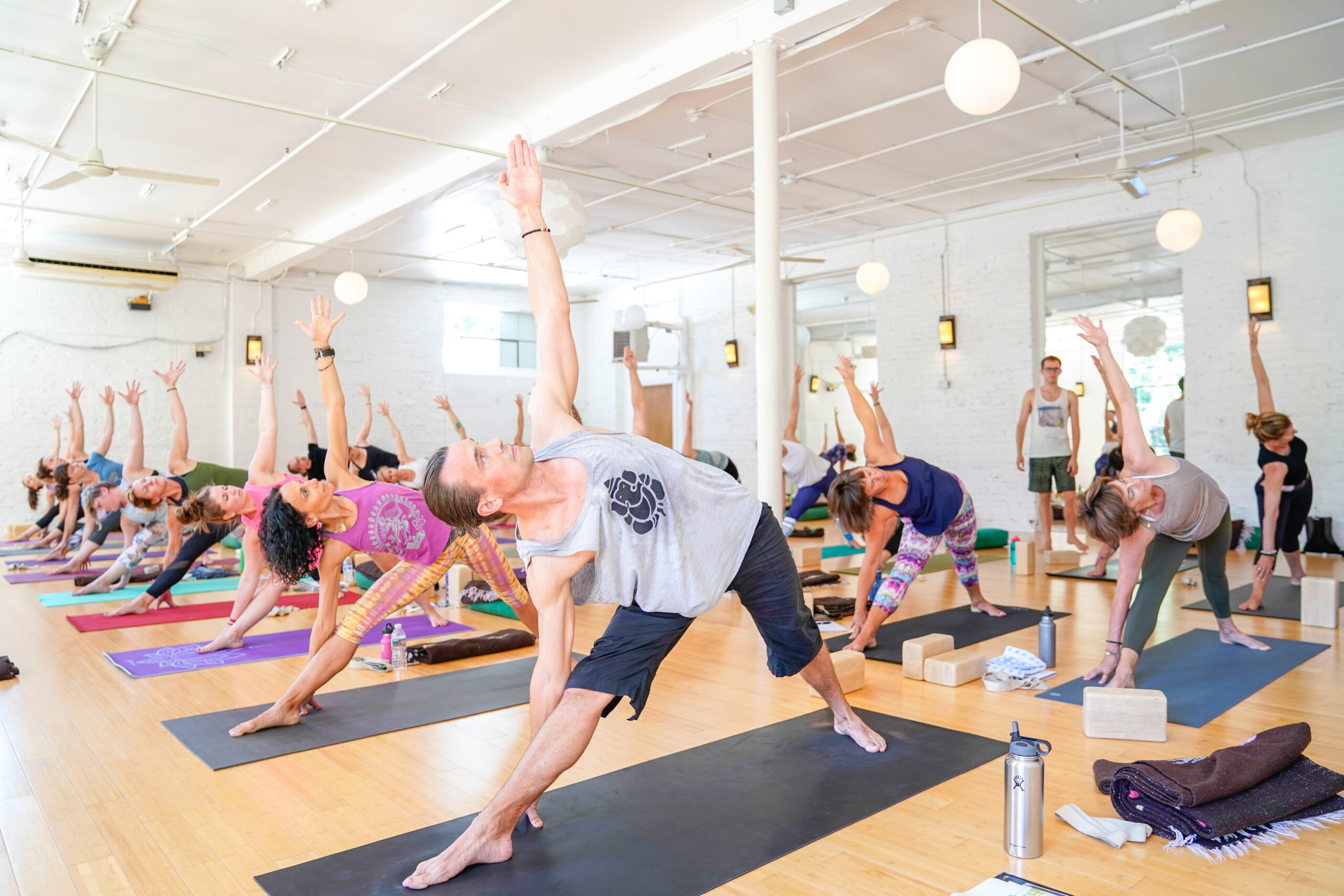
Image Source: vesselify.com
Deciphering Yoga Class Durations
The world of yoga offers a diverse range of class lengths, each designed to provide a different experience. Whether you’re a complete beginner looking for a gentle introduction or a seasoned practitioner seeking a deeper dive, there’s a yoga studio class time out there for you. Let’s break down the common yoga class duration options you’ll encounter.
The Standard 60-Minute Session
The average yoga class time you’ll find in most studios is 60 minutes. This timeframe has become the benchmark for a good reason. It allows ample space for:
- Warm-up: Gentle movements to prepare the body for deeper poses.
- Asana Practice: The physical postures that form the core of most yoga classes. This includes standing poses, seated poses, inversions, and backbends.
- Cool-down: Slower stretches to ease the muscles after exertion.
- Savasana (Corpse Pose): A period of complete relaxation, crucial for integrating the benefits of the practice.
- Meditation/Pranayama (Breathwork): Often included to calm the mind and deepen the connection between breath and body.
A 60-minute class provides a balanced experience, offering a physical challenge without being overly demanding for many. It’s a great starting point for most people.
Shorter Sessions: The 45-Minute Power-Up
In today’s fast-paced world, time is a precious commodity. This has led to the popularity of shorter yoga sessions. A 45-minute yoga class is ideal for:
- Busy Schedules: Perfect for fitting in a practice during a lunch break or before work.
- Beginners: Offers a less intimidating introduction to yoga, allowing you to experience the benefits without a significant time commitment.
- Active Recovery: A good option on days when you want to move your body but don’t need an intense workout.
These shorter classes often streamline the sequences, focusing on key poses and a more concise cool-down. They still offer the core benefits of yoga – stress reduction, improved flexibility, and strength – just in a more condensed format.
Extended Sessions: The 75-Minute and 90-Minute Immersion
For those who want to delve deeper, longer yoga sessions are available.
- 75-Minute Classes: These sessions offer a more leisurely pace, allowing for greater exploration of poses, longer holds, and more time dedicated to breathwork and meditation.
- 90-Minute Classes: These extended practices are often found in more traditional settings or for specific workshops. They provide the most comprehensive experience, allowing for a thorough exploration of the physical, mental, and spiritual aspects of yoga. A vinyasa yoga class duration of 90 minutes, for example, might involve more complex sequences and longer flows.
These longer classes are excellent for building stamina, deepening your understanding of alignment, and truly immersing yourself in the practice.
Exploring Different Yoga Styles and Their Timings
The yoga class length can also vary depending on the specific style of yoga being taught. Each style has its own rhythm and focus, which naturally influences its duration.
Hatha Yoga: A Slower Pace
Hatha yoga class length typically falls between 60 to 75 minutes. Hatha yoga emphasizes holding poses for several breaths, focusing on alignment and breath awareness. This slower pace allows for a deeper connection with each posture and a more meditative experience. A hatha yoga class length of 75 minutes is not uncommon, providing ample time for mindful transitions and sustained holds.
Vinyasa Yoga: The Flowing Sequence
Vinyasa yoga class duration often ranges from 60 to 90 minutes. Vinyasa, also known as Flow Yoga, links breath with movement, creating a dynamic and often vigorous practice. The transitions between poses are fluid and continuous. A 60-minute vinyasa class will move at a brisk pace, while a 75 or 90-minute vinyasa yoga class duration allows for more complex sequences, longer periods of holding poses in between flows, and potentially more exploration of inversions or arm balances.
Restorative Yoga: Deep Relaxation
Restorative yoga class duration is generally around 75 to 90 minutes. This gentle, therapeutic style uses props like bolsters, blankets, and blocks to support the body in passive stretches. The focus is on deep relaxation and healing. The extended restorative yoga class duration allows ample time for each pose to be held for several minutes, promoting profound rest and nervous system regulation.
Other Popular Styles and Their Typical Timings:
- Ashtanga Yoga: Traditionally taught as a self-led practice (Mysore style) or a led class. Led Ashtanga classes are typically 90 minutes, following a set sequence of postures.
- Bikram Yoga: Consists of a set series of 26 postures and two breathing exercises performed in a heated room. Bikram yoga classes are always 90 minutes long.
- Yin Yoga: Focuses on long holds (3-5 minutes or more) to target deep connective tissues. Yin classes are typically 75 to 90 minutes.
- Power Yoga: A more athletic and fitness-oriented style, often similar in duration to Vinyasa, with classes ranging from 60 to 75 minutes.
Finding Your Perfect Fit: Factors to Consider
Choosing the right yoga class duration is a personal decision. Here are some key factors to help you make an informed choice:
Your Schedule and Time Availability
This is often the most practical consideration. Do you have an hour free during your lunch break? Can you dedicate 90 minutes on a weekend morning? Be realistic about how much time you can consistently commit. Even a 45-minute session is beneficial if it’s something you can do regularly.
Your Energy Levels and Goals
- High Energy, Fitness Focus: If you’re looking for a vigorous workout and want to build strength and endurance, longer vinyasa yoga class duration or Power Yoga classes might be ideal.
- Stress Reduction and Relaxation: If your primary goal is to de-stress and unwind, shorter, gentler classes like restorative yoga class duration or a slower-paced Hatha class could be perfect. Even a 60-minute Hatha class will offer ample opportunity for relaxation.
- Skill Development: If you’re eager to learn new poses and refine your technique, longer classes allow more time for instruction, individual adjustments, and exploration.
Your Experience Level
- Beginner Yoga Class Length: For those new to yoga, a beginner yoga class length of 60 minutes is generally recommended. It allows enough time to learn basic poses, understand alignment cues, and get a feel for the practice without feeling rushed or overwhelmed. Some studios offer introductory 45-minute sessions specifically for beginners, which can be a great way to dip your toes in.
- Intermediate to Advanced: As you progress, you might find yourself drawn to longer classes that offer more challenging sequences or deeper explorations of specific poses.
The Yoga Studio’s Offerings
Different studios cater to different needs. Some studios specialize in short, express classes, while others focus on longer, more traditional sessions. Exploring the class schedules of local studios is a great way to see the variety of yoga studio class times available.
The Anatomy of a Typical Yoga Class
Regardless of the total yoga class duration, most classes follow a general structure. This predictable flow can be comforting and help you prepare mentally.
Centering and Warm-up (5-10 minutes)
Most classes begin with a few minutes of settling in. This often involves:
- Seated Meditation: Finding a comfortable seated position to connect with your breath and the present moment.
- Breath Awareness (Pranayama): Focusing on your inhales and exhales.
- Gentle Stretches: Neck rolls, shoulder shrugs, and gentle twists to awaken the body.
Asana Practice (The Main Event)
This is where the physical postures (asanas) are explored. The duration dedicated to asanas will vary significantly based on the style and overall class length.
- Hatha: Poses are held longer, with more emphasis on static alignment.
- Vinyasa: Poses are linked in flowing sequences, often synchronized with breath.
- Restorative: Poses are passive and supported by props.
Cool-down (5-10 minutes)
As the class winds down, the movements become slower and more static. This might include:
- Gentle Stretches: Seated forward folds, hip openers, and supine twists.
- Supplements: Sometimes a gentle inversion like legs-up-the-wall pose.
Savasana (Corpse Pose) and Closing (5-10 minutes)
Savasana is a non-negotiable part of any yoga practice. It’s a period of complete relaxation where the body and mind absorb the benefits of the practice. This is followed by a brief closing, often with hands at heart center and an “Namaste.”
How Long Does a Yoga Practice Take: Beyond the Studio
It’s also worth considering that the benefits of yoga extend beyond the yoga class duration itself. The mental calm, increased awareness, and physical resilience you cultivate on the mat can influence how long does a yoga practice take to integrate into your daily life. Regular practice, even if it’s just 15-20 minutes at home on days you don’t attend a studio class, can significantly amplify these benefits.
Making the Most of Your Chosen Duration
Once you’ve selected a class length, here’s how to ensure you get the most out of it:
- Arrive Early: Give yourself a few minutes to settle in, find a comfortable spot, and chat with the instructor if you have any questions.
- Communicate with Your Instructor: Let them know if you’re new, have any injuries, or are pregnant.
- Listen to Your Body: Never push yourself beyond your limits. Yoga is not a competition.
- Stay for Savasana: This final relaxation pose is incredibly important. Don’t skip it!
- Hydrate: Drink water before and after your practice.
- Be Patient: Progress takes time. Enjoy the journey of discovering what works best for you.
Frequently Asked Questions About Yoga Class Length
Q1: What is the minimum time I need for a beneficial yoga practice?
A1: Even a short 20-30 minute yoga session can be beneficial for stress relief and flexibility. The key is consistency.
Q2: Can I do yoga every day?
A2: Yes, you can do yoga every day, but it’s important to vary the intensity. Listen to your body; some days might call for a vigorous Vinyasa, while others might benefit from a gentle Restorative session.
Q3: How long should a beginner yoga class be?
A3: A 60-minute beginner yoga class is generally ideal, offering a good balance of instruction and practice. Shorter 45-minute classes are also great for first-timers.
Q4: Is a longer yoga class always better?
A4: Not necessarily. The “best” duration depends on your individual needs, goals, and schedule. A shorter, consistent practice can be more beneficial than an infrequent long one.
Q5: How much time should I allocate for Savasana in a yoga class?
A5: Savasana should ideally be at least 5-10 minutes long. In longer classes, it might be extended to 15 minutes.
Q6: What are typical yoga studio class times on weekdays versus weekends?
A6: Weekday classes often include early morning (6-8 am), lunch (12-1 pm), and evening (5-8 pm) slots. Weekend schedules tend to be more spread out, with popular times in the morning and early afternoon.
Choosing the right yoga class duration is about finding a rhythm that supports your well-being. Whether you opt for a quick 45-minute session or a more immersive 90-minute experience, the most important thing is to step onto the mat and breathe. Explore different lengths, styles, and studios to discover what truly resonates with you.