
Can you do yoga right after eating? Generally, it’s best to wait at least 2-3 hours after a large meal before practicing yoga to allow for proper digestion and prevent discomfort. For lighter snacks, 30 minutes to an hour might be sufficient. This guide will explore the intricate relationship between your timing of meals and yoga, helping you find the sweet spot for optimal digestive comfort yoga, yoga and food intake, and overall yoga performance.
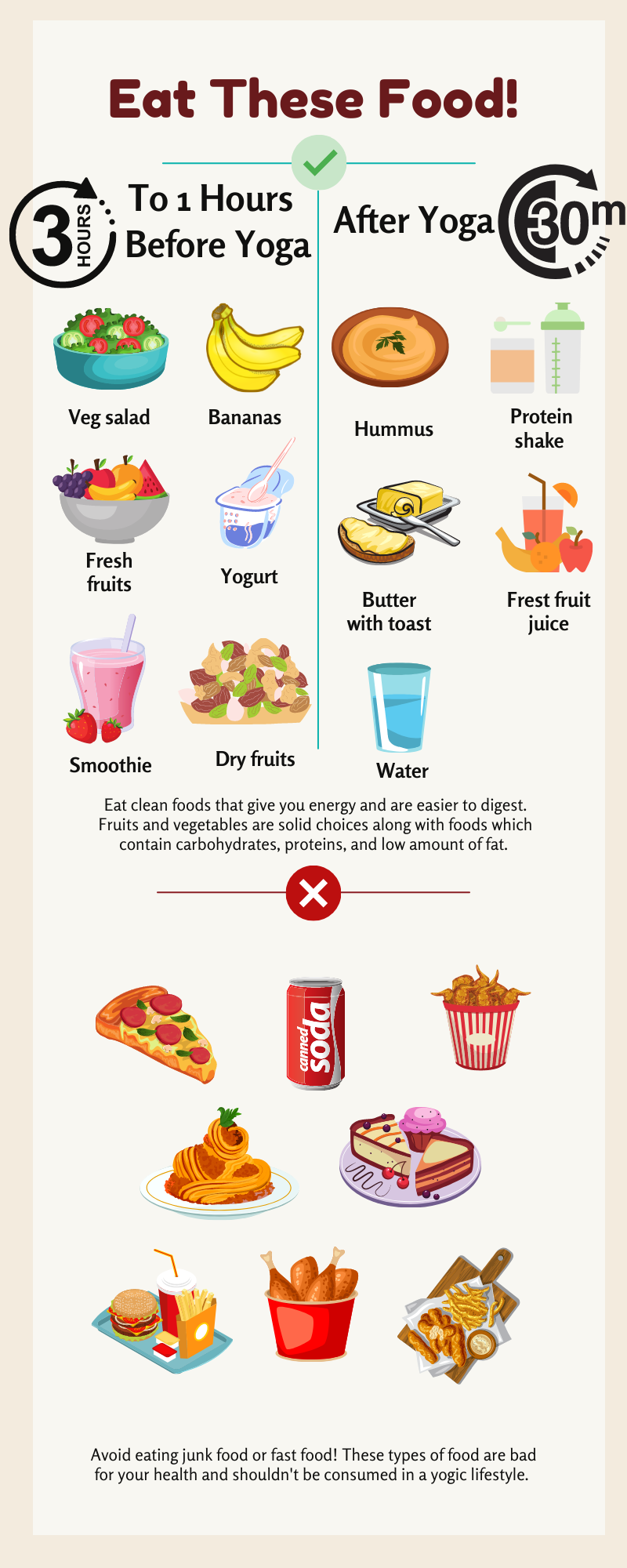
Image Source: www.fitsri.com
The Gut-Movement Connection: Why Timing Matters
Your digestive system and yoga practice are more closely linked than you might think. When you eat, your body directs a significant amount of blood flow to your stomach and intestines to break down and absorb nutrients. Engaging in vigorous physical activity, like certain yoga poses, also requires blood flow to your muscles. Trying to do both simultaneously can lead to a tug-of-war for blood supply.
Digestion’s Timeline
- Immediate Post-Meal: Blood is heavily concentrated in the digestive tract.
- Light Snack: Digestion begins, but it’s a less demanding process.
- Heavy Meal: Digestion is at its peak, requiring substantial energy and blood flow.
When you practice yoga too soon after eating, especially after a large meal, your body struggles to efficiently manage blood flow. This can result in:
- Discomfort: Feeling bloated, heavy, or nauseous.
- Reduced Performance: Lack of energy or feeling sluggish due to the digestive process.
- Acid Reflux: Certain poses can exacerbate heartburn if your stomach is full.
What to Eat Before Yoga: Fueling Your Flow
The ideal pre-yoga meal focuses on providing sustained energy without weighing you down. The key is balance: enough to prevent hunger, but not so much that it hinders your practice.
Pre-Yoga Meal Strategies
- Focus on Carbohydrates: These are your body’s primary energy source. Opt for complex carbohydrates for sustained release.
- Include a Little Protein: Protein aids in satiety and muscle recovery.
- Limit Fats and Fiber: While healthy, fats and fiber take longer to digest and can cause discomfort during yoga.
Ideal Pre-Yoga Foods
- Fruits: Bananas, apples, berries.
- Oats: Oatmeal, granola (low sugar).
- Whole-grain toast: With a thin layer of nut butter or avocado.
- Rice cakes: With honey or jam.
- Small smoothie: Made with fruit and a little yogurt or plant-based milk.
Foods to Avoid Before Yoga
- Heavy, fatty meals: Fried foods, creamy sauces, excessive cheese.
- Spicy foods: Can irritate the digestive tract.
- High-fiber foods in large quantities: Beans, lentils, cruciferous vegetables right before.
- Large amounts of caffeine: Can cause jitters or digestive upset for some.
How Long Before Practice?
The timing of meals and yoga is crucial. Here’s a general guideline:
- Large Meal: Wait 2-3 hours.
- Small Meal: Wait 1-2 hours.
- Snack: Wait 30 minutes to 1 hour.
This allows your digestive system and yoga to work in harmony.
Empty Stomach Yoga: Benefits and Considerations
Practicing yoga on an empty stomach yoga is often recommended, particularly for morning sessions.
Advantages of an Empty Stomach
- Increased Energy Availability: Your body isn’t diverting energy to digestion, potentially leading to better focus and stamina.
- Enhanced Flexibility: Some practitioners report feeling more flexible and lighter when practicing on an empty stomach.
- Detoxification Support: While the body naturally detoxifies, some believe an empty stomach allows for a more efficient release of toxins during yoga.
When is an Empty Stomach Best?
- Morning Practice: Waking up and practicing before your first meal is a popular and effective time for many.
- Afternoon/Evening Practice: If you’ve had an early lunch, waiting a few hours until your stomach is mostly empty can be ideal.
Considerations for Empty Stomach Yoga
- Listen to Your Body: If you feel weak, dizzy, or excessively hungry, a small, easily digestible snack might be necessary.
- Hydration is Key: Even on an empty stomach, drinking water before, during, and after your practice is vital.
- Intensity of Practice: A very strenuous practice might require some fuel, even if your stomach is relatively empty.
Post-Yoga Digestion: Replenishing and Recovering
After your yoga session, your body needs nutrients to repair and rebuild. The focus shifts from fueling movement to aiding recovery and post-yoga digestion.
What to Eat After Yoga
The goal is to replenish glycogen stores and provide amino acids for muscle repair.
- Lean Protein: Chicken, fish, tofu, beans, Greek yogurt.
- Complex Carbohydrates: Quinoa, brown rice, sweet potatoes, whole-grain bread.
- Healthy Fats: Avocado, nuts, seeds.
Post-Yoga Meal Timing
Aim to consume your post-yoga meal or snack within 30-60 minutes after your practice for optimal nutrient absorption. This is often referred to as the “anabolic window,” though the importance of this strict timing is debated. The key is consistent nutrient intake throughout the day.
Hydration After Yoga
Don’t forget to rehydrate! You lose fluids through sweat during yoga. Water is essential, but electrolyte-rich drinks can be beneficial after a particularly intense or long session, especially in hot weather.
Crafting Your Yoga Meal Plan: Sample Timings
Here’s a look at how eating before exercise and yoga and food intake might look throughout the day, keeping meal timing for flexibility in mind.
Sample Day Scenarios
Scenario 1: Morning Yoga Class (7:00 AM)
- 6:00 AM: Wake up, drink water.
- 6:45 AM: Small, easily digestible snack like half a banana or a few dates (optional, if you feel you need a little energy).
- 7:00 AM – 8:00 AM: Yoga class.
- 8:15 AM: Post-yoga meal rich in protein and complex carbs (e.g., oatmeal with berries and nuts, scrambled eggs with whole-wheat toast).
Scenario 2: Evening Yoga Class (6:00 PM)
- 12:30 PM: Lunch (balanced meal with protein, carbs, and healthy fats).
- 3:30 PM: Small snack (e.g., yogurt with fruit, a handful of almonds).
- 5:00 PM: Wait at least one hour after the snack, ideally 1.5-2 hours after lunch.
- 6:00 PM – 7:00 PM: Yoga class.
- 7:15 PM: Post-yoga meal or dinner.
Scenario 3: Mid-day Yoga Session (12:00 PM)
- 7:00 AM: Breakfast.
- 10:00 AM: Light snack if needed.
- 10:30 AM – 11:00 AM: Wait after snack/breakfast.
- 12:00 PM – 1:00 PM: Yoga class.
- 1:15 PM: Post-yoga meal (lunch).
Factors Influencing Your Ideal Timing
Several factors can influence how long you should wait between eating and practicing yoga. It’s not a one-size-fits-all approach.
Individual Digestion Speed
Everyone’s digestive system and yoga response is unique. Some people digest food quickly, while others take longer. Pay attention to how your body feels after eating different types of meals at various intervals before yoga.
Type of Yoga Practice
The intensity and type of yoga you choose play a significant role.
- Restorative or Yin Yoga: These gentler practices have less impact on digestion, so you might be able to eat closer to the session.
- Vinyasa or Ashtanga Yoga: These more vigorous styles require more energy and can put more pressure on your digestive system, necessitating longer gaps between meals.
Hydration
Staying hydrated is crucial for both digestion and yoga performance. Dehydration can lead to fatigue and muscle cramps. Drink water consistently throughout the day, and especially before and after your yoga practice.
Metabolism
Your metabolic rate can influence how quickly you digest food. A faster metabolism may mean you can eat closer to your yoga session than someone with a slower metabolism.
Frequently Asked Questions (FAQ)
Here are some common questions regarding when to eat for yoga performance and digestive comfort yoga:
Q1: Can I drink coffee before yoga?
A1: For some, a moderate amount of coffee an hour before yoga can boost energy and focus. However, if coffee causes you jitters or digestive upset, it’s best to avoid it or opt for decaf.
Q2: What if I have a yoga class unexpectedly? What’s a good quick fix?
A2: If you haven’t eaten in a while and have a class soon, a very small, easily digestible snack like a few dates, half a banana, or a couple of crackers can provide a quick energy boost without causing discomfort.
Q3: How long should I wait after eating to do inversions in yoga?
A3: Inversions, like headstands and shoulder stands, can increase abdominal pressure. It’s especially important to wait a good 2-3 hours after a substantial meal before attempting deep inversions to prevent reflux.
Q4: Is it okay to practice yoga on an empty stomach if I have low blood sugar?
A4: If you are prone to low blood sugar or feel faint when your stomach is empty, it’s advisable to have a small, easily digestible snack about 30-60 minutes before your practice.
Q5: What are the signs I’ve eaten too close to yoga?
A5: Signs include feeling sluggish, nauseous, bloated, experiencing cramps, or feeling a “stitch” in your side during poses. If you feel any of these, adjust your eating schedule for future practices.
Q6: Does the timing of meals and yoga affect flexibility?
A6: While direct causation is debated, feeling lighter and more energetic on an appropriately timed or empty stomach may allow for deeper stretches and improved meal timing for flexibility. When your body isn’t busy digesting, it can dedicate more resources to movement.
Q7: Can I have a smoothie before yoga?
A7: Yes, a smoothie can be a good option if it’s not too heavy. Blend fruits, a liquid base (water, plant milk, or a little yogurt), and perhaps a small amount of protein powder or seeds. Avoid adding heavy ingredients like large amounts of nut butter or ice cream. Aim to consume it at least 30-60 minutes before your practice.
Conclusion: Finding Your Personal Yoga-Food Balance
Navigating the relationship between yoga and food intake is a personal journey. By paying attention to your body’s signals, experimenting with different pre-yoga meal options and timings, and considering the intensity of your practice, you can optimize both your digestive comfort yoga and your overall yoga performance. Remember, consistent hydration and listening to your body are paramount to a fulfilling and beneficial yoga experience.