
Can you wash a Manduka yoga mat? Yes, you can and you should! Keeping your Manduka yoga mat clean is essential for hygiene and for its longevity.
Your yoga mat is your sacred space for practice, a place where you sweat, stretch, and find your center. Just like any piece of equipment you use regularly, it needs care to perform at its best and to stay free from germs. If you’re wondering how to clean a Manduka yoga mat, you’re in the right place. We’ll cover everything from daily wipes to deep cleans, helping you maintain your mat for countless peaceful practices.
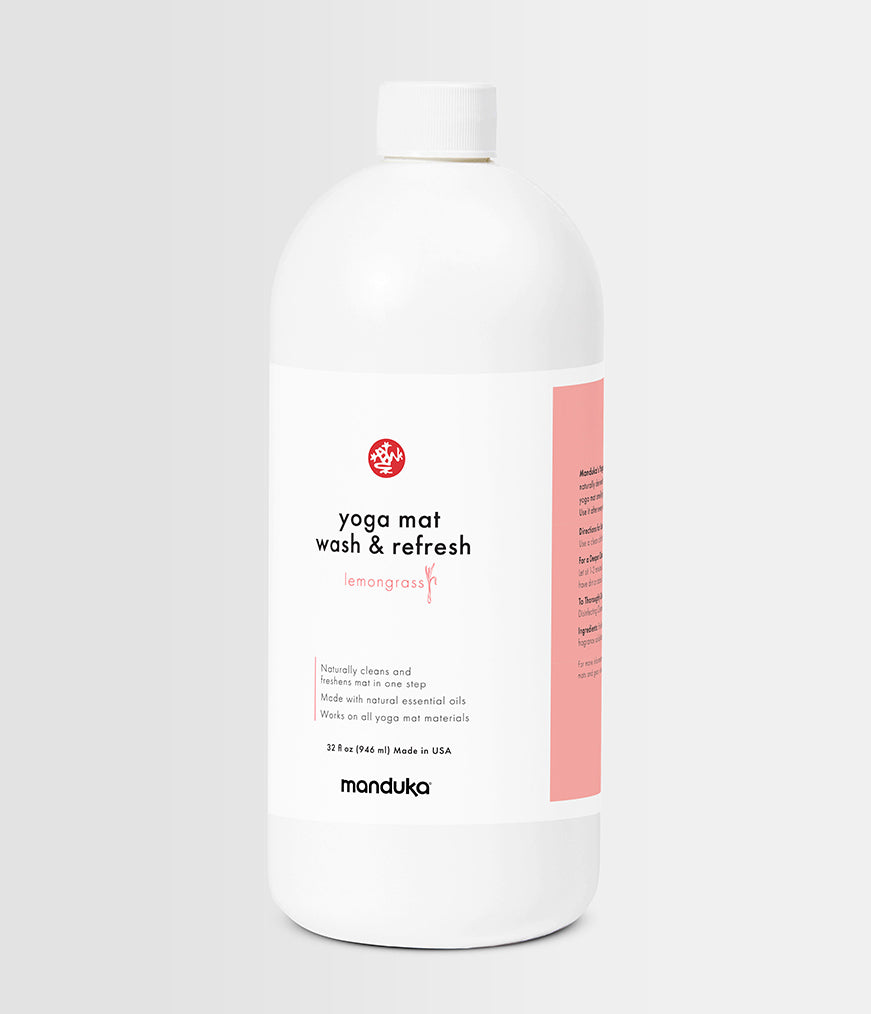
Image Source: www.manduka.com
Why Regular Mat Cleaning Matters
Yoga mats can become a breeding ground for bacteria and fungi if not cleaned regularly. Sweat, dead skin cells, and even dirt from your feet can accumulate, leading to odors and potential skin irritations. Proper cleaning not only keeps your mat fresh but also helps to preserve its grip and prevent premature wear and tear. Think of it as an extension of your mindful practice – caring for your mat is caring for yourself.
Manduka Mat Cleaner: Your Go-To Solution
Manduka offers specialized cleaning solutions designed to work effectively with their mats without compromising the material. Using a Manduka mat cleaner is often the safest and most recommended route. These cleaners are formulated to be tough on grime but gentle on the mat’s surface, ensuring it remains grippy and durable.
Benefits of Using Manduka’s Cleaners:
- Material-Specific: Formulated for the unique materials used in Manduka mats (like natural rubber or PER).
- Effective Cleaning: Tackles sweat, oils, and dirt without harsh chemicals.
- Preserves Grip: Won’t leave behind a slippery residue that can hinder your practice.
- Odor Elimination: Neutralizes unpleasant smells, leaving your mat fresh.
- Convenience: Ready-to-use sprays make cleaning quick and easy.
Natural Yoga Mat Cleaner Options
While dedicated Manduka cleaners are excellent, many yogis prefer to use a natural yoga mat cleaner. These options often utilize simple, everyday ingredients that are effective and eco-friendly.
DIY Natural Cleaner Recipes:
Here are a few simple recipes you can try:
Recipe 1: Vinegar and Water
- Ingredients:
- 1 part white vinegar
- 1 part water
- Instructions: Mix equal parts white vinegar and water in a spray bottle. Lightly mist your mat and wipe clean with a soft cloth. Vinegar is a natural disinfectant and deodorizer.
Recipe 2: Water and Essential Oils
- Ingredients:
- 1 cup water
- 5-10 drops of tea tree oil (known for its antimicrobial properties)
- Optional: 5-10 drops of lavender or eucalyptus oil for scent and additional benefits.
- Instructions: Combine water and essential oils in a spray bottle. Shake well before each use. Spray lightly and wipe with a cloth.
Recipe 3: Castile Soap and Water
- Ingredients:
- 1-2 tablespoons of unscented liquid castile soap
- 2 cups of water
- Instructions: Mix castile soap with water in a spray bottle. Use sparingly, as too much soap can leave a residue. Spray lightly, wipe with a damp cloth, and then a dry cloth to remove any soap film.
Important Note for Natural Cleaners: Always test a small, inconspicuous area of your mat first, especially if it’s a colored or textured mat, to ensure the cleaner doesn’t cause discoloration. Avoid using harsh chemicals like bleach or strong solvents, as they can damage the mat’s material and grip.
Caring for Your Manduka Eko Lite Mat
The Manduka Eko Lite cleaner is specifically designed for their Eko mats, which are made from natural tree rubber. If you own a Manduka Eko Lite, using a cleaner formulated for its natural rubber composition is crucial. The Eko Lite cleaner is mild and effective at removing sweat and dirt while preserving the mat’s natural properties. You can use the specialized Manduka Eko Lite cleaner or follow the natural cleaner recipes mentioned above, ensuring they are gentle enough for natural rubber.
Proper Yoga Mat Cleaning: Step-by-Step Guide
Achieving proper yoga mat cleaning involves a routine that suits your practice frequency and intensity. Here’s a general guide for keeping your Manduka mat in top condition.
Daily Quick Clean (After Every Practice):
This is your first line of defense against sweat and grime.
- Gather Supplies: You’ll need a clean cloth (microfiber works well) and your chosen cleaning solution (Manduka mat cleaner, DIY cleaner, or just water).
- Wipe Down: Lightly mist your mat with your cleaning solution or water.
- Wipe Clean: Use the cloth to wipe down the entire surface of the mat, paying attention to areas where you sweat the most.
- Air Dry: Lay your mat flat or hang it over a drying rack in a well-ventilated area. Ensure it’s completely dry before rolling it up. Never store a damp mat, as this can lead to mildew.
Weekly Deep Clean (or As Needed):
For a more thorough clean, especially if you practice more intensely or notice a buildup of dirt or odor.
- Prepare Your Mat: Unroll your mat completely.
- Apply Cleaner: Generously spray your mat with your chosen cleaner (Manduka mat cleaner or a natural solution).
- Scrub Gently: Use a soft cloth or a very soft-bristled brush to gently scrub the surface. For stubborn spots, you might need to let the cleaner sit for a minute or two.
- Rinse (If Necessary): If you used a soap-based cleaner, you might need to wipe down the mat with a clean cloth dampened with plain water to remove any residue. Avoid soaking the mat.
- Dry Thoroughly: This is a critical step. Pat down the mat with a dry towel to absorb excess moisture. Then, let it air dry completely in a well-ventilated area, away from direct sunlight, which can degrade the mat. This could take several hours.
- Roll and Store: Once completely dry, roll your mat with the top side facing out and store it in a cool, dry place.
How to Sanitize Your Yoga Mat
Knowing how to sanitize your yoga mat is crucial, especially if you practice in a studio or share mats. While cleaning removes visible dirt, sanitizing kills germs.
- Vinegar Solution: The diluted vinegar solution mentioned earlier is a great natural sanitizer. The acetic acid in vinegar helps kill bacteria and mold.
- Tea Tree Oil: Tea tree oil has natural antiseptic and antifungal properties. Adding a few drops to your water-based cleaner can boost its sanitizing power.
- Isopropyl Alcohol (Diluted): For a more potent sanitizing option, you can use a very diluted solution of isopropyl alcohol (70%). Mix 1 part alcohol with 3 parts water. However, use this option with extreme caution, as alcohol can potentially degrade some mat materials over time, especially natural rubber. Always test a small area first and use sparingly.
Important Note on Sanitizing: Always ensure the sanitizing agent is safe for your specific mat material. If in doubt, stick to gentler methods like vinegar or tea tree oil.
Yoga Mat Maintenance: Extending Your Mat’s Lifespan
Good yoga mat maintenance is key to keeping your Manduka mat performing well for years.
Dos and Don’ts for Mat Care:
| Do | Don’t |
|---|---|
| Do clean your mat regularly after each use. | Don’t use abrasive cleaners or scrub brushes. |
| Do allow your mat to air dry completely before rolling. | Don’t leave your mat in direct sunlight for extended periods. |
| Do store your mat in a cool, dry place away from humidity. | Don’t soak your mat in water or put it in a washing machine. |
| Do use cleaners specifically designed for yoga mats. | Don’t use harsh chemicals like bleach, ammonia, or petroleum products. |
| Do roll your mat with the top side facing outwards. | Don’t store your mat rolled tightly against other objects. |
| Do be mindful of what your mat comes into contact with (e.g., lotion, oils). | Don’t wear shoes on your yoga mat. |
The Best Way to Clean Manduka Mat
The best way to clean Manduka mat often comes down to personal preference and the specific model of your mat. However, generally speaking, using a dedicated Manduka mat cleaner or a gentle, natural cleaner followed by thorough air drying is considered the most effective approach for long-term mat health.
If your mat is particularly dirty or has absorbed a lot of sweat, consider a slightly more intensive cleaning session following the deep clean steps outlined above.
Disinfecting Your Yoga Mat Safely
When disinfecting yoga mat surfaces, prioritize methods that are effective against microbes without damaging the mat.
- Surface Disinfection: For surface-level disinfection, a light mist of diluted vinegar or a cleaner with tea tree oil is usually sufficient for regular use.
- Deeper Disinfection: If you’re concerned about deeper germ penetration or have had prolonged contact with someone who was ill, you might consider a slightly stronger approach. However, always err on the side of caution to protect your mat.
Biodegradable Yoga Mat Cleaner Options
For the eco-conscious yogi, a biodegradable yoga mat cleaner is the ideal choice. Many natural cleaning solutions fit this bill.
- Vinegar: White vinegar is a biodegradable and natural disinfectant.
- Water and Essential Oils: Water is obviously biodegradable, and pure essential oils break down naturally. Ensure any added ingredients are also biodegradable.
- Specialized Eco-Cleaners: Many yoga brands now offer eco-friendly, biodegradable cleaning sprays. Look for labels that indicate natural ingredients and environmental certifications.
When choosing a cleaner, consider the environmental impact of its ingredients and packaging.
Manduka Mat Care Instructions Summary
Here’s a concise rundown of Manduka mat care instructions:
- Daily: Wipe down with a damp cloth and your preferred gentle cleaner after each use.
- Weekly/Deep Clean: Spray with cleaner, gently scrub, wipe with a damp cloth if needed, and allow to air dry completely.
- Avoid: Harsh chemicals, abrasive materials, soaking, machine washing, and prolonged direct sunlight.
- Storage: Store rolled, top-side out, in a cool, dry place.
- Longevity: Proper cleaning and maintenance significantly extend your mat’s life and performance.
Frequently Asked Questions (FAQ)
Q1: Can I use essential oils on my Manduka mat?
A1: Yes, you can, but use them sparingly and diluted with water. Essential oils like tea tree, lavender, or eucalyptus have antimicrobial properties and add a pleasant scent. However, some oils can potentially stain or degrade certain mat materials if used in excess or undiluted. Always test in an inconspicuous area first.
Q2: How often should I clean my Manduka yoga mat?
A2: It’s recommended to wipe down your mat after every practice. A deeper clean should be done at least once a week, or more frequently if you practice intensely or notice sweat buildup and odors.
Q3: Can I machine wash my Manduka yoga mat?
A3: No, you should never put your Manduka yoga mat in a washing machine. The agitation, heat, and detergents can severely damage the mat’s material, compromise its grip, and cause it to break down.
Q4: My Manduka mat smells. How can I get rid of the odor?
A4: For odors, a deeper clean with a vinegar and water solution or a cleaner containing tea tree oil is effective. Ensure the mat is completely dry afterwards. Leaving the mat to air dry in a well-ventilated area for an extended period can also help dissipate odors.
Q5: Can I use rubbing alcohol to clean my Manduka mat?
A5: While rubbing alcohol (isopropyl alcohol) can disinfect, it can also dry out and potentially damage the material of some yoga mats, especially those made from natural rubber. If you choose to use it, dilute it significantly with water (e.g., 1 part alcohol to 3 parts water) and test on a small area first. Use this method sparingly and less frequently than other cleaning options.
Q6: How do I store my Manduka yoga mat?
A6: Store your mat rolled up, with the top (practice) side facing outwards. This prevents the practice surface from getting compressed and helps maintain its grip. Keep it in a cool, dry place, away from direct sunlight and extreme temperatures.
By following these simple yet effective steps for cleaning and care, you can ensure your Manduka yoga mat remains a clean, supportive, and cherished companion on your yoga journey for years to come.