
Can I make my own yoga mat cleaner? Yes, absolutely! Making your own yoga mat cleaner is a fantastic way to keep your practice space fresh and hygienic without exposing yourself to harsh chemicals. It’s simple, cost-effective, and allows you to tailor the scent and ingredients to your preferences.
This guide will walk you through creating a natural, effective DIY yoga mat cleaner. We’ll explore the benefits of natural cleaning, provide an easy-to-follow recipe, discuss essential ingredients, and offer tips for keeping your mat in top condition. Say goodbye to synthetic sprays and hello to a clean, healthy practice space!
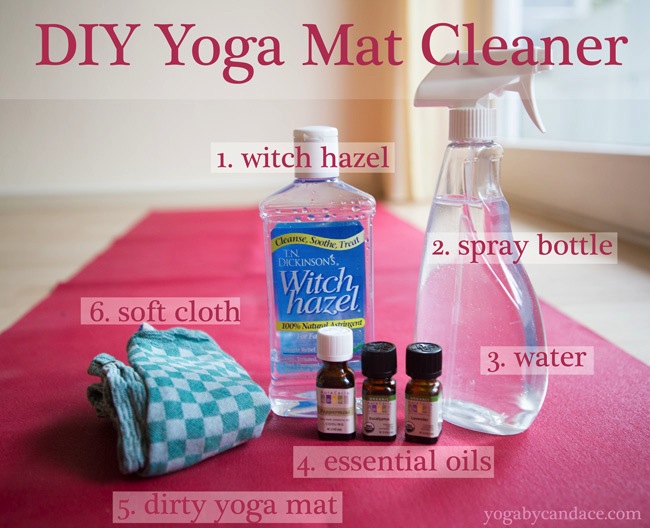
Image Source: images.squarespace-cdn.com
Why Choose Natural Yoga Mat Cleaning?
Your yoga mat is where you connect with your body, breathe deeply, and find your center. It’s essential that this space is clean and free from anything that could detract from your practice or your well-being. Traditional cleaning products often contain synthetic fragrances, preservatives, and harsh chemicals like ammonia, bleach, or strong alcohols. These can:
- Irritate your skin: Many people have sensitivities to these chemicals, which can lead to rashes or skin irritation, especially on areas like your face and hands that come into direct contact with the mat.
- Damage your mat: Certain chemicals can break down the materials of your yoga mat, causing it to become sticky, brittle, or discolored. This can shorten the lifespan of your mat.
- Impact your breathing: The fumes from conventional cleaners can be strong and may interfere with the deep breathing central to yoga practice.
- Pose environmental concerns: Many cleaning chemicals are not eco-friendly and can be harmful to waterways when washed down the drain.
Opting for a natural yoga mat spray means you’re choosing ingredients that are gentle on your skin, safe for your mat, and kinder to the environment. It’s about creating a clean, healthy sanctuary for your practice.
The Best Yoga Mat Cleaning Solution: A Simple DIY Recipe
Creating your own natural yoga mat cleaner is incredibly straightforward. You likely have many of the ingredients in your kitchen already! This recipe is designed to be effective at cleaning and disinfecting without being harsh.
Here’s what you’ll need:
Ingredients:
- Distilled Water: 1 cup (about 240 ml). Using distilled water is best as it doesn’t contain minerals that can leave spots or residue on your mat. Tap water can be used in a pinch, but you might notice slight water spots.
- White Vinegar: 1/4 cup (about 60 ml). Vinegar is a natural disinfectant and deodorizer. Its acidity helps break down dirt and kill bacteria.
- Optional: Rubbing Alcohol (Isopropyl Alcohol) 70%: 1-2 tablespoons (15-30 ml). This acts as an additional disinfectant and helps the solution dry faster. If you have a very sensitive mat or are concerned about drying, you can omit this or use less.
- Essential Oils (for scent and antimicrobial properties): 5-10 drops total.
Essential Oils for Yoga Mat Cleaner:
Choosing the right essential oils can enhance your cleaning and your practice. Many essential oils have natural antimicrobial, antifungal, and antiviral properties, which are perfect for disinfecting yoga mat surfaces. They also add a pleasant, natural fragrance.
Here are some excellent choices:
- Tea Tree Oil: A powerhouse for its strong antibacterial, antifungal, and antiviral properties. It’s a top choice for effective sanitization.
- Lavender Oil: Known for its calming scent, lavender also possesses antibacterial properties and can promote relaxation.
- Eucalyptus Oil: Offers a refreshing, clean scent and has potent antimicrobial and antiviral qualities.
- Lemon Oil: Provides a bright, uplifting scent and is a natural degreaser and antiseptic.
- Peppermint Oil: Delivers a cooling, invigorating aroma and has antibacterial properties.
You can use a single essential oil or create a blend. A common and effective blend is tea tree oil and lavender, or eucalyptus and lemon for a more invigorating scent.
Equipment:
- Spray Bottle: A clean, empty spray bottle, preferably glass or BPA-free plastic. A 16-ounce (approx. 500 ml) bottle works well.
- Funnel (optional): To make pouring the ingredients into the spray bottle easier.
Step-by-Step DIY Yoga Mat Cleaner Recipe:
- Gather Your Supplies: Ensure you have your spray bottle, distilled water, white vinegar, and chosen essential oils ready.
- Add Vinegar: Pour 1/4 cup of white vinegar into your clean spray bottle. A funnel can be helpful here.
- Add Water: Carefully add 1 cup of distilled water to the spray bottle.
- Add Rubbing Alcohol (Optional): If using, add 1-2 tablespoons of rubbing alcohol to the mixture.
- Add Essential Oils: Add 5-10 drops of your chosen essential oils. Start with fewer drops and add more if you desire a stronger scent.
- Secure the Lid: Tightly screw the spray nozzle onto the bottle.
- Shake Well: Shake the bottle vigorously for about 30 seconds to ensure all ingredients are thoroughly mixed.
Your homemade yoga mat disinfectant is now ready to use!
How to Use Your Natural Yoga Mat Spray
Using your natural yoga mat spray is simple.
- After Each Practice: Lightly mist your yoga mat with the cleaner.
- Wipe Down: Use a clean, soft cloth (microfiber is excellent) to wipe down the entire surface of your mat. Ensure you cover both the top and bottom surfaces.
- Air Dry: Allow your mat to air dry completely before rolling it up or using it again. This is crucial to prevent mold and mildew. You can prop it up against a wall or hang it over a chair.
- For Deeper Cleaning/Disinfecting: For a more thorough clean, especially if your mat has seen a particularly sweaty session or you want to ensure it’s well-disinfected, you can let the spray sit on the mat for a minute or two before wiping.
Important Note: Always test your DIY cleaner on a small, inconspicuous area of your mat first, especially if your mat is made of a unique or sensitive material. Some materials, like certain natural rubbers or porous surfaces, might react differently.
Alternative Natural Cleaning Methods for Your Yoga Mat
While the spray recipe is highly effective, here are a few other approaches to consider for cleaning yoga mats without chemicals:
1. Vinegar and Water (No Essential Oils)
If you prefer to avoid essential oils or are sensitive to them, a simple mixture of equal parts white vinegar and water can be an effective DIY yoga mat cleaner.
- Recipe: Mix 1/2 cup white vinegar with 1/2 cup distilled water in a spray bottle.
- Use: Spray, wipe with a cloth, and air dry.
- Pros: Very simple, highly effective for basic cleaning and deodorizing.
- Cons: Lacks the added antimicrobial boost and pleasant scent of essential oils.
2. Baking Soda Paste (for Stubborn Stains)
For tougher spots or odors, baking soda can be a gentle abrasive.
- Recipe: Mix baking soda with a small amount of water to form a paste.
- How to Use: Apply the paste to the stain, let it sit for a few minutes, then gently scrub with a soft cloth or brush. Wipe away residue with a damp cloth and allow the mat to air dry thoroughly.
- Pros: Effective for stains and deep cleaning.
- Cons: Can leave a white residue if not fully rinsed and dried. Best for spot treatment, not a full mat clean.
3. Gentle Soap and Water (Use Sparingly)
For some mat types, a very mild, natural soap can be used, but proceed with caution.
- Recipe: Mix a tiny drop of natural, unscented liquid soap (like castile soap) with a cup of water.
- How to Use: Dampen a cloth with the mixture, wring it out thoroughly so it’s barely damp, and wipe the mat. Follow immediately with a clean cloth dampened with plain water to rinse. Air dry completely.
- Pros: Can tackle grime effectively.
- Cons: Soap residue can make a mat slippery if not completely removed. Can damage certain mat materials if used too often or if the soap isn’t truly natural and mild. Always check your mat manufacturer’s recommendations.
Caring for Different Yoga Mat Materials
The best yoga mat cleaning solution can sometimes depend on the material your mat is made from. Most modern yoga mats are made from PVC, TPE, or natural rubber.
| Mat Material | Recommended Cleaning | What to Avoid |
|---|---|---|
| PVC (Polyvinyl Chloride) | Mild soap and water (diluted), or your DIY vinegar/water spray. Generally durable. | Harsh chemicals, abrasive scrubbers, excessive sunlight exposure (can degrade the material). Do not soak. |
| TPE (Thermoplastic Elastomer) | Your DIY vinegar/water spray, or a very mild soap solution. TPE is generally non-porous and easy to clean. | Oils, solvents, alcohol-based cleaners (can sometimes degrade TPE), abrasive materials. Avoid prolonged exposure to heat. |
| Natural Rubber | Your DIY vinegar/water spray (use sparingly if you’re concerned about the vinegar’s acidity affecting the rubber over time, though dilution usually makes it safe). Do NOT use alcohol. | Alcohol, harsh detergents, oil-based cleaners (can break down natural rubber), essential oils with strong degreasing properties (like citrus) if used undiluted or in high concentration. Avoid prolonged exposure to sunlight and heat, which can cause cracking and deterioration. Natural rubber mats can be quite absorbent, so allow ample drying time. |
| Jute, Cotton, Cork | Mild solutions. For jute and cotton, a damp cloth with water or a very diluted vinegar solution might be best. Cork can be wiped with a damp cloth. | Soaking, harsh chemicals, excessive moisture. Jute and cotton can be prone to mildew. Cork can be sensitive to acids and prolonged moisture. Always check manufacturer guidelines for these natural materials. |
General Tip: Always check the manufacturer’s care instructions for your specific yoga mat. They will provide the most accurate advice for maintaining your mat’s integrity and longevity.
Maintaining a Fresh and Invigorating Practice Space
Beyond regular cleaning, here are some tips to help keep your practice space fresh:
- Air Out Your Mat: Whenever possible, unroll your mat and let it air out between practices. This helps to dissipate moisture and odors.
- Store Properly: Roll your mat with the top side facing outwards. Avoid storing it in direct sunlight or extreme heat.
- Clean Hands and Feet: Ensure your hands and feet are clean before practice. This reduces the amount of sweat and dirt transferred to your mat.
- Consider a Mat Bag: A mat bag can protect your mat from dust and dirt when you’re not using it, and can also help with airing it out.
- Deep Clean Periodically: Even with daily cleaning, a deeper clean every few weeks can be beneficial, especially if you practice hot yoga or sweat a lot.
Frequently Asked Questions (FAQ)
Here are some common questions about making and using natural yoga mat cleaner.
How often should I clean my yoga mat?
It’s a good idea to wipe down your yoga mat after every use, especially if you sweat during practice. A more thorough clean with your DIY spray can be done once a week or as needed.
Can I use essential oils directly on my yoga mat?
No, it’s best to dilute essential oils in water or a carrier liquid like vinegar or alcohol before applying them to your mat. Undiluted essential oils can be too potent and may damage certain mat materials or leave oily residue.
Will vinegar damage my yoga mat?
When diluted with water as in the recipe above, white vinegar is generally safe for most yoga mat materials. Its acidity helps to clean and disinfect. However, if you have a very delicate or natural rubber mat, it’s always wise to test in a small area first. Avoid using strong, undiluted vinegar.
How do I get rid of a strong odor on my yoga mat?
Your DIY natural yoga mat spray with essential oils like tea tree, eucalyptus, or lemon is excellent for tackling odors. If the odor persists, you can try letting the spray sit on the mat for a few minutes before wiping, or use the baking soda paste method for targeted odor removal. Ensure the mat dries completely after cleaning.
What if my yoga mat material is sensitive to alcohol?
If you have a natural rubber mat or are concerned about alcohol, you can simply omit the rubbing alcohol from the recipe. The vinegar and essential oils will still provide good cleaning and disinfecting yoga mat capabilities. You might just need to allow a little extra drying time.
Can I use this as a yoga mat sanitizing spray?
Yes, the inclusion of vinegar and certain essential oils like tea tree or eucalyptus gives this DIY yoga mat cleaner sanitizing properties. It helps to kill common germs and bacteria found on surfaces. For a stronger sanitizing effect, you can increase the rubbing alcohol slightly (if your mat material can tolerate it) or ensure the spray is left on the surface for a minute before wiping.
What is the best way to dry my yoga mat after cleaning?
Always allow your yoga mat to air dry completely before rolling it up. Lay it flat on a clean surface, or prop it up against a wall or chair to allow air circulation on both sides. Avoid using heat sources like hair dryers, as this can damage the mat.
Is this a refreshing yoga mat spray?
Absolutely! The addition of essential oils like peppermint, eucalyptus, or lemon can make your mat smell wonderfully fresh and invigorating, enhancing your practice experience.
Can I make a homemade yoga mat disinfectant without vinegar?
Yes. If you can’t use vinegar, you can try a base of water with rubbing alcohol (70% isopropyl alcohol) and essential oils. A common ratio is 3 parts water to 1 part alcohol. However, be cautious as alcohol can sometimes dry out certain mat materials over time. Always patch-test.
Conclusion: Embrace Natural Cleanliness for Your Practice
Creating your own natural yoga mat cleaner is a rewarding and beneficial practice. It’s a simple step towards a healthier, more sustainable lifestyle that directly supports your yoga journey. By using readily available, natural ingredients, you can effectively clean, disinfect, and refresh your mat, ensuring it remains a clean and inviting space for your practice.
Experiment with different essential oil blends to find what resonates with you. Whether you’re looking for a calming scent for evening yoga or an invigorating aroma for a morning session, your easy yoga mat recipe can be customized. Enjoy the peace of mind that comes with knowing you’re cleaning yoga mats without chemicals and nurturing your body and your practice space naturally.