Choosing the right size yoga ball for pregnancy is crucial for maximizing its benefits during this special time. The ideal size ensures proper posture, comfort, and safety for both you and your growing baby. When selecting your ball, the primary factor is your height.
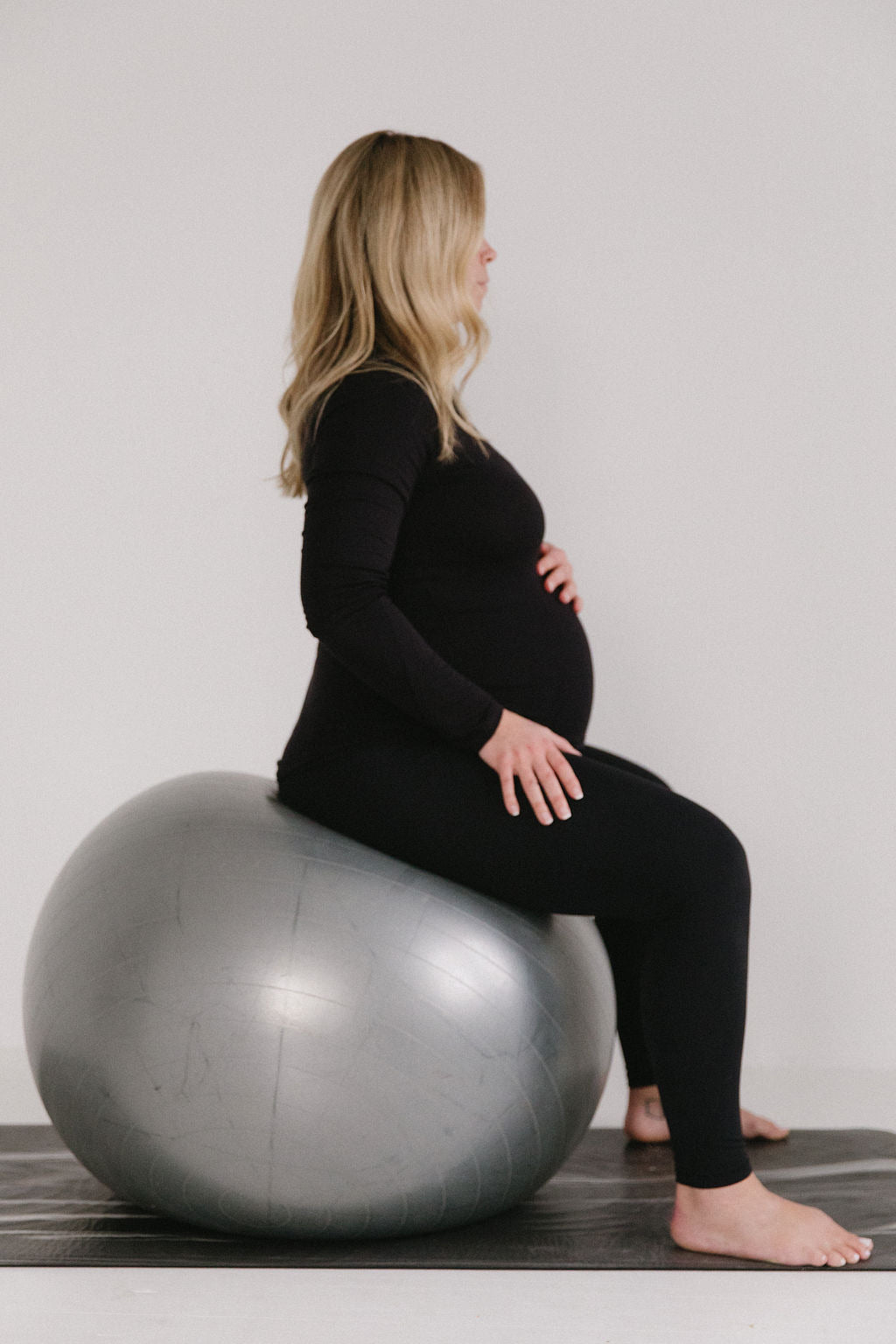
Image Source: chiroformoms.com
Why a Yoga Ball for Pregnancy?
Yoga balls, often called birthing balls or stability balls, offer a multitude of benefits for expectant mothers. Their unique ability to allow for a wide range of movement and provide support makes them invaluable tools for managing common pregnancy discomforts and preparing for labor.
Comfort and Pain Relief
Pregnancy brings about significant physical changes, often leading to back pain, hip pain, and general discomfort. A yoga ball can be a fantastic tool for alleviating these issues.
- Back Pain Relief: Sitting on a yoga ball encourages a neutral spine, which can take pressure off the lower back. Gentle bouncing or rocking motions can also soothe tense back muscles. Many pregnant women find a birthing ball for back pain to be a lifesaver.
- Hip Alignment: The open-seated position on a yoga ball can help to open up the hips, relieving pressure and improving circulation. This is especially helpful as the baby grows and puts more pressure on the pelvic area.
- Pelvic Mobility: Gentle pelvic tilts and circles on the ball can improve mobility in the pelvis, which is essential for preparing the body for labor and birth.
Exercise and Fitness
Staying active during pregnancy is vital for maintaining strength, stamina, and overall well-being. Yoga balls are versatile for various exercises that are safe and beneficial during pregnancy.
- Low-Impact Aerobics: Gentle bouncing and rocking can elevate your heart rate without putting excessive strain on your joints.
- Core Strengthening: While traditional crunches are often off-limits, exercises like pelvic tilts and gentle abdominal contractions on the ball can help maintain core strength.
- Stretching and Flexibility: The ball can support various stretches, helping to improve flexibility and range of motion.
Labor Preparation and Support
Many expectant mothers find a yoga ball incredibly useful during labor itself.
- Positioning: The ball allows for freedom of movement, enabling you to find comfortable positions that can help the baby descend and rotate into an optimal position for birth.
- Pain Management: The gentle rocking and pressure point relief provided by the ball can act as a natural pain management technique during contractions.
- Focus and Relaxation: Using the ball can provide a physical anchor, helping to focus your breathing and manage the intensity of contractions. Many find a yoga ball for labor to be an indispensable companion.
Determining Your Yoga Ball Size
The most critical factor in choosing the right size yoga ball is your height. The goal is to have your hips slightly higher than your knees when sitting on the ball, with your thighs angled slightly downwards. This position promotes good posture and optimal comfort.
Height-Based Sizing Guide
Here’s a general exercise ball pregnancy size chart to help you make your selection. Remember, these are guidelines, and personal comfort is key.
| Your Height (Approximate) | Recommended Ball Diameter |
|---|---|
| Under 5’0″ | 45 cm |
| 5’0″ – 5’4″ | 55 cm |
| 5’5″ – 5’8″ | 65 cm |
| 5’9″ – 6’0″ | 75 cm |
| Over 6’0″ | 85 cm |
How to Test for the Correct Size
The best way to determine if a yoga ball is the right size for you is to try it out.
- Sit on the Ball: Sit upright on the ball with your feet flat on the floor, shoulder-width apart.
- Check Your Thighs: Your thighs should be parallel to the floor or angled slightly downwards.
- Knees and Hips: Your knees should be at roughly a 90-degree angle, and your hips should be level with or slightly higher than your knees.
- Back Posture: You should be able to maintain a neutral spine, not hunched over or leaning back excessively.
If your thighs are angled upwards, the ball is likely too small. If you feel like you’re sinking too low, and your knees are significantly lower than your hips, the ball is probably too large.
Beyond Height: Other Considerations
While height is the primary determinant, a few other factors can influence your choice when choosing a birthing ball size.
- Your Body Shape and Weight Distribution: Some individuals may find that their personal comfort dictates a slightly different size than the chart suggests, especially if their torso length or weight distribution differs significantly from the average.
- Intended Use:
- General Comfort and Exercise: If your primary goal is general comfort and light exercise throughout pregnancy, the height-based chart is usually sufficient.
- Labor and Birthing: If you plan to use the ball extensively during labor, you might want to consider a slightly larger size that allows for more freedom of movement and leaning forward. Some women find that a larger ball provides more stability when leaning over it.
- Back Pain Focus: For those specifically seeking a birthing ball for back pain, ensuring that perfect 90-degree knee angle when sitting is paramount. This maximizes the postural benefits.
- Brand Variations: Different brands might have slight variations in their sizing. Always check the manufacturer’s specific recommendations if available.
- Inflation Level: The ball’s inflation level can slightly alter its firmness and overall feel. A slightly under-inflated ball can offer more cushioning, while a fully inflated ball provides more resistance. You can often adjust the firmness to suit your preference, but this adjustment is within the confines of the chosen ball diameter.
Types of Balls and Their Suitability for Pregnancy
While “yoga ball” is a common term, you’ll also encounter “birthing ball,” “exercise ball,” and “stability ball.” For pregnancy, these terms are largely interchangeable, though “birthing ball” often implies a focus on labor support.
The Birthing Ball
Often the same as a yoga or exercise ball, the “birthing ball” specifically highlights its use during labor. These balls are designed to be durable and supportive for pregnant women. They are typically made of anti-burst PVC, ensuring they deflate slowly rather than bursting if punctured, which is a crucial safety feature during labor.
The Exercise Ball
These are general-purpose fitness balls. For pregnancy, you want to ensure you choose a high-quality exercise ball that is specifically rated for a high weight capacity and has anti-burst properties. Many exercise balls are suitable for pregnant women looking for a stable and supportive piece of equipment for gentle workouts and postural improvement.
The Stability Ball
Stability balls are essentially the same as exercise balls and birthing balls. The name emphasizes their role in improving balance and core stability. For pregnancy, this focus on stability can be beneficial for maintaining good posture and strengthening supporting muscles.
Pilates Ball
Pilates balls are typically smaller and softer than yoga or exercise balls. While they have their place in a pregnancy fitness routine for specific exercises, they are not generally used as the primary birthing ball or for the same range of motion and postural support as larger yoga balls. Therefore, when looking for a yoga ball for pregnancy, you’ll want to focus on the larger diameter exercise or birthing balls.
Popular Sizes and Their Use Cases
Let’s delve a little deeper into the common sizes and who they typically suit. This exercise ball pregnancy size chart is a handy reference.
45 cm Ball
- Best For: Individuals under 5 feet tall.
- Use Case: While smaller, it can still be useful for some seated exercises and providing a bit of relief. However, for many, this size might feel too small for optimal comfort and postural support during later pregnancy.
55 cm Ball
- Best For: Individuals between 5’0″ and 5’4″.
- Use Case: This is a very popular size for pregnant women in this height range. It allows for a comfortable seated position with thighs at or slightly below hip level, making it excellent for general exercise and relief from back pain.
65 cm Ball
- Best For: Individuals between 5’5″ and 5’8″.
- Use Case: This is arguably the most common and versatile size for pregnant women. It provides excellent support and allows for a neutral spine and comfortable hip positioning. It’s great for a wide range of activities, from gentle rocking to more active exercises, and provides good support for leaning over during labor. This is often considered the best yoga ball for pregnancy for a broad spectrum of users.
75 cm Ball
- Best For: Individuals between 5’9″ and 6’0″.
- Use Case: This size is ideal for taller individuals, ensuring they can achieve the correct seated posture. It provides ample room for movement and is excellent for labor support and managing pregnancy discomfort.
85 cm Ball
- Best For: Individuals over 6’0″.
- Use Case: For very tall individuals, the 85 cm ball is necessary to achieve proper ergonomic positioning. It offers the same benefits of support and mobility as smaller sizes but scaled up for taller frames.
Choosing the Best Yoga Ball for Pregnancy: Key Features
Beyond size, several features contribute to making a yoga ball the best choice for pregnant women.
Anti-Burst Safety
This is non-negotiable. An anti-burst ball is designed to deflate slowly if punctured, rather than exploding. This is a critical safety feature, especially during pregnancy and labor, where sudden deflation could be startling or even cause a fall. Look for certifications from reputable safety organizations.
Material Quality
High-quality, non-toxic, phthalate-free PVC is ideal. Pregnancy is a time to be mindful of chemical exposure, so choosing a ball made from safe materials is important.
Durability and Weight Capacity
Ensure the ball can support your weight comfortably and safely throughout your pregnancy and labor. Most reputable exercise balls will have a weight capacity listed.
Texture and Grip
A slightly textured surface can provide better grip, preventing you from sliding off the ball, especially as you sweat during exercises or labor.
Ease of Inflation
Most balls come with a small pump, but some may require a larger pump or are easier to inflate than others. Check reviews or product descriptions for ease of inflation.
Incorporating the Yoga Ball into Your Pregnancy Journey
Once you have the right-sized yoga ball, you can start integrating it into your daily routine.
Daily Comfort and Posture Improvement
- Desk Work: If you work at a desk, consider using your yoga ball for short periods to encourage better posture and reduce back strain. Remember to alternate with a regular chair for breaks.
- Relaxation: Simply sitting on the ball and gently rocking can be very soothing and help alleviate pelvic pressure.
Exercise Routines
Remember to consult with your healthcare provider or a prenatal fitness specialist before starting any new exercise program.
- Pelvic Tilts: Sit on the ball with feet flat on the floor. Gently tilt your pelvis forward (arching your back slightly) and then backward (rounding your back slightly).
- Hip Circles: Sit upright and gently circle your hips clockwise and then counterclockwise.
- Leg Raises: Sit upright. Extend one leg straight out, then slowly lower it. Repeat with the other leg.
- Bouncing: Gentle, rhythmic bouncing can help relax the pelvic floor and encourage baby’s descent.
- Leaning Forward: Lean over the ball, resting your forearms on its surface. This position can relieve back pressure and open the pelvis.
Labor Support
- Rocking and Swaying: Use the ball to rock your hips back and forth or side to side during contractions.
- Leaning: Lean over the ball to take pressure off your back and hips.
- Supported Squats: Hold onto the ball for support while doing gentle squats.
Choosing Your Birthing Ball Size: A Recap
The process of choosing a birthing ball size should be straightforward if you focus on your height and intended use.
- Measure Your Height: This is the primary factor.
- Consult the Chart: Use the exercise ball pregnancy size chart as your initial guide.
- Prioritize Comfort: If possible, try sitting on different sizes to see what feels best for your body.
- Safety First: Always opt for an anti-burst ball with a good weight capacity.
- Consider Your Needs: Think about whether your main goal is exercise, comfort during pregnancy, or specific labor support.
Frequently Asked Questions (FAQ)
Q1: Can I use a yoga ball if I’m not pregnant?
A1: Yes! Yoga balls are excellent for general fitness, core strengthening, and improving posture for anyone. However, the sizing recommendations and specific benefits discussed here are tailored for pregnancy.
Q2: How do I inflate my yoga ball?
A2: Most yoga balls come with a small hand pump. You’ll typically insert the pump’s nozzle into the ball’s valve. It can take some time and effort to inflate it to the correct firmness. Ensure you don’t over-inflate it beyond the manufacturer’s recommendations.
Q3: How firm should my yoga ball be?
A3: For pregnancy, you generally want the ball to be firm enough to support your weight without collapsing, but not so firm that it’s uncomfortable. When you sit on it, your hips should be at or slightly above your knees, and your thighs should be parallel to the floor or slightly downward-angled. You can adjust firmness by adding or releasing a small amount of air.
Q4: How do I clean my yoga ball?
A4: Most yoga balls can be cleaned with mild soap and water. Use a soft cloth or sponge. Avoid harsh chemicals or abrasive cleaners, which could damage the material. Ensure the ball is completely dry before storing or using it.
Q5: What if I’m pregnant with twins or have a very large baby? Does that change the ball size I need?
A5: While your overall height is still the primary factor, if you are carrying multiples or expect a larger baby, you might find a slightly larger ball (perhaps one size up from the standard chart) provides more comfort and support, especially in the later stages of pregnancy. This allows for more hip opening and a greater range of motion. However, always prioritize a size where you can maintain proper posture, with your hips level or slightly above your knees.
Q6: When should I stop using a yoga ball during pregnancy?
A6: There’s generally no set time to stop using a yoga ball during pregnancy, unless advised by your healthcare provider. Many women find it beneficial right up until labor. However, as your pregnancy progresses and your center of gravity shifts significantly, always ensure you have good balance and support when using the ball. If you feel unstable, it might be time to reduce your usage or focus on very gentle movements.
Q7: I’ve seen different terms like ‘birthing ball’, ‘exercise ball’, ‘stability ball’, and ‘pilates ball’. Are they all the same for pregnancy?
A7: For pregnancy, the terms ‘birthing ball’, ‘exercise ball’, and ‘stability ball’ generally refer to the same type of large, inflatable ball. They are used interchangeably for comfort, exercise, and labor support. A ‘pilates ball’ is typically much smaller and softer and is used for different types of exercises, not usually as a primary birthing or main exercise ball during pregnancy.
Choosing the right yoga ball for pregnancy is a proactive step towards a more comfortable and supported pregnancy journey. By considering your height, prioritizing safety features, and understanding the benefits, you can find the best yoga ball for pregnancy that serves you well from now through labor and beyond.