
So, how much do yoga teachers make a year? The typical yoga teacher salary can range from $30,000 to $70,000 annually, but this figure is highly variable. Many factors influence this, from the number of classes taught to the location and experience level.
Embarking on a career as a yoga teacher can be incredibly rewarding, offering a chance to share a practice that brings peace and well-being. However, for many, the financial aspect is a significant consideration. So, let’s dive deep into the world of yoga teacher earnings, exploring the various avenues that contribute to a yoga instructor’s income. We’ll decipher the nuances of how much yoga teachers make, from their hourly rates to potential annual earnings, and what drives these numbers.
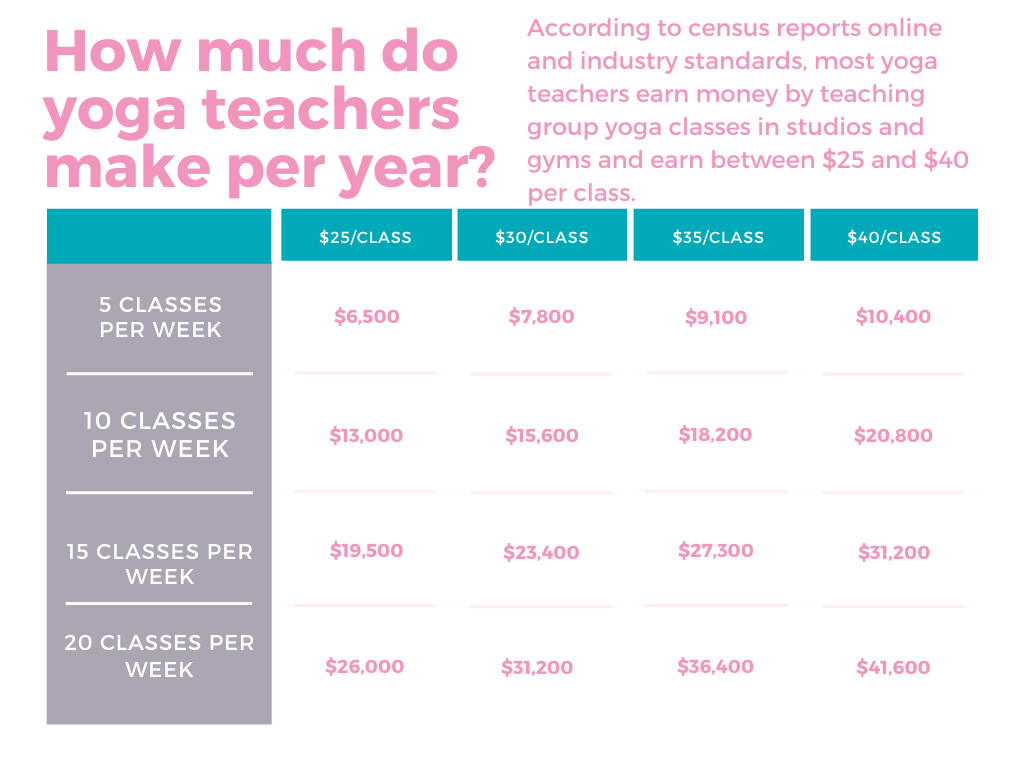
Image Source: www.brettlarkin.com
Deciphering Yoga Studio Earnings
One of the most common paths for yoga teachers is working within a yoga studio. Yoga studio earnings can be structured in several ways, impacting the teacher’s paycheck.
Per-Class Rates and Studio Splits
Many studios pay their instructors on a per-class basis. This can vary widely, but a common range for a single 60-minute class might be between $20 and $50. Some studios might offer a fixed rate, while others use a split system.
- Fixed Rate: The teacher receives a set amount for each class they lead, regardless of student attendance.
- Studio Split: The teacher receives a percentage of the revenue generated from their class. This might be a direct split of the class fee, or it could be a percentage of the overall studio income.
Factors influencing studio pay:
- Studio’s Pricing Structure: A studio with higher yoga class pricing can often afford to pay its teachers more.
- Teacher’s Experience and Reputation: More experienced and sought-after teachers can often negotiate higher rates or better splits.
- Location of the Studio: Studios in major metropolitan areas with a higher cost of living typically offer higher pay.
- Studio’s Business Model: Some studios focus on high volume, low price, while others cater to a premium market.
Beyond Teaching Classes: Studio Opportunities
While teaching regular classes is the primary income source, yoga studios may offer additional opportunities for teachers to boost their income:
- Workshops and Special Events: Teachers can host specialized workshops (e.g., inversions, meditation, specific yoga styles) that command higher fees. The studio often takes a cut, but the teacher usually earns a larger portion of the revenue.
- Private Sessions: Offering one-on-one sessions for students seeking personalized attention can be lucrative. Studios may facilitate these bookings, taking a commission.
- Retreats: Leading or assisting in yoga retreats, either hosted by the studio or independently organized, can provide a significant income boost.
- Retail and Merchandise: Some studios offer commissions to teachers who sell retail items like mats, clothing, or yoga accessories.
The Landscape of Freelance Yoga Pay
Many yoga teachers choose the path of freelance work, offering flexibility and control over their schedule and clientele. Freelance yoga pay operates differently than studio employment.
Building a Client Base
Freelance yoga teachers often build their income through a combination of methods:
- Private Sessions: One-on-one sessions are a staple of freelance yoga. Rates for private sessions can range from $50 to $150 per hour, depending on the teacher’s expertise, location, and the client’s needs.
- Corporate Yoga: Many companies hire yoga instructors to offer classes to their employees, either on-site or virtually. Corporate yoga pay can be competitive, often ranging from $75 to $200 per class or session.
- Yoga in Community Settings: Teaching at community centers, schools, gyms, or even in public parks can provide additional income streams. Rates here can be more varied, often negotiated per class or per session.
- Online Classes and Programs: With the rise of digital platforms, many freelance yoga teachers offer online classes, pre-recorded courses, and membership programs, reaching a global audience. This can create a passive income stream, but it requires significant upfront effort in content creation and marketing.
Factors Influencing Freelance Rates
Several factors influence how much a freelance yoga teacher can earn:
- Niche Specialization: Teachers who specialize in a particular area, such as prenatal yoga, yoga therapy, or advanced ashtanga, can often command higher rates.
- Marketing and Branding: Effective self-marketing and building a strong personal brand are crucial for attracting and retaining clients.
- Clientele: Working with high-net-worth individuals or corporate clients typically yields higher income than working with community groups.
- Geographic Location: Similar to studio work, the cost of living in an area significantly impacts freelance rates.
Understanding the Yoga Teacher Hourly Rate
While many yoga teachers are paid per class, it’s helpful to consider an approximate yoga teacher hourly rate to understand their earnings in a broader context.
Let’s assume a teacher teaches 10 classes per week, with each class paying an average of $35.
- Weekly Earnings (Class Pay): 10 classes/week * $35/class = $350
- Monthly Earnings (Class Pay): $350/week * 4 weeks/month = $1,400
- Annual Earnings (Class Pay): $1,400/month * 12 months/year = $16,800
This is a simplified calculation. However, it highlights that relying solely on per-class rates from studios can result in a modest income.
Considerations for hourly equivalents:
- Preparation Time: A teacher spends time preparing for each class, which isn’t directly compensated.
- Travel Time: Commuting to different studios or client locations adds to the hours worked.
- Administrative Tasks: Marketing, scheduling, invoicing, and communication all take time.
If we consider a teacher who works at a studio with a 1:1.5 ratio of teaching hours to total hours worked (including prep and admin), their effective hourly rate might be closer to $23 per hour ($35 / 1.5).
The Influence of Yoga Certification Salary
Does a yoga certification impact salary? Yes, it can. While a basic yoga teacher training (YTT) is often a prerequisite for teaching, the level and type of certification can influence earning potential.
- 200-Hour Yoga Teacher Training (YTT): This is the foundational certification recognized by major yoga organizations. It allows teachers to begin offering classes.
- 300-Hour or 500-Hour YTT: Advanced certifications often lead to a deeper understanding of specific yoga styles, anatomy, and teaching methodologies. Teachers with these certifications may be able to command higher rates, especially in specialized areas or at more established studios.
- Specialized Certifications: Certifications in areas like yoga therapy, pre-natal yoga, children’s yoga, or restorative yoga can open up more niche and potentially higher-paying opportunities. For example, a certified yoga therapist will generally earn more than a general yoga instructor due to the specialized training and ability to work with individuals with specific health conditions.
- Continuing Education: Ongoing professional development and advanced workshops contribute to a teacher’s expertise and can justify higher pay.
A common misconception is that the certification itself directly dictates a salary. Instead, it’s the skills and knowledge gained through that certification that allow teachers to offer more value, attract more clients, and thus earn more.
Part-Time Yoga Teacher Income
Many yoga instructors begin their careers or maintain yoga teaching as a part-time endeavor, supplementing income from other jobs.
Typical scenarios for part-time yoga teachers:
- Teaching 2-5 Classes Per Week: This might involve teaching at one or two local studios, or offering a few private sessions.
- Supplementing a Full-Time Job: Many yoga teachers have other careers and teach yoga in the evenings or on weekends.
- Flexibility as a Priority: For some, the primary draw of part-time yoga teaching is the flexibility to balance work with other commitments, such as family or personal pursuits.
The part-time yoga teacher income can vary significantly, but an estimate for someone teaching, say, 4 classes a week at $35 per class would be around $5,600 annually, before taxes and expenses.
The Role of Yoga Class Pricing
The pricing of yoga classes at studios directly impacts the revenue generated and, consequently, the pay for instructors.
- Drop-In Rates: These are the prices for individuals who pay for a single class without a membership. They can range from $15 to $30 or more, depending on the studio and location.
- Class Packages and Memberships: Studios often offer discounts for purchasing multiple classes or monthly unlimited memberships. While this can increase student retention and studio revenue, the per-class cost for the student is lower.
How class pricing affects teacher earnings:
- Higher Pricing Models: Studios that charge higher prices for classes can often afford to pay their teachers more per class or offer better revenue splits.
- Volume vs. Premium: Studios focusing on high-volume, lower-priced classes might operate on tighter margins, potentially leading to lower per-class rates for instructors. Conversely, premium studios with higher prices can often compensate their teachers more generously.
Building a Yoga Teacher Career Path
A career in yoga teaching can evolve over time, with various stages and opportunities for growth.
Entry-Level Yoga Instructor
- Focus: Gaining experience, building a student base, and establishing a teaching style.
- Earnings: Often at the lower end of the salary range, relying on per-class rates.
- Activities: Teaching at local studios, assisting experienced teachers, taking workshops.
Experienced Yoga Instructor
- Focus: Developing a specialized niche, building a strong reputation, and potentially taking on more responsibilities.
- Earnings: Increased income through higher rates, better splits, and leading workshops or retreats.
- Activities: Teaching at multiple studios, offering private sessions, leading workshops, mentoring new teachers.
Advanced Yoga Professionals
- Focus: Becoming a renowned teacher, yoga therapist, studio owner, or educator.
- Earnings: Can reach significant figures through owning a successful studio, developing teacher training programs, writing books, or creating online content.
- Activities: Leading advanced workshops and retreats, developing curriculum, managing a yoga studio, yoga therapy practice, online course creation.
Yoga Teacher Benefits: More Than Just Salary
While the direct income is crucial, it’s important to consider the potential yoga teacher benefits that can enhance overall compensation and job satisfaction.
- Free or Discounted Yoga Classes: Many studios offer their instructors unlimited access to classes. This is a significant perk for maintaining one’s own practice.
- Discounts on Retail: Employees often receive discounts on yoga apparel, mats, and other studio merchandise.
- Flexible Schedule: The inherent flexibility of yoga teaching allows for a better work-life balance, which can be considered a significant benefit.
- Health and Wellness Perks: Some studios or corporate clients may offer access to wellness programs or contribute towards health insurance, though this is less common for freelance or part-time instructors.
- Community and Connection: Being part of a yoga community and connecting with students on a regular basis offers a unique form of social and emotional reward.
It’s important to note that comprehensive benefits like paid time off, retirement plans, and health insurance are often not standard for yoga instructors, especially those who are independent contractors or work for smaller studios.
Factors Affecting Overall Income
Several key factors play a role in determining how much a yoga teacher makes annually:
| Factor | Impact on Income |
|---|---|
| Location | Higher cost of living areas generally have higher yoga class pricing and, therefore, potentially higher teacher pay. |
| Experience Level | More experienced teachers with specialized skills and a strong reputation can command higher rates and attract more clients. |
| Number of Classes Taught | The more classes a teacher leads, the higher their potential income. |
| Type of Employment | Studio employment, freelance work, and corporate contracts all have different pay structures and earning potentials. |
| Specializations/Niches | Expertise in areas like yoga therapy, prenatal yoga, or specific advanced styles can lead to higher per-class or per-session rates. |
| Additional Offerings | Income from workshops, retreats, private sessions, and online content can significantly supplement base earnings. |
| Marketing & Networking | Effective self-promotion and building strong relationships with students and studios are vital for securing consistent work and higher pay. |
| Studio Management | For studio owners, income is derived from the overall profitability of the studio, which includes class revenue, retail sales, and membership fees, after covering operational costs. |
| Yoga Certification Level | While not a direct salary determinant, advanced certifications can lead to enhanced skills and knowledge, enabling teachers to offer more value and earn more. |
The Average Yoga Teacher Income: A Broader View
When we look at the average yoga teacher income, it’s essential to consider the diverse range of experiences. Data from various sources suggests a broad spectrum:
- Entry-Level/Part-Time: $15,000 – $30,000 annually. This often includes teachers who teach only a few classes a week or work primarily at studios with lower pay rates.
- Mid-Career/Full-Time Studio Instructor: $30,000 – $50,000 annually. These teachers may have more experience, teach a consistent schedule at studios, and potentially lead a few workshops.
- Experienced/Freelance/Specialized: $50,000 – $70,000+ annually. This group often includes teachers who have built strong private client bases, lead popular workshops, offer online content, or specialize in high-demand areas like yoga therapy.
- Studio Owners/Highly Sought-After Teachers: $70,000 – $100,000+ annually. This top tier includes those who own successful studios, are nationally recognized, or have developed lucrative online businesses.
These figures are estimations and can fluctuate significantly.
Frequently Asked Questions (FAQ)
Q1: What is the minimum salary for a yoga teacher?
The minimum salary can be very low, especially for part-time teachers or those just starting out. Some might earn as little as $5,000-$10,000 annually if they only teach one or two classes a week at lower rates.
Q2: Can I make a living solely as a yoga teacher?
Yes, it is possible to make a living solely as a yoga teacher, but it often requires a combination of teaching at multiple studios, offering private sessions, leading workshops, and potentially developing an online presence or owning a studio. It typically takes time to build a sustainable income stream.
Q3: Who is responsible for paying yoga teachers?
Yoga teachers are paid by the entity that hires them. This could be a yoga studio, a gym, a corporate client, or individual students for private sessions.
Q4: How much do yoga studios pay their teachers per class?
The per-class rate for yoga teachers at studios can range from $20 to $50 for a 60-minute class. This can also be structured as a revenue split.
Q5: What is the average yoga teacher income in major cities?
In major cities with a higher cost of living, the average yoga teacher income tends to be higher. Teachers in cities like New York, Los Angeles, or San Francisco might earn on the higher end of the $40,000-$70,000+ range, or even more for highly successful individuals.
Q6: What is the typical yoga teacher hourly rate if I only consider teaching time?
If you solely consider the time spent teaching and break down the per-class rate, a teacher earning $35 for a 60-minute class is effectively earning $35 per hour of direct teaching. However, this doesn’t account for preparation, travel, or administrative tasks.
Q7: What are the common yoga teacher benefits?
Common benefits often include free or discounted yoga classes, discounts on retail merchandise, and the flexibility of the schedule. Comprehensive benefits like health insurance and paid time off are less common, especially for freelance teachers.
Q8: Does my yoga certification salary potential?
While your yoga certification itself doesn’t guarantee a specific salary, the training and skills acquired through a good certification program can enhance your teaching abilities, allowing you to attract more clients and command higher rates, thus increasing your earning potential. Advanced or specialized certifications can be particularly beneficial.
Q9: What is the income of a part-time yoga teacher?
A part-time yoga teacher’s income can vary greatly but might range from a few thousand dollars to $20,000-$30,000 annually, depending on how many classes they teach and other income streams they pursue.
Q10: How does yoga class pricing impact my earnings?
Higher yoga class pricing at a studio typically allows the studio to pay its instructors more per class or offer better revenue splits. If you teach at multiple studios, this is a factor to consider.
Q11: What are the key elements of a yoga teacher career path?
A yoga teacher career path typically involves starting as an entry-level instructor, gaining experience and specialization to become an experienced instructor, and potentially advancing to roles like studio owner, educator, or yoga therapist.
By focusing on building a strong foundation, continually learning, and diversifying income streams, yoga teachers can create a fulfilling and financially viable career.