Becoming a fitness model means showcasing a healthy, strong, and often lean physique. It involves more than just looking good; it requires dedication, discipline, and a strategic approach to building your career. So, how do you become a fitness model? You achieve this by focusing on physique development, building a strong personal brand, and actively seeking opportunities within the industry.
The world of fitness modeling is a dynamic and exciting field. It offers the chance to inspire others, work with leading brands, and live a healthy lifestyle. However, it’s also a competitive arena. Success demands a well-rounded approach, combining physical prowess with smart business acumen. This guide will walk you through every step, from cultivating the perfect physique to landing your first major contract.
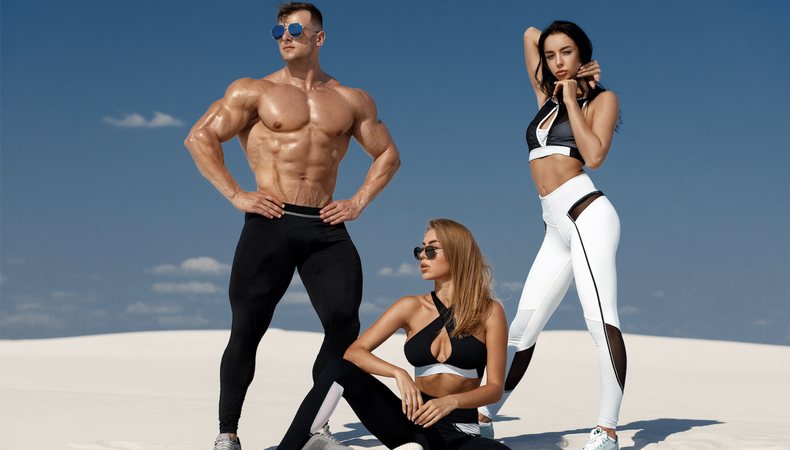
Image Source: d26oc3sg82pgk3.cloudfront.net
The Foundation: Building Your Physique
The most crucial element of becoming a fitness model is, unsurprisingly, your physique. This isn’t about being a professional bodybuilder, but rather achieving a balanced, athletic, and aesthetically pleasing look that appeals to a wide range of fitness-related brands.
Fitness Model Requirements: What Brands Look For
What are the general fitness model requirements? Brands typically seek models with a lean, toned, and muscular physique. They look for good symmetry, clear muscle definition, and a healthy, vibrant appearance. While specific requirements can vary by client and the type of project, a baseline level of fitness and a physique that conveys health and strength are paramount.
Here’s a breakdown of what brands often seek:
- Lean Body Fat Percentage: Generally, models are expected to have a low body fat percentage. For men, this often falls between 6-12%, and for women, between 12-18%. This allows muscle definition to be clearly visible.
- Muscle Tone and Definition: While not necessarily aiming for extreme muscle mass, a good level of muscle tone and definition is essential. This shows dedication to fitness and creates an appealing visual.
- Symmetry and Proportion: A balanced physique with good proportions is highly valued. This means even development across different muscle groups.
- Healthy Skin and Hair: Good skin and hair health are indicators of overall well-being and are crucial for on-camera presence.
- Confidence and Presence: Beyond the physical, models need to exude confidence and have a natural presence in front of the camera.
Crafting Your Fitness Model Workout Plan
Your fitness journey is your resume. A well-structured fitness model workout plan is non-negotiable. This plan should be designed to build lean muscle, reduce body fat, and enhance overall symmetry.
Key Principles for a Fitness Model Workout Plan:
- Consistency: Regular training is more important than the intensity of a single session. Aim for 4-6 training days per week.
- Progressive Overload: Gradually increase the weight, reps, or intensity of your workouts to continually challenge your muscles.
- Balanced Training: Ensure you’re working all major muscle groups to achieve symmetry. Don’t neglect smaller muscle groups.
- Cardiovascular Health: Incorporate cardio to maintain a low body fat percentage and improve endurance.
- Rest and Recovery: Allow your muscles time to repair and grow. This is as crucial as the workouts themselves.
Here’s a sample weekly split that can be adapted:
| Day | Focus | Exercises (Examples) |
|---|---|---|
| Monday | Upper Body: Push | Bench Press, Incline Dumbbell Press, Overhead Press, Triceps Pushdowns, Lateral Raises, Bicep Curls |
| Tuesday | Lower Body: Quads & Glutes | Squats (Barbell, Goblet), Lunges, Leg Press, Leg Extensions, Glute Bridges, Hamstring Curls |
| Wednesday | Active Recovery / Cardio | Light cardio (jogging, cycling), stretching, foam rolling, yoga |
| Thursday | Upper Body: Pull | Pull-ups/Lat Pulldowns, Barbell Rows, Dumbbell Rows, Face Pulls, Bicep Curls (various grips), Hammer Curls |
| Friday | Lower Body: Hamstrings & Glutes | Deadlifts (Conventional, Romanian), Glute-Ham Raises, Hamstring Curls, Hip Thrusts, Calf Raises |
| Saturday | Full Body / High Intensity | Circuit training, HIIT cardio, or a lighter full-body session focusing on compound movements. |
| Sunday | Rest | Complete rest or very light activity like a walk. |
Important Considerations:
- Individualization: This is a template. You must adjust it based on your body type, recovery capacity, and goals.
- Listen to Your Body: If you feel pain, stop. Overtraining can lead to injury and setbacks.
- Professional Guidance: Consider working with a certified personal trainer to develop a personalized plan and ensure proper form.
The Role of a Fitness Model Diet
Nutrition is the other side of the coin when it comes to physique development. A fitness model diet is clean, controlled, and designed to fuel workouts and promote fat loss while preserving muscle mass.
Principles of a Fitness Model Diet:
- Lean Protein: Essential for muscle repair and growth. Include sources like chicken breast, turkey, lean beef, fish, eggs, tofu, and Greek yogurt.
- Complex Carbohydrates: Provide energy for workouts and daily activities. Opt for brown rice, quinoa, oats, sweet potatoes, and whole-grain bread.
- Healthy Fats: Crucial for hormone production and overall health. Include avocados, nuts, seeds, olive oil, and fatty fish.
- Plenty of Fruits and Vegetables: Rich in vitamins, minerals, and fiber, supporting overall health and digestion.
- Hydration: Drink plenty of water throughout the day.
- Portion Control: Even healthy foods need to be consumed in appropriate amounts to manage calorie intake.
- Timing: Consider consuming protein and carbohydrates around your workouts for optimal recovery and performance.
Sample Daily Meal Plan (Illustrative):
| Meal | Example |
|---|---|
| Breakfast | Oatmeal with berries, nuts, and a scoop of whey protein OR Scrambled eggs with spinach and whole-wheat toast. |
| Mid-Morning | Greek yogurt with a handful of almonds OR A protein shake with a banana. |
| Lunch | Grilled chicken breast or salmon with a large salad (mixed greens, colorful vegetables) and a small portion of quinoa OR Lentil soup with a side of whole-grain bread. |
| Afternoon | Rice cakes with peanut butter OR A small portion of cottage cheese with fruit. |
| Dinner | Lean steak or tofu stir-fry with mixed vegetables and brown rice OR Baked cod with roasted sweet potatoes and asparagus. |
| Post-Workout | Protein shake with water or almond milk OR A small portion of chicken breast with a sweet potato. |
Key Dietary Tips:
- Avoid Processed Foods: Limit sugary drinks, fast food, and highly processed snacks.
- Meal Prep: Preparing your meals in advance can help you stay on track and avoid unhealthy impulse choices.
- Flexibility: While consistency is key, occasional treats in moderation won’t derail your progress. It’s about sustainable habits.
- Consult a Nutritionist: For a truly personalized plan, consult a registered dietitian or nutritionist.
The Business of Fitness Modeling: Branding and Marketing
Once you have a solid physique, the next crucial step is presenting yourself professionally and marketing your brand. Becoming a fitness model involves more than just showing up; it requires strategic self-promotion.
Developing Your Fitness Model Portfolio
A professional fitness model portfolio is your visual resume. It’s the first impression you’ll make on casting directors, photographers, and potential clients. This portfolio needs to showcase your physique, versatility, and ability to connect with the camera.
What Makes a Great Fitness Model Portfolio:
- High-Quality Photography: Invest in professional photos. Poorly lit, amateur shots will not get you noticed.
- Variety of Looks: Include shots that showcase different aspects of your physique and personality. This might include:
- Full Body Shots: Clearly displaying your physique from different angles.
- Close-Ups: Highlighting your facial features and expressions.
- Action Shots: Demonstrating movement, exercise, or athletic ability.
- Commercial Shots: Images that suggest an ability to sell a product.
- Different Wardrobe: Include activewear, casual wear, and perhaps a more polished look if applicable.
- Showcase Versatility: If you can embody different “types” within fitness (e.g., athletic endurance, strong and powerful, lean and aesthetic), show it.
- Clean and Professional Presentation: Whether it’s a physical book or a digital portfolio (website, online platform), it needs to be organized and easy to navigate.
- Less is More: Select your absolute best images. A curated portfolio is better than a large, uninspired one.
Key elements to consider for your portfolio:
- Professional Photographer: Find someone experienced in fitness photography. They’ll know how to light and pose you to best showcase your physique.
- Diverse Locations: Shoot in a gym, outdoors, and perhaps a studio setting to demonstrate adaptability.
- Appropriate Wardrobe: Activewear that fits well and highlights your physique is essential. Consider different colors and styles.
- Natural Posing: While some sculpted poses are necessary, natural, relaxed poses are also vital for commercial appeal.
- Consistency: Maintain a consistent aesthetic across your portfolio to establish your brand.
Building Your Online Presence and Social Media
In today’s digital age, social media is an indispensable tool for fitness models. It’s where you can build a following, showcase your lifestyle, and attract attention from brands and agencies.
Leveraging Social Media for Fitness Modeling:
- Choose Your Platforms: Instagram is paramount for visual content. Facebook, TikTok, and YouTube can also be valuable.
- High-Quality Content: Post clear, engaging photos and videos regularly. Showcase your workouts, nutrition, lifestyle, and personality.
- Engage Your Audience: Respond to comments and messages. Build a community around your fitness journey.
- Hashtag Strategy: Use relevant hashtags (e.g., #fitnessmodel, #fitspo, #gymlife, #bodybuilding, #[yourniche]) to increase discoverability.
- Collaborate: Partner with other fitness influencers or brands for cross-promotion.
- Professionalism: Maintain a professional and positive online persona. Your social media is an extension of your brand.
Networking and Building Industry Connections
The fitness industry, like many others, thrives on connections. Building relationships with photographers, other models, trainers, and brand representatives can open doors to new opportunities.
Strategies for Networking:
- Attend Industry Events: Go to fitness expos, competitions, and brand launches.
- Connect Online: Engage with professionals on social media and LinkedIn.
- Collaborate on Shoots: Offer to collaborate with photographers on TFP (Time For Print) or TFCD (Time For CD) basis to build your portfolios and gain experience.
- Join Fitness Communities: Participate in online forums or local fitness groups.
Navigating the Industry: Agencies, Casting, and Competitions
Once you have your physique and brand in place, it’s time to actively seek work. This involves understanding how to approach fitness modeling agencies, prepare for fitness model casting calls, and consider participating in fitness model competitions.
Finding and Approaching Fitness Modeling Agencies
Fitness modeling agencies represent models and connect them with clients for paid work. Getting signed by the right agency can significantly accelerate your career.
How to Find and Approach Fitness Modeling Agencies:
- Research Agencies: Look for agencies that specialize in fitness, sports, or commercial modeling. Check their websites and see the types of models they represent.
- Target Agencies with Similar Models: If your physique and style align with the models already represented by an agency, it’s a good sign.
- Prepare Your Submission: Most agencies have online submission forms. You’ll typically need:
- Clear, recent photos: A headshot, full-body shots, and perhaps a candid shot.
- Basic measurements: Height, weight, chest, waist, hips, shoe size.
- A brief bio: Highlight your fitness experience, any relevant skills, and your aspirations.
- Follow Submission Guidelines: Adhere strictly to the agency’s instructions.
- Be Patient and Persistent: Agencies receive many submissions. If you don’t hear back, try again after a few months or target other agencies.
- Beware of Scams: Legitimate agencies do not ask for large upfront fees. They make money by taking a commission from your bookings.
Preparing for Fitness Model Casting Calls
Fitness model casting calls are your auditions. This is where clients decide if you are the right fit for their campaign or project. Thorough preparation is key to making a strong impression.
Tips for Success at Casting Calls:
- Arrive on Time: Punctuality shows professionalism.
- Dress Appropriately: Wear form-fitting activewear that showcases your physique. Bring a few options.
- Bring Your Portfolio: Have a physical or digital copy of your best work ready.
- Be Confident and Approachable: Smile, make eye contact, and be friendly.
- Listen Carefully: Pay attention to instructions from the casting director.
- Be Prepared to Pose: You may be asked to do a few standard fitness poses or even a short walk.
- Be Ready for Questions: They might ask about your training, diet, or experience.
- Know Your Stats: Be ready to provide your measurements.
- Follow Up: If appropriate, send a brief thank-you email after the casting.
The Role of Fitness Model Competitions
Participating in fitness model competitions can be a fantastic way to gain experience, build confidence, network, and get your name out there. They provide a platform to showcase your physique and stage presence.
Benefits of Fitness Model Competitions:
- Stage Experience: Learn to present yourself confidently on stage.
- Feedback and Exposure: Receive feedback from judges and gain exposure to industry professionals who may attend.
- Networking Opportunities: Meet other competitors, trainers, photographers, and potential agents.
- Motivation: The preparation process can be a great motivator for your training and diet.
- Potential for Recognition: Winning or placing well can significantly boost your profile.
Popular Competition Types:
- Bodybuilding Federations: While not strictly modeling, federations like NPC and WBFF offer categories for physique and figure, which can be a stepping stone.
- Pure Fitness Modeling Shows: Some organizations focus purely on the aesthetic and modeling aspects of fitness.
Preparing for a Competition:
- Peak Week: This involves specific dietary and training adjustments in the days leading up to the competition to achieve maximum muscle definition and leanness.
- Posing Routine: Practice your posing extensively to ensure smooth transitions and confident presentation.
- Stage Presence: Work on your smile, eye contact, and overall charisma.
- Tan and Grooming: A good spray tan is essential for stage appearance. Pay attention to hair and makeup.
Key Fitness Modeling Tips for Long-Term Success
Sustaining a career in fitness modeling requires ongoing effort and adaptation. Here are some fitness modeling tips to help you thrive.
Continuous Improvement and Adaptation
The fitness industry is always evolving. What’s in demand today might change tomorrow.
- Stay Updated: Follow industry trends, new training methods, and nutritional science.
- Refine Your Physique: Continuously work on balancing and improving your physique.
- Develop New Skills: Consider learning about nutrition, personal training, or even videography to broaden your offerings.
Maintaining Professionalism and Reliability
Clients and agencies value reliability and a professional attitude.
- Be Punctual: Always arrive on time for shoots and meetings.
- Be Easy to Work With: Maintain a positive attitude and be cooperative on set.
- Communicate Clearly: Respond to emails and calls promptly.
- Respect the Client’s Vision: Understand and execute the client’s brief effectively.
Legal and Financial Aspects
As your career grows, it’s important to manage the business side effectively.
- Contracts: Always review and understand contracts before signing. If unsure, consult an agent or legal professional.
- Invoicing and Payments: Keep track of your invoices and ensure timely payments.
- Taxes: Understand your tax obligations as a self-employed individual or contractor.
Frequently Asked Questions (FAQ)
Q1: Do I need to be a professional athlete to become a fitness model?
A: No, you don’t need to be a professional athlete. Fitness models showcase a healthy, athletic physique and the ability to represent fitness brands, which is different from competing at an elite level in a specific sport.
Q2: How much do fitness models typically earn?
A: Earnings can vary widely. Entry-level jobs might pay a few hundred dollars for a day’s work, while major campaigns for well-established models can earn thousands. It depends on the client, the scope of the project, and your experience and reputation.
Q3: What if my physique isn’t “perfect”?
A: Perfection is subjective. Focus on building the best physique you can through consistent training and diet. Also, remember that different brands seek different looks. Some may want a more muscular physique, while others prefer a leaner, more approachable look. Authenticity and health are key.
Q4: How long does it take to build a suitable physique?
A: This is highly individual and depends on your starting point, genetics, training intensity, nutrition, and recovery. It can take anywhere from a few months to a couple of years to significantly transform your physique. Consistency is more important than speed.
Q5: Can men and women both be fitness models?
A: Absolutely! Both men and women can build successful careers as fitness models, showcasing a wide range of body types and styles within the fitness realm.
Q6: Should I use supplements?
A: Supplements can be helpful to fill nutritional gaps or support specific fitness goals, but they are not a magic bullet. A solid diet and training plan are fundamental. If you choose to use supplements, research reputable brands and consult with a healthcare professional or nutritionist.
Q7: What is the difference between a fitness model and a bodybuilding competitor?
A: While there can be overlap, bodybuilding is a sport focused on extreme muscle mass, symmetry, and definition achieved through rigorous training and strict dieting for competition. Fitness modeling focuses on a more generally appealing, healthy, and athletic physique that can be used in advertising and promotional materials for a broader range of fitness-related products and services.
Conclusion
Becoming a fitness model is a journey that requires passion, discipline, and a strategic approach. By focusing on developing a strong physique through dedicated training and nutrition, crafting a professional brand, and actively seeking opportunities, you can carve out a successful career in this exciting industry. Remember that authenticity, professionalism, and a commitment to continuous improvement are your greatest assets. Good luck on your path to success!