
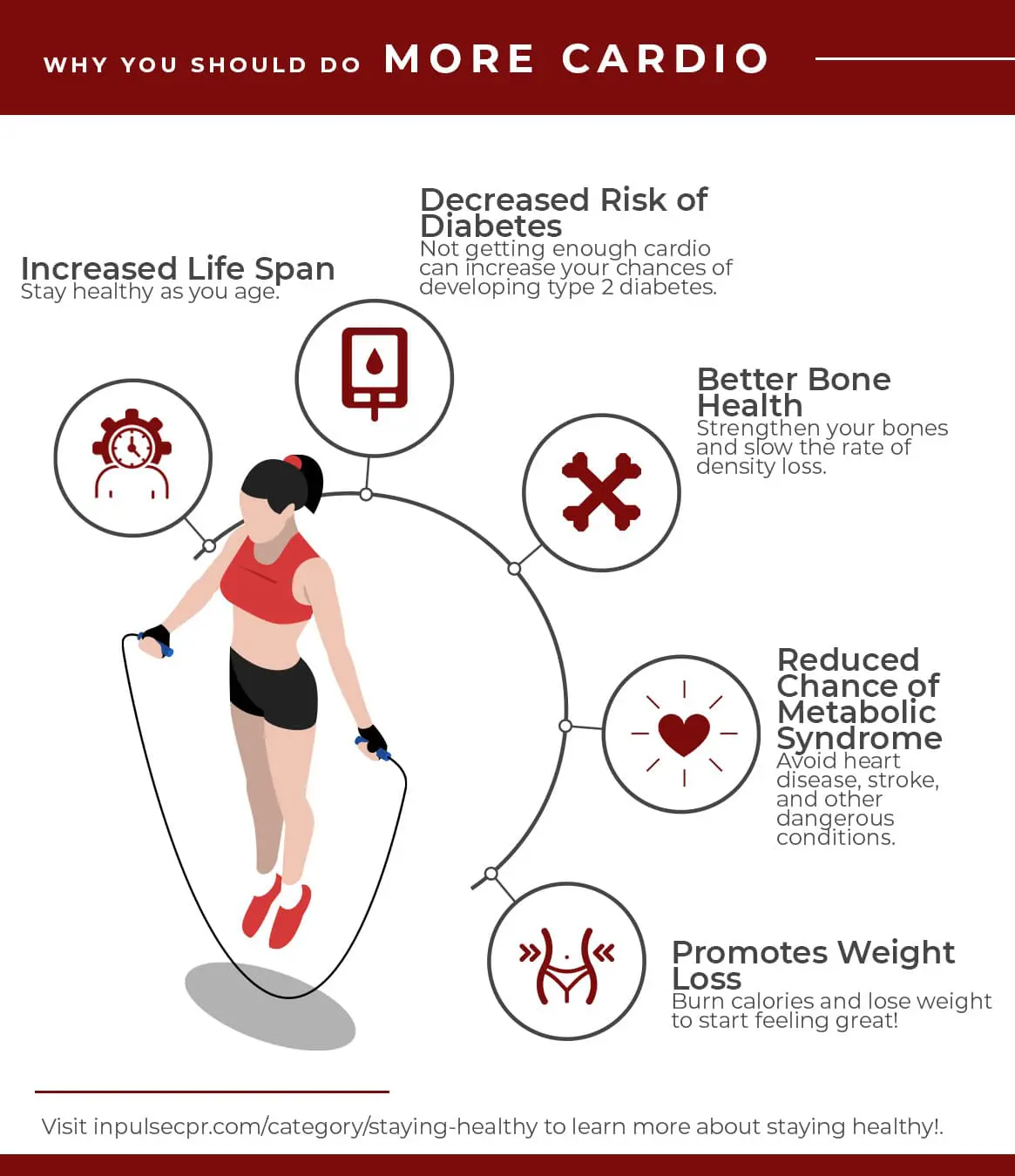
Image Source: inpulsecpr.com
Cardiorespiratory Fitness vs. Endurance: How Do They Differ From Each Other?
Cardiorespiratory fitness and endurance are often used interchangeably, but they represent distinct aspects of physical health. Cardiorespiratory fitness refers to the ability of the heart, lungs, and blood vessels to supply oxygen to working muscles during sustained physical activity. Endurance, on the other hand, is the capacity of a person to continue a specific physical activity for a prolonged period.
The Core of Cardiorespiratory Fitness: Oxygen Delivery
At its heart, cardiorespiratory fitness is about how efficiently your body can take in oxygen, transport it to your muscles, and use it for energy. This entire process is central to exercise physiology. Think of your heart as a pump, your lungs as air filters, and your blood vessels as delivery trucks. When these components work well together, your body can perform physical tasks for longer without getting tired.
Fathoming Your Aerobic Capacity
The key metric for cardiorespiratory fitness is aerobic capacity. This is your body’s ability to use oxygen during exercise. The higher your aerobic capacity, the more oxygen your body can deliver and utilize. This directly impacts how long and how intensely you can exercise. A high level of aerobic capacity means your heart and lungs are strong and efficient.
The Role of VO2 Max
A common way to measure aerobic capacity is through VO2 max. This is the maximum amount of oxygen your body can use during intense exercise. It’s often called your “aerobic power.” A higher VO2 max generally indicates better cardiorespiratory fitness. Athletes who compete in endurance sports, like marathon runners or cyclists, typically have very high VO2 max values. Factors like genetics, age, sex, and training all influence your VO2 max.
What Contributes to Cardiorespiratory Fitness?
Several factors build up your cardiorespiratory fitness. These include:
- Heart Health: How strong and efficient your heart muscle is. A stronger heart can pump more blood with each beat.
- Lung Function: Your lungs’ ability to take in air and transfer oxygen to your blood. This includes how well your airways and air sacs work.
- Blood Vessel Health: The condition of your arteries and veins. Healthy blood vessels are clear and flexible, allowing blood to flow easily.
- Muscle Efficiency: How well your muscles use the oxygen delivered to them.
Improving cardiorespiratory fitness means strengthening these systems. Regular endurance training is the primary way to achieve this.
Exploring Endurance: The Power to Persist
Endurance is your ability to keep going. It’s the stamina you have to perform a task without fatiguing too quickly. While cardiorespiratory fitness provides the underlying system for prolonged effort, endurance is the outcome of that system working effectively over time.
Cardio Fitness as the Foundation for Endurance
Think of cardiorespiratory fitness as the engine of a car. Endurance is how far that car can drive on a tank of gas. A powerful engine (good cardiorespiratory fitness) allows the car to go faster and handle tougher terrain. But endurance also depends on other factors, like the size of the fuel tank (energy stores) and the driver’s skill (mental toughness).
Different Types of Endurance
It’s important to note that endurance isn’t a single trait. There are different types:
- Cardiovascular Endurance: This is the type most closely linked to cardiorespiratory fitness. It’s the ability to sustain prolonged, rhythmic exercise that engages large muscle groups. This is what we often mean when we talk about general endurance.
- Muscular Endurance: This is the ability of a muscle or group of muscles to repeatedly contract against a resistance for an extended period. For example, doing many repetitions of a push-up or holding a plank for a long time. While related, this is a more localized capability.
What Builds Endurance?
Several elements contribute to your overall endurance:
- Cardiorespiratory Fitness: As discussed, this is crucial for delivering oxygen to fuel your muscles during sustained physical activity.
- Energy Stores: Your body’s ability to store and utilize fuel sources like carbohydrates (glycogen) and fats. The more efficient your body is at using these, the longer you can go.
- Muscle Fatigue Resistance: How well your muscles can continue to work without getting tired. This involves how quickly your muscles can clear metabolic byproducts that cause fatigue.
- Mental Fortitude: The psychological aspect of pushing through discomfort and fatigue. This is often referred to as mental toughness or grit.
Endurance training specifically targets these components, aiming to improve your ability to keep performing an activity for longer durations.
Deciphering the Differences: A Clearer Picture
While cardiorespiratory fitness and endurance are closely linked, they are not the same. Here’s a breakdown of their key distinctions:
| Feature | Cardiorespiratory Fitness | Endurance |
|---|---|---|
| Primary Focus | Efficiency of oxygen delivery and utilization (aerobic system). | Capacity to sustain a physical activity for a prolonged period. |
| Key Metric | VO2 max, resting heart rate, blood pressure. | Duration of performance, time to exhaustion, distance covered. |
| What it Measures | The “how well” your body processes oxygen. | The “how long” you can perform. |
| Underlying System | Heart, lungs, blood vessels. | Cardiorespiratory system, energy stores, muscle fiber type, mental toughness. |
| Example | Your maximum oxygen uptake during a hard run. | How long you can run without stopping. |
| Training Goal | To improve oxygen transport and usage. | To extend the duration of a specific activity. |
How They Interact: A Symbiotic Relationship
Your cardiorespiratory fitness is the foundation upon which your endurance is built. You can’t have good endurance for aerobic activities without a reasonably fit cardiorespiratory system. Imagine trying to power a long journey with a weak engine – it’s simply not possible.
Conversely, consistently engaging in endurance training directly improves your cardiorespiratory fitness. As you push your body to perform longer, your heart gets stronger, your lungs become more efficient at taking in oxygen, and your blood vessels become more flexible. This creates a positive feedback loop.
Illustrating the Interplay
Consider two individuals:
- Person A: Has excellent cardiorespiratory health and a high VO2 max. They can deliver a lot of oxygen to their muscles. However, they haven’t trained for long-distance running. They might be able to sprint fast for a short time, but their muscular endurance and energy stores might not be sufficient to run a marathon. Their endurance for running is limited.
- Person B: Also has good cardiorespiratory fitness. They have been training for marathons for years. Their VO2 max might be similar to Person A’s, but they have developed superior muscular endurance, better fat-burning efficiency, and stronger mental resilience. They can sustain a running pace for hours. Their endurance is high.
In this scenario, Person A has better raw aerobic fitness, but Person B has developed greater endurance for a specific activity through targeted training.
Elevating Your Physical Conditioning: Strategies for Improvement
Improving both cardiorespiratory fitness and endurance involves a consistent and progressive approach to physical conditioning.
Enhancing Cardiorespiratory Fitness
To boost your cardiorespiratory fitness, focus on activities that challenge your heart and lungs.
- Aerobic Exercise: Activities like running, swimming, cycling, dancing, and brisk walking are excellent. Aim for at least 150 minutes of moderate-intensity aerobic activity or 75 minutes of vigorous-intensity aerobic activity per week, as recommended by health organizations.
- Interval Training: Alternating between periods of high-intensity exercise and recovery periods can significantly improve VO2 max and overall aerobic fitness.
- Consistency: Regular exercise is key. Your body adapts and becomes more efficient over time with consistent effort.
Building Endurance
To build endurance, you need to gradually increase the duration or intensity of your chosen activity.
- Gradual Progression: If you’re aiming to run a 5k, start with a plan that gradually increases your running time and distance each week. Don’t try to do too much too soon, as this can lead to injury.
- Specific Training: The type of endurance training should match the activity you want to improve. If you want to improve cycling endurance, cycle more. If you want to improve swimming endurance, swim more.
- Fueling and Hydration: Proper nutrition and hydration are vital for sustained sustained physical activity. Ensure you are consuming enough carbohydrates for energy and staying hydrated.
- Strength Training: While not directly cardio, building strength can improve muscular endurance by allowing your muscles to work for longer without fatiguing.
- Rest and Recovery: Allow your body adequate time to recover between workouts. This is when your muscles repair and adapt, making you stronger.
Interpreting Performance Metrics
Understanding how your body is responding to training requires looking at various metrics.
Cardiorespiratory Fitness Metrics
- Resting Heart Rate: A lower resting heart rate generally indicates better cardiorespiratory health and a more efficient heart.
- Heart Rate Recovery: How quickly your heart rate returns to normal after exercise. A faster recovery suggests better fitness.
- Blood Pressure: Healthy blood pressure readings are crucial for cardiovascular health. Regular exercise can help lower blood pressure.
- VO2 Max Tests: These are typically performed in a lab setting to give a precise measure of aerobic capacity. Home-based tests and field tests can provide estimations.
Endurance Metrics
- Time to Exhaustion: How long you can maintain a specific intensity before you can no longer continue.
- Distance Covered: In endurance events like running or cycling, the distance covered in a set amount of time is a key endurance metric.
- Pace: The speed at which you can maintain an activity for a sustained period.
- Perceived Exertion: While subjective, how hard an activity feels can be an indicator of your endurance level. As your endurance improves, the same activity will feel easier.
The Broader Impact on Health
Both cardiorespiratory fitness and endurance play vital roles in overall health and well-being.
Benefits of High Cardiorespiratory Fitness
- Reduced Risk of Chronic Diseases: Strong cardiorespiratory health significantly lowers the risk of heart disease, stroke, type 2 diabetes, and some types of cancer.
- Improved Mental Health: Regular exercise can reduce symptoms of anxiety and depression, improve mood, and boost cognitive function.
- Better Weight Management: Aerobic fitness helps burn calories and build lean muscle, aiding in weight management.
- Increased Energy Levels: When your body is efficient at using oxygen, you feel more energetic throughout the day.
Benefits of Enhanced Endurance
- Improved Performance in Daily Activities: Whether it’s carrying groceries, playing with children, or completing household chores, better endurance makes these tasks easier.
- Greater Resilience: The ability to perform for longer periods can help you cope better with physical demands and challenges.
- Enhanced Quality of Life: Being able to participate in activities you enjoy for longer periods contributes to a higher quality of life, especially as you age.
- Mental Benefits of Long-Term Activity: Pushing through challenges during endurance training builds mental toughness and a sense of accomplishment.
Conclusion: A United Front for a Healthier You
While cardiorespiratory fitness and endurance are distinct concepts, they are intrinsically linked and mutually beneficial. Cardiorespiratory fitness provides the physiological capacity for sustained effort, while endurance is the practical outcome of that capacity, honed through consistent practice and adaptation. Focusing on physical conditioning that targets both aspects of your health will lead to a more robust, energetic, and resilient you. By prioritizing regular aerobic fitness and engaging in targeted endurance training, you invest in a healthier future and a greater capacity to enjoy life’s every moment.
Frequently Asked Questions (FAQ)
Q1: Can someone have high endurance but poor cardiorespiratory fitness?
No, not for aerobic activities. While muscular endurance can be developed somewhat independently, significant cardiovascular endurance relies heavily on strong cardiorespiratory fitness. You might have good muscular endurance in a specific muscle group from isolated training, but without efficient oxygen delivery, you won’t be able to sustain that effort for long in an aerobic context.
Q2: Is VO2 max the only measure of cardiorespiratory fitness?
No, VO2 max is a primary indicator of aerobic capacity, but other factors like resting heart rate, heart rate recovery, blood pressure, and cholesterol levels also contribute to a comprehensive picture of cardiorespiratory health.
Q3: How long does it take to see improvements in cardiorespiratory fitness and endurance?
Improvements can be seen within a few weeks of consistent training, but significant changes usually take 8-12 weeks or longer. The rate of improvement depends on your starting fitness level, the intensity and frequency of your training, and your genetics.
Q4: Can I improve both cardiorespiratory fitness and endurance simultaneously?
Yes, absolutely. Most endurance training programs inherently improve cardiorespiratory fitness. By gradually increasing the duration and intensity of your aerobic activities, you challenge your heart and lungs while also building your capacity to perform for longer periods.
Q5: What is the difference between aerobic fitness and cardiorespiratory fitness?
These terms are often used interchangeably. Aerobic fitness is essentially a synonym for cardiorespiratory fitness, emphasizing the body’s ability to use oxygen for energy during sustained physical activity. The terms describe the same physiological system and its capabilities.