Do you want to become a certified dance fitness instructor? Yes, you absolutely can! This guide will walk you through every step to achieve your goal. Becoming a certified fitness professional, especially in the vibrant world of dance fitness, is a rewarding journey. It combines your passion for movement with the opportunity to help others live healthier, happier lives. This article will explore how to become a group fitness instructor with a specialization in dance, covering everything from choosing the right dance fitness training to mastering the art of leading engaging dance exercise classes.
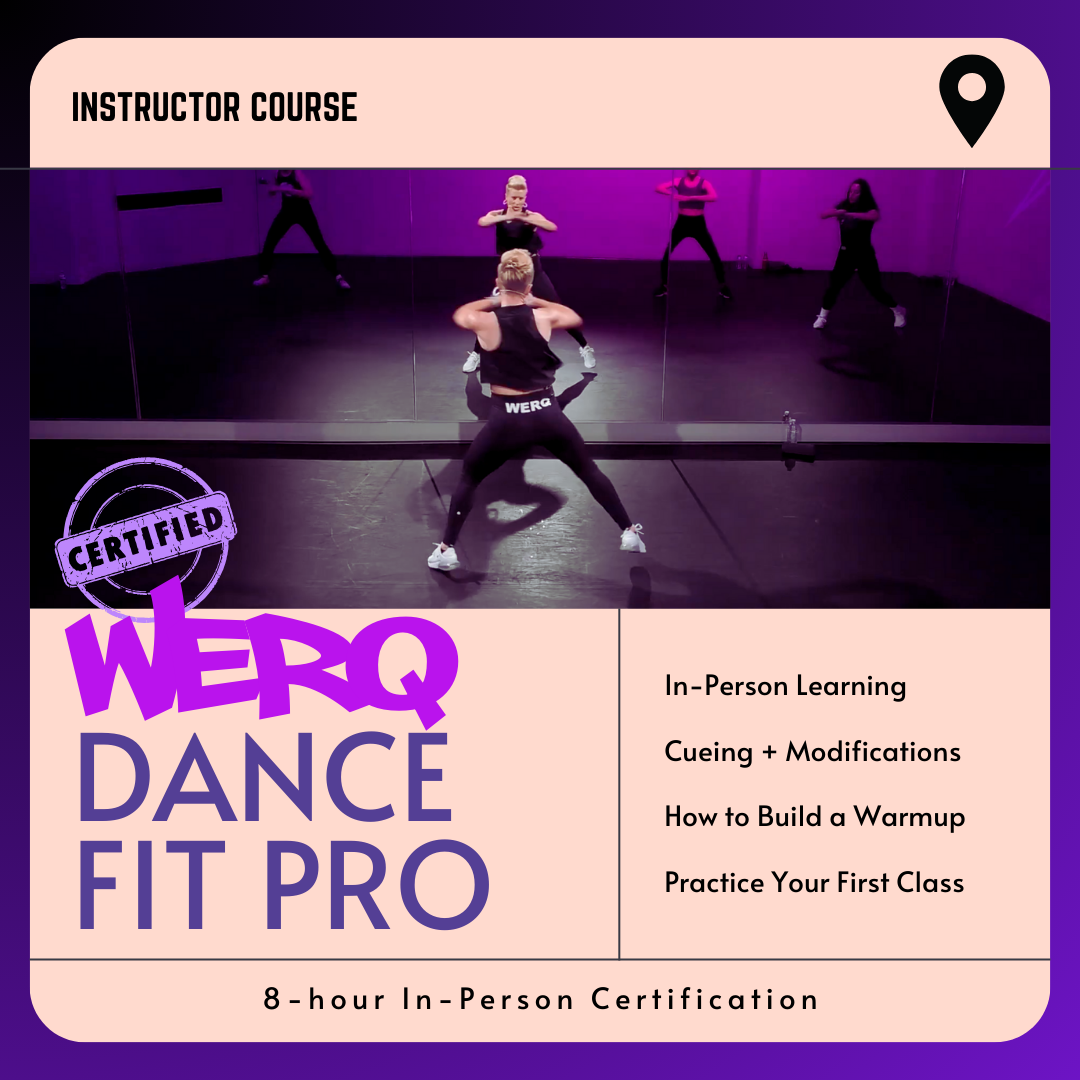
Image Source: shop.werqfitness.com
The Allure of Dance Fitness Instruction
Dance fitness has exploded in popularity. It’s not just about working out; it’s about celebrating movement, music, and community. As a dance fitness instructor, you’re not just teaching steps; you’re creating an experience. You’re a motivator, a guide, and a source of positive energy. This career path allows you to share your love for dance while making a real difference in people’s well-being. It’s a fantastic way to become a qualified fitness professional and build a fulfilling career.
Laying the Foundation: Essential Steps
Before you hit the dance floor as a certified instructor, there are crucial steps to take. These build a strong base for your success and ensure you’re well-prepared to lead safe and effective classes.
Step 1: Discover Your Passion and Niche
The world of dance fitness is vast. From Zumba to hip-hop fitness, Bollywood dance fitness, or even more specific styles, there’s a niche for everyone.
- Explore Different Styles: Try out various dance fitness classes. See what resonates with you. Do you love high-energy Latin rhythms, the flow of contemporary dance, or the strong beats of hip-hop?
- Identify Your Strengths: Are you naturally charismatic? Do you have a knack for breaking down complex choreography? Do you excel at creating a welcoming atmosphere?
- Consider Your Target Audience: Who do you want to teach? Beginners? Seniors? Athletes looking for cross-training? Understanding your audience will help you choose the right programs.
Step 2: Gain Foundational Fitness Knowledge
While dance is your passion, a solid understanding of fitness principles is non-negotiable. This ensures you can teach safely and effectively, preventing injuries and maximizing results.
- Anatomy and Physiology: Knowing how the body moves, its muscles, and its systems is vital. This helps you cue proper form and modify exercises.
- Kinesiology: This is the study of body movement. It’s crucial for understanding biomechanics and preventing injuries.
- Cardiovascular Health: Dance fitness is primarily aerobic exercise. You need to know about heart rate zones, intensity levels, and how to improve cardiovascular fitness.
- Flexibility and Strength Training: While not the primary focus, incorporating elements of flexibility and strength can enhance a dance fitness class.
- Nutrition Basics: While you won’t be a registered dietitian, having a basic grasp of healthy eating principles is beneficial for advising participants.
Many organizations offer foundational fitness certification that can provide this knowledge. Pursuing a general fitness certification is a smart first step.
Step 3: Research Dance Fitness Certifications
This is where you formalize your skills and gain the credibility to teach. A reputable dance fitness certification is your ticket to the industry.
What to Look for in a Dance Fitness Certification:
- Accreditation: Ensure the certification is recognized by reputable fitness organizations. This adds weight to your qualification.
- Curriculum: Does it cover anatomy, safe exercise techniques, choreography principles, music selection, business skills, and how to modify for different fitness levels?
- Instructor Training: Does it offer comprehensive dance fitness training that goes beyond just learning a few routines?
- Support and Resources: Does the certifying body offer ongoing support, continuing education, and access to a community of instructors?
- Cost and Time Commitment: Factor in the price of the course and the time required for completion.
Some popular and well-regarded fitness certification programs and organizations that offer dance fitness specializations include:
| Certification Provider | Focus Areas | Typical Course Content |
|---|---|---|
| Zumba Fitness | Latin and international rhythms, high-energy cardio | Basic steps, choreography, music theory, class structure, marketing, injury prevention. |
| AFAA (Aerobics and Fitness Association of America) | General group fitness, can specialize in dance | Anatomy, physiology, exercise science, program design, class formats, participant assessment, safety. |
| ACE (American Council on Exercise) | General fitness, can lead to dance fitness roles | Exercise science, behavior change, program design, client assessment, special populations, business skills. |
| Les Mills | Structured, branded group fitness programs | Specific choreography, music, coaching techniques, group dynamics for programs like BODYJAM (dance fitness). |
| Dance Fitness Alliance | Specific dance styles integrated with fitness | Choreography creation, music editing, class progression, business development, health and safety. |
| Various Yoga/Pilates Studios | Fusion classes (e.g., Dance-inspired yoga) | Often specialized workshops focusing on integrating dance movement with existing disciplines. |
Choosing the right dance instructor certification will depend on your preferred dance style and the type of classes you envision teaching.
The Journey of Dance Fitness Training
Once you’ve chosen a certification, you’ll embark on your dance fitness training. This is where the magic happens – you transform from a dance enthusiast into a skilled instructor.
Step 4: Enroll in a Dance Fitness Training Program
This is the core of your preparation. These programs are designed to equip you with the knowledge and practical skills needed to lead successful dance exercise classes.
Key Components of Dance Fitness Training:
- Movement Skills: You’ll refine your dance technique and learn how to break down choreography into easy-to-follow steps.
- Music Appreciation: Learning to count music, select appropriate tracks, and cue movements to the beat is essential.
- Class Design: You’ll learn how to structure a class, including warm-ups, cardiovascular segments, cool-downs, and flexibility.
- Cueing Techniques: Mastering verbal and non-verbal cues is crucial for guiding participants through the workout. This includes forward cueing, mirroring, and timing.
- Modifications and Progressions: A qualified fitness professional knows how to adapt movements for various fitness levels and offer options for those who need more challenge.
- Safety and Injury Prevention: This is paramount. You’ll learn about proper alignment, common injuries, and how to create a safe environment.
- Participant Motivation: You’ll develop strategies to keep participants engaged, energized, and coming back for more.
- Business and Marketing: Many programs include aspects of building your brand, finding clients, and managing your business as a dance fitness instructor.
Some fitness certification programs are delivered online, while others may require in-person attendance for practical components. A blended approach often provides the best of both worlds.
Step 5: Practice, Practice, Practice
Theoretical knowledge is important, but practical application is key to becoming a confident dance fitness instructor.
- Choreography: Practice creating your own routines or mastering those taught in your training.
- Mirroring and Cueing: Practice in front of a mirror or record yourself. Focus on clear, concise cues delivered at the right moment.
- Music Synchronization: Work on seamlessly blending your movements with the music.
- Teaching Friends and Family: Get comfortable leading a small group. Ask for honest feedback on your energy, clarity, and the overall experience.
Step 6: Pass Your Certification Exam
Most dance fitness certification programs culminate in an exam. This can be a written test, a practical demonstration, or a combination of both. Thorough preparation is crucial.
- Review Course Materials: Go back over your notes, textbooks, and any provided resources.
- Simulate Exam Conditions: If there’s a practical component, practice teaching a full class under timed conditions.
- Focus on Key Concepts: Ensure you have a strong grasp of safety, anatomy, cueing, and class structure.
Passing this exam officially makes you a certified fitness instructor, specializing in dance fitness.
Launching Your Career as a Dance Fitness Instructor
With your certification in hand, it’s time to put your skills to work and build your career as a dance fitness instructor.
Step 7: Gain Experience and Build Your Portfolio
The more you teach, the better you’ll become.
- Volunteer: Offer to teach free classes at community centers, local gyms, or charity events.
- Assist Other Instructors: If possible, shadow experienced instructors to learn their techniques and class management styles.
- Start Small: Begin with a few classes a week and gradually expand as your confidence and client base grow.
- Collect Testimonials: Happy participants are your best advertising. Ask for feedback and testimonials you can use.
Step 8: Find Employment or Start Your Own Business
Your career path can take many directions.
Employment Options:
- Gyms and Fitness Studios: Many facilities hire certified instructors for their group fitness schedules.
- Community Centers: These often have dance exercise classes for various age groups.
- Corporate Wellness Programs: Companies increasingly offer fitness classes to their employees.
- Online Platforms: Teach live or pre-recorded classes through streaming services or your own website.
Starting Your Own Business:
- Independent Contractor: Teach at multiple locations.
- Your Own Studio: If you have the capital and vision, open your own dance fitness studio.
- Online Courses and Workshops: Develop and sell your own dance fitness programs.
Step 9: Continuous Learning and Development
The fitness industry is always evolving. To stay relevant and continue growing as a qualified fitness professional, lifelong learning is essential.
- Continuing Education Units (CEUs): Most certifications require you to earn CEUs to maintain them. This involves attending workshops, taking advanced courses, or completing online modules.
- Attend Workshops and Conferences: Learn new choreography, teaching techniques, and business strategies.
- Explore New Dance Styles: Broaden your repertoire and appeal to a wider audience.
- Stay Updated on Fitness Trends: Be aware of new research, exercise science advancements, and popular fitness modalities.
- Network with Other Professionals: Connect with fellow instructors, trainers, and fitness experts.
By committing to continuous improvement, you ensure your dance fitness training remains current and your skills sharp.
Becoming a Certified Fitness Instructor: The Big Picture
The path to becoming a certified dance fitness instructor is structured and achievable. It involves combining a passion for dance with a commitment to fitness education and safe practice. By following these steps, you’ll be well on your way to a rewarding career.
Here’s a summary of the essential fitness certification programs and steps:
| Stage | Key Actions |
|---|---|
| Foundation | Gain basic fitness knowledge (anatomy, physiology). |
| Certification Selection | Research and choose a reputable dance fitness certification. |
| Training & Education | Enroll in dance fitness training, master choreography, cueing, and safety. |
| Practice & Exam | Practice teaching, refine skills, and pass your certification exam. |
| Career Launch | Gain experience, build a client base, and find employment or start your own business. |
| Continuous Growth | Pursue ongoing education, attend workshops, and stay updated on industry trends. |
Remember, becoming a certified fitness instructor is not just about obtaining a piece of paper; it’s about acquiring the knowledge, skills, and confidence to inspire and empower others through the joy of movement. Your dance instructor certification is the first step in a fulfilling career where you can make a real impact.
Frequently Asked Questions (FAQ)
Q1: What is the fastest way to become a certified dance fitness instructor?
The fastest way involves choosing a certification program with a compressed training schedule, dedicating significant study time, and practicing diligently. However, don’t sacrifice thorough learning for speed, especially regarding safety.
Q2: Can I become a certified dance fitness instructor without prior dance experience?
Yes, many programs are designed for individuals with varying levels of dance experience. They will teach you the necessary choreography and movement skills. A passion for dance and a willingness to learn are more important than professional dance training.
Q3: How much does a dance fitness certification typically cost?
Costs vary widely depending on the provider and the depth of the program. Prices can range from a few hundred dollars to over a thousand dollars. Factor in potential costs for textbooks, exams, and continuing education.
Q4: Who is a dance fitness instructor?
A dance fitness instructor is a certified professional who leads exercise classes that incorporate dance choreography and music to improve cardiovascular health, coordination, and overall fitness. They are motivators and educators in the fitness space.
Q5: What are the benefits of becoming a certified fitness instructor in dance fitness?
Benefits include sharing your passion for dance, helping others improve their health and well-being, enjoying a flexible career, and being part of a vibrant and supportive community. It’s a way to become a qualified fitness professional doing something you love.
Q6: How do I choose the right dance fitness training program?
Consider the program’s accreditation, the qualifications of its instructors, the comprehensiveness of its curriculum, the types of dance styles covered, and the availability of support and resources. Reading reviews and testimonials can also be helpful.
Q7: Do I need to be a professional dancer to teach dance exercise classes?
No, you don’t need to be a professional dancer. While strong dance skills are beneficial, the ability to break down movements, cue effectively, and create a fun, energetic atmosphere is more crucial for teaching dance exercise classes.
Q8: What are the different types of dance fitness certifications?
Certifications range from broad group fitness certifications that allow specialization in dance, to specific programs focused on particular dance styles like Zumba, Bokwa, or Les Mills BODYJAM. Some certifications might focus on fusion styles, blending dance with other fitness disciplines.