
The question of how much do yoga teachers make has a broad answer because pay varies greatly depending on experience, location, teaching style, and the types of venues where they teach. A yoga teacher might earn anywhere from $15-$100+ per class, with an average yoga teacher pay that can range from $20,000 to $60,000 annually for full-time work, though many teach part-time, significantly impacting their overall income.
Becoming a yoga teacher is a dream for many who are passionate about the practice and wish to share its benefits with others. However, the financial reality of this career path is often a topic of curiosity and concern. This in-depth guide will explore the various factors that influence yoga teacher salary, break down different pay structures, and offer insights into maximizing your earning potential.
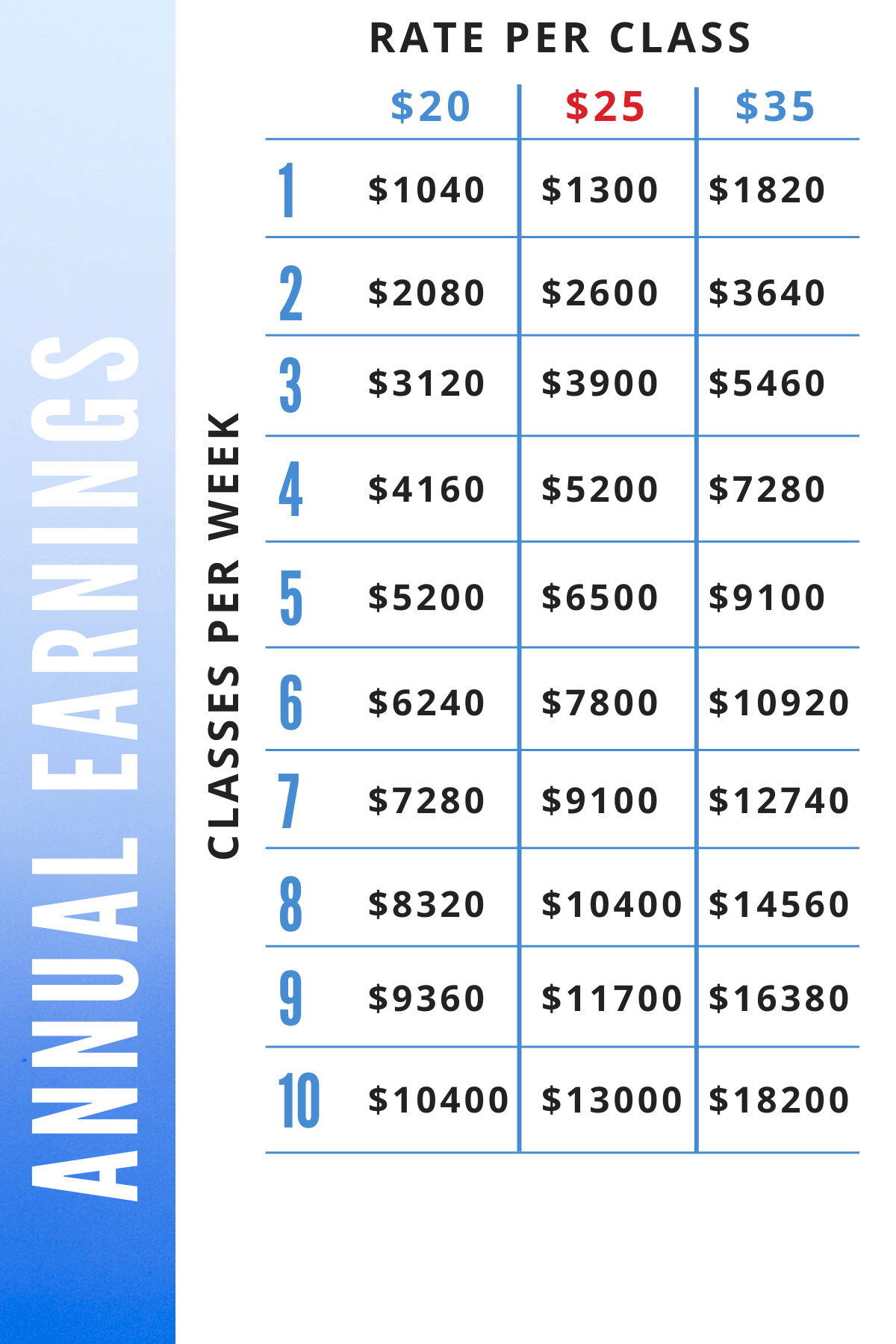
Image Source: oneflowyoga.com
Deciphering the Yoga Instructor Salary Landscape
The yoga instructor salary is not a fixed figure. It’s a dynamic sum influenced by a multitude of variables, much like the ever-evolving practice of yoga itself. To truly grasp how much yoga teachers make, we need to explore these key components.
Factors Affecting How Much Yoga Teachers Earn
- Experience Level: Like any profession, the more experience a yoga teacher gains, the more they can typically command in terms of payment. Beginners might start at lower rates, while seasoned instructors with specialized knowledge and a strong reputation can charge more.
- Location: The cost of living and the demand for yoga services play a significant role. Teachers in major metropolitan areas or affluent regions often earn more than those in smaller towns or areas with lower demand.
- Type of Employment: Are you a studio employee, a freelance instructor, or do you own your own studio? Each of these employment models has a distinct impact on earnings.
- Specialization and Niche: Teachers who specialize in specific styles (e.g., Ashtanga, Bikram, Restorative Yoga) or demographics (e.g., prenatal yoga, yoga for seniors, therapeutic yoga) may find opportunities to charge premium rates.
- Yoga Certification: While not always a direct determinant of salary, holding certifications from reputable yoga schools (e.g., 200-hour, 300-hour, or 500-hour RYT through Yoga Alliance) can enhance credibility and open doors to more lucrative opportunities. Some advanced certifications can also justify higher private yoga session cost.
- Reputation and Following: A yoga teacher with a strong personal brand, positive reviews, and a loyal student base can often negotiate better rates and attract more clients.
Understanding Yoga Class Rates
The most common way yoga teachers are compensated is per class. These yoga class rates can vary significantly:
- Beginner Teachers: Often start between $15-$30 per class.
- Experienced Teachers: Can earn $30-$75 per class.
- Highly Sought-After or Specialized Teachers: May command $75-$100+ per class, especially for workshops or special events.
These figures are typically for group classes. The compensation structure often differs for private sessions or specialized services.
Exploring Different Avenues for Yoga Teacher Earnings
The path of a yoga teacher is rarely a single, straight line. Most instructors diversify their income streams by teaching in various settings.
Teaching at Yoga Studios
Working for a yoga studio is a common entry point for many yoga teachers. In this model, a yoga studio owner income is derived from student memberships and class drop-ins, and they, in turn, pay their instructors.
- Per-Class Rate: This is the most prevalent model. Teachers are paid a set amount for each class they teach, regardless of the number of students.
- Percentage of Revenue: Some studios may offer a percentage of the revenue generated by a specific class. This can be lucrative if the class is popular but can also be inconsistent.
- Hourly Wage: Less common, but some studios might offer an hourly wage, especially if the teacher is also involved in administrative tasks or assists with studio operations.
Table: Typical Studio Pay Structures
| Pay Structure | Description | Potential Earnings | Pros | Cons |
|---|---|---|---|---|
| Per-Class Rate | Fixed payment for each class taught. | $15-$75+ per class | Predictable income per class. | Income capped by number of classes. |
| Percentage of Revenue | Share of the income generated by a specific class (e.g., 50% of drop-ins). | Varies based on class attendance and pricing. | Potential for higher earnings with popular classes. | Income can fluctuate significantly. |
| Hourly Wage | Paid for each hour worked, including non-teaching duties. | $15-$30+ per hour (often includes studio tasks). | Stable hourly pay, can include non-teaching tasks. | May not fully reflect teaching expertise. |
The average yoga teacher pay in a studio setting often falls within the $20-$40 per class range, especially for those with less than five years of experience.
Freelance Yoga Teacher Earnings
Freelance yoga teachers take their skills directly to clients or various venues, offering greater autonomy and potentially higher earning opportunities.
- Private Yoga Sessions: The private yoga session cost can range from $60 to $150 per hour, or even more, depending on the teacher’s expertise, the client’s needs (e.g., therapeutic yoga), and the location.
- Workshops and Special Events: Teachers can design and lead workshops on specific yoga topics, inversions, meditation, or anatomy. These can fetch higher rates, from a few hundred to several thousand dollars, depending on the duration and topic.
- Corporate Yoga: Many companies are recognizing the benefits of yoga for employee wellness. Corporate yoga rates can be higher, often billed per session or per employee.
- Wellness Retreats: Leading or co-leading yoga retreats can be a significant income source, often involving package deals that include teaching, accommodation, and food.
Freelance yoga teacher earnings are directly tied to their ability to market themselves, build a client base, and manage their business effectively.
Corporate Yoga Rates
Corporate yoga is a growing sector. Companies hire yoga teachers to come to their workplace, offering classes as an employee benefit.
- Typical Session Rates: Corporate yoga rates often range from $100 to $300 per 60-minute session, depending on the location and the number of employees attending.
- Package Deals: Some corporate clients may opt for ongoing packages, providing a more stable income stream for the teacher.
These rates reflect the added value provided to a corporate environment and the convenience of on-site services.
Yoga Studio Owner Income
For those who dream of having their own space, becoming a yoga studio owner can be a rewarding but demanding venture.
- Revenue Streams: Studio owners earn from student memberships, class drop-ins, workshops, retail sales (mats, clothing, props), and potentially teacher training programs.
- Expenses: Running a studio involves significant overhead costs, including rent, utilities, insurance, marketing, staff salaries (including their own if they are actively teaching), and maintenance.
- Profitability: The yoga studio owner income can vary dramatically. Some studios struggle to break even, while others become highly profitable. Success often depends on strong business acumen, effective marketing, community building, and financial management.
A successful yoga studio owner’s income is not solely from teaching but from the overall business operations.
Maximizing Your Yoga Teacher Compensation
To earn a sustainable living as a yoga teacher, diversification and strategic planning are key.
Building a Strong Teaching Portfolio
- Diverse Teaching Venues: Teach at studios, gyms, community centers, private homes, corporations, and even online.
- Specialized Offerings: Develop expertise in areas like prenatal yoga, yoga therapy, or yoga for athletes.
- Workshops and Events: Host regular workshops, retreats, or guest teach at other studios.
Online Teaching Opportunities
The digital age has opened up new avenues for yoga teachers.
- Live Online Classes: Many platforms allow you to stream live classes to students anywhere in the world. You can charge per class or offer monthly subscriptions.
- Pre-recorded Content: Create and sell online yoga courses or membership sites with a library of pre-recorded classes. This can provide passive income.
- YouTube and Social Media: While not always directly monetized, a strong online presence can attract in-person clients and build your brand.
The Role of Yoga Certification Salary
While a yoga certification salary isn’t a direct payout, the qualifications you gain can significantly influence your earning potential.
- 200-Hour RYT: This is the foundational certification required by many studios to teach. It qualifies you for entry-level positions and allows you to begin building your experience.
- 300-Hour or 500-Hour RYT: Advanced certifications indicate a deeper understanding of yoga philosophy, anatomy, teaching methodology, and specialized practices. These credentials often allow you to charge higher rates for classes, workshops, and private sessions.
- Specialty Certifications: Certifications in areas like yoga therapy, prenatal yoga, or trauma-informed yoga can open up niche markets and command premium pricing.
Yoga Instructor Benefits
When employed directly by a studio or corporate entity, yoga instructors may receive certain benefits, though these are not always standard and can vary widely.
- Free or Discounted Classes: Access to classes at the studio where you teach.
- Continuing Education Opportunities: Sponsorship or discounts for further training.
- Paid Time Off: Less common for per-class instructors, but more likely for salaried studio staff.
- Health Insurance: Rare for part-time yoga instructors but may be an option for full-time studio employees.
- Retail Discounts: Discounts on yoga apparel and accessories sold at the studio.
These yoga instructor benefits can add value to the overall compensation package, even if the base salary is modest.
Financial Planning for Yoga Teachers
Many yoga teachers start their careers with a passion for teaching rather than a strong business background. To ensure financial stability, proactive financial planning is essential.
Budgeting and Expense Tracking
- Track All Income: Keep records of all earnings from different teaching sources.
- Monitor Expenses: Log all business-related expenses, including training, certifications, insurance, travel, marketing materials, and any studio rental fees.
- Create a Personal Budget: Understand your living expenses and how much income you need to cover them.
Tax Considerations
As a self-employed yoga teacher or freelance instructor, you’ll be responsible for your own taxes.
- Set Aside Tax Money: It’s advisable to set aside a portion of your income (e.g., 20-30%) for self-employment taxes.
- Consult a Tax Professional: A tax advisor can help you understand deductions and ensure you are compliant with tax laws.
Saving and Investing
- Retirement Planning: Consider opening a retirement account (e.g., IRA) to save for your future.
- Emergency Fund: Build an emergency fund to cover unexpected expenses or periods of lower income.
Frequently Asked Questions (FAQ)
Q: What is the average hourly wage for a yoga teacher?
A: While many yoga teachers are paid per class, if you were to break down the average yoga teacher pay into an hourly rate based on a typical 60-minute class, it might range from $15 to $50+ per hour. This doesn’t account for preparation time or travel.
Q: Can I make a full-time living as a yoga teacher?
A: Yes, it is possible to make a full-time living as a yoga teacher, but it often requires teaching a significant number of classes, offering private sessions, leading workshops, and potentially building an online presence. Diversifying income streams is key.
Q: What is the difference in pay between teaching at a yoga studio versus teaching privately?
A: Yoga class rates at studios can range from $15-$75 per class. Private yoga session cost is generally higher, typically $60-$150+ per hour, as you are providing a personalized service.
Q: Does a Yoga Alliance certification increase my salary?
A: While a Yoga Alliance certification itself doesn’t guarantee a higher salary, it does increase your credibility and marketability. Having a 200-hour RYT or higher can open doors to more teaching opportunities and allow you to command higher yoga class rates or private yoga session cost compared to uncertified instructors.
Q: How much can a yoga studio owner make?
A: The yoga studio owner income varies greatly. A profitable studio owner might earn a comfortable living, while others may struggle to cover expenses. Success depends heavily on business management, marketing, and location.
Q: Are there benefits associated with being a yoga instructor?
A: Yoga instructor benefits are not universal. Some studios offer free classes, retail discounts, or professional development opportunities. Full-time employees might receive health insurance or paid time off, but this is less common for freelance or part-time instructors.
Q: What are typical corporate yoga rates?
A: Corporate yoga rates often fall between $100 to $300 per 60-minute session, varying based on location and the number of participants.
Q: How do freelance yoga teacher earnings compare to studio earnings?
A: Freelance yoga teacher earnings can be higher on a per-session basis, especially for private clients and corporate gigs. However, studio teachers often benefit from a more consistent schedule and potentially fewer administrative burdens.
In conclusion, the journey to becoming a financially stable yoga teacher is one of dedication, continuous learning, and smart business practices. By understanding the various components of yoga teacher salary and actively pursuing diverse opportunities, aspiring and established instructors can build a fulfilling and sustainable career sharing the transformative power of yoga.