
Yoga classes can vary significantly in price, with costs typically ranging from $10 to $30 per class for drop-in rates, and memberships or class packages often reducing the per-class cost to between $5 and $20. The exact cost depends on many factors, including location, studio type, class duration, instructor experience, and whether you opt for in-person or online sessions.
Deciding to embark on a yoga journey is a fantastic step towards wellness, but the question of “how much are yoga classes?” can be a bit of a puzzle. The price tags on yoga can swing quite a bit, making it feel like a luxury for some and an accessible practice for others. This guide aims to demystify yoga class prices, offering a clear breakdown of what influences the cost of yoga lessons and how you can find options that fit your budget.
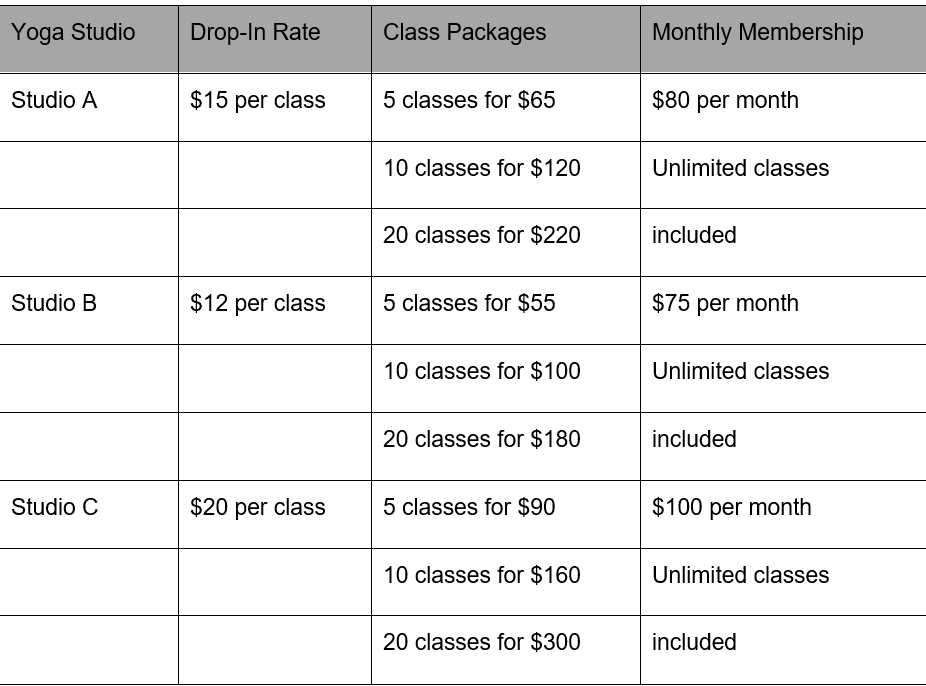
Image Source: images.surferseo.art
Factors Influencing Yoga Class Prices
Several elements come into play when determining how much you’ll pay for a yoga class. Understanding these can help you make informed decisions and find the best value for your practice.
1. Location, Location, Location
The geographical area where a yoga studio is situated plays a huge role in its pricing.
- High Cost of Living Areas: Cities and regions with a higher cost of living, such as major metropolitan areas like New York City, London, or San Francisco, generally have higher yoga class pricing by location. This is due to increased overhead for the studio, including rent, utilities, and staff salaries.
- Lower Cost of Living Areas: Conversely, studios in smaller towns or areas with a lower cost of living might offer more affordable rates.
2. Studio Type and Atmosphere
Not all yoga studios are created equal, and their unique offerings and environments contribute to their pricing.
- Boutique Studios: These studios often focus on a specific style of yoga (e.g., hot yoga, vinyasa, restorative) and may offer a more personalized or luxurious experience. Expect slightly higher prices here due to specialized amenities, smaller class sizes, and premium instructor quality.
- Community Studios: Often run by non-profits or smaller, independent owners, these studios tend to have more accessible pricing, aiming to serve a wider community. They might have simpler facilities but a strong emphasis on the yoga practice itself.
- Gyms and Fitness Centers: Many mainstream gyms offer yoga classes as part of their membership. The cost of yoga lessons here is often bundled into the overall gym fee, making it a cost-effective option if you’re already a member. The quality and focus on yoga can vary.
3. Instructor Experience and Specialization
The expertise and reputation of the yoga instructor can also influence the price.
- Experienced and Certified Instructors: Yoga teachers with extensive training, certifications (like RYT 500), and years of experience often command higher rates. Their knowledge in anatomy, philosophy, and various yoga styles can lead to more profound and safe instruction.
- Specialized Workshops and Retreats: Instructors leading specialized workshops or multi-day retreats will naturally charge more, reflecting the depth of knowledge and focused content provided.
4. Yoga Class Duration and Cost
The length of a yoga class is a straightforward factor in its price.
- Standard Classes (60-75 minutes): These are the most common and typically fall within the average price range.
- Shorter Classes (45-50 minutes): Some studios or gyms might offer shorter classes, which could be slightly less expensive or included in a broader membership.
- Longer Classes or Workshops (90+ minutes): Extended sessions, workshops, or specialized series will have higher price points, reflecting the increased duration and often more in-depth content.
5. Online vs. In-Person Yoga
The rise of online platforms has introduced more flexible and often more affordable yoga options.
- Online Yoga Class Fees: These can be significantly lower than in-person classes. Many platforms offer subscription models for unlimited access to a library of pre-recorded classes or live-streamed sessions, often costing between $10-$30 per month. Pay-per-class online options are also available, typically ranging from $5-$15.
- In-Person Classes: These usually have higher costs due to studio overhead and the direct human interaction involved.
Pricing Models for Yoga Classes
Yoga studios typically offer several ways to pay for classes, each with its own advantages.
1. Drop-In Yoga Rates
This is the most flexible option, allowing you to pay for a single class without any commitment.
- Typical Cost: Drop-in yoga rates commonly range from $18 to $30. Some studios in very high-cost areas or offering specialized classes might charge more.
- Pros: Great for trying out different studios or attending classes sporadically.
- Cons: The most expensive per-class option in the long run.
2. Yoga Class Packages (Class Packs)
Buying a bundle of classes is a popular way to save money compared to drop-in rates.
- Typical Cost: Packages can vary widely, but buying in bulk often brings the per-class price down to $12-$25.
- 5-Class Pack: ~ $75 – $125
- 10-Class Pack: ~ $120 – $220
- 20-Class Pack: ~ $200 – $350
- Pros: Offers a discount per class compared to drop-ins; provides a good balance between flexibility and savings.
- Cons: Requires a commitment to a certain number of classes; packs often have expiration dates.
3. Yoga Studio Membership Fees
For those who practice yoga regularly, a monthly membership is often the most cost-effective and convenient option.
- Unlimited Monthly Memberships: These can range from $80 to $200 or more per month, depending on the studio and location. The more you attend, the lower your per-class cost becomes. If you attend 10 classes a month, an $120 membership makes each class only $12.
- Limited Memberships: Some studios offer memberships for a set number of classes per month (e.g., 4 or 8 classes), with prices typically ranging from $60 to $150.
- Annual Memberships: Often a significant upfront investment, but can offer the lowest per-class cost if you commit to a full year of practice.
- Pros: Best value for frequent practitioners; encourages consistency; often includes additional perks like discounts on workshops or retail.
- Cons: Highest upfront cost; requires commitment; you pay even if you miss classes.
4. Introductory Offers
Many studios offer special deals for new students to encourage them to try their facilities.
- New Student Specials: These often include an unlimited week or month of yoga for a low flat fee (e.g., $25-$50).
- Pros: Excellent way to explore a studio thoroughly at a minimal cost.
- Cons: Usually a one-time offer for new clients.
5. Private Yoga Session Cost
For personalized attention and a tailored practice, private sessions are available.
- Typical Cost: The private yoga session cost can range from $75 to $150 per hour, sometimes more for highly sought-after instructors or specialized training.
- Pros: One-on-one attention, customized sequences, focus on specific goals or injuries.
- Cons: Significantly more expensive than group classes. Often, buying a package of private sessions can reduce the per-session cost.
6. Online Yoga Class Fees vs. In-Person
Let’s look at the cost differences more closely.
| Pricing Model | Typical Cost Range (Per Class Equivalent) | Notes |
|---|---|---|
| Drop-In (In-Person) | $18 – $30 | Highest per-class cost, most flexible. |
| 10-Class Pack (In-Person) | $12 – $22 | Good value, requires commitment to a pack. |
| Unlimited Monthly Membership | $5 – $20 (if attending 6+ classes) | Best value for regulars, encourages consistent practice. |
| Online Drop-In | $5 – $15 | More affordable, convenient, less personal interaction. |
| Online Subscription (Unlimited) | $10 – $30 (per month) | Excellent value for frequent online practitioners. |
| Private Session (In-Person) | $75 – $150+ | Premium price for personalized guidance. |
| Private Session (Online) | $50 – $100+ | Slightly lower than in-person, still premium for personalization. |
Finding Affordable Yoga Options
If you’re on a budget, don’t despair! There are plenty of ways to make yoga more accessible.
1. Utilize New Student Specials
As mentioned, these introductory offers are gold for trying out studios without breaking the bank. Make a list of local studios and take advantage of their new client deals.
2. Look for Community or Donation-Based Classes
- Community Studios: These often have a mission to provide yoga to everyone, regardless of income.
- Donation-Based Classes: Some studios or instructors offer classes where you pay what you can. While there’s usually a suggested donation (often $10-$15), you can contribute what you are able to. These are fantastic for affordable yoga options.
3. Explore Online Platforms
For sheer affordability and convenience, online yoga class fees are hard to beat. Many platforms offer free trials, and monthly subscriptions are often cheaper than a single in-person class. This is a great way to sample different teachers and styles from the comfort of your home.
4. Invest in Class Packages
If you know you’ll be attending yoga regularly at a specific studio, investing in a yoga class package is almost always cheaper than paying for each class individually.
5. Consider Gym Memberships
If you’re already paying for a gym membership that includes yoga classes, make sure you’re utilizing them! It’s essentially “free” yoga if it’s part of your existing fee.
6. Practice at Home
While not a substitute for the community and guidance of a studio class, there are countless free yoga resources available online (YouTube, free apps) that can supplement your practice or serve as your primary method of practicing at home.
What to Consider When Choosing a Yoga Class
Beyond the price, several factors contribute to the overall value and enjoyment of a yoga class.
1. Class Style and Your Needs
Yoga is diverse. Understanding the different styles is crucial.
- Hatha Yoga: Often slower-paced, focusing on basic poses and breathwork. Good for beginners.
- Vinyasa Yoga: Flowing, dynamic style linking breath with movement. Can be more physically demanding.
- Ashtanga Yoga: A rigorous, set sequence of poses. Requires discipline and strength.
- Bikram/Hot Yoga: Practiced in a heated room, typically a set sequence of 26 poses. Intense and detoxifying.
- Restorative Yoga: Gentle, focused on relaxation and passive stretching with props. Excellent for stress relief.
- Yin Yoga: Holds poses for longer periods, targeting deep connective tissues.
- Power Yoga: A more athletic, fitness-oriented style of Vinyasa.
Consider your fitness level, flexibility, and what you hope to gain from your practice (stress relief, strength, flexibility, spiritual growth) when selecting a style.
2. Instructor’s Teaching Style
Even within the same style, instructors have different personalities and teaching approaches. Some are more precise and alignment-focused, while others emphasize flow and intuition. Reading instructor bios or watching sample videos (if available) can give you a feel for their style.
3. Studio Atmosphere and Community
Do you prefer a quiet, serene environment, or a more energetic, social vibe? Some studios foster a strong sense of community, while others are more about individual practice.
4. Class Size
Smaller classes often allow for more personalized feedback from the instructor, while larger classes can feel more energetic and less intimidating for some.
Frequently Asked Questions (FAQs)
Q1: What is the average cost of a single yoga class?
A1: The average cost for a single, drop-in yoga class typically ranges from $18 to $30.
Q2: Are online yoga classes cheaper than in-person classes?
A2: Yes, generally online yoga class fees are significantly lower than in-person classes. Many online subscriptions offer a very low per-class cost when averaged out.
Q3: How much does a yoga studio membership cost?
A3: Yoga studio membership fees for unlimited classes can range from $80 to $200+ per month, depending on the studio’s location and offerings.
Q4: What are yoga class packages?
A4: Yoga class packages are bundles of classes (e.g., 5, 10, or 20 classes) purchased upfront, offering a reduced per-class rate compared to drop-in prices.
Q5: Is it worth paying for a yoga membership?
A5: If you plan to attend yoga classes at least 6-8 times per month at a single studio, a membership is usually more cost-effective than buying drop-in classes or smaller packages.
Q6: How much is a private yoga session?
A6: The private yoga session cost typically falls between $75 and $150 per hour, with potential for package discounts.
Q7: Where can I find affordable yoga options?
A7: Look for new student specials, donation-based classes, community studios, and online yoga platforms to find affordable yoga options.
Q8: How does yoga class duration affect the cost?
A8: Longer classes or workshops generally have a higher price than standard 60-75 minute classes due to the increased time and often more in-depth content or instruction.
Q9: Does yoga class pricing vary by location?
A9: Yes, yoga class pricing by location is a significant factor. Studios in areas with a higher cost of living will typically charge more than those in lower-cost regions.
Q10: Can I get a discount if I buy multiple classes?
A10: Yes, purchasing yoga class packages or opting for a studio membership are the primary ways to get discounts on yoga classes.
By now, you should have a clearer picture of how much yoga classes cost and the various factors that influence their pricing. Whether you’re drawn to the community feel of a local studio, the flexibility of online sessions, or the personalized attention of private instruction, there’s a yoga path and a price point to suit your needs. Happy practicing!