
The question of “how many yoga asanas are there?” doesn’t have a single, definitive numerical answer; rather, the number is vast and continually evolving. This guide will delve into the world of yoga postures, exploring their origins, classifications, and the sheer breadth of what’s available to practitioners.
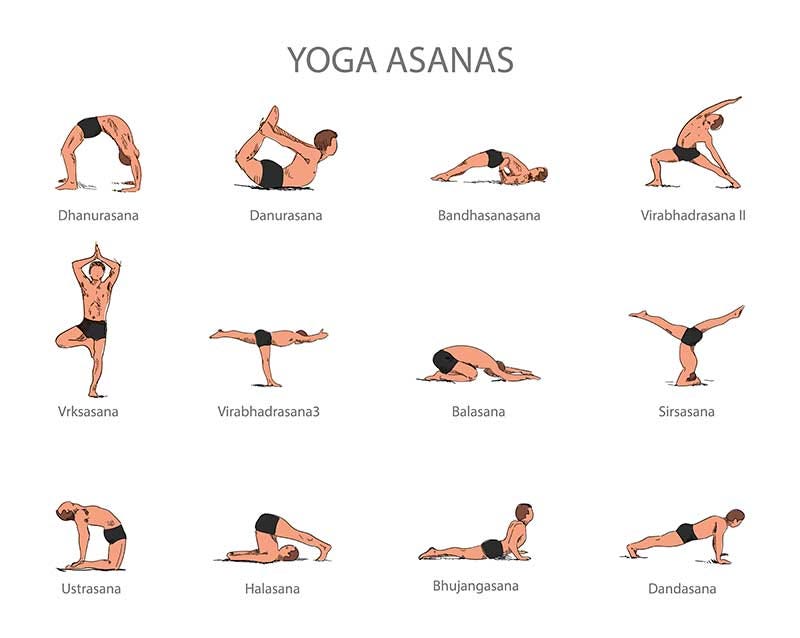
Image Source: miro.medium.com
The Ever-Expanding Universe of Yoga Postures
Yoga, an ancient practice originating in India, encompasses a wide array of physical, mental, and spiritual disciplines. At its core, yoga involves the practice of asanas, or physical postures, designed to bring balance to the body and mind. While many people associate yoga with a few well-known poses, the reality is that the repertoire of yoga poses is immense and has grown significantly over centuries.
The number of distinct yoga asanas is not a fixed quantity. Historically, classical yoga texts like the Hatha Yoga Pradipika describe a much smaller number of asanas compared to the hundreds, and even thousands, of variations and entirely new poses that exist today. Modern yoga teachers and practitioners are constantly innovating, creating new sequences and exploring creative expressions of movement. This dynamic nature means that any attempt to pinpoint an exact number will always be a snapshot in time, quickly becoming outdated.
Fathoming the Origins and Evolution of Asanas
The earliest mentions of yoga postures in ancient Indian texts are often more about their symbolic or meditative significance rather than detailed physical instructions. Texts like the Yoga Sutras of Patanjali primarily focus on the meditative and ethical aspects of yoga, with asana described as a steady, comfortable posture for meditation (Sanskrit: sukhasana).
It was the development of Hatha Yoga, particularly from the 10th century onwards, that saw a greater emphasis on physical postures. Hatha yoga aimed to prepare the body for advanced meditation by purifying it through various practices, including asanas. Early Hatha Yoga texts, such as the Hatha Yoga Pradipika, Gheranda Samhita, and Shiva Samhita, describe a more structured approach to physical postures.
The Hatha Yoga Pradipika, attributed to Swami Svatmarama in the 15th century, is a seminal text that details specific asanas. It mentions 84 asanas, stating that they are the most important and beneficial. However, it’s crucial to note that the text implies these are the principal poses, not an exhaustive list. The commentary and interpretation of these texts have led to further development and understanding of the poses.
Later traditions and lineages continued to expand the practice. In the 20th century, influential yoga gurus like T. Krishnamacharya and his students, including K. Pattabhi Jois, B.K.S. Iyengar, and Indra Devi, played a pivotal role in popularizing yoga in the West. They not only refined existing asanas but also introduced new variations and sequences, significantly broadening the global understanding of yoga poses. Their teachings are the foundation for many of the popular types of yoga asanas practiced today.
Categorizing the Immense Variety of Yoga Asanas
Given the sheer volume, classifying yoga asanas helps to make sense of this vast repertoire. We can broadly categorize them based on their physical orientation, the type of movement involved, or their intended effect on the body and mind.
1. By Body Orientation
This is one of the most common ways to group yoga poses.
- Standing Asanas: These are poses performed while standing. They are excellent for building strength, balance, and grounding.
- Examples: Tadasana (Mountain Pose), Virabhadrasana I, II, III (Warrior Poses), Trikonasana (Triangle Pose), Vrksasana (Tree Pose).
- Seated Asanas: Poses performed in a seated position. These often focus on hip opening, spinal flexibility, and meditation.
- Examples: Sukhasana (Easy Pose), Padmasana (Lotus Pose), Paschimottanasana (Seated Forward Bend), Baddha Konasana (Bound Angle Pose).
- Supine Asanas: Poses performed lying on the back. These are often restorative and calming.
- Examples: Savasana (Corpse Pose), Supta Matsyendrasana (Reclined Spinal Twist), Setu Bandhasana (Bridge Pose).
- Prone Asanas: Poses performed lying on the stomach. These can strengthen the back and open the chest.
- Examples: Bhujangasana (Cobra Pose), Salabhasana (Locust Pose), Dhanurasana (Bow Pose).
- Inversions: Poses where the head is lower than the heart. These are often invigorating and can improve circulation.
- Examples: Adho Mukha Svanasana (Downward-Facing Dog), Sirsasana (Headstand), Sarvangasana (Shoulderstand), Pincha Mayurasana (Forearm Stand).
2. By Type of Movement or Action
This categorization looks at the primary action the body performs in the pose.
- Forward Bends: Involve flexing the spine forward, often stretching the hamstrings and back muscles.
- Benefits of Yoga Poses: Can calm the nervous system, relieve stress, and aid digestion.
- Common Yoga Postures: Paschimottanasana, Uttanasana (Standing Forward Bend), Janu Sirsasana (Head-to-Knee Forward Bend).
- Backbends: Involve extending the spine backward, opening the chest and strengthening the back.
- Benefits of Yoga Poses: Can improve posture, boost energy levels, and open the heart.
- Common Yoga Postures: Bhujangasana, Ustrasana (Camel Pose), Chakrasana (Wheel Pose).
- Twists: Involve rotating the torso, promoting spinal mobility and aiding detoxification.
- Benefits of Yoga Poses: Improve digestion, relieve back pain, and increase spinal flexibility.
- Common Yoga Postures: Ardha Matsyendrasana (Half Lord of the Fishes Pose), Jathara Parivartanasana (Reclined Spinal Twist).
- Balancing Poses: Require concentration and core strength to maintain stability.
- Benefits of Yoga Poses: Enhance focus, build leg and core strength, and improve proprioception.
- Common Yoga Postures: Vrksasana, Garudasana (Eagle Pose), Natarajasana (Dancer Pose).
3. By Energy or Intended Effect
Yoga teachers often describe poses based on whether they are energizing (heating) or calming (cooling).
- Energizing Asanas: Typically include backbends, inversions, and faster-paced sequences. These can increase circulation and stimulate energy flow.
- Calming Asanas: Often involve forward bends, gentle twists, and restorative poses. These can promote relaxation and reduce stress.
The Spectrum of Practice: Beginner to Advanced
The accessibility of yoga asanas varies greatly, catering to different levels of experience and physical capability.
Beginner Yoga Asanas
These poses are foundational and designed for those new to yoga. They focus on building basic strength, flexibility, and body awareness.
- Tadasana (Mountain Pose): The starting point for many standing sequences, promoting good posture and grounding.
- Adho Mukha Svanasana (Downward-Facing Dog): A foundational inversion that stretches the entire body, building strength in the arms and legs.
- Virabhadrasana I & II (Warrior I & II): Essential standing poses that build leg strength and open the hips.
- Utkatasana (Chair Pose): Strengthens the thighs and core.
- Sukhasana (Easy Pose): A simple seated pose, ideal for meditation and breathwork.
- Balasana (Child’s Pose): A resting pose that gently stretches the back and hips.
- Bhujangasana (Cobra Pose): A gentle backbend that strengthens the spine and opens the chest.
Intermediate Yoga Poses
As practitioners develop strength and flexibility, they can move on to more challenging asanas that require greater control and endurance.
- Virabhadrasana III (Warrior III): Requires significant balance and core strength.
- Trikonasana (Triangle Pose): Deeper stretch for hamstrings, hips, and spine.
- Ardha Matsyendrasana (Half Lord of the Fishes Pose): A more intense seated twist.
- Setu Bandhasana (Bridge Pose): A more active backbend that strengthens the glutes and back muscles.
- Paripurna Navasana (Boat Pose): Builds core strength.
- Ustrasana (Camel Pose): A deeper backbend requiring open chest and shoulders.
Advanced Yoga Poses
These poses demand significant strength, flexibility, balance, and concentration. They often involve complex transitions and deep anatomical engagement.
- Sirsaasana (Headstand): A challenging inversion that requires core strength, shoulder stability, and proper alignment.
- Sarvangasana (Shoulderstand): Another powerful inversion with many variations, requiring neck strength and spinal awareness.
- Padmasana (Lotus Pose): A deep hip-opening seated posture crucial for advanced meditation.
- Eka Pada Rajakapotasana (One-Legged King Pigeon Pose): A deep hip opener and backbend.
- Koundinyasana I & II: Arm balances that require significant upper body and core strength.
- Ashtavakrasana (Eight-Angle Pose): A complex arm balance involving hip flexibility and core engagement.
- Viparita Salabhasana (Reversed Locust Pose): A challenging backbend with arms reaching back and up.
Exploring Different Yoga Styles and Their Asana Focus
The emphasis on certain types of yoga asanas can vary significantly depending on the specific yoga style. Understanding these styles can help practitioners find the practice that best suits their needs and preferences.
- Hatha Yoga: Often used as a general term for physical yoga, but in practice, it usually refers to a slower-paced class that focuses on holding poses for several breaths. It’s excellent for building a foundation in common yoga postures.
- Vinyasa Yoga: Characterized by flowing movements synchronized with breath. Sequences are often dynamic, linking poses together in creative ways. This style incorporates a wide range of yoga poses, often flowing between standing, balancing, and seated postures.
- Ashtanga Yoga: A vigorous style with a set sequence of poses that are performed in the same order every time. It builds internal heat and emphasizes strength, flexibility, and stamina. It includes many challenging advanced yoga poses.
- Iyengar Yoga: Known for its precise alignment and the use of props (blocks, straps, blankets) to help students achieve the correct form in each pose. This style breaks down complex yoga postures and is excellent for developing a deep understanding of anatomy and biomechanics.
- Bikram Yoga / Hot Yoga: Practiced in a heated room, typically with a set sequence of 26 poses and two breathing exercises. The heat is believed to increase flexibility and promote detoxification.
- Yin Yoga: A slow-paced style where poses are held for longer periods (3-5 minutes or more) to target deep connective tissues like fascia and ligaments. It often focuses on seated and supine poses, promoting deep stretching and relaxation.
- Restorative Yoga: Employs props to support the body in gentle, relaxing poses held for extended durations. The goal is deep relaxation and rejuvenation.
The Significance of Yoga Sequences
Yoga sequences, also known as vinyasa or flow, are carefully planned series of poses designed to create a holistic experience. They can be structured to target specific muscle groups, energy levels, or even emotional states. A well-designed yoga sequence ensures a balanced practice, moving from preparatory poses to peak poses and then into cooling-down poses.
Examples of common yoga sequences include:
- Sun Salutations (Surya Namaskar): A fundamental sequence that warms up the body, linking breath with movement. Variations exist, such as Surya Namaskar A and B in Ashtanga yoga.
- Moon Salutations (Chandra Namaskar): A cooler, more calming sequence often practiced in the evening or during warmer months.
- Peak Pose Sequences: Where a class builds towards a challenging pose, such as a specific inversion or arm balance, through a series of preparatory poses.
- Hips Opening Sequences: Designed to increase flexibility and release tension in the hip joints.
- Back Opening Sequences: Focus on improving spinal mobility and strengthening the back muscles.
The creative arrangement of yoga postures within a yoga practice is what allows for a diverse and ever-evolving yoga experience.
The Profound Benefits of Yoga Poses
Engaging in a regular yoga practice, which includes a variety of yoga asanas, offers a multitude of benefits for both the body and the mind.
Physical Benefits:
- Improved Flexibility and Range of Motion: Regular practice of yoga poses gently stretches muscles and connective tissues, increasing flexibility.
- Increased Strength: Many poses, especially standing and arm-balancing postures, build significant muscular strength.
- Enhanced Balance and Stability: Poses that require balance train the body’s proprioception and core muscles.
- Better Posture: Strengthening the core and back muscles, along with increased body awareness, leads to improved posture.
- Pain Relief: Specific poses can alleviate chronic pain, particularly in the back, neck, and shoulders, by improving alignment and reducing muscle tension.
- Improved Digestion: Twists and forward bends can stimulate the digestive organs.
- Cardiovascular Health: While not always a primary focus, some dynamic yoga styles can provide a cardiovascular workout.
- Boosted Immunity: By reducing stress and improving circulation, yoga can positively impact the immune system.
Mental and Emotional Benefits:
- Stress Reduction: The combination of movement, breathwork, and mindfulness helps to calm the nervous system and reduce cortisol levels.
- Increased Mindfulness and Concentration: Holding poses and focusing on the breath trains the mind to be present.
- Improved Mood: Yoga can release endorphins, leading to a greater sense of well-being.
- Enhanced Self-Awareness: Paying attention to the body’s sensations during practice cultivates a deeper connection with oneself.
- Better Sleep: The relaxation response triggered by yoga can lead to improved sleep quality.
Creating Your Own Yoga Practice
Whether you are a beginner or an experienced yogi, crafting a personal yoga practice involves thoughtful consideration of your goals, physical condition, and available time.
For Beginners:
- Start slow: Begin with beginner yoga asanas and focus on learning proper alignment.
- Find a qualified instructor: A good teacher can guide you safely and offer modifications.
- Listen to your body: Never push yourself into pain. Modifications are always available.
- Consistency is key: Aim for short, regular sessions rather than long, infrequent ones.
- Explore different yoga styles: Find what resonates with you.
For Intermediate and Advanced Practitioners:
- Challenge yourself safely: Gradually introduce more complex yoga postures and longer holds.
- Incorporate variety: Explore different yoga styles and sequences to keep your practice fresh and balanced.
- Deepen your understanding: Study the anatomy and philosophy behind the poses.
- Develop a home practice: Cultivate a consistent yoga practice outside of studios.
- Consider workshops or retreats: These can offer in-depth learning and immersion.
Frequently Asked Questions (FAQ)
Q1: So, really, how many yoga asanas are there?
A: There isn’t an exact number. While early texts described around 84 main poses, modern yoga encompasses hundreds, if not thousands, of variations, sequences, and entirely new postures that have emerged and continue to be developed.
Q2: Can I learn advanced yoga poses on my own?
A: While resources are abundant, it’s highly recommended to learn advanced yoga poses under the guidance of a certified and experienced yoga instructor. They can ensure proper alignment, prevent injuries, and offer personalized modifications.
Q3: What are the most common yoga postures for beginners?
A: Common yoga postures for beginners include Tadasana (Mountain Pose), Adho Mukha Svanasana (Downward-Facing Dog), Utkatasana (Chair Pose), Virabhadrasana I & II (Warrior I & II), Sukhasana (Easy Pose), and Balasana (Child’s Pose).
Q4: Are all yoga styles the same in terms of the asanas they practice?
A: No, different yoga styles emphasize different types of yoga asanas. For instance, Ashtanga has a set sequence, Vinyasa focuses on flow, and Iyengar emphasizes precise alignment with props, leading to variations in how poses are approached and the overall repertoire explored.
Q5: What are the benefits of yoga poses beyond physical fitness?
A: Yoga poses offer significant mental and emotional benefits, including stress reduction, improved mindfulness, enhanced mood, and increased self-awareness, by integrating breathwork and focused attention.
Q6: How do yoga sequences help my practice?
A: Yoga sequences provide structure and flow, guiding the practitioner through a balanced progression of poses that warm up the body, build to a peak, and cool down, enhancing the overall effectiveness and experience of the yoga practice.