So, how do you become a fitness model? Becoming a fitness model involves building a strong physique, developing posing skills, creating a compelling portfolio, and actively seeking opportunities through agencies and castings. It’s a journey that demands dedication to health, fitness, and the business side of modeling.
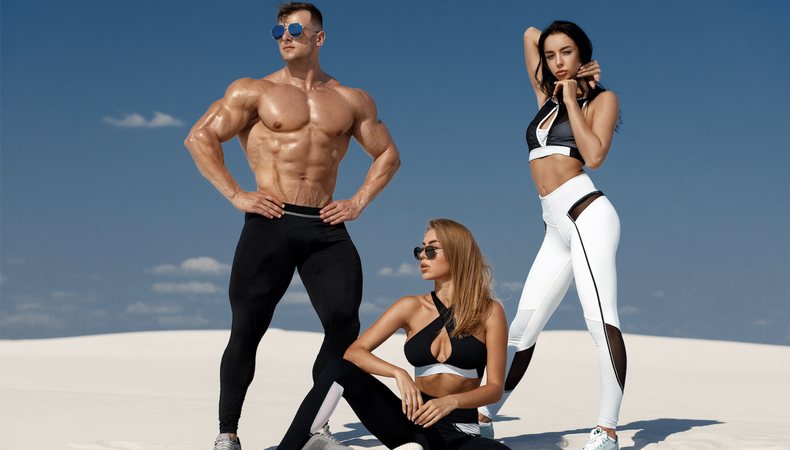
Image Source: d26oc3sg82pgk3.cloudfront.net
Embarking on the Fitness Modeling Path
The world of fitness modeling is dynamic and exciting. It’s a career that blends athletic achievement with visual appeal. Many people dream of gracing the covers of fitness magazines or appearing in advertisements for workout gear and supplements. If you have a passion for fitness and a desire to be in front of the camera, this guide will illuminate your path. We’ll cover everything from the fundamental fitness model requirements to the practical steps for how to get into fitness modeling.
Deciphering Fitness Model Requirements
To break into fitness modeling, certain physical and personal attributes are generally expected. While the industry is becoming more diverse, understanding these baseline fitness model requirements is crucial for aspiring fitness models.
Physique and Conditioning
- Lean Body Mass: A key aspect is having a well-defined, lean physique. This doesn’t always mean extreme leanness like in bodybuilding, but rather a healthy, athletic build that showcases muscle tone and definition.
- Symmetry and Proportion: Good body symmetry and balanced proportions are often sought after. This means that your upper and lower body are balanced, and your limbs are in proportion to your torso.
- Low Body Fat Percentage: While not always extremely low, a body fat percentage that highlights muscle definition is usually preferred. This varies depending on the specific niche within fitness modeling.
- Healthy Appearance: Beyond the physique, a healthy glow, clear skin, and bright eyes contribute significantly to a model’s overall appeal.
Personal Attributes
- Discipline and Dedication: The fitness modeling lifestyle requires immense discipline in training, diet, and sleep.
- Professionalism: Being punctual, reliable, and easy to work with is vital for building a successful career.
- Positive Attitude: A good attitude makes you enjoyable to work with and helps you navigate the competitive nature of the industry.
- Communication Skills: Being able to communicate effectively with photographers, clients, and agencies is important.
- Adaptability: Being able to adapt to different looks, styles, and client needs is a significant advantage.
Your Blueprint for How to Start Fitness Modeling
Getting started in fitness modeling requires a strategic approach. It’s about more than just hitting the gym; it’s about presenting yourself as a brand. Here’s how to begin:
1. Build Your Foundation: Fitness and Nutrition
- Consistent Training: Develop a well-rounded fitness model workout routine. This should include a mix of strength training, cardiovascular exercise, and flexibility work. Focus on exercises that build lean muscle and improve your overall physique.
- Strength Training: Compound movements like squats, deadlifts, bench presses, and overhead presses are excellent for building muscle. Isolation exercises can be used to target specific muscle groups for aesthetic definition.
- Cardiovascular Exercise: Include regular cardio sessions to manage body fat and improve endurance. HIIT (High-Intensity Interval Training) and steady-state cardio can both be beneficial.
- Flexibility and Mobility: Yoga, Pilates, or regular stretching routines are important for injury prevention, improving posture, and achieving graceful movement.
- Tailored Fitness Model Diet: Your fitness model diet is as crucial as your workouts. It needs to support muscle growth, aid in fat loss, and provide sustained energy.
- Balanced Macronutrients: Focus on lean protein sources (chicken, fish, tofu, beans), complex carbohydrates (oats, brown rice, sweet potatoes), and healthy fats (avocado, nuts, seeds, olive oil).
- Hydration: Drink plenty of water throughout the day.
- Portion Control: Be mindful of your portion sizes to manage calorie intake effectively.
- Consistency: Adhering to your diet consistently is key to seeing and maintaining results.
- Consult Professionals: Consider consulting a nutritionist or registered dietitian to create a personalized meal plan that aligns with your fitness goals.
- Prioritize Rest and Recovery: Adequate sleep is essential for muscle repair and growth. Aim for 7-9 hours of quality sleep per night. Active recovery methods like foam rolling and light stretching can also aid in this process.
2. Master Fitness Model Posing
Fitness model posing is an art form that showcases your physique and athleticism effectively. It’s about highlighting muscle definition, symmetry, and your overall presence.
- Practice in Front of a Mirror: Regularly practice different poses to see what looks best on your body. Pay attention to muscle engagement and how you hold your body.
- Study Other Models: Look at magazines, social media, and websites of successful fitness models. Analyze their poses, facial expressions, and how they interact with the camera.
- Key Poses to Master:
- Front Double Biceps: Showcases bicep development.
- Side Chest: Highlights chest and shoulder definition.
- Back Double Biceps: Displays back muscles and arm development.
- Side Triceps: Emphasizes triceps and overall arm shape.
- Abdominal and Thigh: Showcases abdominal muscles and quadriceps.
- Front Lat Spread: Displays the width of the back.
- Facial Expressions: Your facial expression should convey confidence, energy, and approachability. Practice a range of expressions from a strong, determined look to a friendly smile.
- Movement and Flow: Good posing isn’t static. Learn to transition smoothly between poses, creating a dynamic and engaging presentation.
3. Create Your Fitness Model Portfolio
Your fitness model portfolio is your visual resume. It’s the most important tool for showcasing your potential to clients and agencies.
- High-Quality Photography: Invest in professional photography. Photographers experienced in fitness modeling will know how to light your physique to best advantage and capture compelling shots.
- Variety of Looks: Include a range of photos:
- Athletic Shots: Action shots demonstrating your fitness.
- Studio Shots: Clean, well-lit photos that focus on your physique and posing.
- Lifestyle Shots: Images showing you in a more natural, everyday fitness context.
- Close-ups: Headshots that highlight your facial features and expressions.
- Showcase Your Versatility: Include different outfits – workout gear, swimwear, and perhaps some more casual attire to show you can adapt.
- Digital and Physical Copies: Have both digital versions of your portfolio (a website or online album) and a physical print portfolio ready.
- Keep it Current: Update your portfolio regularly as your physique and style evolve.
4. Build Your Online Presence
In today’s digital age, a strong online presence is crucial for aspiring fitness models.
- Social Media: Platforms like Instagram are vital.
- Consistent Posting: Share high-quality photos and videos of your workouts, meals, and lifestyle.
- Engage with Your Audience: Respond to comments and messages.
- Use Relevant Hashtags: #fitnessmodel #fitnessmotivation #gymlife #workout #healthylifestyle #fitfam etc.
- Network: Connect with other fitness professionals, photographers, and brands.
- Professional Website/Online Portfolio: A dedicated website or a professional online portfolio platform (like a dedicated page on your social media or a platform like Behance) is a great way to present your work in a structured manner.
Navigating Fitness Model Castings
Fitness model castings are where you can potentially land your first jobs. Preparation and presentation are key.
What to Expect at Fitness Model Castings
- The Environment: Castings can range from formal auditions at agencies to open calls at studios. They are often busy and competitive.
- What You’ll Do: You’ll typically be asked to:
- Fill out a form: Providing your contact details, measurements, and experience.
- Present Your Portfolio: You may be asked to show your printed portfolio or direct them to your online presence.
- Pose: You’ll be asked to demonstrate your posing skills. Sometimes, a photographer might take quick Polaroids or digital snapshots.
- Interview: You might have a brief chat with the casting director or client about your personality, experience, and availability.
- Measurements: They might take your body measurements.
How to Prepare for Fitness Model Castings
- Dress Appropriately: Wear form-fitting athletic wear that clearly shows your physique. Avoid baggy clothes or anything that hides your shape.
- Be On Time: Punctuality shows professionalism. Aim to arrive 10-15 minutes early.
- Bring Your Portfolio: Have your printed portfolio and a business card with your contact information and social media handles ready.
- Know Your Stats: Be prepared to state your height, weight, and key measurements.
- Be Confident: Project confidence in your abilities and your physique.
- Be Polite and Professional: Treat everyone you meet with respect, from the receptionist to the casting director.
- Ask Questions: If you’re unsure about anything, politely ask for clarification.
Finding Fitness Model Agencies
Working with reputable fitness model agencies can significantly boost your career by connecting you with clients and opportunities you might not find on your own.
How to Find and Approach Fitness Model Agencies
- Research Reputable Agencies: Look for agencies that specialize in fitness, commercial, or lifestyle modeling. Check their websites to see if they represent models with a similar look and physique to yours.
- Check Submission Guidelines: Most agencies have specific guidelines for how they accept new submissions. Follow these instructions meticulously. This often involves sending an email with a few high-quality photos, your stats, and a brief introduction.
- Attend Open Calls: Some agencies hold open calls where you can drop in and meet with scouts.
- Network: Attend industry events, fitness expos, and connect with photographers and other models. Word-of-mouth referrals can be valuable.
- Be Patient: It can take time to find the right agency. Don’t get discouraged if you don’t hear back immediately or if you receive rejections.
- What Agencies Look For:
- Marketable Physique: A look that fits current industry trends.
- Professionalism: A good attitude and understanding of the industry.
- Strong Portfolio: High-quality images that showcase your potential.
- Online Presence: An active and engaging social media profile.
Types of Fitness Modeling Work
The term “fitness model” encompasses a broad range of opportunities. Understanding these can help you tailor your approach.
- Magazine Features: Appearing in fitness publications, both print and online, showcasing workouts, diets, and healthy lifestyles.
- Advertising Campaigns: Featuring in commercials or print ads for sportswear, gym equipment, supplements, healthy food brands, and health-related services.
- Catalog Work: Modeling clothing and accessories for fitness brands’ catalogs.
- Online Content Creation: Collaborating with brands to create sponsored content for social media, blogs, and websites.
- Brand Ambassadorships: Representing a specific fitness brand over a longer period.
- Event Promotion: Appearing at fitness expos, product launches, or gym events to promote brands.
- Fitness DVDs and Online Courses: Appearing as an instructor or model in fitness video content.
Sustaining Your Fitness Modeling Career
Becoming a fitness model is just the first step. Maintaining a successful career requires continuous effort and adaptation.
- Stay Fit and Healthy: Your physique is your primary asset. Continue to adhere to your fitness model diet and fitness model workouts. Regularly assess your progress and adjust your training and nutrition as needed.
- Keep Your Portfolio Updated: As you gain experience and your physique evolves, update your portfolio with new, high-quality images.
- Network Continuously: Build and maintain relationships with photographers, clients, agencies, and other professionals in the industry.
- Be Professional and Reliable: Always strive to be on time, prepared, and easy to work with. Positive word-of-mouth is invaluable.
- Embrace New Opportunities: Be open to trying different types of fitness modeling work and expanding your skill set.
- Develop Your Personal Brand: Think about what makes you unique and how you can leverage that. This could be a specific training style, a particular diet philosophy, or a charismatic personality.
- Understand Contracts: Always read and understand any contracts before signing them. If necessary, seek legal advice.
Common Pitfalls for Aspiring Fitness Models
Even with the best intentions, aspiring fitness models can encounter challenges. Being aware of these can help you avoid them.
- Unrealistic Expectations: The fitness modeling industry can be competitive. It takes time, effort, and often a bit of luck to break in and build a consistent career.
- Ignoring the Business Side: Modeling is a business. You need to be proactive in marketing yourself, managing your finances, and understanding contracts.
- Poor Photography: Using amateur or low-quality photos for your portfolio is a common mistake that can hinder your progress.
- Inconsistent Training and Diet: You can’t “wing it” in fitness modeling. Consistency is paramount.
- Lack of Professionalism: Being late, unprepared, or difficult to work with can quickly damage your reputation.
- Not Specifying Goals: Not having a clear idea of the type of fitness modeling you want to do can lead to scattered efforts.
Frequently Asked Questions (FAQ)
Q1: Do I need to be a professional athlete to be a fitness model?
No, you do not need to be a professional athlete. While a high level of fitness is essential, the focus is on presenting a healthy, athletic physique that appeals to a broad audience. Your fitness model workouts and fitness model diet should reflect a commitment to health and fitness, but professional athletic achievements are not a requirement for most fitness modeling jobs.
Q2: How much do fitness models make?
Earnings for fitness models can vary significantly based on experience, the type of job, the client, and your location. Beginners might earn a few hundred dollars per day, while established models can command much higher rates, especially for major campaigns or brand ambassadorships. Your ability to secure work through fitness model agencies and your success at fitness model castings will play a big role in your income.
Q3: How important is my look or face for fitness modeling?
While physique is central to fitness modeling, your facial features and overall appearance are also important, especially for campaigns that require more than just showcasing a body. A friendly, approachable, or strong look can be a significant asset. Having a strong fitness model portfolio that includes good headshots can help showcase your facial appeal.
Q4: Can I be a fitness model if I have tattoos or piercings?
This depends on the specific job and client. Many brands are becoming more inclusive, and tattoos or piercings might even be considered an asset for certain campaigns. However, for more traditional fitness magazine features or campaigns that aim for a more “clean-cut” image, visible tattoos or piercings might be something to consider covering during shoots. It’s wise to have a portfolio that shows both with and without them, if possible, to demonstrate versatility.
Q5: How do I get noticed by fitness model agencies?
Getting noticed by fitness model agencies requires a professional approach. Build a strong fitness model portfolio with high-quality images, maintain an active and engaging online presence (especially on Instagram), and follow their submission guidelines precisely. Networking within the fitness and modeling industries can also help. Persistence and a polished presentation are key when approaching agencies.
Q6: What kind of diet is best for a fitness model?
The best fitness model diet is one that is balanced, supports muscle growth and definition, and promotes overall health. This typically involves lean protein, complex carbohydrates, healthy fats, and plenty of water. It’s often tailored to individual needs and goals, and many models consult with nutritionists to create a personalized plan. Consistency and avoiding extreme fad diets are crucial for long-term success.
Q7: How often should I update my fitness model portfolio?
It’s a good idea to update your fitness model portfolio at least every six months, or whenever your physique or look changes significantly. As you gain more experience and work with different photographers, you’ll want to incorporate your best new shots. Keeping your portfolio current ensures that clients and agencies see your most relevant and impressive work.
This guide provides a comprehensive overview of how to become a fitness model. With dedication to your fitness, a strategic approach to building your career, and a commitment to professionalism, you can turn your passion into a successful modeling journey.