
So, how much does a yoga teacher make per hour? Generally, a yoga instructor can expect to earn anywhere from $15 to $100+ per hour, depending on various factors like experience, location, and the type of teaching gig. This wide range highlights the diverse earning potential within the yoga teaching profession.
Many aspiring yoga instructors enter the field with a passion for wellness and a desire to share their practice with others. However, alongside this passion often comes a crucial question: what is the earning potential? The truth is, the yoga instructor salary can be as varied as the styles of yoga themselves. This comprehensive guide aims to shed light on the factors influencing yoga teaching income and provide a clear picture of what you can expect to earn per hour.
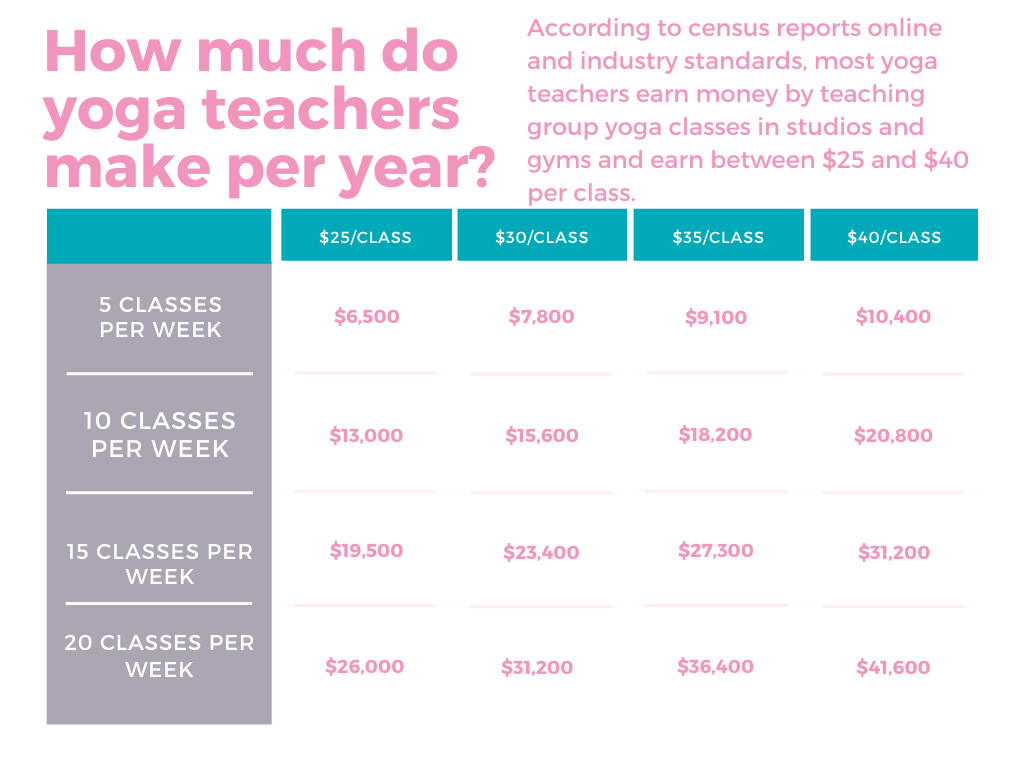
Image Source: www.brettlarkin.com
Factors Shaping Your Yoga Teaching Income
Several key elements play a significant role in determining how much a yoga teacher makes per hour. It’s not a one-size-fits-all situation. Let’s break down these influential aspects.
Experience and Skill Level
Your tenure in the yoga world directly impacts your earning potential. A newly certified instructor will typically command a lower rate than a seasoned professional with years of teaching experience and specialized training.
- Beginner Instructors: Those fresh out of teacher training might start at the lower end of the spectrum, perhaps $15-$30 per class. They are still building their clientele and refining their teaching style.
- Intermediate Instructors: With a few years of experience, a solid understanding of anatomy, and a growing reputation, instructors can often charge $30-$60 per class.
- Experienced and Specialized Instructors: Highly experienced teachers, those with advanced certifications (e.g., E-RYT 500, YACEP), or those specializing in niche areas like prenatal yoga, therapeutic yoga, or advanced alignment, can command higher rates, often $50-$100+ per class. Their expertise is a valuable commodity.
Location, Location, Location
The geographic area where you teach has a substantial impact on yoga class rates. Cost of living and the demand for yoga services vary significantly from city to city and region to region.
- Major Metropolitan Areas: Cities like New York, Los Angeles, San Francisco, or London generally have higher yoga studio compensation packages and yoga class pricing. This is often due to a higher cost of living and a more saturated market where studios can charge premium rates.
- Smaller Towns and Rural Areas: In less populated areas, yoga class revenue might be lower, leading to potentially lower yoga lesson costs and, consequently, lower instructor pay. However, there might also be less competition, allowing instructors to build a strong local following.
Type of Teaching Venue
Where you choose to teach also dictates your earnings. Different venues have different financial models and client bases.
Yoga Studios
Teaching at a dedicated yoga studio is a common path for many instructors.
- Studio Compensation Models: Studios often operate on a per-class payment structure. This can range from a flat fee per class to a percentage of the class revenue. Some studios might offer a base hourly rate, especially for longer-term commitments or workshops.
- Average Yoga Studio Compensation: A typical per-class rate at a studio might fall between $20 and $50. However, this can be higher in affluent areas or for studios with a strong brand and loyal student base. Some studios might offer profit-sharing or commission-based models on top of a base rate.
- Factors Within Studios: The specific studio’s pricing strategy, its overhead costs, and the number of students attending a class will influence the yoga class revenue and, subsequently, what they can pay their instructors.
Fitness Centers and Gyms
Many gyms offer yoga classes as part of their membership.
- Lower Rates: Generally, instructors teaching at gyms might earn less per class compared to dedicated yoga studios. This is often because yoga is an add-on service, and the gym’s primary revenue comes from memberships.
- Hourly vs. Per Class: Payment can be structured hourly or per class, with rates typically ranging from $15 to $35 per class or hour.
Corporate Wellness Programs
Teaching yoga to employees as part of a company’s wellness initiative can be a lucrative opportunity.
- Higher Hourly Rates: Corporate clients often have larger budgets and may pay higher hourly rates, reflecting the professionalism and value brought to their employees. Rates here can range from $50 to $150+ per hour, especially for specialized workshops.
- Package Deals: Companies might opt for packages or ongoing contracts, providing a more stable income stream.
Private Yoga Sessions
One-on-one or small group private sessions offer the highest earning potential per contact hour.
- Premium Pricing: Freelance yoga teacher earnings from private sessions are typically higher because the instructor is offering personalized attention and customized sequences.
- Yoga Lesson Costs: Private sessions can range from $50 to $150+ per session, depending on the instructor’s expertise, location, and the duration of the session. These sessions allow for direct control over yoga class pricing.
Online Teaching
The rise of online platforms has opened new avenues for yoga teachers.
- Varied Income Streams: This can include teaching live classes via Zoom, pre-recorded video courses, or subscription-based content.
- Platform Fees and Competition: Earnings can vary widely depending on the platform used, the marketing efforts of the instructor, and the competition. Some platforms take a percentage of the revenue, while others offer fixed rates. Yoga class revenue in this sector is highly dependent on marketing and audience building.
Number of Classes Taught
Your overall yoga teaching income is also determined by the sheer volume of classes you teach.
- Full-Time vs. Part-Time: Many yoga teachers start part-time, supplementing their income from other jobs. As their client base grows and they secure more teaching opportunities, some transition to full-time.
- Calculating Annual Income: To estimate an annual yoga instructor salary, multiply your average hourly rate by the number of hours you teach per week and then by the number of weeks you work in a year. However, remember to factor in unpaid time for planning, marketing, and travel.
Additional Revenue Streams
To maximize freelance yoga teacher earnings, many instructors diversify their income.
- Workshops and Retreats: These offer a higher earning potential per event and can significantly boost yoga teaching income.
- Retail Sales: Selling yoga-related merchandise, such as mats, apparel, or even your own branded products, can add to your income.
- Teacher Training: Once experienced, some instructors become teacher trainers themselves, which can be a substantial source of income.
- Massage Therapy, Reiki, or Other Wellness Services: Many yoga teachers also have complementary skills that they can offer, further diversifying their yoga teaching income.
Deciphering Yoga Class Pricing and Revenue
Understanding how yoga class pricing is set by studios and how that translates into yoga studio compensation is crucial for instructors.
Studio Pricing Strategies
Yoga studios typically consider several factors when setting their prices:
- Operating Costs: Rent, utilities, insurance, marketing, staff salaries, and the cost of maintaining a welcoming space all contribute to overhead.
- Target Market: The perceived value and affordability for the local community influence pricing.
- Competitor Pricing: Studios research what other yoga establishments in the area are charging.
- Instructor Fees: The cost of hiring qualified instructors is a significant component of the overall budget.
How Yoga Class Revenue Flows
A typical yoga class at a studio might have the following pricing structure:
- Drop-in Rate: The highest price for a single class, often between $18-$30.
- Class Packages: Bundles of classes (e.g., 5, 10, 20 classes) offer a lower per-class rate, encouraging commitment.
- Monthly Unlimited Memberships: The most cost-effective option per class for regular attendees, providing studios with predictable recurring revenue.
The yoga class revenue generated from these sales is then used to cover the studio’s expenses and pay its instructors.
Comparing Yoga Teaching Models: Per Class vs. Hourly
The way instructors are paid can differ significantly.
Per Class Rates
This is the most common payment method in yoga studios.
- Pros: Provides a clear earning per session.
- Cons: Income can fluctuate based on class attendance. If a class has low attendance, the yoga instructor hourly wage effectively decreases.
Hourly Rates
Less common for regular studio classes but more prevalent for private sessions, workshops, or corporate gigs.
- Pros: Guarantees a specific income for the time spent teaching, regardless of attendance (especially for private sessions).
- Cons: Might not always reflect the actual yoga class revenue generated if attendance is very high in a studio setting.
Percentage of Revenue
Some studios might offer a percentage of the yoga class revenue generated from each class.
- Pros: Directly ties instructor pay to the success of their class in terms of student numbers.
- Cons: Can be unpredictable and depends heavily on studio marketing and student turnout.
Maximizing Your Yoga Teaching Income
To boost your yoga teaching income and achieve a comfortable yoga instructor salary, consider these strategies.
Specialize and Diversify
- Niche Offerings: Develop expertise in a specific style (e.g., Ashtanga, Yin, Vinyasa) or a specialized area (e.g., yoga for athletes, trauma-informed yoga). This allows you to command higher rates.
- Multiple Income Streams: Don’t rely solely on studio classes. Explore private sessions, workshops, online courses, and retreats.
Build Your Brand and Client Base
- Marketing: Utilize social media, create a professional website, and network within your local wellness community.
- Excellent Teaching: Consistently provide high-quality, engaging, and safe instruction. Word-of-mouth referrals are incredibly powerful.
- Student Relationships: Foster strong connections with your students. This leads to loyalty and consistent attendance.
Professional Development
- Advanced Certifications: Pursue further training and certifications to enhance your skills and credibility. This can justify higher yoga lesson costs.
- Business Skills: Learn about marketing, pricing, and financial management to effectively run your yoga teaching business.
Negotiate and Be Assertive
- Know Your Worth: Research average rates in your area and for your level of experience.
- Discuss Compensation: Don’t be afraid to discuss pay rates with studio managers or clients. When seeking yoga studio compensation, be prepared to highlight your experience and unique offerings.
Average Yoga Teacher Pay: A Snapshot
While it’s hard to give a single definitive number for the average yoga teacher pay, we can provide some general estimates based on common scenarios. These are highly generalized and can vary greatly.
| Teaching Scenario | Estimated Hourly Rate (USD) | Notes |
|---|---|---|
| Studio Class (Beginner) | $15 – $30 | Lower end; often for new instructors or studios with lower overhead. |
| Studio Class (Experienced) | $30 – $50 | More common for established instructors in mid-range studios. |
| Studio Class (Specialized) | $40 – $70+ | For instructors with advanced certifications or niche expertise. |
| Gym/Fitness Center Class | $15 – $35 | Generally lower than dedicated yoga studios. |
| Private Session (Standard) | $50 – $90 | Personalized instruction, higher perceived value. |
| Private Session (Advanced) | $90 – $150+ | For highly sought-after instructors or specialized therapeutic sessions. |
| Corporate Session (Hourly) | $75 – $150+ | Companies often pay a premium for employee wellness programs. |
| Online Live Class | $10 – $50+ | Varies greatly by platform, audience size, and subscription model. |
| Workshop (Per Hour) | $50 – $200+ | Depends on topic, duration, and instructor’s reputation. |
Please remember these are estimates. Actual earnings can be higher or lower.
Fathoming the Freelance Yoga Teacher Earnings Landscape
For freelance yoga teacher earnings, the ability to attract and retain clients is paramount. This involves not just teaching skills but also excellent customer service, consistent scheduling, and effective marketing.
- Client Acquisition: Building a private client base takes time and effort. Networking, offering introductory discounts, and creating a strong online presence are key.
- Client Retention: Providing consistently excellent service and tailoring sessions to individual needs will encourage clients to return.
- Time Investment: Remember that freelance yoga teacher earnings calculations should also account for non-billable hours spent on administration, marketing, client communication, and professional development.
Frequently Asked Questions (FAQ)
Q1: Can I make a full-time living as a yoga teacher?
Yes, it is possible to make a full-time living as a yoga teacher, but it often requires a combination of teaching at multiple studios, offering private sessions, running workshops, and developing additional income streams like online classes or retreats. It also typically requires several years of experience and building a strong reputation.
Q2: How much does a yoga teacher make per class in a major city?
In major cities, a yoga teacher might make anywhere from $25 to $70+ per class at a studio. Private sessions and specialized workshops can command significantly higher rates.
Q3: What’s the difference between a yoga instructor salary and yoga class rates?
Yoga class rates refer to the price a student pays for a single class. A yoga instructor salary or yoga teaching income is what the teacher earns from teaching those classes, which is usually a portion of the yoga class revenue.
Q4: How can I increase my yoga teaching income?
Increase your income by gaining more experience, obtaining advanced certifications, specializing in niche areas, teaching at higher-paying venues (like corporate settings or private clients), running workshops, and diversifying your income streams.
Q5: Is there a standard yoga instructor hourly wage?
There isn’t one single standard yoga instructor hourly wage because it varies so much by location, experience, and the type of venue. However, as a general guideline, many studio classes might pay an equivalent of $20-$50 per hour for the teaching time itself, while private sessions can range from $50-$150+ per hour.
By thoroughly exploring these aspects, aspiring and current yoga instructors can better navigate the financial landscape of their profession and build a sustainable and fulfilling career.