Can you become a fitness model? Yes, absolutely! Becoming a fitness model involves a unique blend of dedication to physical fitness, strong posing skills, and a strategic approach to building your brand. It’s a journey that requires consistent effort in training, nutrition, and professional presentation.
What is a fitness model? A fitness model is someone who showcases athletic physiques and healthy lifestyles, often through photography, video, and live events. They are the visual representation of health, strength, and discipline in the fitness industry.
This guide provides your ultimate blueprint for embarking on this exciting career path. From sculpting your physique to navigating the industry, we’ll cover every essential step.
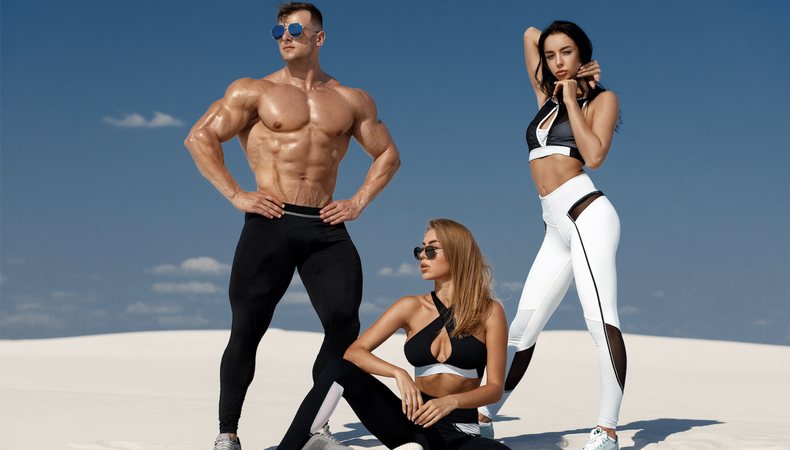
Image Source: d26oc3sg82pgk3.cloudfront.net
The Foundation: Building Your Physique
The cornerstone of fitness modeling is a well-developed, aesthetically pleasing physique. This isn’t just about being thin; it’s about showcasing muscle definition, symmetry, and proportion that appeal to brands and clients in the health and wellness space.
Fitness Model Workout Plan: The Essentials
Your training regimen needs to be comprehensive and tailored to your body’s specific needs and goals. It’s not just about lifting weights; it’s about smart, targeted training.
Strength Training for Definition
- Compound Movements: Focus on exercises that work multiple muscle groups simultaneously. These include squats, deadlifts, bench presses, overhead presses, and rows. They build overall strength and muscle mass efficiently.
- Isolation Exercises: Once you have a solid foundation, incorporate isolation exercises to target specific muscle groups for refinement and symmetry. Examples include bicep curls, triceps extensions, lateral raises, and calf raises.
- Progressive Overload: To continue seeing results, you must gradually increase the demands on your muscles. This can be done by lifting heavier weights, increasing repetitions, or reducing rest times.
- Rep Ranges: For muscle hypertrophy (growth), aim for 8-12 repetitions per set. For strength, lower rep ranges (3-6) with heavier weights are effective. For endurance, higher rep ranges (15+) can be beneficial.
- Frequency: Train each major muscle group 1-2 times per week, allowing adequate rest for muscle recovery and growth.
Cardiovascular Training for Conditioning and Aesthetics
- HIIT (High-Intensity Interval Training): Short bursts of intense exercise followed by brief recovery periods are excellent for burning fat and improving cardiovascular health without excessive muscle loss.
- LISS (Low-Intensity Steady State): Activities like brisk walking, cycling, or jogging at a moderate pace for longer durations can also be beneficial for fat loss and overall conditioning.
- Balance: Integrate both HIIT and LISS into your routine to maximize fat loss while preserving lean muscle mass. The exact balance will depend on your individual goals and response.
Flexibility and Mobility
- Dynamic Stretching: Perform before workouts to prepare your muscles for exercise. This includes movements like arm circles, leg swings, and torso twists.
- Static Stretching: Hold stretches after workouts to improve flexibility and reduce muscle soreness. Focus on major muscle groups.
- Foam Rolling: Helps release muscle tension and improve recovery.
Physique Preparation: The Art of Sculpting
Physique preparation is a continuous process, but it becomes particularly focused as you approach specific goals, such as a fitness model competition. This involves fine-tuning your diet and training to reveal your best physical form.
- Body Fat Percentage: Fitness models typically aim for a lower body fat percentage to showcase muscle definition. This varies between male and female models, but generally falls between 8-15% for men and 12-20% for women.
- Muscle Symmetry: Pay attention to balanced development across all muscle groups. Identify and address any lagging areas through targeted training.
- Proportion: The overall shape and proportion of your physique are crucial. This includes shoulder-to-waist ratio, leg development, and overall balance.
Nutrition: Fueling Your Performance and Physique
Diet is arguably as important as training when it comes to achieving and maintaining a fitness model physique. The diet for fitness models is about precision, consistency, and providing the body with the nutrients it needs to build muscle, burn fat, and recover effectively.
Macronutrient Breakdown
- Protein: Essential for muscle repair and growth. Aim for 1-1.5 grams of protein per pound of body weight. Good sources include lean meats, poultry, fish, eggs, dairy, legumes, and protein supplements.
- Carbohydrates: Provide energy for workouts. Focus on complex carbohydrates like oats, brown rice, quinoa, sweet potatoes, and vegetables. Timing carbohydrate intake around your workouts can be beneficial.
- Fats: Crucial for hormone production and overall health. Include healthy fats from sources like avocados, nuts, seeds, and olive oil.
Micronutrients and Hydration
- Vitamins and Minerals: Ensure a diet rich in fruits and vegetables to obtain essential vitamins and minerals for optimal bodily function and recovery.
- Hydration: Drink plenty of water throughout the day. Water is vital for metabolism, nutrient transport, and temperature regulation.
Meal Timing and Frequency
- Consistent Meals: Eating 4-6 balanced meals throughout the day can help manage hunger, maintain stable energy levels, and support muscle protein synthesis.
- Pre- and Post-Workout Nutrition: Consuming a combination of protein and carbohydrates before and after training can enhance performance and recovery.
Sample Diet Structure
| Meal | Protein Source | Carbohydrate Source | Healthy Fat Source |
|---|---|---|---|
| Breakfast | Scrambled Eggs/Tofu | Oatmeal, Berries | Avocado, Nuts |
| Mid-Morning | Greek Yogurt | Apple | Almonds |
| Lunch | Grilled Chicken/Fish | Quinoa, Mixed Vegetables | Olive Oil Dressing |
| Pre-Workout | Banana | Rice Cakes | – |
| Post-Workout | Whey Protein Shake | Sweet Potato | – |
| Dinner | Lean Beef/Lentils | Brown Rice, Broccoli | Sesame Seeds |
Note: This is a sample structure. Individual needs will vary based on activity level, metabolism, and specific goals. Consulting with a registered dietitian or nutritionist is highly recommended.
Mastering the Art of Posing and Presentation
A great physique is only part of the equation. Knowing how to showcase it effectively through posing is critical for posing for fitness photos and on stage during a fitness model competition.
Key Posing Principles
- Symmetry and Balance: Poses should highlight the natural symmetry of your body. Avoid awkward angles that create imbalances.
- Muscle Engagement: Learn to flex and contract specific muscle groups to make them pop. This requires practice and a good mind-muscle connection.
- Body Awareness: Develop a deep awareness of your body’s lines, curves, and angles. Understand how different poses affect your appearance.
- Facial Expression: Convey confidence, charisma, and personality. Your expression is just as important as your physique.
Posing for Photoshoots
- Understanding the Camera: Different camera angles and lighting can dramatically alter how your physique is perceived. Work with photographers who understand fitness photography.
- Versatility: Be comfortable with a range of poses, from standing quarter turns and front poses to seated and dynamic movements.
- Prop Integration: Some shoots may involve props like weights, resistance bands, or gym equipment. Learn to integrate these smoothly into your poses.
Posing for Competition (Front Poses, Back Poses, and Transitions)
- Front Poses: Such as front double biceps, front lat spread, and abdominal and thigh pose. These showcase the anterior view of your musculature.
- Back Poses: Including back double biceps, back lat spread, and hamstring poses. These highlight your posterior development.
- Side Poses: Such as side chest and side triceps, emphasizing your profile and depth.
- Transitions: The smooth and confident movement between poses is crucial for competition. Practice these until they are second nature.
Building Your Professional Presence
To succeed in fitness modeling, you need to build a strong professional presence that attracts clients and opportunities. This involves creating a compelling building a fitness portfolio and understanding how to connect with the industry.
Creating a Fitness Portfolio
Your portfolio is your visual resume. It needs to showcase your best physique, posing skills, and versatility.
What to Include:
- High-Quality Photography: Professional photos are non-negotiable. Include a mix of full-body shots, close-ups, and lifestyle images.
- Variety of Poses: Showcase different muscle groups and your ability to hold various poses.
- Different Looks: If possible, include shots with different outfits (e.g., swimwear, athletic wear, casual) and varying lighting and backgrounds.
- Professional Resume/Bio: A brief summary of your fitness experience, achievements, and skills.
Professional Photography Tips:
- Find Experienced Photographers: Look for photographers who specialize in fitness or bodybuilding. They will know how to light and shoot to accentuate your physique.
- Wardrobe and Styling: Choose flattering outfits that enhance your features. Keep styling clean and professional.
- Location Variety: Use gym settings, outdoor locations, or studio backdrops to create a diverse portfolio.
The Importance of Social Media
In today’s digital age, social media is a powerful tool for becoming a fitness influencer and a fitness model.
- Platform Choice: Instagram, TikTok, and YouTube are popular platforms for fitness professionals.
- Content Strategy: Share high-quality photos and videos of your training, nutrition, and lifestyle. Offer valuable tips and insights.
- Engagement: Interact with your followers, respond to comments, and engage with other fitness professionals.
- Consistency: Post regularly to keep your audience engaged and your profile visible.
Navigating the Fitness Modeling Industry
The fitness modeling industry has its own nuances. Knowing how to approach fitness model casting and working with fitness modeling agencies is key to progressing in your career.
Fitness Model Casting Calls
- Preparation is Key: Arrive on time, dressed professionally (often in athletic wear), and bring copies of your portfolio and resume.
- Showcase Your Personality: Casting directors want to see not just a great physique but also a confident and engaging personality.
- Follow Instructions: Be ready to perform specific poses or movements requested by the casting team.
Working with Fitness Modeling Agencies
- Research Agencies: Identify agencies that specialize in fitness and sports modeling.
- Submission Process: Follow their submission guidelines precisely. This often involves submitting your portfolio and a brief introduction.
- Professionalism: Treat agency representatives with respect. Respond promptly to communications and be reliable.
- Contracts: Carefully review any contracts offered. If necessary, consult with a legal professional.
Competing in Fitness Model Competitions
Participating in a fitness model competition can be a fantastic way to gain experience, get noticed, and build your brand.
Training for Fitness Competitions
- Specific Periodization: Your training and diet will become more focused in the weeks leading up to a competition. This is often referred to as a “peak week.”
- Tapering and Water Manipulation: Experienced coaches may guide you through strategies to reduce water retention and carbohydrate loading to achieve a dry, hard look on stage.
- Practice Posing Routines: Develop a short, impactful posing routine that showcases your physique and personality.
Competition Day
- Tan and Glamour: Professional tanning services are common to enhance muscle definition under stage lights.
- Confidence: Walk on stage with confidence, execute your poses flawlessly, and smile.
Becoming a Fitness Influencer: Expanding Your Reach
As a fitness model, you have a unique opportunity to leverage your presence and knowledge to become a becoming a fitness influencer. This can open doors to sponsorships, brand partnerships, and a broader audience.
Building Your Brand as an Influencer
- Authenticity: Be genuine in your content and interactions. Your audience will connect with your real personality.
- Value Proposition: What unique value do you offer your followers? Is it training advice, recipe ideas, motivational content, or something else?
- Consistency and Quality: Maintain a consistent posting schedule and ensure your content is visually appealing and informative.
- Monetization: Explore opportunities for sponsored posts, affiliate marketing, selling your own digital products (e.g., workout plans), or coaching services.
Frequently Asked Questions (FAQs)
Q1: How much do fitness models earn?
A: Earnings can vary widely. Entry-level models might earn a few hundred dollars per shoot, while established models with strong social media followings can command thousands for campaigns, endorsements, and appearances.
Q2: Do I need to be a professional athlete to be a fitness model?
A: Not necessarily. While athletic ability is valued, the primary focus is on presenting a fit and healthy physique. Many fitness models are dedicated athletes, but the modeling aspect is about visual appeal and presentation.
Q3: How long does it take to get into modeling shape?
A: This is highly individual. It depends on your starting point, genetics, training consistency, and diet adherence. For significant physique changes, it can take months to years of dedicated effort.
Q4: What are the most important qualities for a fitness model?
A: Key qualities include a well-developed physique, strong posing skills, professionalism, reliability, good communication, and a positive attitude. A strong social media presence is also increasingly important.
Q5: Should I hire a coach for training and nutrition?
A: While not mandatory, hiring experienced coaches can significantly accelerate your progress and ensure you are training and eating safely and effectively. They can provide personalized plans and guidance.
Q6: How do I get noticed by fitness modeling agencies?
A: Build a strong portfolio and a consistent social media presence. Attend industry events, network with photographers and other professionals, and research agencies that represent talent like yours. Many agencies also accept online submissions.
Q7: What’s the difference between a fitness model and a bodybuilder?
A: While both focus on physique, bodybuilders aim for maximum muscle mass and symmetry to compete in bodybuilding shows, which have different judging criteria than fitness modeling. Fitness models typically have a more aesthetic, athletic, and lean physique that is accessible and aspirational for a broader audience.
Embarking on a career as a fitness model is a challenging but rewarding path. By focusing on consistent training, smart nutrition, mastering your presentation, and strategically building your professional presence, you can pave your way to success in this dynamic industry.