
How much does a fitness trainer make? The average fitness trainer salary in the United States can vary significantly, but generally falls within the range of $30,000 to $70,000 annually, with many earning more based on experience, specialization, location, and employment setting.
The world of fitness is booming, and with it, the demand for skilled professionals who can guide individuals toward healthier lifestyles. Becoming a fitness trainer is a rewarding career for those passionate about health, wellness, and helping others achieve their goals. But beyond the satisfaction of making a difference, what does this career path look like financially? This in-depth guide will explore the various factors influencing a fitness trainer’s income and provide a clear picture of what you can expect to earn.
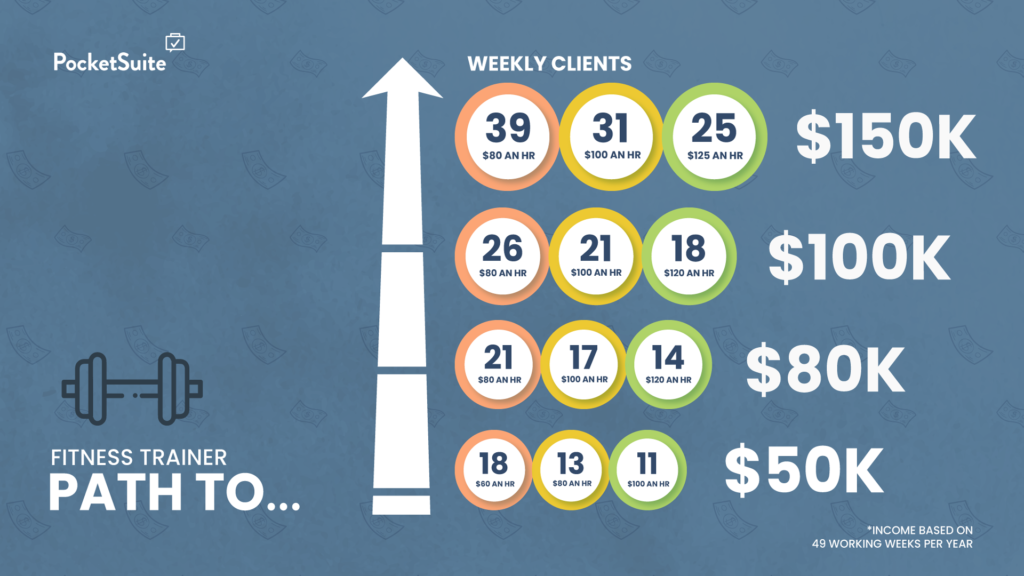
Image Source: pocketsuite.io
Deciphering the Factors Affecting Fitness Trainer Earnings
Several key elements contribute to the overall compensation of a fitness trainer. It’s not a one-size-fits-all scenario. Let’s break down what influences how much a fitness trainer makes.
Experience Level: The Foundation of Earning Potential
Like many professions, experience plays a crucial role in a fitness trainer’s salary.
- Entry-Level Trainers: Fresh out of certification programs, these trainers often start with lower hourly rates or base salaries. They are building their client base and refining their skills. Their initial focus is on gaining practical experience.
- Mid-Level Trainers: With a few years under their belt, trainers with established clientele and a proven track record can command higher rates. They may also start to specialize in certain areas, increasing their value.
- Senior/Master Trainers: Highly experienced trainers, often with advanced certifications, specializations (like corrective exercise, sports performance, or senior fitness), and a strong reputation, can earn significantly more. They may also transition into management, education, or open their own facilities.
Certifications and Education: Boosting Your Value
While not always mandatory, certifications and continued education are vital for a fitness trainer’s credibility and earning potential.
- Basic Certifications: Reputable organizations like the National Academy of Sports Medicine (NASM), American Council on Exercise (ACE), National Strength and Conditioning Association (NSCA), and the American College of Sports Medicine (ACSM) offer widely recognized certifications. Holding one or more of these is often a prerequisite for employment and directly impacts a personal trainer salary.
- Specialty Certifications: Beyond general fitness, specializations in areas like pre/postnatal fitness, therapeutic exercise, Pilates, yoga, or specific sports conditioning can open doors to higher-paying opportunities and attract niche clientele.
- Higher Education: While not always required, degrees in kinesiology, exercise science, or related fields can provide a deeper scientific understanding and enhance a trainer’s qualifications, potentially leading to better fitness professional compensation.
Employment Setting: Where You Work Matters
The environment in which a fitness trainer operates significantly impacts their earnings.
- Gyms and Fitness Centers (Chain): These often offer a steady stream of potential clients, but typically pay a lower hourly rate or a commission-based structure. The gym instructor earnings here can be consistent but may have a cap.
- Boutique Fitness Studios: Specialized studios (e.g., CrossFit, yoga, cycling) often cater to a more affluent clientele and may offer higher pay, especially for trainers with expertise in the studio’s specific discipline.
- Private Training Studios: These are often owned by trainers themselves or are smaller, more exclusive establishments. They allow for higher pricing and potentially greater profit margins.
- Corporate Wellness Programs: Companies may hire fitness trainers to work with their employees, offering a stable salary and benefits.
- Hospitals and Rehabilitation Centers: Trainers with specialized knowledge in medical fitness or rehabilitation can earn well in these settings, often requiring additional certifications.
Location: Geographic Differences in Pay
Salaries for fitness trainers can vary substantially based on the cost of living and demand in different geographic regions.
- Major Metropolitan Areas: Cities with a higher cost of living and a larger population base, such as New York City, Los Angeles, or San Francisco, often offer higher salaries for fitness trainers due to increased demand and a greater ability for clients to afford premium services.
- Smaller Towns and Rural Areas: In less populated areas, the demand for fitness trainers might be lower, and clients may have less disposable income, leading to potentially lower earning potential.
Client Load and Session Pricing: The Direct Revenue Stream
The number of clients a trainer sees and the price they charge per session are direct drivers of their fitness coach income.
- Hourly Rate Fitness Trainer: Many trainers, especially freelancers, charge an hourly rate. This rate can range from $40 to $100+ per hour, depending on the factors mentioned above.
- Session Packages: Offering packages (e.g., 10 sessions for a discounted price) can incentivize clients and provide more predictable income for the trainer.
- Client Retention: Building strong relationships and delivering consistent results leads to higher client retention, ensuring a more stable income stream.
Exploring Different Income Models for Fitness Trainers
Fitness trainers utilize various models to earn their living. Each has its own pros and cons regarding income stability and growth potential.
Employee vs. Independent Contractor: A Crucial Distinction
Understanding the difference between being an employee and an independent contractor is fundamental to comprehending fitness trainer salary structures.
As an Employee:
When you are employed by a gym or fitness facility, you typically receive a set wage or salary, sometimes supplemented by commission on sales (like training packages or retail products).
Pros:
* Stable Income: Predictable paychecks provide financial security.
* Benefits: Often includes health insurance, paid time off, and retirement plans.
* Client Acquisition Support: The employer usually handles marketing and client acquisition, providing a steady flow of potential clients.
* Fewer Administrative Tasks: The employer manages billing, scheduling, and facility maintenance.
Cons:
* Lower Earning Potential: A significant portion of the client’s payment goes to the facility, reducing the trainer’s cut.
* Less Control: Limited autonomy over scheduling, pricing, and training methodologies.
* Performance Pressure: Often tied to sales targets and client retention metrics.
As an Independent Contractor/Freelancer:
Many fitness trainers choose to work for themselves, either in their own studio, at clients’ homes, or through online platforms. This significantly impacts the freelance trainer salary and self-employed trainer income.
Pros:
* Higher Earning Potential: You set your own rates and keep a larger percentage of the revenue.
* Full Control: Complete autonomy over your schedule, pricing, training style, and client selection.
* Brand Building: Opportunity to build your own personal brand and reputation.
* Flexibility: Ability to create a work-life balance that suits your needs.
Cons:
* Income Volatility: Income can fluctuate significantly based on client bookings and seasonality.
* All Expenses Responsibility: You are responsible for all business expenses, including marketing, insurance, certifications, and potentially rent for a studio.
* Administrative Burden: You must manage all aspects of your business, including client acquisition, billing, scheduling, and taxes.
* No Employee Benefits: You are responsible for your own health insurance, retirement savings, and paid time off.
The Rise of Online Fitness Coaching: A New Frontier
The digital age has opened up new avenues for fitness coach income. Online fitness coaching allows trainers to reach a global audience without geographical limitations.
- Virtual Training Sessions: Conducting one-on-one or group training sessions via video conferencing.
- Online Programs and Challenges: Creating pre-recorded workout plans, nutrition guides, or group challenges for a recurring subscription fee.
- Personalized Online Coaching: Offering customized workout and nutrition plans with ongoing support and feedback through digital platforms.
This model can be highly scalable and offers significant potential for self-employed trainer income, often allowing for a higher workout coach salary due to lower overhead.
Average Trainer Pay: What the Numbers Say
Let’s look at some general figures to give you a clearer idea of average trainer pay. Please remember these are averages and can vary greatly.
| Employment Type | Average Annual Salary (USD) | Average Hourly Rate (USD) |
|---|---|---|
| Gym Employee | $35,000 – $55,000 | $20 – $40 |
| Boutique Studio | $40,000 – $65,000 | $25 – $50 |
| Freelance/Self-Employed | $50,000 – $80,000+ | $50 – $100+ |
| Online Coach | $45,000 – $75,000+ | Varies by package/program |
Note: These figures are estimates and can fluctuate based on the factors discussed.
The certified personal trainer pay can often be higher than for trainers without certifications, reflecting the added value and expertise they bring.
Building a Successful Career and Maximizing Your Income
For aspiring and established fitness trainers, focusing on professional development and strategic business practices is key to increasing your earning potential.
Strategies for Increasing Your Fitness Coach Income:
- Specialize: Develop expertise in a niche area (e.g., weight loss, senior fitness, athletic performance, pre/postnatal). This allows you to command higher rates and attract dedicated clients.
- Obtain Advanced Certifications: Invest in continuing education and specialized certifications to broaden your skill set and credibility.
- Build a Strong Online Presence: Utilize social media, a professional website, and online platforms to market your services, share your expertise, and attract clients globally.
- Develop a Referral Program: Encourage satisfied clients to refer friends and family. Word-of-mouth marketing is incredibly powerful in the fitness industry.
- Offer Package Deals and Memberships: Create attractive package options that incentivize clients to commit to longer-term training, ensuring more predictable self-employed trainer income.
- Master Sales and Marketing: Learn how to effectively communicate your value proposition and close deals for training packages.
- Network: Connect with other fitness professionals, health practitioners, and potential referral sources in your community.
- Provide Exceptional Client Experience: Focus on delivering personalized, effective training and creating a positive, supportive environment. Happy clients are loyal clients and often become advocates.
The Freelance Trainer Salary Advantage
For many, the allure of a higher freelance trainer salary is strong. To maximize this, a freelance trainer must be proactive:
- Consistent Client Acquisition: Actively market your services through social media, local partnerships, and online directories.
- Effective Pricing Strategy: Research your local market and competitors to set competitive yet profitable rates.
- Excellent Client Retention: Focus on delivering results and building strong relationships to keep clients coming back.
- Diversify Services: Offer a mix of one-on-one training, small group sessions, online coaching, and potentially fitness workshops.
Workout Coach Salary Growth Through Specialization
A workout coach salary can see substantial growth when a coach specializes. For instance, a trainer focusing on athletic performance might charge higher rates than a general fitness trainer, especially if they have experience working with collegiate or professional athletes. Similarly, a certified personal trainer pay often reflects the rigorous examination and commitment required to achieve that certification.
Frequently Asked Questions (FAQ)
Q1: What is the average salary for a fitness trainer in the US?
A1: The average fitness trainer salary in the US typically ranges from $30,000 to $70,000 annually, but this can be significantly higher for experienced trainers or those who own their own business.
Q2: Can I make a good living as a freelance fitness trainer?
A2: Yes, many freelance fitness trainers earn a very good living, often exceeding the income of employed trainers, by setting their own rates, building a strong client base, and managing their business effectively.
Q3: Who earns the most in the fitness industry?
A3: Generally, fitness professionals who own their own successful training studios, are highly specialized with advanced certifications, have established strong personal brands, or work with elite athletes or high-profile clients tend to earn the most.
Q4: Does having a certification guarantee a higher salary?
A4: While certifications don’t guarantee a specific salary, they significantly enhance your credibility, marketability, and skill set, which often leads to higher pay and better job opportunities, thus impacting your certified personal trainer pay.
Q5: How much can a beginner fitness trainer expect to earn?
A5: A beginner fitness trainer might start with an hourly rate of $20-$30 or a lower annual salary, especially when working for a larger gym. Their income will grow as they gain experience and clients.
Q6: Is online fitness coaching profitable?
A6: Online fitness coaching can be very profitable. It allows trainers to reach a wider audience, reduce overhead costs associated with a physical location, and scale their business effectively, potentially leading to a higher fitness coach income.
Q7: What is the difference between a personal trainer and a fitness coach?
A7: While often used interchangeably, a personal trainer typically focuses more on the physical aspects of training, exercise programming, and technique. A fitness coach may also incorporate lifestyle, nutrition, and behavioral change strategies to support a client’s overall well-being. The workout coach salary can reflect this broader scope.
In conclusion, the earning potential of a fitness trainer is dynamic and multifaceted. By focusing on continuous learning, strategic business practices, and delivering exceptional service, fitness professionals can build a fulfilling and financially rewarding career. Whether you’re a gym instructor looking to advance, a freelance trainer aiming to optimize your self-employed trainer income, or a beginner curious about the hourly rate fitness trainer, the path to success in this growing industry is paved with dedication and expertise.