
What is the cost of an Anytime Fitness franchise? The total investment for an Anytime Fitness franchise can range significantly, typically from $700,000 to over $1 million, depending on factors like location, size, and build-out requirements.
Aspiring entrepreneurs often look towards fitness franchises for a rewarding business opportunity. Anytime Fitness stands out as a prominent player in the global fitness market, known for its accessibility and 24/7 operating model. If you’re contemplating owning an Anytime Fitness, a crucial step is to grasp the full scope of the Anytime Fitness franchise cost. This detailed breakdown aims to illuminate the various financial aspects involved in securing and operating one of these popular gyms.
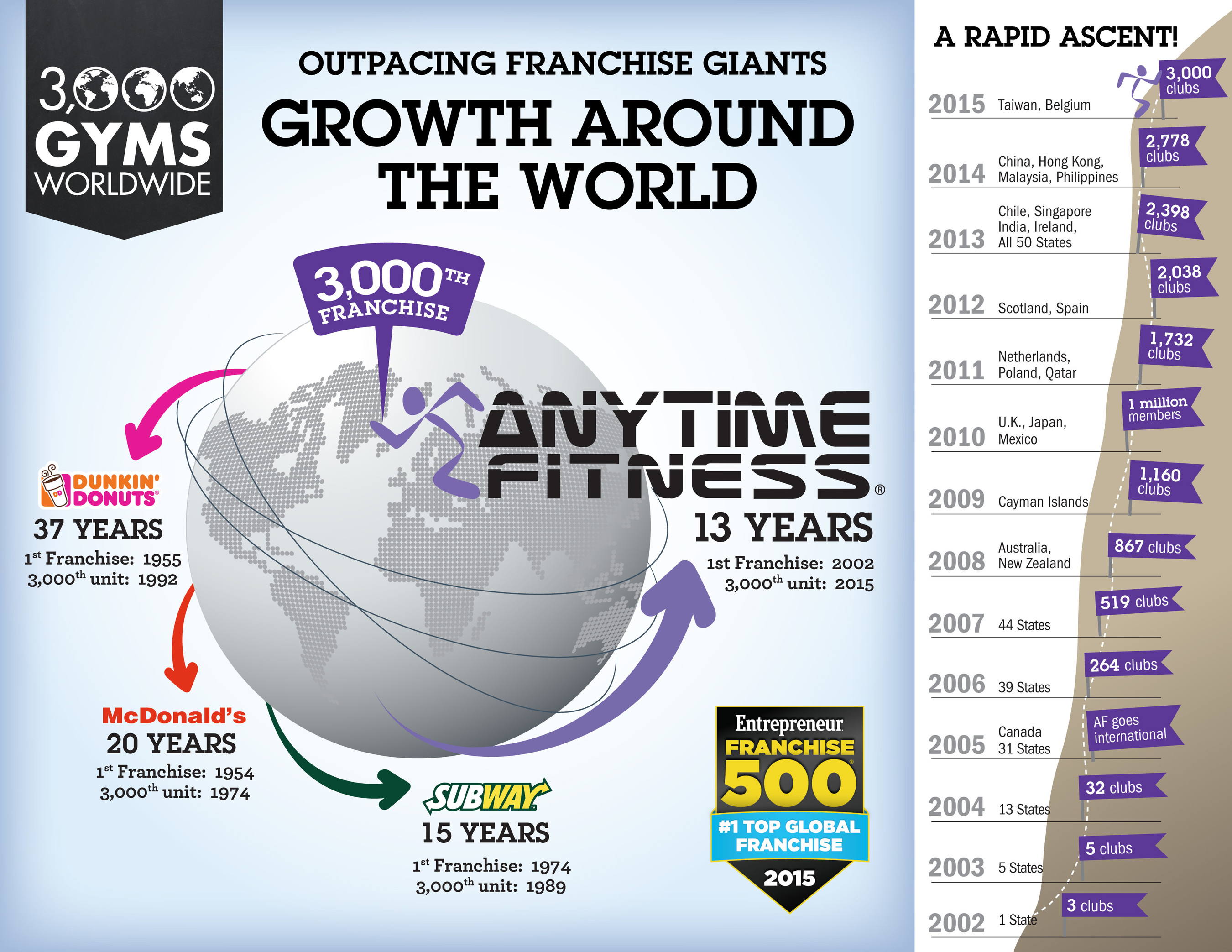
Image Source: photos.prnewswire.com
Deciphering the Anytime Fitness Investment
Investing in an Anytime Fitness franchise is more than just paying an initial fee; it’s a comprehensive undertaking that involves a series of financial commitments. The Anytime Fitness investment is structured to cover everything from the initial franchise fee to ongoing operational costs. Let’s delve into the specifics.
The Initial Anytime Fitness Franchise Fee
The gateway to becoming an Anytime Fitness franchisee is the initial franchise fee. This fee grants you the right to use the Anytime Fitness brand, access their established operating systems, marketing strategies, and ongoing support.
- Amount: The typical initial franchise fee for Anytime Fitness is $37,500.
- What it covers: This fee is a critical component of your Anytime Fitness startup costs. It provides you with the license to operate under their well-recognized brand, access to their site selection and development assistance, initial training programs, and ongoing operational guidance. It’s the first major step in your Anytime Fitness business opportunity.
Real Estate and Build-Out: The Largest Slice of the Pie
One of the most significant components of the Anytime Fitness investment is securing and preparing a physical location. This involves several sub-categories of expenses.
Site Selection and Leasehold Improvements
- Lease Negotiations: While the franchise agreement doesn’t typically involve purchasing real estate, you will need to lease a suitable space. Costs associated with lease negotiation, legal reviews, and security deposits are part of your initial outlay.
- Build-Out Costs: This is where a substantial portion of your capital will be directed. Anytime Fitness gyms are designed to be functional, appealing, and equipped with state-of-the-art fitness equipment. The specific Anytime Fitness franchise cost for build-out varies widely based on the size of the space, its current condition, and local construction costs.
- Typical Range: Expect to allocate anywhere from $250,000 to $600,000+ for leasehold improvements, which includes interior design, flooring, lighting, plumbing, electrical work, and creating the necessary aesthetic to align with the Anytime Fitness brand.
- Key Considerations:
- Size: Larger gyms naturally require more extensive build-out. Anytime Fitness typically recommends spaces ranging from 3,000 to 5,000 square feet, but this can vary.
- Condition of the Space: A space that requires minimal renovation will naturally be less expensive than a “shell” space that needs everything from the ground up.
- Location: Construction costs can differ significantly depending on the city and state you choose.
Fitness Equipment and Furnishings
The heart of any gym is its equipment. Anytime Fitness mandates specific types and quantities of fitness equipment to ensure a consistent member experience.
- Cardiovascular Machines: Treadmills, ellipticals, stationary bikes, rowers.
- Strength Training Equipment: Weight machines, free weights (dumbbells, barbells, weight plates), squat racks, benches.
- Functional Fitness Gear: Kettlebells, resistance bands, medicine balls, TRX suspension trainers.
- Other Furnishings: Reception desk, locker rooms, showers, restrooms, office furniture, mirrors, sound system.
- Estimated Cost: This can range from $150,000 to $350,000+, depending on the quality and quantity of equipment chosen. Franchisees often have options for leasing equipment, which can reduce the upfront capital requirement but increase ongoing monthly expenses.
Pre-Opening Expenses and Working Capital
Before your doors officially open and members start joining, there are numerous pre-opening costs that need to be managed. Furthermore, having adequate working capital is crucial for smooth operations during the initial months.
Initial Marketing and Grand Opening
- Marketing Materials: Website development, signage, local advertising (print, digital, radio), social media campaigns.
- Grand Opening Event: Costs associated with hosting an event to attract initial members.
- Estimated Cost: Budget $10,000 to $25,000+ for these activities.
Licenses, Permits, and Professional Fees
- Business Licenses and Permits: Depending on your local jurisdiction, you’ll need various permits to operate a business and a fitness facility.
- Legal and Accounting Fees: Engaging legal counsel for lease review and business setup, and an accountant for financial planning and setup.
- Estimated Cost: $5,000 to $15,000.
Insurance
- General Liability Insurance: Essential for protecting your business from potential lawsuits.
- Property Insurance: To cover your equipment and the facility itself.
- Worker’s Compensation Insurance: If you plan to hire staff from day one.
- Estimated Cost: Varies based on coverage levels and location, typically $3,000 to $10,000 annually.
Working Capital
This is the money you’ll need to cover operational expenses until the business becomes self-sustaining. This includes payroll, rent, utilities, marketing, inventory, and other ongoing costs.
- Recommended Amount: Anytime Fitness often suggests having 3 to 6 months of operating expenses readily available. This could range from $50,000 to $150,000+.
Anytime Fitness Membership Prices and Revenue Streams
Understanding the Anytime Fitness membership prices is crucial for projecting revenue and assessing the Anytime Fitness profitability. Anytime Fitness offers various membership tiers to cater to different needs and budgets.
- Monthly Memberships: These are the most common. Prices vary by location but typically fall between $30 to $60 per month.
- Annual Memberships: Often offered at a discounted rate compared to monthly options.
- Guest Passes: For potential members to try out the facility.
- Personal Training: An additional revenue stream, with prices varying based on the trainer and package.
- Other Services: Some clubs may offer specialized classes, fitness assessments, or merchandise.
The success of your franchise hinges on your ability to attract and retain members, which directly impacts Anytime Fitness profitability. A well-managed club with competitive Anytime Fitness membership prices and excellent service will see higher revenue.
Anytime Fitness Royalty Fees and Other Ongoing Costs
Once your Anytime Fitness franchise is operational, you will be subject to ongoing fees that contribute to the franchisor’s continued support and brand development.
Royalty Fees
- Purpose: These fees ensure you continue to receive brand support, marketing assistance, operational updates, and access to the franchisor’s network.
- Amount: Anytime Fitness typically charges a royalty fee of 5% of gross monthly revenue. This means the more successful your club, the more you contribute in royalties, aligning the franchisor’s success with yours.
Advertising and Marketing Fees
- Purpose: These fees contribute to system-wide marketing campaigns and brand promotion that benefit all Anytime Fitness locations.
- Amount: Anytime Fitness usually charges 2% of gross monthly revenue for their national and regional advertising fund.
Technology Fees
- Purpose: Access to the proprietary software systems, online portals, and other technology platforms that streamline operations.
- Amount: This is often a flat monthly fee, which can vary but typically ranges from $100 to $300 per month.
Total Anytime Fitness Startup Costs: A Summary
To provide a clearer picture, here’s a consolidated view of the typical Anytime Fitness franchise cost:
| Expense Category | Estimated Cost Range |
|---|---|
| Initial Franchise Fee | $37,500 |
| Real Estate (Security Deposit, etc.) | $10,000 – $30,000 |
| Leasehold Improvements/Build-Out | $250,000 – $600,000+ |
| Fitness Equipment & Furnishings | $150,000 – $350,000+ |
| Initial Marketing & Grand Opening | $10,000 – $25,000 |
| Licenses, Permits, Professional Fees | $5,000 – $15,000 |
| Insurance (Initial) | $3,000 – $10,000 |
| Working Capital | $50,000 – $150,000+ |
| Total Estimated Investment | $515,500 – $1,187,500+ |
Note: These figures are estimates and can vary significantly based on individual circumstances and market conditions.
Anytime Fitness Franchise Requirements: Who Can Own a Franchise?
Beyond the financial investment, Anytime Fitness has specific criteria for potential franchisees to ensure they are a good fit for the brand and have the capability to succeed.
Financial Strength
- Net Worth: Franchisees are typically required to have a minimum net worth, often in the range of $500,000 to $1 million.
- Liquidity: A significant portion of this net worth should be in liquid assets (cash, stocks, etc.) to cover the upfront costs and working capital. This demonstrates your ability to fund the initial Anytime Fitness investment.
Experience and Skills
- Business Acumen: While prior fitness industry experience is not always mandatory, strong business management skills, sales experience, and customer service orientation are highly valued.
- Leadership Qualities: The ability to recruit, train, and manage staff is essential for operating a successful gym.
Commitment
- Full-Time Involvement: Anytime Fitness expects franchisees to be actively involved in the day-to-day operations of their club.
- Brand Adherence: Willingness to follow the established operational models, marketing guidelines, and brand standards is crucial.
Anytime Fitness Profitability: What to Expect
Assessing Anytime Fitness profitability is a key consideration for any potential franchisee. While the brand offers a strong support system and proven business model, actual profitability depends on numerous factors.
Key Drivers of Profitability
- Membership Growth and Retention: The number of members and how long they stay are primary revenue drivers.
- Operational Efficiency: Effective management of staff, utilities, and equipment maintenance can significantly impact your bottom line.
- Ancillary Revenue Streams: Upselling personal training, merchandise, or other services can boost profitability.
- Location and Market Saturation: A prime location with high foot traffic and a market with unmet demand will generally perform better.
- Effective Marketing: Consistent and targeted marketing efforts are vital for attracting new members and retaining existing ones.
While Anytime Fitness does not guarantee specific income levels, many franchisees find the business opportunity rewarding. The Anytime Fitness franchise cost is substantial, but a well-executed strategy can lead to a healthy return on investment.
The Anytime Fitness Business Opportunity: A Closer Look
The Anytime Fitness business opportunity is built on a foundation of accessibility and convenience. The 24/7 access model appeals to a broad demographic, including those with non-traditional work hours.
- Global Brand Recognition: Being part of a recognized and trusted brand provides a significant advantage in attracting members.
- Proven Operating System: Franchisees benefit from a comprehensive playbook that covers everything from site selection to member management.
- Ongoing Support: Anytime Fitness provides continuous support through training, field consultants, and marketing resources.
- Scalability: The franchise model allows for potential expansion to multiple locations, further enhancing the business opportunity.
Owning an Anytime Fitness: The Day-to-Day
Owning an Anytime Fitness franchise involves a blend of strategic management and hands-on operation. While the clubs are designed to be largely self-sufficient due to their 24/7 access, the franchisee is responsible for:
- Staff Management: Hiring, training, and managing club staff (e.g., managers, trainers, cleaning crew).
- Sales and Marketing: Implementing local marketing strategies, managing promotions, and driving membership sales.
- Member Relations: Ensuring a positive member experience, addressing concerns, and fostering a community atmosphere.
- Financial Management: Overseeing budgeting, accounting, and financial reporting.
- Facility Maintenance: Ensuring the gym is clean, well-maintained, and all equipment is in good working order.
Alternatives and Considerations
Before committing to an Anytime Fitness franchise, it’s wise to explore other fitness franchise opportunities and consider your personal financial situation and goals.
- Other Fitness Franchises: Researching brands like Planet Fitness, Gold’s Gym, or F45 Training can provide a broader perspective on the market and different investment models.
- Franchise Disclosure Document (FDD): Always thoroughly review the franchisor’s Franchise Disclosure Document (FDD). This legal document contains vital information about the franchise system, including fees, obligations, and franchisee success rates.
Frequently Asked Questions (FAQ)
What are the ongoing fees for an Anytime Fitness franchise?
Ongoing fees typically include a royalty fee of 5% of gross monthly revenue, an advertising fee of 2% of gross monthly revenue, and technology fees which can range from $100 to $300 per month.
Can I finance the Anytime Fitness franchise cost?
Yes, many lenders offer financing options for franchise purchases. You will need a solid business plan and to meet the lender’s specific credit and financial requirements. The franchisor may also have preferred lenders.
How long does it take to recoup the Anytime Fitness investment?
The time it takes to recoup the initial Anytime Fitness investment varies greatly depending on factors like location, management efficiency, marketing success, and overall market conditions. Industry averages suggest it can take anywhere from 3 to 7 years.
What are the minimum liquid asset requirements for an Anytime Fitness franchise?
While specific figures can change, franchisees typically need to demonstrate significant liquid assets, often in the range of $150,000 to $300,000, to cover the initial franchise fee, a portion of the build-out, and initial working capital.
Is prior fitness industry experience necessary to own an Anytime Fitness?
No, prior fitness industry experience is not always a mandatory requirement. Anytime Fitness values strong business management, sales, and leadership skills. They provide comprehensive training and ongoing support to help franchisees succeed, regardless of their background.
What is the typical territory size for an Anytime Fitness franchise?
Territory sizes are typically defined by specific geographic boundaries to prevent cannibalization between franchised locations. The exact size will be detailed in the Franchise Disclosure Document (FDD) and negotiated with the franchisor.
How many employees does a typical Anytime Fitness franchise need?
The number of employees varies based on the size of the club and its operating hours. A small club might only need a manager and a few part-time staff members, while larger clubs could require a more extensive team, including personal trainers and additional support staff.
In conclusion, investing in an Anytime Fitness franchise is a significant financial undertaking. By carefully considering the detailed Anytime Fitness franchise cost, understanding the Anytime Fitness franchise fees, researching Anytime Fitness membership prices, and evaluating the overall Anytime Fitness business opportunity and Anytime Fitness profitability, prospective franchisees can make a well-informed decision about whether owning an Anytime Fitness is the right path for them. Thorough due diligence and a solid financial plan are paramount to navigating the path towards successful ownership.