
The ideal pose duration for yoga poses varies based on your goals, the type of yoga you’re practicing, and your personal experience level. Generally, holding static yoga poses for 30 seconds to 1 minute is a good starting point for building strength and stability, while longer holds of 5 minutes or more are beneficial for deep stretching and cultivating mindfulness.
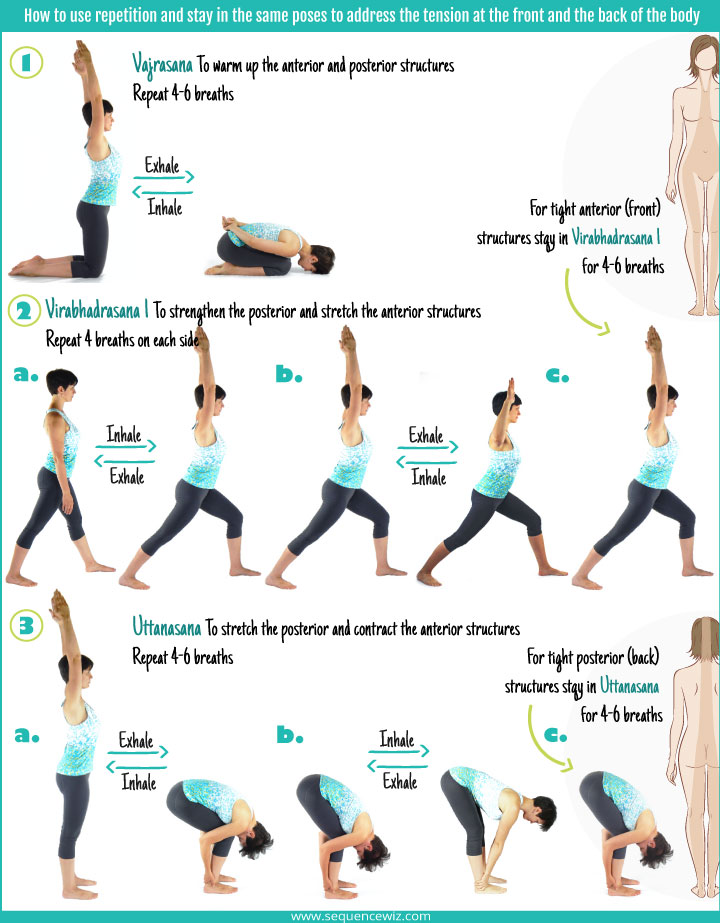
Image Source: sequencewiz.org
Deciphering Pose Duration for Optimal Benefits
In the world of yoga, the question of how long to hold asanas is a frequent one, and for good reason. The length of time you spend in a particular pose duration can significantly impact the benefits you receive, from physical strength and flexibility to mental focus and spiritual connection. It’s not a one-size-fits-all answer, but rather a nuanced aspect of your yoga practice duration that deserves careful consideration.
Factors Influencing Yoga Hold Times
Several key factors influence how long you should hold a yoga pose. Recognizing these will help you tailor your practice for the best possible outcomes.
Your Personal Goals
What do you hope to achieve with your yoga practice?
- Building Strength and Endurance: If your primary goal is to build muscular strength and endurance, shorter, more focused holds are often more effective. This engages muscle fibers more intensely.
- Increasing Flexibility and Range of Motion: To improve flexibility and deepen your range of motion, longer holds are generally recommended. This allows the connective tissues to lengthen and release tension.
- Cultivating Mindfulness and Meditation: For deepening your mind-body connection and practicing meditation, holding poses for extended periods can be incredibly beneficial. It encourages breath awareness and mental stillness.
- Therapeutic Benefits: If you are using yoga to address specific physical issues or injuries, shorter holds with proper alignment and modifications are crucial, often guided by a qualified instructor.
The Type of Yoga Practiced
Different yoga styles have different approaches to holding yoga poses:
- Hatha Yoga: Often characterized by holding poses for several breaths or a moderate duration, Hatha yoga is a good place to start for learning foundational yoga hold times.
- Vinyasa Yoga (Flow Yoga): This style emphasizes movement between poses, often linking them with breath. Pose retention is typically shorter, focusing on the transition and flow rather than prolonged holds.
- Ashtanga Yoga: Known for its set sequences, Ashtanga involves holding poses for a specific number of breaths, building heat and stamina. The yoga sequence timing is integral to its structure.
- Yin Yoga: This style is specifically designed for long holds, often 3-5 minutes or even longer, targeting deep connective tissues like fascia, ligaments, and joints.
- Restorative Yoga: Poses are held for extended periods, but with the support of props, allowing the body to relax deeply and heal.
Your Current Fitness Level and Experience
- Beginners: It’s advisable for beginners to start with shorter holds, perhaps 15-30 seconds or just a few breaths. This allows you to focus on proper alignment and prevent overexertion. As you gain strength and familiarity, you can gradually increase pose duration.
- Intermediate/Advanced Practitioners: Experienced yogis may find they can hold poses for longer, exploring deeper sensations and developing greater yoga pose stability. However, always listen to your body and avoid pushing into pain.
The Nature of the Pose Itself
- Standing Poses: Poses like Warrior II or Triangle Pose can often be held for longer periods, building heat and leg strength. Focus on maintaining a steady breath and yoga pose stability.
- Seated Poses: Forward folds or twists might feel more accessible for longer holds, allowing for deeper stretching and detoxification.
- Inversions: Holding inversions like Headstand or Shoulderstand requires significant strength and balance. It’s crucial to build up to longer holds gradually and with proper technique to ensure safety and yoga pose stability.
- Backbends: Poses like Cobra or Bow Pose can be held for moderate durations, focusing on strengthening the back muscles and opening the chest.
General Guidelines for Pose Duration
While there’s no single magic number, here are some general guidelines to help you navigate how long to hold yoga poses:
For Building Strength and Stamina
When aiming to build muscle strength and endurance, focus on engaging the muscles effectively.
- Static Holds: For poses that primarily build strength (e.g., Plank, Chair Pose, Warrior poses), holding for 30 seconds to 1 minute can be very effective. This range allows for sustained muscle engagement without excessive fatigue.
- Repetitions: In some flows, you might perform a pose for a shorter duration (e.g., 15-20 seconds) but repeat it multiple times within a sequence, which also builds stamina.
For Increasing Flexibility and Releasing Tension
To target deeper tissues and improve flexibility, longer, more passive holds are key. This is particularly relevant in styles like Yin Yoga.
- Yin Yoga Holds: Aim for 3-5 minutes or even longer in Yin poses. The goal here is to relax the muscles and allow gravity and time to work on the deeper connective tissues. This can feel challenging initially, but it’s about stillness and surrender.
- Hatha Yoga Holds: In a typical Hatha class, holding poses for 1 to 3 minutes is common, especially for poses that aim to open the hips, hamstrings, or shoulders. This allows for a comfortable yet significant stretch.
- Holding Stretches: When the objective is simply holding stretches, longer durations allow the muscle spindles and Golgi tendon organs to relax the muscle, facilitating a deeper stretch.
For Balance and Stability
Developing yoga pose stability requires focused attention and controlled movement.
- Balance Poses: For poses like Tree Pose or Eagle Pose, holding for 30 seconds to 1 minute on each side can be sufficient to build focus and strengthen the stabilizing muscles. The key is to find stillness within the pose.
- Core Engagement: Poses that require core engagement for yoga pose stability benefit from holds that challenge your core without compromising your form. Start with 30 seconds and build up.
The Role of Breath in Pose Retention
Your breath is your most crucial guide in yoga. The quality and depth of your breath can tell you a lot about how long you can comfortably and beneficially hold a pose.
- Synchronizing Breath and Pose: Aim to inhale as you lengthen and exhale as you deepen. This natural rhythm can inform your pose duration.
- Smooth and Steady Breath: If your breath becomes ragged, shallow, or you find yourself holding your breath, it’s a signal to ease out of the pose or modify it. This is especially important during extended yoga hold times.
- Breath as a Timer: Often, an instructor might cue “hold for five breaths.” This is a natural way to gauge pose duration and ensure you are maintaining a connection to your breath.
How to Determine Your Ideal Pose Duration
Experimentation is key to discovering what works best for you.
Listen to Your Body
This is the golden rule of yoga. Your body will communicate its needs.
- Discomfort vs. Pain: There’s a difference between the sensation of a stretch or muscle engagement and sharp, shooting, or joint pain. Never push into pain.
- Fatigue: If your muscles are trembling uncontrollably or you feel excessively fatigued, it’s time to come out of the pose.
Track Your Progress
Keep a mental or physical journal of how long you hold poses and how you feel.
- Before and After: Notice how your body feels after holding a pose for 30 seconds versus 2 minutes.
- Consistency: Consistent practice over time will naturally allow you to hold poses for longer and with greater ease.
Seek Guidance
A qualified yoga instructor can provide personalized advice based on your body and goals. They can observe your alignment and offer suggestions for adjusting yoga hold times.
Structuring Your Yoga Sequence Timing
The overall structure of your yoga sequence timing also plays a role in how you approach holding yoga poses.
- Warm-up: Shorter holds are generally preferred during the warm-up to prepare the muscles without causing fatigue.
- Peak Poses: For more challenging poses that are the focus of your practice, you might hold them for a moderate duration to build strength and explore depth.
- Cool-down: Longer, more restorative holds are often incorporated into the cool-down to allow the body to relax and integrate the benefits of the practice.
Considerations for Static Yoga Poses
Static yoga poses are those held without movement. The pose duration here is critical.
- Muscle Engagement: Holding a static yoga pose for an adequate time allows muscles to fully engage and strengthen. For example, holding a Plank pose for 30-60 seconds effectively targets core and upper body strength.
- Flexibility Gains: In stretches like forward folds or hamstring stretches, holding stretches for longer periods, especially 1-3 minutes, can lead to more significant improvements in flexibility over time. This is where pose retention becomes paramount for tissue lengthening.
Advanced Techniques and Extended Holds
As you progress in your yoga journey, you might explore more advanced techniques that involve longer yoga hold times.
- Pranayama Integration: Holding poses while practicing specific breathing techniques (pranayama) can amplify their effects. This requires a stable foundation and mindful awareness.
- Drishti (Gaze Point): Focusing your gaze on a specific point can enhance concentration and yoga pose stability during longer holds.
- Meditation in Asana: For truly advanced practitioners, holding poses for extended periods can become a moving meditation, fostering deep stillness and introspection. This level of pose retention is cultivated over years of dedicated practice.
Common Pitfalls to Avoid
- Holding Too Long: Pushing beyond your body’s limits can lead to injury or excessive fatigue, negating the benefits of the pose duration.
- Holding Too Short: For certain goals, like deep stretching, holding poses for too brief a period will not yield the desired results.
- Ignoring Breath: Letting your breath become strained is a sign that your pose duration is too long for your current capacity.
- Comparing Yourself to Others: Everyone’s body is different. Focus on your own journey and what feels right for you.
Frequently Asked Questions
- Q: How long should I hold a yoga pose if I’m a beginner?
A: As a beginner, start with shorter holds, around 15-30 seconds or 3-5 breaths. Focus on proper alignment and your breath. You can gradually increase the duration as you gain strength and familiarity. - Q: Is there a maximum time I should hold a yoga pose?
A: There isn’t a strict maximum, but listening to your body is crucial. If you feel pain, strain, or your breath is compromised, it’s time to release the pose. In styles like Yin, holds can extend to 5 minutes or more, but this requires preparation and mindful release. - Q: How do I know if I’m holding a pose for too long?
A: Signs include trembling muscles, shallow or held breath, discomfort escalating to pain, or a loss of focus and mental agitation. Your breath is your best indicator; if it becomes difficult to maintain a smooth, steady breath, ease out of the pose. - Q: Does holding yoga poses longer always mean better results?
A: Not necessarily. The “best results” depend on your goals. For strength, shorter, engaged holds might be better. For flexibility, longer, passive holds are beneficial. The key is appropriate pose duration for the intended outcome. - Q: How does the type of yoga affect how long I hold poses?
A: Styles like Vinyasa often have shorter holds with more flow, while Yin yoga is characterized by very long holds (3-5 minutes or more) targeting connective tissues. Hatha and Ashtanga typically fall somewhere in between, with moderate yoga hold times.
In conclusion, the art of holding yoga poses is a dynamic and personal journey. By considering your goals, the style of yoga you practice, and most importantly, by listening to your body and breath, you can optimize your pose duration to unlock the full spectrum of benefits that yoga offers. Remember, consistency and mindful practice are more important than rigidly adhering to specific timeframes.