
Becoming a yoga instructor is a journey many seek for personal growth and to share the benefits of yoga. But how long does this path typically take? The time it takes to become a yoga instructor varies, but generally, completing a 200-hour Yoga Alliance-registered teacher training program is the foundational step, which can take anywhere from a few weeks to several months depending on the program’s structure.
Embarking on the path to becoming a yoga teacher is an exciting prospect, filled with personal discovery and the potential to inspire others. Many aspiring instructors ask, “How long does it take to become a yoga instructor?” The answer isn’t a single number, as it depends on your chosen program, your dedication, and your personal learning pace. However, the most common and widely recognized starting point is completing a foundational teacher training.
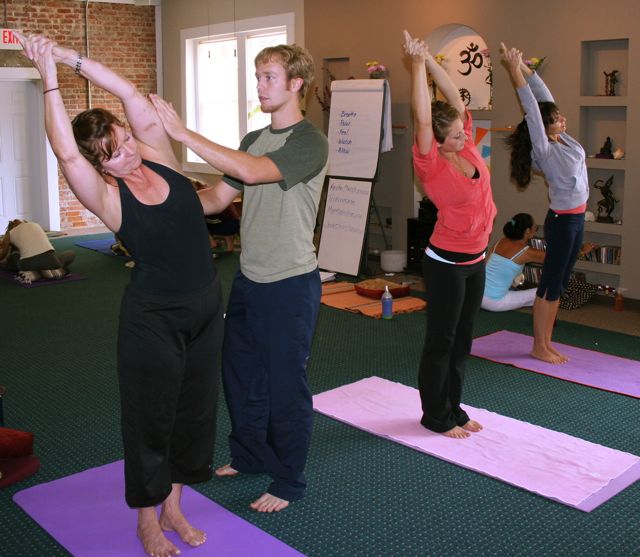
Image Source: d92mrp7hetgfk.cloudfront.net
The Core Requirement: 200-Hour Yoga Teacher Training
The cornerstone of becoming a yoga instructor is completing a recognized teacher training program. The Yoga Alliance, a global registry for yoga teachers and schools, sets standards for these programs. The most common entry-level certification is the Registered Yoga Teacher (RYT) 200.
How Long is a Yoga RYT Program?
A yoga RYT program typically requires a minimum of 200 hours of training. The yoga teacher training duration can be structured in various ways:
-
Intensive/Full-Time Programs: These programs are designed for rapid completion. They often run for a concentrated period, such as four to six weeks, with daily classes. This immersive approach allows for deep dives into the philosophy, anatomy, and practical teaching skills of yoga. The time commitment yoga instructor trainees undertake during these intensives is significant, often requiring full-day engagement.
-
Part-Time/Weekend Programs: These are more flexible, catering to individuals who are working or have other commitments. They might spread over several months, with training sessions held on weekends or a few evenings per week. While the total yoga certification timeline might be longer in terms of calendar months, the actual contact hours remain the same.
-
Online Programs: With the rise of digital learning, many 200-hour programs are now offered online. These often combine self-paced learning with live virtual sessions. The flexibility allows individuals to progress at their own speed, but they still must meet the 200-hour requirement. The time to get yoga instructor certified through online means can be highly variable based on the student’s engagement.
Table 1: Typical Structures for 200-Hour Yoga Teacher Training
| Program Structure | Typical Duration | Time Commitment Per Week | Flexibility Level |
|---|---|---|---|
| Intensive/Full-Time | 4-6 Weeks | Full-time (5-6 days/week) | Low |
| Part-Time/Weekend | 3-9 Months | Weekends + some evenings | High |
| Online (Self-Paced) | Variable | Flexible | Very High |
The yoga training programs length is strictly regulated by Yoga Alliance to ensure a comprehensive learning experience. They must cover specific areas like anatomy and physiology, yoga philosophy, ethics, teaching methodology, and practicum hours where trainees teach each other.
Beyond the 200-Hour: Further Certifications and Specializations
While a 200-hour certification is the entry point, many instructors choose to deepen their knowledge and expand their teaching repertoire. This is where additional certifications and specialized training come into play.
Advanced Certifications (300-Hour and 500-Hour)
After obtaining an RYT 200, aspiring teachers can pursue an RYT 500 certification. This requires an additional 300 hours of advanced training.
- RYT 300 Programs: These programs delve deeper into areas such as advanced anatomy, subtle body anatomy, yoga philosophy, sequencing, adjustments, and teaching to special populations. The yoga teacher training duration for a 300-hour program is often similar in structure to the 200-hour programs – either intensive or spread out over a longer period. Completing an RYT 500 means you have completed a total of 500 hours of training (200 + 300).
The time commitment yoga instructor trainees make for advanced training can also be significant, but it’s often more manageable as they are already familiar with the training environment and teaching practices.
Specialized Yoga Training
Beyond general certifications, there are numerous specialized yoga training programs length and focuses. These can include:
- Prenatal Yoga: Training for teaching expectant mothers.
- Restorative Yoga: Focuses on deep relaxation and passive stretching.
- Yoga Therapy: A more clinical approach to using yoga for specific health conditions. This often requires extensive training beyond the standard RYT programs.
- Children’s Yoga: Tailored to teaching yoga to kids.
- Vinyasa Flow, Ashtanga, Yin Yoga: Deeper dives into specific styles.
The duration of these specialized trainings varies widely, from a weekend workshop to several months of study.
The Practical Experience Component
A crucial aspect of becoming a certified yoga teacher is gaining practical teaching experience. Most 200-hour programs include a practicum component, where trainees must practice teaching under supervision.
Teaching Hours and Mentorship
After completing the initial training, accumulating teaching hours is vital. Many studios require instructors to have a minimum number of observed classes or teaching experience before hiring.
- Yoga Teaching Apprenticeship Duration: Some studios offer yoga teaching apprenticeship duration programs, which can provide invaluable hands-on experience and mentorship. These apprenticeships might last anywhere from a few months to a year, depending on the studio and the mentor. They often involve assisting experienced teachers, leading community classes, and receiving ongoing feedback.
Gaining this practical experience can be a significant factor in the overall yoga certification timeline. While the formal training might be completed, the process of becoming a confident and competent teacher continues.
Factors Influencing the Timeline
Several factors can influence how long it takes you to become a yoga instructor:
- Your Learning Style: Some people thrive in immersive, fast-paced environments, while others prefer a more gradual, spread-out approach.
- Program Format: As discussed, intensive programs offer a quicker route compared to part-time or online formats.
- Personal Commitments: Work, family, and other life responsibilities can dictate how much time you can dedicate to training and practice.
- Financial Considerations: Teacher training programs vary in cost, and financing options might influence your program choice and pace.
- Your Goals: Are you aiming to teach casually or make yoga your full-time profession? Your aspirations might influence how much further training and experience you seek.
The Journey of Becoming a Yoga Teacher: A Step-by-Step Breakdown
Let’s outline a typical journey to becoming a certified yoga teacher:
- Establish a Consistent Yoga Practice: Before diving into teacher training, cultivate a personal practice. This helps you build a foundation in yoga poses (asanas), breathwork (pranayama), and meditation.
- Research and Choose a Teacher Training Program: Look for Yoga Alliance-registered schools and programs that align with your preferred yoga style and schedule. Consider the faculty, curriculum, and location. The yoga training programs length and cost are important factors here.
- Complete a 200-Hour Yoga Teacher Training: This is the foundational step. The yoga teacher training duration will depend on the program you select.
- Gain Teaching Experience: Start teaching, whether through assisting, offering free community classes, or teaching at local studios. Some may opt for a yoga teaching apprenticeship duration to gain experience.
- Register with Yoga Alliance (Optional but Recommended): Once you have completed your 200-hour training, you can register as an RYT 200 with Yoga Alliance. This demonstrates a commitment to professional standards. The time to get yoga instructor certified in this official capacity is usually straightforward after program completion.
- Continue Education: Consider advanced certifications (300-hour) or specialized training to expand your knowledge and teaching skills. This adds to your overall yoga certification timeline.
Comprehending the Time Commitment
It’s important to be realistic about the time commitment yoga instructor trainees need. A 200-hour program is a significant undertaking.
- Intensive: If you choose a full-time, four-week intensive, you’ll be dedicating roughly 6-8 hours per day, five to six days a week. This is similar to a full-time job.
- Part-Time: If you opt for a part-time program over six months, you might be looking at 4-8 hours of training per weekend, plus potentially some evening sessions or homework. This requires consistent effort week after week.
- Self-Study and Practice: Outside of formal training hours, you’ll need time for personal practice, studying anatomy, philosophy, and practicing teaching. This can add several more hours per week.
The path to becoming a yoga teacher is not just about accumulating hours; it’s about integrating the knowledge and developing your unique teaching voice.
Deciphering the Yoga Certification Timeline
The yoga certification timeline can be viewed in several ways:
- Formal Training Completion: This is the time spent actively in your 200-hour (or higher) program. As established, this can range from a few weeks to several months.
- Gaining Experience: After formal training, building confidence and skill through teaching experience is crucial. This phase can take an additional 3-12 months or even longer, depending on how actively you seek opportunities.
- Professional Development: For those pursuing RYT 500 or specialized certifications, this adds another layer to the timeline, typically requiring an additional 300+ hours of training and practice.
Fathoming the Requirements for Yoga Instructor Qualification Time
The yoga instructor qualification time is primarily defined by the completion of a 200-hour Yoga Alliance registered training. This is the baseline for most studios and insurance providers. However, true qualification goes beyond just the certificate. It involves:
- Deepened Knowledge: Going beyond the syllabus to genuinely grasp yoga’s principles.
- Teaching Skills: Developing the ability to cue safely and effectively, create sequences, and hold space for students.
- Embodied Practice: Living the principles of yoga.
While you can technically be considered “certified” after completing a 200-hour program, the time it takes to feel fully qualified and confident can be much longer.
Example Scenarios
-
Scenario 1: The Intensive Learner
- Chooses a 4-week intensive 200-hour program.
- Total Time for Formal Training: 4 weeks.
- Spends the next 3 months actively teaching at a local studio and attending workshops.
- Total Time to Feel Qualified and Gain Initial Experience: Approximately 4 months.
-
Scenario 2: The Part-Time Professional
- Enrolls in a 9-month part-time 200-hour program while working full-time.
- Total Time for Formal Training: 9 months.
- Continues teaching part-time for another 6 months to build experience.
- Decides to pursue a 300-hour advanced training over the next year.
- Total Time to Become an Experienced, Advanced Certified Instructor: Approximately 2.5 years.
Frequently Asked Questions
Q1: Do I need to be an expert yogi before starting teacher training?
No, you don’t need to be an expert. A consistent personal practice is beneficial, but teacher training is designed to deepen your knowledge and skills, not just for those who are already advanced practitioners.
Q2: Can I teach yoga after just a 200-hour training?
Yes, a 200-hour Yoga Alliance registered training is the minimum requirement to begin teaching in most studios and to obtain liability insurance.
Q3: What if I can’t commit to a full-time training?
Part-time and online programs offer excellent flexibility for those with other commitments. While the yoga teacher training duration in calendar months may be longer, the actual learning experience is just as comprehensive.
Q4: How long does it take to make a living as a yoga instructor?
This varies greatly. Some instructors build a full-time income within a year or two of certification, while others teach part-time alongside other careers. Building a student base, diversifying income streams (workshops, private sessions), and gaining experience are key.
Q5: Is a yoga teaching apprenticeship duration necessary?
While not always mandatory, a yoga teaching apprenticeship duration or similar mentorship can significantly accelerate your development as a teacher, providing practical guidance and feedback.
Q6: How long does it take to get Yoga Alliance certified?
After completing a 200-hour training from a Yoga Alliance Registered Yoga School (RYS), you can apply for registration. The time to get yoga instructor certified through Yoga Alliance typically involves a few weeks for application processing after you meet the training requirements.
The journey to becoming a yoga instructor is a rewarding one, and the time invested in training and practice is an investment in yourself and your ability to share the transformative practice of yoga with others.