Curious about how to become a Yin Yoga instructor? You can become a Yin Yoga instructor by completing a specialized Yin yoga teacher training program that focuses on the unique principles and practices of this slow-paced, meditative style of yoga.
Yin yoga is a profound practice that offers a deep dive into the body’s connective tissues, promoting flexibility, stillness, and a connection to the subtle body. If you feel drawn to this introspective and therapeutic form of yoga, embarking on the path to become a Yin yoga instructor might be your next fulfilling step. This comprehensive guide will walk you through everything you need to know, from foundational knowledge to establishing your teaching career.
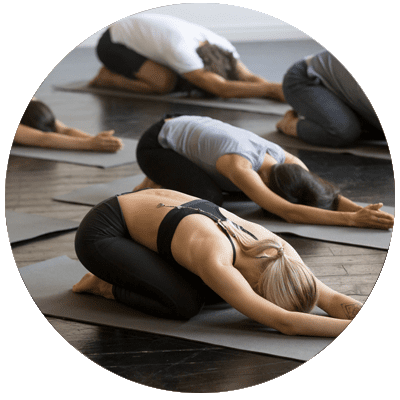
Image Source: aurawellnesscenter.com
Embarking on the Journey: What is Yin Yoga?
Before diving into the “how,” let’s solidify our grasp of the “what.” Yin yoga is a style that targets the deep connective tissues, such as fascia, ligaments, joints, and bones. Unlike more dynamic styles (yang yoga), which focus on muscular engagement, Yin yoga involves holding passive poses for extended periods, typically three to five minutes, or even longer. This sustained stillness allows gravity to gently lengthen and strengthen the connective tissues, releasing tension and improving joint mobility.
The practice is often described as a moving meditation, encouraging practitioners to cultivate presence, breath awareness, and acceptance of what arises in the body and mind. It’s a journey inward, fostering a sense of calm, balance, and a deeper connection to oneself.
The Core Principles of Yin Yoga
- Stillness: Holding poses without muscular effort is key.
- Depth: Poses are held long enough to stress the deeper tissues.
- Edge: Finding a sensation that is a comfortable intensity, not pain.
- Breath: Using the breath to calm the nervous system and deepen the pose.
- Patience: Allowing the body and mind to open gradually.
Your First Steps: Foundational Knowledge and Personal Practice
Becoming a qualified Yin yoga instructor begins with a solid personal practice and a commitment to learning.
Cultivating a Deep Personal Practice
Before you can teach, you must embody the practice. Dedicate time to regular Yin yoga sessions. Notice how the poses feel in your body, how long you can comfortably hold them, and the mental and emotional states that arise.
- Attend Classes: Seek out experienced Yin yoga teachers in your local area or online. Observe their cues, sequencing, and how they create a safe and supportive environment.
- Explore Different Styles: While the core principles are consistent, different teachers may have unique approaches to sequencing and philosophy. Experiment to find what resonates most with you.
- Journal Your Experience: Keep a journal to record how different poses affect you physically, mentally, and emotionally. This will be invaluable when you start to teach.
Essential Knowledge for a Yin Yoga Teacher
While a strong personal practice is crucial, teaching Yin yoga requires a deeper understanding of its unique principles and applications.
- Yin Yoga Anatomy: Fathoming the anatomical aspects of Yin yoga is paramount. This involves understanding how the poses affect the deep connective tissues, the role of fascia, and how different body types interact with the poses. You’ll learn about joint mechanics and the principles of applying stress to these tissues without causing harm.
- Yin Yoga Philosophy: Explore the philosophical underpinnings of Yin yoga. This often draws from Taoist principles of Yin and Yang, as well as Buddhist philosophies of mindfulness and impermanence. Understanding these concepts will enrich your teaching and provide a deeper context for the practice.
The Path to Certification: Yin Yoga Teacher Training
The most direct route to becoming a certified Yin yoga instructor is through a dedicated Yin yoga teacher training program. These programs are specifically designed to equip you with the knowledge and skills needed to teach this particular style.
What to Look for in a Yin Yoga Teacher Training Program
When choosing a Yin yoga teacher training, consider these factors:
- Curriculum Depth: Does the program cover Yin yoga anatomy in detail? Does it explore the philosophy and history of Yin yoga? Does it offer practical teaching skills and feedback?
- Experienced Instructors: Who are the lead trainers? What is their experience and lineage in Yin yoga? Look for teachers with a deep well of knowledge and a compassionate teaching style.
- Program Length and Format: Yin yoga teacher trainings can range from intensive weekend workshops to longer, more comprehensive programs (e.g., 50-hour, 100-hour, or integrated into a 200-hour yoga teacher training). Consider what format best suits your learning style and schedule.
- Accreditation: While not always mandatory for specialized trainings, some programs may be affiliated with larger yoga organizations.
Types of Yin Yoga Teacher Training Programs
- Specialized Yin Yoga Trainings: These are often shorter (e.g., 20-50 hours) and focus exclusively on Yin yoga. They are ideal for experienced yoga practitioners who want to add Yin to their teaching repertoire or for those who have completed a general yoga instructor training.
- Yin Yoga Modules within 200-Hour Yoga Teacher Training: Many comprehensive yoga teacher training programs now include dedicated modules on Yin yoga. This can be a good option if you’re looking for a foundational become a yoga teacher qualification alongside specialized Yin training.
- Advanced Yin Yoga Trainings: For those who have already completed a foundational Yin training, advanced programs delve deeper into specific anatomical considerations, therapeutic applications, or philosophical aspects.
The Value of Yin Yoga Certification
Obtaining a Yin yoga certification provides a recognized credential that signifies you have met specific standards of knowledge and competency in teaching Yin yoga. This can:
- Boost Credibility: It assures students and potential employers that you have undergone formal training.
- Provide a Framework: The training offers a structured approach to learning and teaching.
- Open Doors: Many yoga studios and wellness centers require certification for yoga studio teaching positions.
Developing Your Teaching Skills: Yoga Teaching Methods
Beyond the curriculum of your training, you’ll develop your unique yoga teaching methods through practice and continuous learning.
Crafting Your Classes: Sequencing and Pose Variations
- Thematic Sequencing: Yin classes often have a theme, whether it’s targeting a specific area of the body (e.g., hips, spine) or exploring a particular philosophical concept.
- Pose Selection: Learn which poses are most effective for targeting different areas of the body and why. Understand the counterposes and how to transition safely between them.
- Modifications and Props: Master the art of offering modifications and using props (bolsters, blankets, blocks, straps) to make poses accessible and supportive for a wide range of bodies. This is crucial for teaching Yin yoga effectively.
The Art of Cueing and Offering Guidance
- Clear and Concise Language: Develop clear verbal cues that guide students into and out of poses, and remind them to stay present and observe sensations.
- Body Awareness Focus: Encourage students to listen to their bodies, find their edge, and cultivate mindful awareness.
- Metaphor and Imagery: Use evocative language to help students connect with the deeper aspects of the practice.
Creating a Sacred Space
- Ambiance: Learn how to set the tone for a Yin yoga class through music, lighting, and the overall atmosphere of the studio or online space.
- Student Connection: Foster a sense of community and belonging. Be approachable and responsive to your students’ needs.
Beyond Certification: Building Your Teaching Career
Once you have your Yin yoga certification, the journey continues as you build your career as a yoga instructor.
Finding Opportunities to Teach
- Yoga Studios: Start by approaching local yoga studios. Offer to teach a guest class or fill in for a regular teacher.
- Community Centers and Wellness Clinics: These often seek qualified instructors for various programs.
- Corporate Wellness Programs: Many companies are investing in employee well-being and hire yoga instructors.
- Online Teaching: The digital world offers vast opportunities to reach a global audience through live-streamed classes or pre-recorded content.
Developing Your Yoga Business Acumen
- Marketing and Promotion: Learn how to market your classes effectively. This could involve social media, local advertising, or building an email list.
- Pricing and Packages: Determine fair pricing for your classes, workshops, or private sessions. Consider offering package deals.
- Client Relationships: Build strong relationships with your students. Word-of-mouth referrals are incredibly powerful in the yoga business.
- Continuous Professional Development: The world of yoga is ever-evolving. Commit to ongoing learning through workshops, advanced trainings, and personal study.
Key Areas of Study in Yin Yoga Teacher Training
A comprehensive Yin yoga teacher training will typically delve into the following key areas, equipping you with the necessary knowledge to excel in teaching Yin yoga:
In-Depth Yin Yoga Anatomy
This is a cornerstone of any good Yin yoga teacher training. It moves beyond basic muscular anatomy to focus on the tissues that Yin yoga targets:
- Fascia: The web-like connective tissue that envelops muscles, bones, and organs. You’ll learn about its properties, how it responds to sustained stress, and its role in flexibility and movement.
- Ligaments and Tendons: These are also connective tissues that are stressed in Yin poses. You’ll learn their function and how to safely engage them.
- Joints: Fathoming the biomechanics of various joints (e.g., hips, spine, shoulders) is crucial. You’ll study the types of joints, their range of motion, and how Yin poses can improve joint health and mobility.
- Bone Health: Understanding how sustained compression can stimulate bone density is an important aspect of Yin yoga anatomy.
- Meridian Lines (Optional but Beneficial): Some trainings integrate principles from Traditional Chinese Medicine, exploring how Yin poses can stimulate the body’s energy pathways (meridians) and influence organ health.
The Philosophy and History of Yin Yoga
This aspect provides the theoretical framework for the practice:
- Origins and Evolution: Tracing the lineage of Yin yoga, from its roots in Taoist practices to its modern development by teachers like Paul Grilley and Paulie Zink.
- Yin and Yang Principles: Deciphering how the concepts of Yin (passive, cool, yielding) and Yang (active, warm, firm) are embodied in the practice. Yin yoga emphasizes the Yin aspects of the body and mind.
- Mindfulness and Meditation: Exploring the meditative quality of Yin yoga, its connection to Buddhist Vipassanā (insight meditation), and how to cultivate present moment awareness.
- Taoism and the Tao: Grasping the philosophical underpinnings of living in harmony with the natural flow of life, as espoused in Taoist teachings.
Practical Teaching Skills
This is where theory meets practice, preparing you for real-world yoga studio teaching:
- Pose Breakdown: Detailed instruction on the most common Yin yoga poses, including proper alignment, variations, and the anatomical targets for each pose.
- Sequencing Strategies: Learning how to construct a balanced and effective Yin yoga sequence, considering flow, target areas, and transitions.
- Cueing and Communication: Developing your ability to offer clear, concise, and supportive verbal cues to guide students safely and effectively through poses. This includes teaching students to find their “edge” without pushing into pain.
- Theming Classes: Techniques for creating meaningful themes for your classes that resonate with the practice and students’ experience.
- Prop Usage: Mastering the use of props like bolsters, blankets, blocks, and straps to support students and enhance the effectiveness of the poses.
- Holding Space: Learning how to create a safe, nurturing, and introspective environment for your students.
- Anatomy for Teachers: Applying your anatomical knowledge to provide intelligent and safe guidance to students with varying physical conditions.
Business and Ethics
While not always the primary focus of a Yin yoga teacher training, some programs will touch upon essential business and ethical considerations for yoga teachers:
- Professionalism: Ethical conduct and maintaining professional boundaries with students.
- Basic Business Practices: Introduction to marketing, client communication, and setting up your teaching practice.
Frequently Asked Questions (FAQ)
Here are some common questions aspiring Yin yoga instructors often ask:
Q1: Do I need to be a certified yoga teacher in general before doing a Yin yoga teacher training?
Not necessarily. Many comprehensive yoga teacher training programs (like 200-hour RYT) include Yin yoga modules, allowing you to gain both foundational and specialized knowledge. However, if you’re opting for a standalone Yin yoga certification, having a consistent personal practice and a basic understanding of yoga principles is highly recommended. Some Yin yoga teacher training programs may have prerequisites, so it’s always best to check with the specific provider.
Q2: How long does it take to become a Yin yoga instructor?
The time commitment varies. A specialized Yin yoga teacher training can range from a weekend intensive (e.g., 20-30 hours) to a more in-depth program (e.g., 50-100 hours). If you are pursuing a 200-hour yoga instructor training that includes a Yin module, that itself typically takes several months to complete. After completing your training, becoming proficient takes ongoing practice and teaching experience.
Q3: What is the difference between a 200-hour yoga teacher training and a Yin yoga teacher training?
A 200-hour yoga teacher training provides a broad foundation in teaching yoga, covering various styles, yoga philosophy, anatomy, teaching methodology, and ethics. A Yin yoga teacher training, on the other hand, is specialized and focuses deeply on the specific principles, techniques, Yin yoga anatomy, and philosophy of Yin yoga. Many teachers complete a 200-hour training first to become a general yoga teacher and then pursue a Yin yoga certification to specialize.
Q4: Can I teach Yin yoga without a formal certification?
While it’s possible, it’s generally not recommended, especially when aiming for yoga studio teaching positions. A Yin yoga certification demonstrates a commitment to learning and a baseline level of competency. Studios and students often look for this credential. Furthermore, the depth of knowledge gained in a good training, particularly regarding Yin yoga anatomy and safe teaching practices, is invaluable for preventing injuries and offering effective guidance.
Q5: What are the benefits of teaching Yin yoga?
Teaching Yin yoga can be incredibly rewarding. You’ll help students reduce stress, improve flexibility, increase joint mobility, and cultivate a deeper sense of mindfulness and self-awareness. It’s a practice that fosters stillness and introspection, offering a valuable counterbalance to the fast pace of modern life. It also allows you to connect with students on a profound level.
Q6: How much can a Yin yoga instructor earn?
Income for yoga instructors varies significantly based on location, experience, the types of venues they teach at (studio, private, online), and the number of classes they offer. Some studios pay per class, while others may offer a percentage of class revenue. Building a private client base or offering workshops can also increase earning potential. It’s often a passion-driven profession where income grows with experience and reputation within the yoga business.
Q7: What if I have pre-existing injuries? Can I still teach Yin yoga?
Yes, in fact, having personal experience navigating your own body and potential injuries can make you a more empathetic and effective Yin yoga teacher. Your Yin yoga teacher training will cover Yin yoga anatomy in detail, including contraindications and modifications for common injuries. It’s crucial to have this knowledge and to always emphasize listening to one’s own body.
Conclusion: Your Path to Empowering Others
Becoming a Yin yoga instructor is a journey of personal growth, deep learning, and compassionate service. By committing to a quality Yin yoga teacher training, cultivating a strong personal practice, and honing your yoga teaching methods, you can confidently share the transformative power of Yin yoga with the world. Whether you aim to teach in a local yoga studio, offer online classes, or integrate Yin into a broader yoga business, this path offers a unique opportunity to guide others toward greater peace, flexibility, and self-discovery. The principles of Yin yoga philosophy and Yin yoga anatomy provide a rich foundation upon which to build a fulfilling teaching career. So, take the first step, embrace the learning, and prepare to share the stillness.