
So, how much do fitness models earn? The answer is quite varied, ranging from a few hundred dollars for a single social media post to tens of thousands of dollars annually for those with established careers. Fitness models can earn money through a variety of avenues, including paid sponsorships, brand collaborations, modeling for fitness apparel companies, creating content, and even personal training or online coaching.
The world of fitness modeling is often portrayed as glamorous and lucrative, filled with sculpted physiques and enviable lifestyles. While this can be true for some, the reality for most fitness models is that earning a consistent and substantial income requires hard work, dedication, and a strategic approach. It’s a competitive field, and success often hinges on more than just physical appearance. Building a strong personal brand, engaging with an audience, and understanding the business side of the industry are crucial components for maximizing fitness model earnings.
This in-depth guide will explore the various income streams available to fitness models, discuss factors influencing their pay, and provide insights into how individuals can build a sustainable career in this dynamic industry. We’ll delve into different aspects of the fitness model salary landscape, from entry-level opportunities to the earnings of seasoned professionals and fitness influencers.
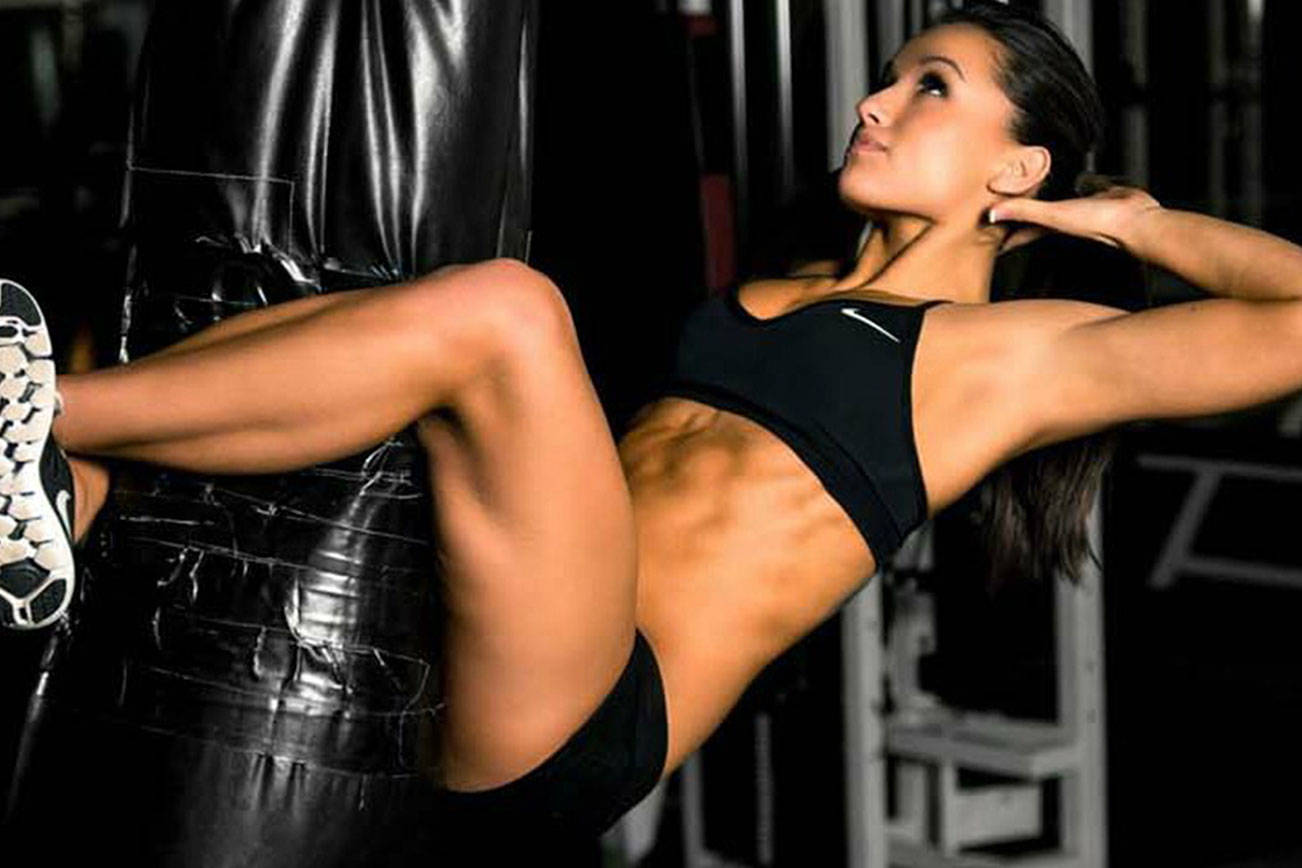
Image Source: www.redmond-reporter.com
Deciphering Fitness Model Compensation: A Multi-faceted Approach
A fitness model’s income is rarely derived from a single source. Instead, it’s usually a blend of different activities and opportunities. This diversified income strategy allows them to create a more stable financial foundation.
1. Brand Partnerships and Sponsorships
This is arguably the most visible and often the most lucrative income stream for fitness models. Brands in the health, wellness, and fitness industries are constantly seeking authentic individuals to promote their products and services.
- Sponsored Social Media Content: Fitness models with a significant following on platforms like Instagram, TikTok, and YouTube can command substantial fees for sponsored posts, stories, Reels, and videos. The rate depends heavily on the model’s engagement rate, follower count, niche, and the brand’s budget.
- Factors Influencing Sponsored Post Rates:
- Follower Count: Higher follower numbers generally translate to higher rates.
- Engagement Rate: Likes, comments, shares, and saves indicate how actively the audience interacts with the content, which is highly valued by brands.
- Niche Specificity: Models specializing in a particular fitness niche (e.g., yoga, bodybuilding, running) may attract higher rates from brands within that niche.
- Content Quality: Professional-looking photos and videos are more appealing to brands.
- Exclusivity: Brands may pay more for exclusive promotion, preventing the model from promoting competing products.
- Factors Influencing Sponsored Post Rates:
- Long-Term Brand Ambassadorships: Becoming a fitness brand ambassador income can provide a more consistent and substantial revenue stream. This typically involves a longer-term contract where the model regularly promotes a brand’s products or services across various platforms. These agreements often include a retainer fee, free products, and sometimes performance-based bonuses.
- Product Reviews and Giveaways: Models are often compensated to review products or host giveaways, generating buzz and driving sales for the brand.
2. Modeling for Fitness Apparel and Equipment Companies
Traditional modeling gigs for fitness brands remain a cornerstone of many fitness models’ careers. This can include:
- Print and Digital Advertising: Appearing in catalogs, magazines, websites, and online advertisements for sportswear, activewear, and fitness equipment. Rates for these jobs vary based on the usage rights (e.g., local vs. national, online vs. print), the duration of the campaign, and the model’s experience.
- E-commerce Modeling: Many online retailers require models to showcase their clothing and accessories on product pages. These jobs might be less glamorous but are often more frequent.
- Catalog Shoots: Creating imagery for fitness product catalogs.
3. Content Creation and Online Presence
As the digital landscape evolves, so do the opportunities for fitness models to monetize their content.
- YouTube Ad Revenue: Fitness models who create video content on YouTube can earn money through ads displayed on their videos. This income is dependent on views, watch time, and ad engagement.
- Affiliate Marketing: Promoting products and earning a commission on sales generated through unique affiliate links. This is a common practice for fitness influencer income.
- Selling Digital Products: Fitness models can create and sell their own digital products, such as workout plans, meal guides, e-books, or online courses.
- Membership Platforms (e.g., Patreon): Offering exclusive content, early access, or community features to subscribers for a monthly fee.
4. Personal Training and Online Coaching
Many fitness models leverage their expertise and physique to offer personal training or online coaching services.
- Personal Trainer Earnings: While not strictly modeling, this is a natural extension for many. The personal trainer earnings can be significant, especially for those with a strong client base and specialized certifications. Rates can range from $50 to $150+ per hour, depending on location, experience, and clientele.
- Online Fitness Coach Salary: The rise of online coaching has opened up a global market. Online fitness coaches can earn through one-on-one virtual sessions, group coaching programs, or personalized fitness plans. The online fitness coach salary can be very competitive for successful coaches.
5. Event Appearances and Hosting
Fitness models are often invited to appear at fitness expos, product launches, and other industry events. These appearances can include:
- Autograph Signings: Meeting fans and signing autographs.
- Hosting or Emceeing: Leading segments or hosting events.
- Brand Demonstrations: Showcasing products or demonstrating exercises.
6. Fitness Competitions
For some, particularly those in bodybuilding or physique categories, winning prize money from fitness competitions can be an income source. However, this is usually supplementary and not a primary income stream for most.
Factors Influencing Fitness Model Pay
Several key factors dictate how much a fitness model can earn. These elements help determine their market value and the rates they can command.
1. Experience and Reputation
- Beginners: Entry-level fitness models might start with lower pay rates, often working with smaller brands or for product exchange.
- Established Models: Models with a proven track record, a strong portfolio, and a good reputation can negotiate higher fees. Their experience in front of the camera and understanding of brand messaging are valuable assets.
2. Social Media Following and Engagement
- Reach vs. Engagement: While follower count is important, brands increasingly prioritize engagement rates. A smaller, highly engaged audience can be more valuable than a large, passive one. This is a crucial aspect of fitness influencer income.
- Platform Dominance: Models who excel on multiple platforms or have a dominant presence on a key platform (like Instagram or YouTube) often earn more.
3. Niche and Specialization
- Broad Appeal vs. Niche Expertise: Models with a general fitness appeal can work with a wider range of brands. However, those who specialize in a particular niche (e.g., vegan fitness, CrossFit, yoga, specific sports) can become highly sought-after by brands within that niche, potentially commanding premium rates.
4. Portfolio and Content Quality
- Professional Photoshoots: High-quality photographs and videos are essential for securing modeling jobs. Models with professional portfolios that showcase their versatility and physique are more attractive to clients.
- Demonstrable Skills: For roles involving exercise demonstration or coaching, the ability to showcase expertise and articulate fitness principles is vital.
5. Location and Market Demand
- Geographic Influence: The demand for fitness models and the rates paid can vary significantly by location. Major metropolitan areas with strong fitness industries (e.g., Los Angeles, New York, Miami) often offer more opportunities and higher pay than smaller towns.
- Economic Conditions: Like any industry, economic factors can influence brand marketing budgets and, consequently, the compensation offered to models.
6. Type of Work and Contract Terms
- Usage Rights: The scope of how a brand can use a model’s image or content significantly impacts the pay. National campaigns with extensive usage rights will pay more than local or purely digital campaigns.
- Exclusivity Clauses: Models who agree to exclusivity clauses (not working with competing brands) typically receive higher compensation.
How Much Do Fitness Influencers Make?
How much do fitness influencers make? This question is as varied as the influencers themselves. Fitness influencer income is heavily reliant on their ability to build a loyal and engaged audience, their content creation strategy, and their monetization methods.
- Micro-influencers (1,000 – 10,000 followers): These influencers often earn between $50 – $250 per sponsored post, with some earning through affiliate marketing.
- Mid-tier Influencers (10,000 – 100,000 followers): Can typically charge $250 – $1,000+ per sponsored post. Their income is also boosted by brand ambassadorships and affiliate sales.
- Macro-influencers (100,000 – 1 million followers): Rates can range from $1,000 to $10,000+ per post. They often secure longer-term brand deals and may earn significant income from product sales or online programs.
- Mega-influencers (1 million+ followers): These individuals can earn anywhere from $5,000 to $50,000+ per sponsored post or campaign, alongside substantial revenue from their own brands, product lines, and endorsements.
It’s important to remember that these are averages, and actual earnings can fluctuate wildly. Many influencers also earn a significant portion of their income from sources beyond sponsored posts, such as YouTube ad revenue, affiliate commissions, and selling their own merchandise or digital products.
Average Fitness Model Pay and Income Ranges
The average fitness model pay is difficult to pinpoint precisely due to the diverse nature of the work and the varying levels of experience and success. However, we can look at general income ranges:
Income Brackets for Fitness Models
| Experience Level | Potential Annual Income Range (USD) | Primary Income Sources |
|---|---|---|
| Entry-Level | $5,000 – $20,000 | Small brand collaborations, social media posts, local photoshoots, product exchange, junior ambassador roles. |
| Intermediate | $20,000 – $50,000 | Larger brand sponsorships, consistent social media content, e-commerce modeling, regional campaigns, affiliate marketing. |
| Experienced/Top Tier | $50,000 – $200,000+ | Major brand ambassadorships, national/international campaigns, lucrative sponsorship deals, own product lines, coaching. |
Note: These figures are estimates and can be significantly higher or lower based on the factors discussed. Some top-tier fitness influencers and models can earn well into the seven figures annually.
Fitness Model Earnings vs. Other Fitness Professionals
It’s useful to compare fitness model earnings with related fitness professions:
- Personal Trainer Earnings: As mentioned, an average personal trainer earnings can be $30,000 – $60,000 annually, with experienced trainers in high-demand areas potentially earning $80,000+.
- Online Fitness Coach Salary: This can be highly variable, from $20,000 for part-time coaches to upwards of $100,000+ for those with successful online businesses and large client bases.
- Gym Owner Revenue: Gym owner revenue is dependent on many factors including location, membership numbers, services offered, and operational efficiency. Successful gym owners can earn substantial incomes, but it involves significant overhead and business management.
- Fitness Content Creator Pay: This term is broad, encompassing YouTubers, bloggers, and social media personalities. Their pay is directly tied to their reach, engagement, and monetization strategies, mirroring the fitness influencer income brackets.
Building a Successful Fitness Model Career
For aspiring fitness models, building a sustainable career requires more than just a great physique. It involves strategic planning and consistent effort.
Building Your Personal Brand
- Define Your Niche: What makes you unique? Are you a yoga enthusiast, a strength training expert, or a runner? Focusing on a specific area can attract a more dedicated audience and relevant brands.
- Develop a Consistent Online Presence: Regularly post high-quality content on your chosen social media platforms. Engage with your followers and build a community.
- Create a Professional Portfolio: Invest in professional photoshoots that showcase your versatility and best features. This is your visual resume.
Networking and Outreach
- Connect with Brands: Identify brands that align with your values and aesthetic. Reach out with personalized proposals highlighting what you can offer.
- Attend Industry Events: Fitness expos, trade shows, and workshops are great places to network with brands, photographers, and other professionals.
- Collaborate with Other Influencers: Cross-promotion can help you reach new audiences and build your reputation.
Monetization Strategies
- Diversify Income Streams: Don’t rely on a single source of income. Explore sponsorships, affiliate marketing, content creation, and coaching opportunities.
- Negotiate Your Rates: Know your worth. Research industry rates and be prepared to negotiate for fair compensation based on your experience, reach, and engagement.
- Understand Contracts: Carefully review all contract terms, including usage rights, payment schedules, and exclusivity clauses.
Continuous Learning and Adaptation
- Stay Updated: The fitness industry and social media landscape are constantly evolving. Stay informed about new trends, platforms, and monetization strategies.
- Invest in Yourself: Consider certifications in personal training, nutrition, or specific fitness disciplines to broaden your expertise and appeal.
- Seek Feedback: Listen to your audience and other professionals for constructive criticism to improve your content and brand.
Frequently Asked Questions (FAQ)
Q1: How much can a beginner fitness model earn?
A beginner fitness model can expect to earn anywhere from a few hundred dollars to a few thousand dollars per month, depending on their social media presence and the opportunities they secure. Initially, many may work for product exchange or experience.
Q2: What are the most common ways fitness models make money?
The most common ways fitness models earn income are through sponsored social media content, brand ambassadorships, modeling for fitness apparel companies, affiliate marketing, and creating their own digital products or courses.
Q3: Is it possible to make a full-time living as a fitness model?
Yes, it is absolutely possible to make a full-time living as a fitness model, but it requires significant effort in building a strong personal brand, a substantial and engaged following, and diversifying income streams. It’s a competitive field, and success often takes time and consistent dedication.
Q4: How do fitness influencers determine their rates for sponsored posts?
Fitness influencers typically determine their rates based on their follower count, engagement rate, the quality of their content, the scope of the campaign (e.g., number of posts, type of content), and the brand’s budget. They also consider their niche and audience demographics.
Q5: How important is a fitness model’s physique compared to their online presence?
While a fit physique is fundamental to being a fitness model, in today’s digital age, an engaging online presence, strong communication skills, and the ability to connect with an audience are equally, if not more, important for securing lucrative brand deals and building a sustainable career.
Q6: Can personal trainers also be successful fitness models?
Yes, personal trainers often make excellent fitness models because they possess inherent credibility, a deep understanding of fitness, and often already have a following of clients or online followers interested in their expertise. Their practical knowledge can make their endorsements more authentic.
Q7: What is the difference between a fitness model and a fitness influencer?
While there’s often overlap, a fitness model primarily focuses on visual representation, appearing in advertising, photoshoots, and campaigns for fitness brands. A fitness influencer leverages their online presence and personality to create content, engage an audience, and promote products or lifestyles, often building a community around their fitness journey. Many successful individuals embody both roles.
Q8: How much does a fitness brand ambassador typically earn?
The fitness brand ambassador income can vary significantly. For smaller brands, it might be product-based or a few hundred dollars per campaign. For larger, established brands, long-term ambassadors can earn anywhere from a few thousand dollars to tens of thousands of dollars per month, often including retainer fees, commissions, and free products.
In conclusion, the earning potential for fitness models is diverse and dynamic. By understanding the various income streams, the factors that influence pay, and by diligently building their personal brand and online presence, individuals can carve out successful and rewarding careers in the fitness modeling industry.