
How long should a yoga session be? The ideal yoga time can vary significantly, but for most people, a session lasting between 20 to 60 minutes offers a good balance of benefits and practicality.
Embarking on a yoga journey is a wonderful step towards a healthier, more balanced life. One of the most common questions new practitioners, and even seasoned yogis, grapple with is finding the sweet spot for their yoga duration. Is there a magic number? Does longer always mean better? The truth is, your perfect yoga session length is a deeply personal matter, influenced by your goals, energy levels, and the type of yoga you practice.
This comprehensive guide will help you decipher the ideal yoga time for your needs, exploring the benefits of different yoga durations, and offering practical advice to build a sustainable practice.
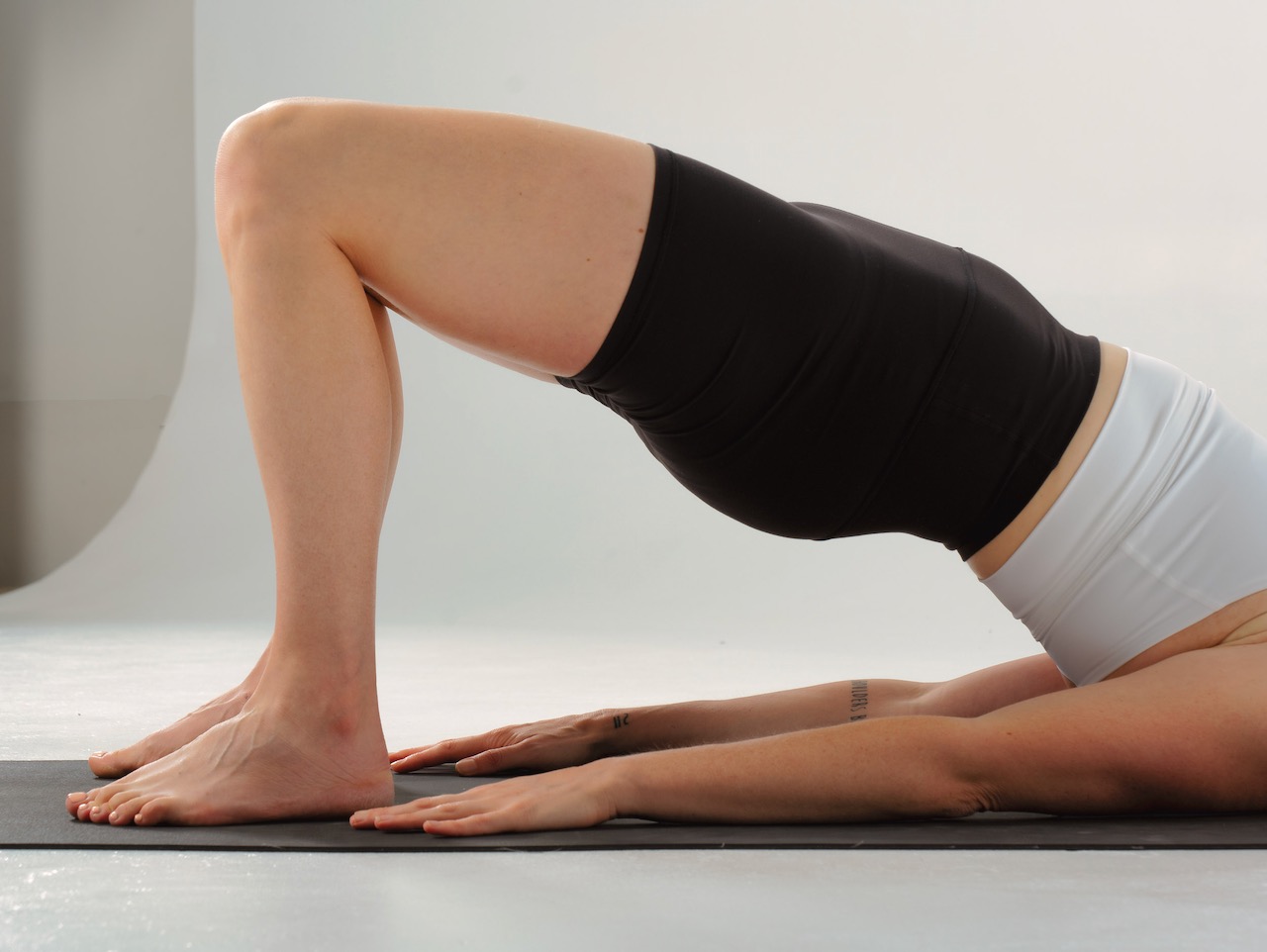
Image Source: themerrymakersisters.com
Deciphering the Ideal Yoga Time: Factors to Consider
Before diving into specific timeframes, it’s crucial to acknowledge the variables that shape your personal yoga duration. What works for one person might not suit another.
Your Personal Goals
- Stress Relief: If your primary aim is to unwind and de-stress, a shorter, restorative session might be more effective than a vigorous, long one.
- Fitness and Strength: For building strength and cardiovascular health, longer, more dynamic practices like Vinyasa are generally more beneficial.
- Flexibility: Consistent practice, regardless of length, is key for flexibility. Even a 15-minute stretching routine can yield results over time.
- Mindfulness and Meditation: If you’re focusing on mental clarity and presence, longer seated meditation or gentle yoga poses can be more impactful.
Your Energy Levels
Listen to your body. Some days you might feel energized and ready for an hour-long flow, while other days, a 20-minute session might be all you can manage. It’s better to have a shorter, consistent practice than to push yourself too hard and burn out.
The Type of Yoga Practiced
Different styles of yoga have different typical durations. For example:
- Restorative Yoga: Often longer, focusing on deep relaxation and holding poses for extended periods.
- Vinyasa Yoga: Typically faster-paced, linking breath with movement, and can range from 30 minutes to over an hour.
- Hatha Yoga: A more foundational style, often around 60 minutes, focusing on holding poses and breathwork.
- Bikram Yoga: A fixed 90-minute session in a heated room.
Your Schedule and Lifestyle
Let’s be realistic. A busy schedule might necessitate shorter, more frequent sessions rather than longer, less frequent ones. Consistency is more important than duration.
The Benefits of Different Yoga Durations
There’s no one-size-fits-all answer, but each yoga duration offers unique advantages.
Benefits of Short Yoga Sessions (10-30 Minutes)
Don’t underestimate the power of a short practice! Even 10-15 minutes of yoga can make a significant difference.
- Accessibility: Easily fits into busy schedules.
- Consistency: Easier to maintain a regular practice.
- Quick Energy Boost: A short flow can revitalize you during a midday slump.
- Mindful Break: Provides a much-needed mental reset.
- Targeted Relief: You can focus on specific areas, like back pain or tight hips.
- Yoga for Stress Relief Duration: Even 15-20 minutes of gentle poses and deep breathing can significantly reduce stress hormones.
- Beginner Yoga Session Length: For those new to yoga, starting with 15-20 minutes is less intimidating and allows them to gradually build stamina and familiarity with poses.
Table 1: Benefits of Short Yoga Sessions
| Duration | Primary Benefits | Best For |
|---|---|---|
| 10-15 mins | Quick energy, stress reduction, focus | Busy mornings, midday breaks, before bed |
| 15-20 mins | Improved flexibility, mindful movement, mood enhancement | Afternoon slump, after sitting for long periods, starting the day |
| 20-30 mins | Enhanced strength, deeper relaxation, improved circulation | Building a consistent habit, complementing other workouts, unwinding |
The Sweet Spot: Moderate Yoga Sessions (30-60 Minutes)
Many practitioners find that 30 to 60 minutes is the ideal yoga time, offering a comprehensive experience without being overly demanding.
- Balanced Practice: Allows for warm-up, peak poses, and cool-down.
- Deeper Exploration: Provides ample time to delve into specific poses, breathwork, and meditation.
- Full Body Engagement: Can address multiple muscle groups and energy channels.
- Improved Stamina: Helps build physical and mental endurance.
- Effective for Stress Relief: A 45-60 minute session dedicated to calming poses and breathwork can deeply soothe the nervous system.
- Vinyasa Yoga Class Length: A typical vinyasa yoga class length is often 60 minutes, allowing for a flowing sequence that builds heat and strength.
Table 2: Benefits of Moderate Yoga Sessions
| Duration | Primary Benefits | Best For |
|---|---|---|
| 30-45 mins | Strength building, flexibility, stress management | Regular practice, building consistency, post-work unwinding |
| 45-60 mins | Comprehensive workout, deep relaxation, mental clarity | Dedicated practice days, significant stress relief, fitness enhancement |
Extended Yoga Sessions (60+ Minutes)
Longer sessions are for those seeking a deeper immersion into their practice.
- Profound Relaxation: Especially beneficial for restorative yoga session length, allowing muscles to release deeply.
- In-depth Study: Enables exploration of advanced poses, pranayama, and meditation.
- Spiritual Connection: Can foster a deeper sense of mind-body connection and introspection.
- Intense Physical Conditioning: For advanced practitioners seeking a more rigorous workout.
Important Note: For beginners, longer sessions might be overwhelming. It’s advisable to start shorter and gradually increase duration as your body and mind adapt.
Recommended Yoga Practice Time for Different Needs
Let’s break down the recommended yoga practice time based on common goals.
Beginner Yoga Session Length: Getting Started Right
Question: What is a good beginner yoga session length?
Answer: A good beginner yoga session length is typically between 15 and 30 minutes. This allows newcomers to familiarize themselves with basic poses, breath control, and the general flow of a practice without feeling overwhelmed. Consistency is key for beginners, and a shorter, manageable session is more likely to be maintained.
When you’re just starting, focus on:
- Learning the Basics: Familiarize yourself with common yoga poses (asanas) and proper alignment.
- Connecting Breath and Movement: Learn to sync your breath with your physical actions.
- Listening to Your Body: Avoid pushing yourself into painful positions.
- Consistency Over Intensity: Aim for a few short sessions per week rather than one long, infrequent one.
Ideal First Steps:
- 15-20 Minute Gentle Flow: Focus on foundational poses like Mountain Pose, Downward-Facing Dog, Cat-Cow, and Child’s Pose.
- 20-30 Minute Beginner Hatha: Explore a wider range of poses with longer holds, emphasizing alignment and breath.
Yoga for Stress Relief Duration: Finding Your Calm
Question: What is the best yoga duration for stress relief?
Answer: For effective yoga for stress relief, sessions of 20 to 60 minutes are generally recommended. Shorter sessions (20-30 minutes) can offer a quick mental break and reduce immediate tension, while longer sessions (45-60 minutes) allow for deeper relaxation, longer holds in restorative poses, and more extensive breathwork (pranayama) and meditation, which are highly beneficial for chronic stress management.
Key elements for stress-relieving yoga include:
- Gentle Poses: Focus on poses that open the chest and hips, release tension in the shoulders and neck.
- Restorative Poses: Longer holds in supported poses like Supported Bridge Pose, Legs-Up-the-Wall, and Savasana (Corpse Pose) are crucial.
- Deep Breathing (Pranayama): Techniques like diaphragmatic breathing, alternate nostril breathing (Nadi Shodhana), and calming breaths can activate the parasympathetic nervous system.
- Mindfulness and Meditation: Incorporating a few minutes of silent meditation at the end of the practice can significantly enhance stress reduction.
Restorative Yoga Session Length: Embracing Stillness
Question: How long should a restorative yoga session be?
Answer: A restorative yoga session length typically ranges from 45 to 90 minutes. This longer duration is essential because the practice focuses on deep relaxation and healing, requiring poses to be held for extended periods (5-20 minutes or more) with ample support from props like bolsters, blankets, and blocks. This extended stillness allows the body’s nervous system to shift into a state of rest and repair.
Key features of restorative yoga include:
- Minimal Effort: Poses are designed to be effortless and comfortable.
- Prop Usage: Props are used to fully support the body, allowing for deep release without muscular engagement.
- Long Holds: Poses are held for significantly longer than in other yoga styles to promote relaxation and healing.
- Focus on Breath: Gentle, even breathing is encouraged to deepen the relaxation response.
Vinyasa Yoga Class Length: Flow and Energy
Question: What is the typical Vinyasa yoga class length?
Answer: The typical Vinyasa yoga class length is between 45 and 75 minutes. A 60-minute vinyasa yoga class length is very common in studios, providing enough time for a dynamic warm-up, a flowing sequence of poses linking breath to movement, peak poses, and a cool-down with Savasana. Shorter 45-minute classes might focus on a more condensed flow, while longer 75-minute classes can allow for more in-depth exploration of sequences and longer meditation.
What defines a Vinyasa practice’s duration:
- Dynamic Sequencing: The continuous flow between poses requires sustained energy.
- Breath Synchronization: The emphasis on moving with the breath contributes to the rhythm and duration.
- Builds Heat: The vigorous nature of Vinyasa often requires sufficient time to build internal heat and facilitate a thorough workout.
How Often to Do Yoga: Building a Consistent Rhythm
Question: How often should I do yoga?
Answer: How often to do yoga depends on your goals, energy levels, and lifestyle, but aiming for 3-5 times per week is generally recommended for noticeable benefits. Even short, daily sessions can be highly effective. Consistency is more crucial than the length of each session.
Here’s a guide:
- For General Well-being: 3-4 sessions per week, 30-60 minutes each.
- For Fitness & Strength: 4-5 sessions per week, 45-75 minutes each, incorporating more dynamic styles.
- For Stress Relief & Flexibility: 5-7 sessions per week, 20-45 minutes each, including restorative or gentle yoga.
- For Beginners: Start with 2-3 sessions per week, 15-30 minutes each, focusing on learning.
Remember to include rest days. Active recovery, like a gentle walk or a very short restorative session, is also beneficial.
Crafting Your Perfect Yoga Routine
Now that you have a better grasp of the factors and benefits, let’s talk about creating a yoga routine that truly serves you.
Creating a Personalized Schedule
- Assess Your Current State: How much time do you realistically have? What are your energy levels like at different times of the day?
- Identify Your Primary Goals: Are you seeking stress relief, increased flexibility, strength, or a combination?
- Experiment with Different Durations: Try a 20-minute session one day, a 45-minute session the next. See how you feel during and after.
- Choose Your Style: Select a yoga style that aligns with your goals and energy.
- Schedule It In: Treat your yoga practice like any other important appointment. Block out time in your calendar.
- Be Flexible: Life happens! If you miss a session, don’t beat yourself up. Just get back on your mat for your next scheduled practice.
Example Weekly Schedule (Moderate Fitness & Stress Relief Focus):
- Monday (Morning): 30-minute Vinyasa flow to energize the week.
- Tuesday (Evening): 45-minute Hatha yoga with a focus on calming poses and breathwork for stress relief.
- Wednesday (Midday): 15-minute stretching and mindfulness break at work.
- Thursday (Evening): 60-minute Restorative yoga for deep relaxation.
- Friday (Morning): 30-minute gentle flow to welcome the weekend.
- Saturday: Longer weekend practice (60-75 minutes) or active recovery.
- Sunday: Rest or light stretching.
The Role of Warm-up and Cool-down
Regardless of the total yoga duration, a proper warm-up and cool-down are essential for safety and effectiveness.
- Warm-up (5-10 minutes): Gentle movements to prepare your muscles and joints. This could include Cat-Cow, gentle twists, arm circles, and sun salutation A (Surya Namaskar A) variations.
- Cool-down (5-10 minutes): Calming poses to bring your heart rate down and allow your body to relax. This typically includes seated poses, gentle stretches, and Savasana.
Table 3: Essential Components of a Yoga Session
| Component | Purpose | Typical Duration | Examples |
|---|---|---|---|
| Warm-up | Prepare muscles, increase blood flow, prevent injury | 5-10 minutes | Cat-Cow, gentle twists, joint rotations, Sun Salutation A variations |
| Main Practice | Build strength, flexibility, endurance, focus, relaxation | Varies | Asanas (poses), breathwork (pranayama) |
| Cool-down | Lower heart rate, relax muscles, integrate practice | 5-10 minutes | Seated forward folds, hip openers, Savasana (Corpse Pose) |
Listening to Your Body: The Ultimate Guide
Ultimately, your body is your best teacher. Pay attention to how you feel:
- Before Practice: Are you feeling tired, energetic, or stressed?
- During Practice: Are you experiencing any pain? Are you able to maintain your breath?
- After Practice: Do you feel refreshed, energized, or overly fatigued?
Adjust your yoga session length and intensity based on these cues. It’s perfectly okay to modify your planned session if your body is asking for something different.
Frequently Asked Questions About Yoga Session Length
Q1: Can I do yoga every day?
A1: Yes, you can do yoga every day, but it’s important to listen to your body. If you’re engaging in a vigorous practice, a day of rest or a gentler, shorter session is advisable to allow for muscle recovery. Daily short sessions (15-20 minutes) of gentle yoga or stretching are generally very beneficial.
Q2: Is a 30-minute yoga session enough?
A2: For many people, a 30-minute yoga session is absolutely enough to reap significant benefits. It provides a good balance for building consistency, improving flexibility, reducing stress, and getting a moderate workout. For beginners, 30 minutes is an excellent starting point.
Q3: Should I do longer yoga sessions if I want to lose weight?
A3: While longer and more vigorous yoga sessions can contribute to calorie expenditure, consistency and intensity are more critical for weight loss than just duration. Combining regular, moderately intense yoga sessions (45-60 minutes) with a balanced diet is a more effective approach. Consider incorporating styles like Vinyasa or Power Yoga for greater calorie burn.
Q4: What if I only have 10 minutes for yoga?
A4: Even 10 minutes of yoga can be incredibly beneficial! Use this time for a quick energizing flow, a few minutes of deep breathing and stretching, or a brief meditation. Focus on a few key poses that address your immediate needs, such as relieving stiffness in your neck and shoulders or grounding yourself.
Q5: How long should a yoga session be for flexibility?
A5: To improve flexibility, consistent practice is key, and the duration can vary. Holding stretches for longer periods (30 seconds to a few minutes) within a 30-60 minute session can be very effective. Incorporating restorative yoga session length of 45-60 minutes can also aid deep tissue release and enhance flexibility over time. Even short, daily stretching routines can yield results.
Q6: What is the recommended yoga practice time for someone with a sedentary job?
A6: For individuals with sedentary jobs, it’s highly recommended to incorporate yoga to counteract the effects of prolonged sitting. Aim for at least 20-30 minutes of yoga daily or 3-4 times a week. Focus on poses that open the chest, hips, and release tension in the spine and shoulders. Even short 10-15 minute sessions throughout the day to stretch and move can make a significant difference.
Conclusion: Find Your Rhythm
Your perfect yoga session length is a dynamic concept, evolving with your needs, energy, and experience. Whether you have 15 minutes or 90, the most important aspect is to show up on your mat with intention and consistency. By listening to your body, understanding the benefits of different durations, and experimenting with what feels right, you’ll discover your ideal yoga time – a practice that nourishes your body, calms your mind, and supports your overall well-being. Embrace the journey, and let your yoga practice be a source of strength, balance, and peace.