
So, you’re wondering, “How many calories does hot yoga burn in 60 minutes?” The answer is, it varies, but typically you can expect to burn anywhere from 200 to 600 calories in a one-hour hot yoga class. This wide range depends on several factors, including the type of hot yoga, your personal metabolism, and the intensity of your effort during the class. Let’s dive deeper into what influences your hot yoga calorie burn.
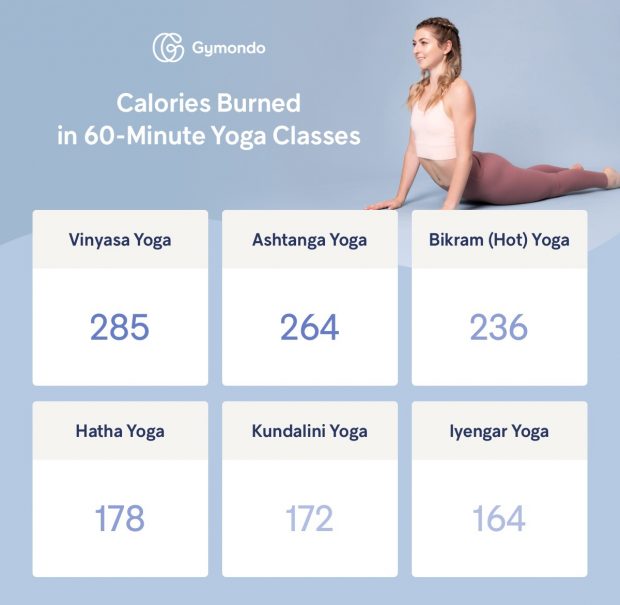
Image Source: www.gymondo.com
Deciphering Your Hot Yoga Calorie Burn
The appeal of hot yoga often lies in its promise of a vigorous workout and potential for significant calorie expenditure. But achieving that hot yoga fitness results is more nuanced than simply showing up to a heated room. Several elements contribute to your burn rate hot yoga, making a definitive number challenging to pin down without individual assessment.
The Spectrum of Heated Yoga Workouts
Not all hot yoga classes are created equal. The style of yoga practiced in a heated environment plays a crucial role in how many calories you burn. Some styles are more dynamic and physically demanding than others.
Bikram Yoga Calories: A Fixed Sequence, Variable Intensity
Bikram yoga is known for its set sequence of 26 postures and two breathing exercises, practiced in a room heated to 105°F (40.5°C) with 40% humidity. Because the sequence is always the same, the primary drivers of Bikram yoga calories burned are your personal effort and how you move through the poses.
- Consistency: The predictable nature of the Bikram sequence means that those who hold poses longer, engage muscles more deeply, and move mindfully between postures will burn more calories.
- Heat Factor: The intense heat can lead to increased heart rate and sweating, which some associate with higher calorie burn. However, the primary effect of the heat is to help with flexibility and detoxification through sweat. The actual metabolic calorie burn is still largely dictated by muscular exertion.
Vinyasa Hot Yoga Burn: Flowing to Faster Burn
Vinyasa hot yoga, often referred to as “hot Vinyasa,” is a much more fluid and dynamic practice. The heat is typically around 90-100°F (32-38°C), and the sequence of poses changes with each class and instructor. This variability can significantly impact your Vinyasa hot yoga burn.
- Dynamic Movement: The continuous flow between poses, often synchronized with breath, elevates the heart rate and engages a wider range of muscles. This makes it a more cardiovascularly demanding workout than a static Bikram practice.
- Pace and Creativity: Instructors can design classes that are faster-paced and more challenging, leading to a higher hot yoga calorie burn. The creative sequencing can also incorporate more strength-building elements.
Ashtanga Hot Yoga Calories: Strength, Stamina, and Sweat
Ashtanga yoga is a physically demanding style that follows a specific, progressive series of postures. When practiced in a heated room (often referred to as “Mysore style” when practiced individually with teacher assistance, or “led” when guided by an instructor), it can be a very efficient calorie-burning activity. The typical heat for Ashtanga is often around 80-90°F (27-32°C), but some studios may heat it higher.
- Strength and Endurance: Ashtanga requires significant strength and stamina to move through the sequences, holding poses and transitioning between them. This muscular engagement leads to a higher Ashtanga hot yoga calories expenditure.
- Repetitive Sequences: While sequences are progressive, the repetition within a given series builds muscular endurance and cardiovascular fitness, contributing to a robust calorie burn.
Power Yoga Calorie Estimate: An Intense, Unpredictable Burn
Power yoga is essentially a more athletic and fitness-oriented version of Vinyasa yoga. Practiced in a heated room, it amplifies the calorie-burning potential. The power yoga calorie estimate can be quite high due to its focus on strength, flexibility, and stamina.
- Athletic Focus: Power yoga classes often incorporate more challenging poses, inversions, and faster transitions, designed to build heat and strength.
- Variable Intensity: Like Vinyasa, the calorie burn in a power yoga class is highly dependent on the instructor’s sequencing and the participant’s effort. It’s common for these classes to feel like a vigorous cardio workout.
Factors Influencing Your Personal Hot Yoga Calorie Burn
Beyond the style of yoga, your individual characteristics and how you approach the practice significantly influence how many calories you burn in a calories burned yoga class.
Your Metabolism: The Internal Engine
Your basal metabolic rate (BMR) – the number of calories your body burns at rest – is a fundamental factor.
- Body Composition: Individuals with more lean muscle mass tend to have a higher BMR and therefore burn more calories, even at rest.
- Age and Gender: Metabolic rates generally decrease with age and can differ between genders.
- Genetics: Individual genetic makeup plays a role in how efficiently your body burns calories.
Weight and Body Mass: The Load You Carry
Your body weight is a direct influencer of calorie expenditure. A heavier individual will generally burn more calories performing the same activity as a lighter individual.
- Higher Weight, Higher Burn: If you weigh more, your body has to work harder to move and sustain poses, leading to a greater calorie burn.
Intensity and Effort: How Hard You Push
This is perhaps the most controllable factor for an individual.
- Active Participation: Actively engaging your muscles, holding poses with intention, and moving mindfully through transitions will burn more calories than passively going through the motions.
- Heart Rate: A higher heart rate during the class generally indicates a greater cardiovascular effort and, consequently, a higher calorie burn.
Environmental Factors: The Heat and Humidity
The heated environment itself plays a role, though not always in the way people assume.
- Increased Heart Rate: The heat can cause your heart rate to increase, mimicking some effects of aerobic exercise, which can contribute to calorie expenditure.
- Sweating and Hydration: While you will sweat profusely, this primarily aids in cooling your body and potentially eliminating toxins. The calories burned through sweating itself are minimal. The real calorie burn comes from the muscular effort. The heat’s main benefit for calorie burn is by allowing you to work harder and for longer periods due to increased flexibility and reduced muscle stiffness.
- Humidity: Higher humidity can make the heat feel more intense, potentially impacting your stamina.
Approximating Your Hot Yoga Weight Loss Potential
When considering hot yoga weight loss, it’s crucial to remember that calorie burn is just one piece of the puzzle. A sustainable weight loss strategy involves a caloric deficit, meaning you burn more calories than you consume.
- Caloric Deficit: To lose one pound of fat per week, you need to create a deficit of approximately 3,500 calories. If a hot yoga class burns 400 calories, you’d need to attend several classes a week and maintain a balanced diet to see significant weight loss.
- Muscle Building: Many hot yoga styles, particularly Ashtanga and power yoga, can help build lean muscle mass. Muscle is metabolically active, meaning it burns more calories at rest than fat. So, as you build muscle, your overall burn rate hot yoga and your resting metabolism can increase.
- Dietary Habits: The most significant impact on weight loss will come from your dietary choices. No amount of hot yoga can compensate for an unhealthy diet.
Comprehending the Science Behind Calorie Burn
Let’s look at the science that helps us estimate calorie expenditure during exercise.
Metabolic Equivalents (METs)
METs are a measure of how much energy an activity consumes compared to resting metabolism.
- Resting MET: 1 MET is equivalent to the energy used while sitting quietly.
- Activity MET: The higher the MET value, the more energy the activity requires. For example, vigorous aerobic dancing might have a MET value of 7-8, while a brisk walk might be 3-4.
-
Calculating Calories: The formula to estimate calorie burn using METs is:
Calories Burned per Minute = (MET value × body weight in kg × 3.5) / 200
-
Hot Yoga METs: Estimating METs for yoga is tricky due to the variability. General yoga, even in a heated room, might range from 2.0 to 5.0 METs, depending on the intensity. Dynamic styles like hot Vinyasa or power yoga would be at the higher end of this spectrum.
Heart Rate Monitoring
Your heart rate is a direct indicator of cardiovascular effort.
- Target Heart Rate Zones: For fat burning, many aim for 60-70% of their maximum heart rate (MHR). For cardiovascular improvement, 70-85% of MHR is often recommended.
- Wearable Technology: Fitness trackers and heart rate monitors can provide real-time data on your heart rate during a heated yoga workout calories session, allowing for a more personalized calorie burn estimate.
Fathoming the Numbers: A Calorie Burn Breakdown
Here’s a general idea of the calories burned yoga class might contribute, keeping in mind these are estimates.
Comparing Hot Yoga Styles
| Yoga Style | Typical Heat (°F / °C) | Estimated Calories Burned (per 60 mins) | Key Factors for Burn |
|---|---|---|---|
| Bikram Yoga | 105°F / 40.5°C | 200 – 400 | Fixed sequence, muscular engagement, holding poses |
| Vinyasa Hot Yoga | 90-100°F / 32-38°C | 300 – 500 | Flow, cardiovascular demand, dynamic movement |
| Ashtanga Hot Yoga | 80-90°F / 27-32°C | 350 – 550 | Strength, stamina, series progression, consistent effort |
| Power Yoga (Heated) | 85-100°F / 29-38°C | 400 – 600+ | Athleticism, challenging poses, high intensity, fast pace |
Note: These figures are for a 150-pound (approx. 68 kg) individual. Heavier individuals will burn more calories, and lighter individuals will burn fewer.
The Role of Hydration
Staying hydrated is crucial, especially in a hot environment.
- Pre-hydration: Drink plenty of water before class.
- During Class: Sip water as needed. Dehydration can impair performance and lead to overheating.
- Post-hydration: Replenish fluids after class. While sweat is a significant component of a hot yoga session, the calories you burn are from the muscular work, not the sweat itself.
Achieving Optimal Hot Yoga Fitness Results
To maximize your hot yoga fitness results and calorie burn, consider these strategies:
1. Choose Your Style Wisely
Select a class that aligns with your fitness goals. If calorie burn is a primary objective, opt for more dynamic styles like hot Vinyasa or power yoga.
2. Commit to Consistency
Regular practice is key to building strength, stamina, and improving your burn rate hot yoga. The more consistently you attend, the more your body will adapt and the more efficiently you will burn calories.
3. Engage Fully
Don’t just go through the motions. Focus on proper alignment, engage your core, and breathe deeply. The more mindful and intense your effort, the greater the calorie expenditure.
4. Listen to Your Body
While pushing yourself is important, it’s also vital to respect your body’s limits, especially in the heat. Overexertion can lead to injury or heat exhaustion.
5. Fuel and Recover Properly
Balanced nutrition and adequate rest are essential for muscle recovery and overall energy levels, which directly impact your ability to perform during heated yoga workout calories sessions.
Frequently Asked Questions About Hot Yoga Calorie Burn
Q1: Can hot yoga help with weight loss?
A1: Yes, hot yoga can contribute to weight loss as part of a comprehensive fitness and diet plan. It burns calories, builds muscle, and can help manage stress, which is often linked to weight gain. However, it’s not a magic bullet; consistent practice combined with a healthy diet is essential for significant hot yoga weight loss.
Q2: Is hot yoga a good cardio workout?
A2: Depending on the style and your effort, hot yoga can provide a significant cardiovascular challenge. Dynamic styles like hot Vinyasa and power yoga are particularly effective at raising your heart rate and improving cardiovascular health.
Q3: Why do I sweat so much in hot yoga? Does that mean I’m burning more calories?
A3: You sweat profusely in hot yoga because the heat and humidity trigger your body’s cooling mechanism. While sweating is a sign of exertion, the calories you burn are primarily from the muscular work and increased heart rate, not directly from the act of sweating itself. The heat allows you to sustain effort for longer periods and can increase your heart rate, thus contributing to a higher calorie burn.
Q4: How does the heat affect my calorie burn?
A4: The heat itself doesn’t drastically increase the number of calories your muscles burn per minute of contraction. However, it can increase your heart rate, similar to aerobic exercise, and may allow you to work harder or for longer durations due to increased flexibility and reduced muscle stiffness. This indirect effect can lead to a higher overall calorie burn during a heated yoga workout calories session.
Q5: What’s the difference in calorie burn between hot yoga and regular yoga?
A5: Generally, hot yoga tends to burn more calories than regular yoga. This is primarily because the heated environment encourages a more vigorous physical effort and can elevate your heart rate more significantly. The dynamic nature of many hot yoga styles also contributes to a higher energy expenditure compared to slower-paced, unheated yoga practices.
Q6: Are there any risks associated with hot yoga?
A6: Yes, due to the intense heat and humidity, there are potential risks such as dehydration, heat exhaustion, and dizziness, especially for those not accustomed to the environment or with pre-existing health conditions. It’s crucial to stay hydrated, listen to your body, and consult with a healthcare provider before starting hot yoga if you have any concerns.
In conclusion, while a precise number remains elusive due to individual variability, a 60-minute hot yoga class can indeed be a significant calorie-burning activity. By understanding the different styles, your personal contributing factors, and how to optimize your practice, you can effectively harness the power of hot yoga for your fitness journey.