
Do you want to get better at yoga? Yes, you can definitely improve your yoga practice by focusing on consistency, proper alignment, breathwork, and building strength and flexibility. This guide will provide you with comprehensive yoga practice tips to help you achieve your goals.
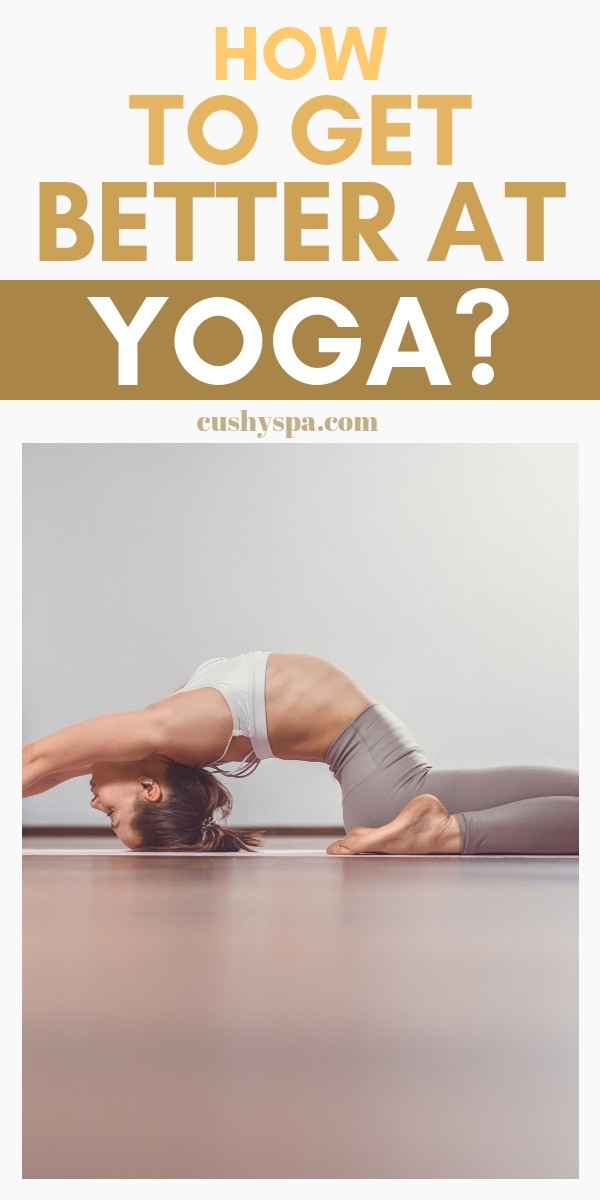
Image Source: www.cushyspa.com
Your Yoga Journey: A Path to Progress
Yoga is a journey, not a destination. Many people starting out wonder, “How do I get better at yoga?” The answer lies in consistent effort and a mindful approach. It’s about more than just holding poses; it’s about connecting your mind, body, and breath. Whether you’re a complete beginner or have been practicing for a while, there are always ways to deepen your practice and improve your yoga poses.
The Foundation: Consistency and Mindset
The most crucial element in improving your yoga is consistent yoga. Showing up on your mat regularly, even for short periods, yields far greater results than infrequent, intense sessions. Think of it like tending to a garden; small, regular efforts keep it thriving.
- Schedule Your Practice: Treat your yoga sessions like any other important appointment. Block out time in your calendar.
- Start Small: If a full hour feels overwhelming, begin with 15-20 minutes. The key is to build a habit.
- Be Patient: Progress in yoga is often gradual. Don’t get discouraged if you don’t see dramatic changes overnight. Celebrate small victories.
- Listen to Your Body: Pushing too hard can lead to injury. Learn to distinguish between healthy challenge and pain.
Decoding the Asanas: Improving Yoga Poses
Improving yoga poses involves several key components: alignment, strength, flexibility, and breath. Each plays a vital role in how effectively and safely you execute a posture.
The Art of Alignment: Why It Matters
Yoga alignment is fundamental. Proper alignment ensures you are engaging the correct muscles, protecting your joints, and maximizing the benefits of each pose. Misalignment can lead to strain or even injury, hindering your progress.
- Seek Guidance: Consider attending classes with experienced instructors who can offer personalized feedback on your alignment.
- Use Props: Blocks, straps, and blankets are not just for beginners. They can help you achieve proper alignment in poses you might otherwise struggle with. For example, a block under your hand in Triangle Pose can help you keep your chest open.
- Visual Cues: Many yoga resources offer detailed visual guides on correct alignment for various poses. Study these images and try to replicate them.
- Body Awareness: Cultivate a keen awareness of your body’s positioning. Where is your weight distributed? Are your muscles engaged?
Table 1: Common Alignment Pitfalls and Solutions
| Pose Category | Common Pitfall | Solution |
|---|---|---|
| Standing Poses (e.g., Warrior II) | Knees collapsing inward | Actively press the outer edge of your foot down; draw your thigh muscle up. |
| Forward Folds (e.g., Forward Fold) | Rounded back | Bend your knees generously; focus on hinging from the hips, not rounding the spine. |
| Backbends (e.g., Cobra Pose) | Sagging in the lower back | Engage your glutes and press your pubic bone down; lift from the chest. |
| Hip Openers (e.g., Pigeon Pose) | Uneven hips or knee discomfort | Use props (block under hip); don’t force the pose; modify as needed. |
Cultivating Yoga Flexibility: Stretching Deeper
Yoga flexibility is a common goal for many. It’s not just about touching your toes; it’s about creating space in your body and improving your range of motion.
- Warm-Up Adequately: Never stretch cold muscles. Begin your practice with gentle movements to prepare your body. Sun Salutations are excellent for warming up the entire body.
- Hold Stretches: For increased flexibility, hold static stretches for longer durations (30 seconds or more), breathing deeply into the sensation.
- Dynamic Stretching: Incorporate dynamic stretches, like fluid movements through poses, before static holds.
- Consistency is Key: Flexibility is built over time with regular practice. Don’t expect to become a contortionist in a week.
- Listen and Respect: Your body has its limits. If a stretch feels like sharp pain, back off. Pushing too hard can cause injury and set back your flexibility gains.
- Focus on Breath: Yoga breathwork is crucial for flexibility. Deep, slow breaths signal to your nervous system that it’s safe to relax and lengthen your muscles.
The Power of Yoga Strength Building: Holding Steady
While flexibility is important, yoga strength building is equally vital for a balanced practice. Holding poses requires muscular engagement.
- Engage Your Core: Your core is your powerhouse. Actively drawing your navel towards your spine will stabilize your body in almost every pose.
- Build Stamina: Holding poses for longer durations, especially weight-bearing ones like Plank or Warrior poses, builds muscular endurance.
- Incorporate Arm Balances and Inversions: Poses like Crow Pose or Downward-Facing Dog build significant upper body and core strength.
- Focus on Proper Form: Strength built with poor alignment is not sustainable. Prioritize correct form over the duration you can hold a pose.
- Vinyasa Flow: Moving through sequences (vinyasas) that link breath to movement, such as Chaturanga to Upward-Facing Dog, is excellent for building functional strength.
The Breath-Body Connection: Yoga Breathwork and Mindfulness
Yoga breathwork, or pranayama, is the life force of your practice. It’s not just about breathing; it’s about conscious, controlled breathing that influences your physical and mental state. Yoga mindfulness is about being present in each moment, observing your thoughts and sensations without judgment.
Mastering Pranayama: The Art of Breath
- Ujjayi Breath: Often called “ocean breath” or “victorious breath,” Ujjayi involves gently constricting the back of your throat to create a soft, audible sound. This breath is warming and helps to build focus.
- Dirga Pranayama (Three-Part Breath): This technique involves consciously filling the belly, then the rib cage, and finally the upper chest. It promotes deep relaxation.
- Nadi Shodhana (Alternate Nostril Breathing): This calming breathwork technique balances the left and right hemispheres of the brain.
How to practice Dirga Pranayama:
- Find a comfortable seated position.
- Place one hand on your belly and the other on your chest.
- Inhale deeply, feeling your belly expand, then your rib cage, then your chest.
- Exhale slowly, feeling your chest, rib cage, and belly soften.
- Repeat for several rounds, focusing on the smooth, continuous flow of breath.
Cultivating Yoga Mindfulness: Being Present
Yoga mindfulness is about observing your experience on the mat with curiosity and non-judgment.
- Notice Sensations: Pay attention to the physical sensations in your body as you move through poses. Where do you feel stretch? Where do you feel engagement?
- Observe Thoughts: Your mind will wander. When you notice thoughts, acknowledge them without getting carried away, and gently guide your attention back to your breath or the present pose.
- Let Go of Attachment: Try not to cling to the idea of how a pose “should” feel or look. Embrace what your body is capable of today.
- Use Your Breath as an Anchor: When your mind races, your breath is a constant anchor to the present moment.
Yoga for Beginners: Laying a Strong Foundation
Yoga for beginners should focus on establishing a solid understanding of fundamental poses and principles. Don’t be intimidated by complex poses you see online.
- Start with the Basics: Focus on foundational poses like Tadasana (Mountain Pose), Adho Mukha Svanasana (Downward-Facing Dog), Trikonasana (Triangle Pose), and Virabhadrasana II (Warrior II).
- Attend Beginner Classes: These classes are designed to introduce you to the basics in a supportive environment.
- Use Props Liberally: Blocks under your hands in forward folds, a strap to extend your reach in seated poses, or a blanket under your hips in Pigeon Pose are all excellent tools.
- Don’t Compare: Everyone’s body is different. Focus on your own progress and journey.
Advanced Techniques: Deepening Your Practice
As you grow more comfortable, you can explore techniques to deepen your practice.
Advanced Yoga Flexibility
- Deep Holds: Holding poses for longer durations, especially in restorative or yin yoga, can promote deeper muscle lengthening.
- Partner Yoga: Working with a partner can help you achieve deeper stretches safely, with mutual support.
- Advanced Poses: Exploring poses that require greater mobility, like Eka Pada Rajakapotasana (One-Legged King Pigeon Pose) or variations of backbends, will naturally increase flexibility.
Advanced Yoga Strength Building
- Arm Balances and Inversions: Mastering poses like Handstand (Adho Mukha Vrksasana) or Headstand (Sirsasana) requires significant strength and balance.
- Challenging Transitions: Fluidly moving between poses, like a controlled jump back from Chaturanga to Plank, builds dynamic strength.
- Longer Holds in Strength Poses: Holding Plank, Chaturanga, or Warrior poses for extended periods can dramatically increase strength.
Incorporating Yoga Meditation
Yoga meditation is an integral part of yoga. It’s the practice of quieting the mind and achieving a state of mental clarity and stillness.
- Savasana (Corpse Pose): This final resting pose is crucial for integrating the benefits of your practice. Lie down, relax your body, and allow your mind to settle.
- Guided Meditations: Many yoga classes incorporate a short guided meditation at the beginning or end.
- Dhyana (Concentration): Focus on a single point, such as your breath, a mantra, or an object, to train your mind to focus.
Common Questions About Improving Your Yoga Practice
How often should I practice yoga?
For significant improvement, aim for at least 3-5 times per week. Even 15-20 minutes daily can make a difference. Consistency is more important than duration.
How long does it take to see results in yoga?
Results vary from person to person. You might notice increased flexibility and reduced stress within a few weeks of consistent practice. Deeper strength and more complex poses can take months or even years to develop.
Is it okay to feel sore after yoga?
Mild soreness is normal, especially when trying new poses or increasing intensity. However, sharp or persistent pain is a sign to stop and rest.
What if I can’t do a pose?
That’s completely normal! Yoga is not about perfection. Use props, modify poses, or simply rest in Child’s Pose. The key is to listen to your body and adapt.
How important is yoga breathwork?
Yoga breathwork is fundamental. It calms the nervous system, increases focus, and is essential for moving safely and effectively through poses. It’s the engine of your practice.
Can I improve my yoga poses without a teacher?
Yes, you can improve significantly with self-study, using reliable online resources, books, and videos that focus on proper alignment. However, guidance from a qualified instructor is invaluable, especially when starting out or working on challenging poses.
How can I increase my yoga flexibility safely?
Increase flexibility gradually by holding stretches longer, warming up properly, and listening to your body to avoid injury. Consistent practice is key.
What are the best yoga practice tips for a busy schedule?
Break your practice into shorter sessions. Even 10-15 minutes of mindful movement or breathwork can be beneficial. Prioritize consistency over long, infrequent sessions.
Conclusion: Embarking on a Path of Growth
Mastering poses and improving your yoga practice is a continuous, rewarding process. By prioritizing consistent yoga, focusing on yoga alignment, cultivating yoga flexibility and yoga strength building, and integrating yoga breathwork and yoga mindfulness, you will undoubtedly see progress. Remember that yoga for beginners is just the start of a lifelong journey of discovery and growth. Embrace the process, be kind to yourself, and enjoy the transformative power of yoga.