Can you make a living as a fitness model? Yes, you can build a successful career as a fitness model, but it requires dedication, a specific physique, and a strategic approach. Becoming a fitness model is more than just having a great body; it’s about embodying a healthy lifestyle, possessing a marketable look, and knowing how to present yourself effectively. This comprehensive guide will walk you through every step, from building your physique to landing your first major gig.
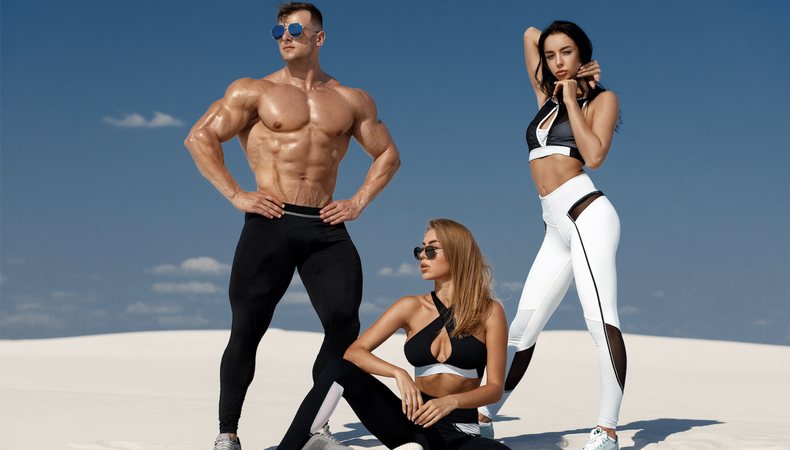
Image Source: d26oc3sg82pgk3.cloudfront.net
Defining the Fitness Model Physique
What is a fitness model physique? The ideal fitness model physique is characterized by lean muscle definition, low body fat percentage, and a balanced, athletic build. It’s not about being overly bulky like a bodybuilder, but rather showcasing a toned, healthy, and aesthetically pleasing body that represents vitality and strength. This often means visible abdominal muscles, well-defined arms and legs, and a generally fit and healthy appearance.
Key Attributes of a Fitness Model Physique:
- Lean Muscle Mass: Enough muscle to look toned and strong, but not so much that it appears extreme.
- Low Body Fat: Typically in the single digits for men and low teens for women, allowing muscle definition to be clearly visible.
- Symmetry and Proportion: A balanced look with evenly developed muscle groups.
- Healthy Skin and Hair: Presenting a vibrant and well-cared-for appearance.
- Good Posture: Standing tall and confidently.
Essential Fitness Model Requirements
What are the basic fitness model requirements? Beyond the physical attributes, there are several key requirements to consider. These include a healthy lifestyle, discipline, presentation skills, and the ability to connect with an audience. You’ll need to be comfortable in front of the camera and willing to put in the consistent effort required to maintain your physique and pursue opportunities.
Core Fitness Model Requirements:
- Dedication to Health and Fitness: A genuine commitment to a healthy lifestyle that includes regular exercise and a nutritious diet.
- Discipline and Consistency: The ability to stick to rigorous training and diet plans over the long term.
- Professionalism: Punctuality, reliability, and a positive attitude on set or at events.
- Photogenic Qualities: A face and body that photograph well.
- Adaptability: Willingness to work with different clients, photographers, and styles.
- Good Communication Skills: The ability to interact effectively with agents, clients, and photographers.
Crafting Your Fitness Model Workout Routine
How do you build a fitness model workout routine? A fitness model workout routine is designed to build lean muscle, reduce body fat, and create that sought-after aesthetic. It typically involves a combination of strength training, cardiovascular exercise, and flexibility work. The key is consistency and progressive overload to continually challenge your body.
Sample Fitness Model Workout Routine (Example):
This is a general template and should be adjusted based on individual needs, goals, and experience levels.
Monday: Upper Body (Push Focus)
- Warm-up: 5-10 minutes of light cardio (jogging, jumping jacks) and dynamic stretching (arm circles, torso twists).
- Bench Press: 3 sets of 8-12 repetitions
- Incline Dumbbell Press: 3 sets of 10-12 repetitions
- Overhead Press (Barbell or Dumbbell): 3 sets of 8-10 repetitions
- Lateral Raises: 3 sets of 12-15 repetitions
- Triceps Pushdowns: 3 sets of 10-12 repetitions
- Overhead Triceps Extensions: 3 sets of 12-15 repetitions
- Cool-down: Static stretching for chest, shoulders, and triceps.
Tuesday: Lower Body & Abs
- Warm-up: 5-10 minutes of light cardio and dynamic stretching (leg swings, hip circles).
- Squats (Barbell or Goblet): 3 sets of 8-12 repetitions
- Deadlifts (Conventional or Romanian): 3 sets of 6-10 repetitions (focus on form)
- Lunges (Walking or Stationary): 3 sets of 10-12 repetitions per leg
- Leg Press: 3 sets of 10-15 repetitions
- Calf Raises: 3 sets of 15-20 repetitions
- Crunches: 3 sets of 15-20 repetitions
- Plank: 3 sets, hold for 30-60 seconds
- Leg Raises: 3 sets of 15-20 repetitions
- Cool-down: Static stretching for quads, hamstrings, glutes, and calves.
Wednesday: Active Recovery or Light Cardio
- Light cardio (brisk walking, cycling, swimming) for 30-45 minutes.
- Yoga or stretching for flexibility and recovery.
Thursday: Upper Body (Pull Focus)
- Warm-up: 5-10 minutes of light cardio and dynamic stretching.
- Pull-ups or Lat Pulldowns: 3 sets of 8-12 repetitions
- Barbell Rows: 3 sets of 8-10 repetitions
- Seated Cable Rows: 3 sets of 10-12 repetitions
- Bicep Curls (Dumbbell or Barbell): 3 sets of 10-12 repetitions
- Hammer Curls: 3 sets of 12-15 repetitions
- Face Pulls: 3 sets of 15-20 repetitions (for shoulder health)
- Cool-down: Static stretching for back, biceps, and shoulders.
Friday: Full Body Circuit or Cardio
- Option 1 (Circuit): Perform exercises like kettlebell swings, burpees, mountain climbers, jump squats, and push-ups for 3-4 rounds with minimal rest between exercises.
- Option 2 (Cardio): High-intensity interval training (HIIT) for 20-30 minutes on a treadmill, bike, or elliptical.
- Cool-down: Full body stretching.
Saturday & Sunday: Rest or Light Activity
- Allow your body to recover. Light walks or stretching are fine if you feel the need to move.
Cardiovascular Training:
- Frequency: 3-5 times per week.
- Duration: 20-45 minutes.
- Types: Steady-state cardio (jogging, cycling) and HIIT can be incorporated. HIIT is particularly effective for fat loss while preserving muscle.
Flexibility and Mobility:
- Frequency: Daily or after every workout.
- Importance: Crucial for injury prevention, improving range of motion, and enhancing posing capabilities. Include dynamic stretching before workouts and static stretching after.
Navigating the Fitness Model Diet
What is a fitness model diet? A fitness model diet is meticulously planned to support muscle growth, optimize body composition, and provide sustained energy. It focuses on whole, unprocessed foods, adequate protein intake, healthy fats, and complex carbohydrates. Hydration is also paramount.
Principles of a Fitness Model Diet:
- Calorie Management: Consuming enough calories to fuel workouts and recovery, while maintaining a slight deficit for fat loss if needed.
- Protein Intake: High protein intake is crucial for muscle repair and growth. Aim for 0.8-1 gram of protein per pound of body weight.
- Complex Carbohydrates: These provide sustained energy. Focus on sources like oats, brown rice, quinoa, sweet potatoes, and vegetables.
- Healthy Fats: Essential for hormone production and overall health. Include sources like avocados, nuts, seeds, and olive oil.
- Micronutrients: Plenty of fruits and vegetables to ensure adequate vitamin and mineral intake.
- Hydration: Drinking ample water throughout the day (e.g., 1 gallon or more).
- Meal Timing: Some fitness models strategically time their meals around workouts to maximize nutrient absorption and energy levels.
Sample Fitness Model Meal Plan (General):
This is a sample and can be customized.
| Meal | Example Foods |
|---|---|
| Breakfast | Oatmeal with berries, nuts, and a scoop of whey protein; or Eggs with spinach and avocado. |
| Mid-Morning Snack | Greek yogurt with a handful of almonds; or a protein shake. |
| Lunch | Grilled chicken or fish with quinoa and a large mixed green salad. |
| Pre-Workout Snack | Banana or a small rice cake with peanut butter. |
| Post-Workout Meal | Lean protein (chicken breast, lean beef, or fish) with sweet potato or brown rice and steamed vegetables. |
| Dinner | Baked salmon or turkey with roasted vegetables (broccoli, asparagus). |
| Evening Snack (Optional) | Cottage cheese or casein protein shake. |
Important Considerations:
- Consistency: Adhering to the diet most of the time is key.
- Flexibility: Allowing for occasional treats can help with sustainability and prevent feelings of deprivation.
- Professional Guidance: Consulting with a registered dietitian or nutritionist can be highly beneficial for personalized advice.
Mastering Fitness Model Posing Tips
How do you master fitness model posing? Posing is an art form that showcases your physique, musculature, and the overall result of your hard work. It requires practice, understanding your best angles, and conveying confidence and personality.
Key Fitness Model Posing Tips:
- Know Your Angles: Experiment in front of a mirror or camera to discover which poses best highlight your strengths.
- Engage Your Core: Always keep your abdominal muscles tight to flatten your stomach and accentuate your abs.
- Pose with Confidence: Own your look. Project self-assurance through your expression and posture.
- Muscle Engagement: Flex the muscles you want to emphasize in a particular pose. Don’t just stand there; actively work the muscles.
- Breathe! Holding your breath can make you look strained. Breathe naturally and try to time your exhales with key muscle flexes.
- Facial Expression: Smile, look confident, or convey intensity depending on the shoot’s concept.
- Practice Common Poses:
- Front Double Biceps: Hands by your sides, fists clenched, biceps flexed forward.
- Side Chest: Turn to the side, front leg bent, chest muscles flexed.
- Back Double Biceps: Turn your back to the camera, hands behind your back, fists clenched, biceps flexed.
- Most Muscular: A classic pose showcasing overall size and definition.
- Abdominal Pose: Pose in a way that highlights your midsection.
- Work with the Photographer: Listen to their direction and be open to trying different variations.
Building Your Fitness Model Portfolio
What goes into a fitness model portfolio? Your fitness model portfolio is your visual resume. It needs to showcase your physique, versatility, and ability to connect with the camera. High-quality images are essential.
Components of a Strong Fitness Model Portfolio:
- High-Quality Photography: Invest in professional shoots with photographers experienced in fitness.
- Variety of Looks: Include shots that show you training, posing, and in lifestyle settings.
- Showcase Your Physique: Include clear shots that highlight your muscle definition and symmetry.
- Different Poses: Demonstrate your ability to execute various poses effectively.
- Headshots: Clear, engaging shots of your face.
- Full-Body Shots: Show your entire physique from different angles.
- Action Shots: Photos of you performing exercises can add dynamism.
- Professional Presentation: Organize your portfolio neatly (either digitally or in a physical book). For digital portfolios, use a clean, easy-to-navigate website or a professional online platform.
- Include Variety of Attire: Swimwear, athletic wear, and potentially casual wear.
How to Get Discovered as a Fitness Model
How do you get discovered as a fitness model? Getting discovered involves a multi-pronged approach: building your online presence, networking, and actively seeking opportunities.
Strategies for Getting Discovered:
- Build a Strong Online Presence:
- Instagram: This is a primary platform for fitness models. Post high-quality photos and videos regularly, engage with followers, and use relevant hashtags (#fitnessmodel, #bodybuilding, #gymlife, #fitnessphotography, etc.).
- Other Social Media: Facebook, TikTok, and YouTube can also be valuable.
- Network:
- Attend Fitness Events: Trade shows, competitions, and expos are great places to meet industry professionals.
- Connect with Photographers: Collaborate with photographers who specialize in fitness. This is often how new models get their initial portfolio shots.
- Engage with Brands: Comment on and interact with fitness apparel and supplement brands online.
- Enter Fitness Model Competitions: Winning or placing well in competitions can bring you significant exposure.
- Submit to Publications and Websites: Many fitness magazines and websites feature new talent.
- Work with Agencies: If your portfolio and online presence are strong, consider approaching fitness model agencies.
Exploring Fitness Model Agencies
Should I work with fitness model agencies? Working with agencies can significantly boost your career by providing access to more clients and better-paying jobs. They handle negotiations, bookings, and can guide your career path.
Working with Fitness Model Agencies:
- Research Agencies: Look for agencies that specialize in fitness, sports, or lifestyle modeling.
- Prepare Your Submission: This typically includes your portfolio (digitals and professional shots), your resume (including stats like height, weight, measurements), and your contact information.
- Follow Submission Guidelines: Each agency will have specific requirements for submissions. Adhere to them strictly.
- Be Patient: The modeling industry is competitive, and it may take time to get a response.
- Understand Contracts: Before signing with an agency, read the contract carefully and ensure you understand the terms, commission rates, and duration.
- Stay Proactive: Even with an agency, it’s important to maintain your online presence and continue to network.
The Fitness Model Career Path
What is the typical fitness model career path? The fitness model career path can be diverse and rewarding. It’s not just about magazine covers; it extends to various forms of media and brand partnerships.
Stages and Opportunities in a Fitness Model Career:
-
Building the Foundation:
- Developing a consistent training and diet regimen.
- Creating a strong portfolio.
- Establishing an online presence.
- Networking and seeking initial collaborations.
-
Gaining Experience:
- Working with local photographers and brands.
- Participating in smaller fitness events or competitions.
- Securing representation with an agency.
- Booking print ads for smaller fitness companies.
-
Growth and Recognition:
- Appearing in national fitness magazines.
- Working with larger fitness apparel, supplement, and equipment brands.
- Gaining followers and influence online.
- Potentially featuring in commercials or fitness-related video content.
-
Diversification and Longevity:
- Brand Ambassadorships: Long-term partnerships with brands.
- Endorsements: Promoting products you genuinely use and believe in.
- Social Media Influencing: Leveraging your platform to create sponsored content.
- Coaching/Training: Sharing your expertise by offering fitness advice or personal training.
- Fitness Product Development: Collaborating on workout programs or product lines.
- Speaking Engagements: Sharing your journey and motivational insights.
- Transitioning to other areas: Some fitness models move into acting or other areas of the entertainment industry.
Fitness Model Competition: Stepping Stones to Success
What are fitness model competitions? Fitness model competitions are events where individuals are judged on their physique, presentation, and overall athleticism. They are an excellent way to gain experience, exposure, and credibility.
Participating in Fitness Model Competitions:
- Research Competitions: Look for reputable organizations and events that align with your goals (e.g., NPC, WBFF, Fitness Universe).
- Understand the Categories: Competitions often have different categories based on physique, age, and experience level.
- Prepare Your Posing Routine: Many competitions require a short posing routine to music.
- Dial In Your Physique: This means being in peak physical condition for the competition date.
- Tanning and Grooming: Professional tanning and meticulous grooming are essential for stage presentation.
- Gain Experience: Even if you don’t win, the experience of competing is invaluable. It teaches you stage presence, how to handle nerves, and provides feedback on your physique.
Frequently Asked Questions (FAQ)
Q1: Do I need to be extremely muscular to be a fitness model?
A1: Not necessarily. While a toned physique is essential, fitness modeling often seeks a more accessible, athletic look rather than extreme bodybuilding size. The “look” can vary depending on the client and the specific niche within fitness modeling.
Q2: How much can a fitness model earn?
A2: Earnings vary greatly depending on experience, reputation, the type of work (print, commercial, social media), and the brands involved. Top fitness models can earn a substantial income, while beginners may start with modest rates.
Q3: Can I become a fitness model if I’m over 40?
A3: Absolutely! The fitness industry is increasingly inclusive. There are many opportunities for models of all ages who maintain a healthy and fit lifestyle. Focus on showcasing your vitality and commitment to wellness.
Q4: How long does it take to develop a fitness model physique?
A4: This depends on your starting point, genetics, and the consistency of your training and diet. For significant transformations, it can take months to years of dedicated effort.
Q5: Should I use supplements?
A5: Many fitness models use supplements like whey protein, BCAAs, and creatine to support their training and recovery. However, they are not a substitute for a solid diet and consistent training. Consult with a professional before starting any supplement regimen.
Q6: What if I’m not a natural poser?
A6: Posing is a skill that can be learned and honed through practice. Watch videos, study other models, work with photographers, and practice regularly. Confidence and practice will significantly improve your posing abilities.
Becoming a fitness model is a journey that requires a holistic approach. It’s about more than just a great body; it’s about a lifestyle, a professional attitude, and the ability to present yourself effectively. By focusing on your training, nutrition, portfolio development, and networking, you can pave your way to a successful career in this exciting industry.