
The question “How much does a yoga teacher make?” is a common one for aspiring instructors and seasoned practitioners alike. Generally, a yoga teacher’s income can range significantly, from a few hundred dollars a month to well over six figures annually, depending on various factors like experience, location, and the types of classes they teach.
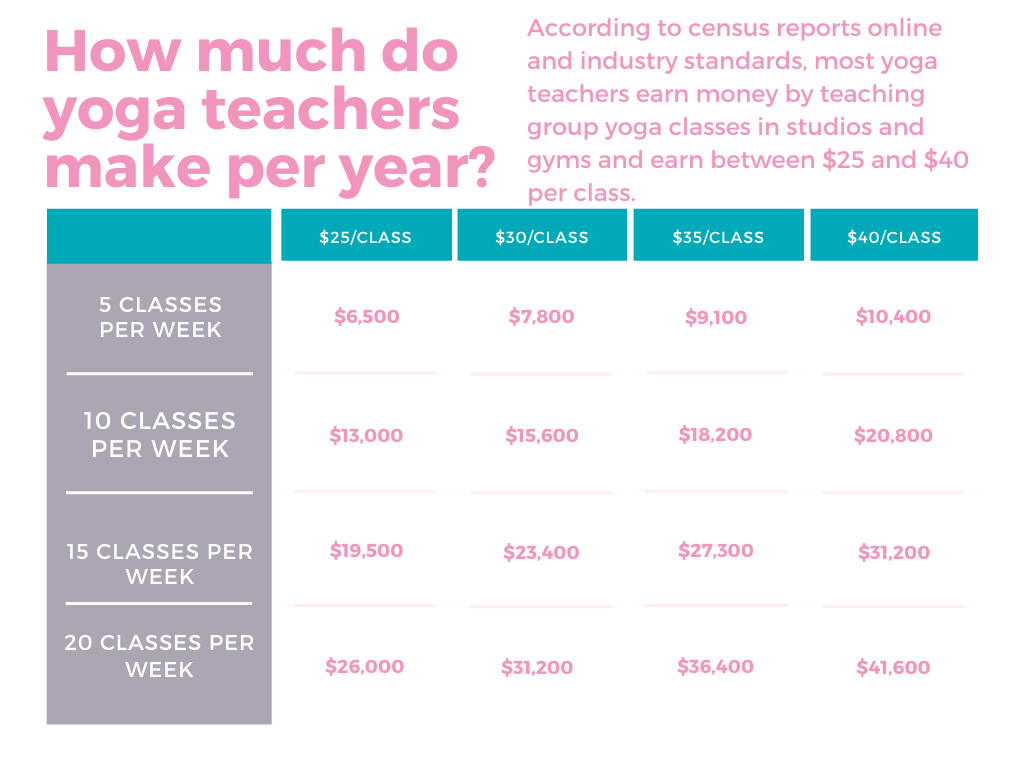
Image Source: www.brettlarkin.com
Deciphering Yoga Teacher Earnings: A Comprehensive Look
The journey to becoming a yoga teacher is often paved with passion and a deep desire to share the transformative power of yoga. However, turning this passion into a sustainable career requires a realistic grasp of the financial landscape. This guide aims to illuminate the various income streams available to yoga teachers and the factors that influence their yoga instructor salary. We’ll explore average yoga teacher pay, yoga class rates, yoga studio compensation, and the potential for yoga teacher income potential.
Factors Shaping Your Yoga Teaching Income
Several elements contribute to how much a yoga teacher can earn. It’s not a one-size-fits-all scenario. Here are the key drivers:
- Experience and Expertise: Like any profession, more experienced yoga teachers with a proven track record and specialized skills often command higher rates. This includes advanced certifications, years of teaching, and a strong reputation within the community.
- Location: Cost of living and the demand for yoga services vary greatly by region. Major metropolitan areas with a higher cost of living and a robust wellness industry typically offer higher pay rates compared to smaller towns or rural areas.
- Type of Teaching Environment: Where you teach significantly impacts your earnings. Teaching at a high-end boutique studio might offer different compensation than a community center or a corporate wellness program.
- Number of Classes Taught: Your income is directly proportional to the hours you dedicate to teaching. A teacher with a full schedule will naturally earn more than one teaching only a few classes per week.
- Additional Services: Offering workshops, retreats, teacher training, private sessions, or online courses can dramatically boost a yoga teacher’s income, diversifying their revenue streams beyond regular class fees.
- Business Acumen: For freelance yoga teachers, marketing skills, client management, and the ability to build a personal brand play a crucial role in their earning potential.
The Breadth of Yoga Teacher Pay: From Entry-Level to Experienced
Let’s dive into the specifics of yoga teacher income potential across different scenarios.
1. Studio Employment: Base Pay and Benefits
Many yoga teachers begin their careers by teaching at established yoga studios. The compensation structure here can vary.
- Per-Class Rate: This is the most common model. Teachers are paid a fixed amount for each class they lead.
- Entry-Level: A newly certified yoga teacher might earn between $15 to $30 per class.
- Mid-Level (2-5 years experience): The rate can increase to $30 to $50 per class.
- Experienced/Specialized: Highly sought-after teachers or those with niche specializations could earn $50 to $100+ per class.
- Hourly Wage: Some studios might offer an hourly wage, especially for teachers who also assist with administrative tasks or lead longer sessions. This might range from $20 to $40 per hour.
- Commission-Based: A less common model, where teachers receive a percentage of the revenue generated by their classes, often tied to student attendance.
Table 1: Estimated Per-Class Rates at Yoga Studios
| Experience Level | Estimated Per-Class Rate (USD) |
|---|---|
| Entry-Level | $15 – $30 |
| 2-5 Years Experience | $30 – $50 |
| 5+ Years Experience | $50 – $100+ |
Yoga Studio Compensation structures are often a blend of these, sometimes with a base rate plus bonuses for high attendance or a small percentage of the class revenue. It’s vital to negotiate terms clearly before committing to teaching at a studio.
2. Freelance Yoga Teaching: Building Your Own Brand
The freelance yoga teacher pay model offers more autonomy but also requires more entrepreneurial effort. Freelancers often set their own yoga class rates and manage their own client base.
- Private Yoga Sessions: This is a lucrative avenue for many.
- Rates: Private yoga rates can range from $60 to $150 per hour, with some highly specialized instructors charging even more. This rate often reflects the personalized attention and tailored program provided to the client. Factors influencing these rates include the teacher’s experience, the client’s location, and the duration of the session.
- Benefits: Offering private sessions allows teachers to build deeper relationships with clients, understand their specific needs, and create highly effective practice plans. This can lead to greater client retention and word-of-mouth referrals.
- Corporate Yoga: Many companies offer yoga classes as part of their employee wellness programs.
- Rates: Corporate classes might be priced per session, often ranging from $100 to $300 per hour-long class, depending on the company’s size, location, and the teacher’s experience.
- Online Yoga Classes: With the rise of digital platforms, teaching online has become a significant income stream.
- Models: This can involve selling pre-recorded courses, offering live-streamed classes (often on a subscription or drop-in basis), or providing one-on-one virtual coaching.
- Earning Potential: Earnings can be highly variable, from a few dollars per student for a live class to thousands for a comprehensive online course.
3. Yoga Franchises and Large Studios
Yoga franchise income and earnings from large, established yoga studios can differ from smaller, independent studios.
- Franchise Models: Many yoga franchises operate with a standardized pay structure for their instructors. While this can offer consistency, it may also limit individual negotiation power. Teachers might receive a per-class rate, which could be competitive but also subject to the franchise’s overall business model and profit margins.
- Large Studios: Larger studios often have a higher volume of students, which can translate to more classes for teachers and potentially higher overall earnings, even if individual class rates are comparable to smaller studios. They may also offer more structured professional development and opportunities for advancement, such as becoming a lead instructor or studio manager.
4. Workshops, Retreats, and Teacher Trainings
These specialized offerings are where many yoga teachers significantly increase their yoga career earnings.
- Workshops: These are typically 2-3 hour sessions focusing on a specific aspect of yoga (e.g., inversions, arm balances, meditation).
- Rates: Teachers can charge anywhere from $30 to $75+ per attendee, depending on the workshop’s length, topic, and the teacher’s reputation. A workshop with 20 attendees at $50 each would generate $1000 in revenue.
- Retreats: These are immersive experiences, often lasting several days, and can be highly profitable.
- Pricing: Retreats are usually priced as a package per person, covering accommodation, food, and yoga instruction. A 3-day retreat might cost $500-$1500+ per person. If a teacher hosts a retreat with 15 attendees at $800 each, the total revenue is $12,000. After deducting expenses (venue, food, marketing), the profit can be substantial.
- Yoga Teacher Training (YTT): Leading or co-leading a Yoga Alliance-certified 200-hour or 300-hour teacher training program is a significant income generator.
- Pricing: YTT programs typically cost between $2,500 and $4,000 per student. A training with 10 students at $3,000 each generates $30,000 in revenue.
Yoga Teacher Benefits: More Than Just Monetary Rewards
While salary is a primary concern, it’s important to consider the broader spectrum of yoga teacher benefits, both tangible and intangible.
- Tangible Benefits:
- Free or Discounted Yoga Classes: Most studios offer their instructors unlimited access to classes, which is a significant perk for maintaining one’s own practice.
- Discounts on Retail: Yoga studios often offer discounts on yoga apparel, mats, and accessories.
- Health Insurance: This is rare for freelance or part-time studio instructors. Employees of larger studios or corporate wellness programs might have access to some benefits, but it’s not the norm.
- Retirement Contributions: Similar to health insurance, employer-sponsored retirement plans are uncommon in the yoga industry, especially for independent contractors.
- Intangible Benefits:
- Community Building: Yoga studios often foster a strong sense of community, and teachers are integral to this.
- Personal Growth: Teaching yoga is a continuous learning process, fostering self-awareness, empathy, and leadership skills.
- Flexibility: While not always the case, many yoga teaching positions offer flexible schedules, allowing for a better work-life balance.
- Meaningful Work: The ability to positively impact people’s physical and mental well-being is a profound reward.
Maximizing Your Yoga Teacher Income Potential
To truly thrive as a yoga teacher financially, consider these strategies:
- Diversify Your Teaching Venues: Don’t rely on just one studio. Teach at multiple studios, offer corporate classes, and develop an online presence.
- Specialize and Get Certified: Advanced certifications in specific styles (e.g., Ashtanga, Iyengar, prenatal, restorative) or therapeutic yoga can make you a more attractive and higher-paid instructor.
- Develop a Strong Personal Brand: Create a professional website, use social media effectively, and cultivate relationships with students and other wellness professionals.
- Offer Private Sessions: Private yoga rates are significantly higher than group class rates. Actively market your private coaching services.
- Host Workshops and Retreats: These events are excellent for generating substantial income and increasing your visibility.
- Create Online Content: Develop online courses, e-books, or subscription-based platforms to reach a wider audience and create passive income streams.
- Build Relationships: Networking with studio owners, fellow teachers, and students can lead to more teaching opportunities and collaborations.
- Manage Your Finances Wisely: As a freelancer, you are responsible for your own taxes, savings, and investments. Treat your yoga teaching as a business.
The Full Picture: Average Yoga Teacher Pay and Career Longevity
The average yoga teacher pay can be difficult to pinpoint precisely due to the diverse nature of the work. However, most sources suggest that a full-time yoga teacher, actively teaching 15-20 classes per week and supplementing with workshops or private sessions, might earn anywhere from $30,000 to $70,000 per year in the United States. This can be higher in competitive markets or for those with established reputations and diverse income streams.
For many, yoga teaching is not just a job but a vocation. While the initial yoga instructor salary might seem modest, the yoga teacher income potential grows with experience, specialization, and entrepreneurial spirit. The ability to impact lives positively makes it a rewarding career, and with smart planning, it can be a financially sustainable one.
Frequently Asked Questions (FAQ)
Q1: What is the typical starting salary for a yoga teacher?
A1: The typical starting salary for a yoga teacher, especially one just beginning and teaching per class, might be around $15-$30 per class. This can translate to a monthly income of a few hundred to a couple of thousand dollars, depending on the number of classes taught.
Q2: Can I make a full-time living as a yoga teacher?
A2: Yes, it is possible to make a full-time living as a yoga teacher, but it often requires teaching a significant number of classes, offering private sessions, leading workshops, and potentially creating online content or leading retreats. Diversifying income streams is key to achieving financial stability.
Q3: Who typically earns more as a yoga teacher: studio instructors or freelancers?
A3: Generally, experienced freelance yoga teachers who can command higher private yoga rates and market their services effectively often have a higher earning potential than those solely relying on a per-class rate at a studio. However, consistent studio work can provide a stable base income.
Q4: What are the most profitable ways for a yoga teacher to earn money?
A4: The most profitable avenues usually involve specialized services such as leading yoga teacher trainings, hosting yoga retreats, offering premium private yoga sessions, and developing successful online yoga courses or membership platforms.
Q5: Are there benefits like health insurance for yoga teachers?
A5: For most yoga teachers, especially those who are independent contractors or part-time studio instructors, benefits like health insurance and retirement contributions are not typically provided. Full-time employees of larger yoga studios or corporate wellness programs may have access to some benefits, but it’s not a common offering in the industry.
Q6: How much should I charge for private yoga sessions?
A6: Private yoga rates typically range from $60 to $150 per hour, with some highly experienced or specialized instructors charging more. Your rate should reflect your experience, expertise, location, and the value you provide.
Q7: Does teaching for a yoga franchise pay differently than an independent studio?
A7: Compensation can vary. Yoga franchise income may be standardized across locations, offering consistency but potentially less flexibility in setting rates. Independent studios might offer more room for negotiation, but pay scales can vary widely based on the studio’s financial health and business model.