
What is a yoga blanket, and how can it improve my practice? A yoga blanket is a versatile tool that can be used in numerous ways to enhance comfort, support, and depth in your yoga practice, from gentle restorative yoga to more vigorous styles. It’s one of the most accessible and beneficial yoga accessories for beginners and seasoned practitioners alike. This guide will delve into the myriad ways you can utilize this simple yet powerful yoga prop to deepen your connection with your body and mind.
Yoga blankets are more than just something to keep you warm during Savasana. They are integral yoga accessories that can transform your experience on the yoga mat. Whether you’re seeking to deepen a specific yoga pose, find greater stability, or simply make your practice more comfortable, a yoga blanket can be your secret weapon. Let’s explore the essential tips for using this indispensable yoga prop.
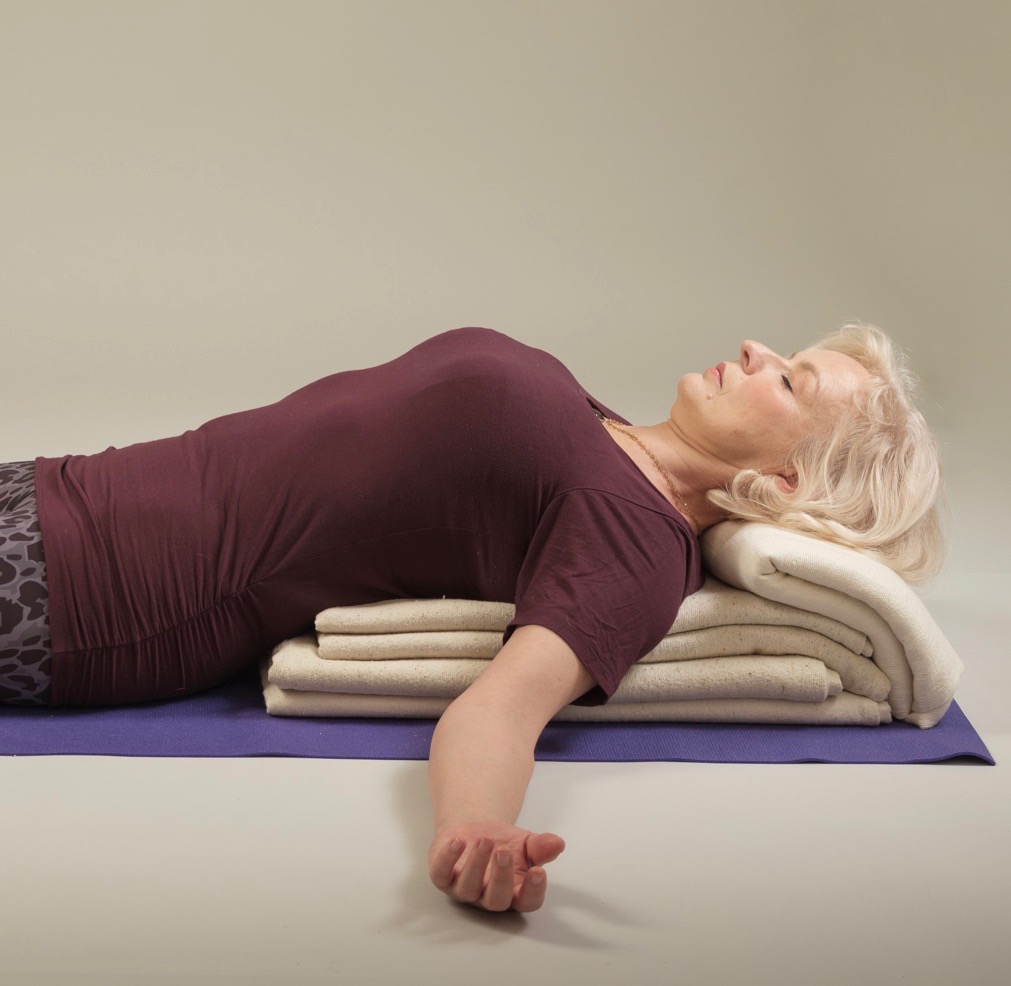
Image Source: blog.yogamatters.com
Enhancing Comfort and Support in Yoga Poses
The primary reason many turn to yoga blankets is for increased comfort and support, especially when holding yoga poses for longer durations or when facing physical limitations.
Gentle Support for Joints and Muscles
One of the most common uses for a yoga blanket is to provide cushioning and support for sensitive joints like knees, hips, and wrists.
Knee Protection in Seated Poses
Many seated yoga poses, such as Sukhasana (Easy Pose) or Padmasana (Lotus Pose), can put pressure on the knees. Folding a yoga blanket and placing it under the sit bones can tilt the pelvis forward, creating a more comfortable and stable foundation. This subtle adjustment can make a significant difference, allowing you to hold the pose longer and with greater ease.
Wrist Support in Inversions and Arm Balances
When practicing poses that place weight on the wrists, like Downward-Facing Dog or Plank Pose, a folded yoga blanket can provide extra padding. Rolling the blanket thinly and placing it under the heels of your hands can help to alleviate pressure and prevent discomfort. This is particularly beneficial for those with wrist sensitivity or during extended holds.
Hip Alignment and Comfort
In poses like Pigeon Pose or Janu Sirsasana (Head-to-Knee Forward Bend), a folded blanket can be placed under the hip that is on the ground. This elevates the hip, creating a more balanced and comfortable position, and allows for a deeper stretch without strain.
Creating Stability and Grounding
A yoga blanket can also help you feel more grounded and stable in various yoga poses.
Grounding in Standing Poses
In standing poses like Warrior II or Triangle Pose, placing a folded blanket under the heel of the front foot can offer a sense of stability. This is especially helpful on slippery yoga mats or for individuals who feel unsteady. It provides a subtle grip and a more secure connection to the earth.
Pelvic Support in Backbends
When practicing backbends like Cobra Pose or Bridge Pose, a folded blanket can be placed horizontally under the sacrum. This gentle lift can help to open the chest and facilitate a deeper, more comfortable backbend without compressing the lower back.
Adding Warmth and Relaxation
Beyond active poses, yoga blankets are essential for relaxation and the cooling down phases of practice.
Keeping Warm During Savasana
As your body cools down after a vigorous practice, a yoga blanket can be draped over you to maintain warmth and promote relaxation. This is crucial for a truly restful Savasana.
Comfort during Restorative Yoga
Restorative yoga, which focuses on passive stretching and deep relaxation, heavily relies on props. Yoga blankets are indispensable in restorative yoga, used to support the body in gentle poses held for extended periods. They can be folded to create bolsters for under the head, knees, or spine, offering unparalleled comfort and allowing the nervous system to unwind.
Elevating Your Pranayama and Meditation Practice
The benefits of a yoga blanket extend beyond asana, playing a significant role in pranayama (breathing exercises) and meditation.
Posture Support for Extended Sitting
Holding a comfortable and aligned seated posture for extended periods during meditation or pranayama can be challenging. A yoga blanket, folded into a seat cushion, can:
- Elevate the hips: This helps the spine to naturally lengthen, making it easier to maintain an upright posture without slouching.
- Reduce pressure on knees and ankles: By providing a soft surface, it alleviates discomfort in the joints, allowing for longer, more focused practice.
- Promote spinal alignment: A correctly aligned spine is crucial for optimal breath flow and for preventing fatigue during seated meditation.
You can experiment with different folding techniques to find the perfect height and angle for your body. A common method is to fold the blanket lengthwise into thirds or quarters.
Enhancing Breath Awareness
While not a direct use of the blanket itself, the improved comfort and stability it provides can indirectly enhance breath awareness. When your body is comfortable and your mind is not distracted by physical discomfort, it’s easier to turn your attention inward and focus on the nuances of your breath. This is particularly helpful during guided meditations or when practicing breath-focused techniques like Nadi Shodhana (Alternate Nostril Breathing).
Deepening Meditation and Yoga Nidra
Yoga Nidra, or yogic sleep, is a powerful meditation technique that induces deep relaxation. During Yoga Nidra, practitioners are typically lying down and encouraged to remain still and relaxed. A yoga blanket draped over the body can:
- Provide a sense of security and containment: This can help to calm the nervous system and deepen the sense of safety required for profound relaxation.
- Maintain body temperature: As the body relaxes, its temperature can drop. The blanket ensures warmth, preventing any chill from disrupting the meditative state.
- Create a cocoon-like feeling: This can foster a sense of introspection and allow for a more immersive experience of the guided relaxation.
Creative Ways to Use Your Yoga Blanket
Beyond the foundational uses, yoga blankets offer a spectrum of creative applications to enrich your yoga journey.
As a Gentle Yoga Bolster Substitute
While a dedicated yoga bolster is designed for specific support, a well-folded yoga blanket can serve as a makeshift alternative in many situations.
- Under the spine for supported backbends: Rolling a blanket tightly can create a cylindrical shape that can be placed horizontally under the spine, similar to a bolster, offering gentle thoracic extension.
- Under the knees in Savasana: For those who find lying flat on their back uncomfortable, a rolled or folded blanket under the knees can relieve lower back tension.
- Under the head for neck support: A folded blanket can provide gentle head and neck support in seated or supine positions.
Creating a Sense of Sanctuary
The tactile nature of a yoga blanket can contribute to a feeling of warmth and personal space, especially in a group setting. By positioning the blanket around you, you can create a more intimate and focused practice environment.
Temperature Regulation
Yoga practice can lead to fluctuations in body temperature. A blanket can be used to:
- Cover up during cooling poses: After heating sequences, a blanket can be draped over the shoulders or hips to prevent chilling.
- Provide warmth during outdoor practice: If practicing yoga outdoors, a blanket is essential for comfort, especially during cooler weather or early morning sessions.
Selecting the Right Yoga Blanket
With various types of yoga blankets available, choosing the right one depends on your practice style and preferences.
Material Matters
- Wool: Traditional yoga blankets are often made of wool. Wool is naturally insulating, breathable, and durable. It provides excellent warmth without being overly heavy and has a good grip.
- Cotton: Cotton blankets are softer and more breathable than wool, making them a good option for warmer climates or for those who prefer a lighter feel. They are also generally hypoallergenic.
- Fleece: Fleece blankets are very soft and cozy, offering excellent warmth. However, they can be less breathable and may slide more easily than wool or cotton.
Size and Weight Considerations
- Standard Size: Most yoga blankets are around 70-80 inches long and 50-60 inches wide, providing ample coverage.
- Weight: Heavier blankets offer more stability and grounding, making them ideal for restorative yoga and meditation. Lighter blankets are more versatile for active poses and for layering.
Durability and Washability
Consider how easy the blanket is to clean. Wool blankets may require special care, such as hand washing or dry cleaning, while cotton and fleece blankets are often machine washable.
Integrating Yoga Blankets into Your Routine
Making yoga blankets a regular part of your practice is simple. Keep one rolled or folded near your yoga mat.
Pre-Practice Preparation
Before you even begin your asana, use a folded blanket to support your seated posture for centering or a few rounds of pranayama.
During Asana Practice
As discussed, strategically place your folded blanket for joint support, stability, or warmth in specific yoga poses. Don’t hesitate to adjust it as needed between poses.
Post-Practice Cool Down
Ensure your blanket is readily accessible for Savasana or any final relaxation poses to maintain comfort and warmth.
Table: Common Yoga Blanket Uses
| Purpose | How to Use the Blanket | Key Benefits |
|---|---|---|
| Seated Posture Support | Fold and place under sit bones to elevate hips. | Improved spinal alignment, reduced joint strain. |
| Knee Cushioning | Fold and place under knees in seated poses or on the floor. | Enhanced comfort, reduced pressure on knees. |
| Wrist Support | Roll thinly and place under heels of hands in weight-bearing poses. | Alleviates wrist pressure, prevents discomfort. |
| Hip Support | Fold and place under hip in poses like Pigeon Pose. | Balanced alignment, increased comfort in stretches. |
| Stability in Standing Poses | Fold and place under the heel of the front foot for grounding. | Enhanced stability, secure connection to the mat. |
| Lower Back Support | Fold and place under sacrum in backbends or under knees in Savasana. | Gentle spinal support, relief from lower back tension. |
| Warmth in Savasana | Drape over the body for insulation and comfort during final relaxation. | Promotes deeper relaxation, prevents chilling. |
| Restorative Yoga Support | Fold into various shapes (rolls, pads) to support the body in passive poses. | Deep relaxation, enhanced passive stretching. |
| Meditation Comfort | Fold as a seat cushion for comfortable extended sitting. | Sustained posture, focused meditation. |
| Yoga Nidra Warmth | Drape over the body to maintain warmth and a sense of security during deep relaxation. | Enhanced state of relaxation, deeper nidra experience. |
Frequently Asked Questions About Yoga Blankets
Q1: Do I really need a yoga blanket?
While not strictly essential for every yoga practice, a yoga blanket significantly enhances comfort, support, and the overall experience, especially for beginners, those with physical limitations, or practitioners of restorative yoga and meditation.
Q2: Can I use a regular blanket instead of a yoga blanket?
Yes, you can use a regular blanket, but yoga blankets are typically made from materials that offer better grip, breathability, and density, making them more suitable for yoga practice. They are also often sized and weighted specifically for yoga.
Q3: How do I clean my yoga blanket?
Cleaning instructions vary by material. Wool blankets may require hand washing or dry cleaning. Cotton and fleece blankets are often machine washable; check the care label for specific instructions. Always air dry to maintain the blanket’s shape and texture.
Q4: What is the difference between a yoga blanket and a yoga bolster?
A yoga bolster is a firm, cylindrical or rectangular cushion designed for specific support in passive poses, often used to support the spine or hips. A yoga blanket is a softer, more flexible prop that can be folded or rolled into various shapes to provide cushioning, warmth, or gentle support, and can even serve as a makeshift bolster.
Q5: Which material is best for a yoga blanket?
Wool offers excellent warmth, durability, and grip. Cotton is breathable and softer, good for warmer climates. Fleece is very soft and warm but can be less breathable. The best material depends on your personal preference and practice needs.
By incorporating these tips and understanding the versatility of a yoga blanket, you can elevate your yoga practice, making it more comfortable, supportive, and deeply rewarding. This simple yet profound tool can truly transform your journey on and off the mat.