
So, how long do yoga mats last? Generally, a good quality yoga mat can last anywhere from one to five years, depending on the material, how often it’s used, and how well it’s cared for.
For many yogis, their mat is more than just a piece of equipment; it’s a trusted companion on their wellness journey. It provides grip, comfort, and a dedicated space for practice. But like any well-loved item, yoga mats don’t last forever. Over time, they succumb to the natural process of yoga mat wear and tear, losing their grip, cushioning, or even developing holes. This leads to a crucial question for practitioners: what is the typical yoga mat lifespan and how can we maximize it?
This comprehensive guide will delve into everything you need to know about yoga mat durability and how to ensure your mat stays in top condition for as long as possible. We’ll explore the factors affecting yoga mat life, the best yoga mat material for longevity, types of yoga mats and their lifespan, how to care for yoga mats, and crucial yoga mat longevity tips to help you get the most out of your investment. We’ll also discuss yoga mat replacement frequency so you know when it’s time to say goodbye to your old friend and welcome a new one.
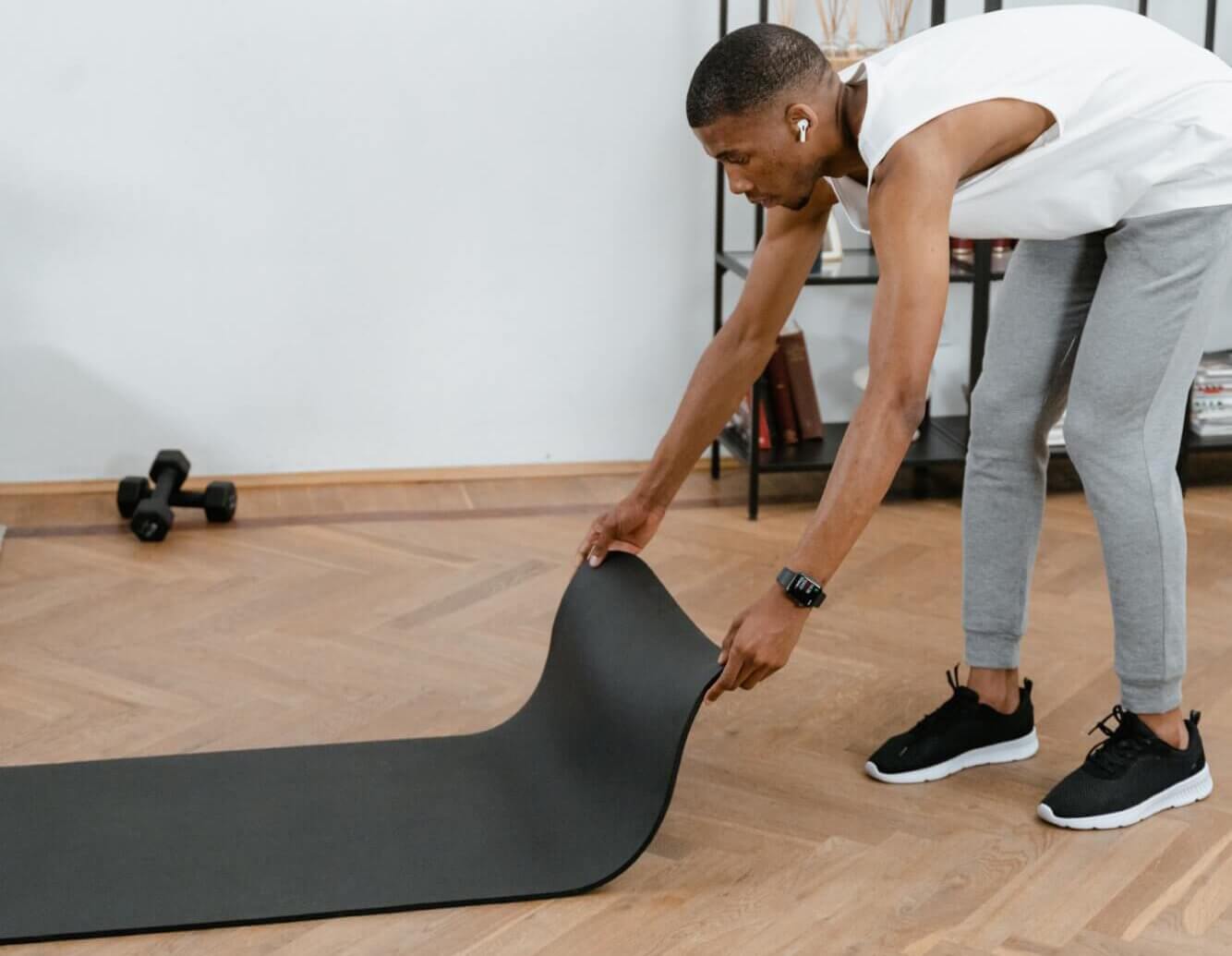
Image Source: blog.backify.com
Deciphering Yoga Mat Lifespan: What Influences It?
The lifespan of a yoga mat isn’t a fixed number. It’s a dynamic outcome influenced by several key factors. By understanding these elements, you can make informed choices about your mat and practice habits to extend its usefulness.
Factors Affecting Yoga Mat Life
Several elements contribute to how long your yoga mat will remain functional and supportive:
- Material: This is arguably the most significant factor. Different materials have inherent strengths and weaknesses regarding durability. We’ll explore this in more detail later.
- Frequency of Use: A mat used daily for vigorous practice will naturally show wear faster than one used for a gentle session once a week.
- Type of Yoga Practiced: High-intensity practices like Ashtanga or Vinyasa, which involve a lot of movement and sweat, can be harder on a mat than restorative or gentle yoga.
- Environmental Conditions: Exposure to direct sunlight, extreme temperatures, or high humidity can degrade mat materials over time.
- Cleaning and Care: Proper and regular cleaning, along with appropriate storage, can significantly prolong a mat’s life. Conversely, harsh cleaning methods can accelerate wear.
- Body Weight and Intensity of Practice: While not something to change for your mat’s sake, heavier individuals or those with more intense movements might experience slightly faster wear.
- Storage: How you store your mat when not in use plays a role. Rolling it loosely and keeping it away from sharp objects or heavy items is best.
Comprehending Different Yoga Mat Materials and Their Longevity
The heart of yoga mat durability lies in the material it’s made from. Each type of material offers a unique blend of grip, cushioning, eco-friendliness, and, importantly, longevity. Choosing the best yoga mat material for longevity depends on your priorities and practice style.
Types of Yoga Mats and Their Lifespan
Let’s break down common yoga mat materials and their typical lifespans:
-
PVC (Polyvinyl Chloride):
- Pros: Highly durable, excellent grip, easy to clean, and generally inexpensive. PVC mats can withstand significant use and are resistant to moisture.
- Cons: Not the most eco-friendly option, as PVC production can have environmental impacts. They can also have a distinct chemical smell when new.
- Typical Lifespan: 2-5 years, sometimes longer with proper care. These are often considered among the most long-lasting mats.
-
TPE (Thermoplastic Elastomer):
- Pros: A blend of plastic and rubber, TPE is more eco-friendly than PVC. It’s lightweight, often recyclable, and provides good grip and cushioning.
- Cons: While durable, TPE mats might not be as resilient to heavy, constant use as PVC. They can sometimes feel a bit less grippy when very wet.
- Typical Lifespan: 1-3 years. This can vary depending on the specific TPE blend and usage intensity.
-
Natural Rubber:
- Pros: Offers exceptional grip, even when wet, and is a sustainable, biodegradable option. Natural rubber mats provide good cushioning and are often preferred by those seeking eco-conscious products.
- Cons: Can be heavier and more expensive than PVC or TPE. Some people have latex allergies. They can also degrade faster if exposed to excessive sunlight or heat, and require specific cleaning methods.
- Typical Lifespan: 1-3 years. Their lifespan is heavily dependent on care and exposure to elements.
-
PU (Polyurethane) Coated Mats (often on a rubber or TPE base):
- Pros: PU offers incredible grip, especially when you sweat. The coating adds an extra layer of protection and durability to the base material. They are often easy to wipe clean.
- Cons: Can be more expensive. The PU layer might be susceptible to peeling or scuffing with very abrasive use or improper cleaning.
- Typical Lifespan: 2-4 years, depending on the quality of the PU coating and the base material.
-
Jute:
- Pros: A natural, sustainable fiber that offers a unique texture and good grip. It’s biodegradable.
- Cons: Jute mats can be less cushioned and may not be as smooth for certain poses. They can absorb moisture and may require more thorough drying to prevent mold or mildew.
- Typical Lifespan: 1-2 years. Their lifespan is often limited by their natural fiber properties and susceptibility to moisture.
-
Cotton/Fabric Mats:
- Pros: Soft, breathable, and often washable. These are typically used as a topper over another mat for added grip and absorption.
- Cons: Offer minimal cushioning and grip on their own. They are absorbent and need frequent washing.
- Typical Lifespan: Can last a long time if washed regularly, but their function as a primary mat is limited. Lifespan in terms of usability for yoga purposes depends on how often they are replaced due to wear and washing cycles.
Maximizing Your Yoga Mat’s Quality: Essential Care Routines
Proper care is the cornerstone of maintaining yoga mat quality and extending its yoga mat lifespan. A little effort goes a long way in preventing premature wear and tear and keeping your mat hygienic and functional.
How to Care for Yoga Mats
Here’s a breakdown of essential care practices:
-
Regular Cleaning:
- After Each Use: For sweaty practices, it’s best to wipe down your mat after every session. Use a damp cloth (water is fine for most mats) or a diluted yoga mat spray.
- Deep Cleaning: Depending on your practice intensity and frequency, aim for a deeper clean every few weeks or months.
-
Choosing the Right Cleaning Agent:
- Water: Often sufficient for light cleaning.
- Mild Soap and Water: A few drops of gentle dish soap or castile soap mixed with water can be used for more stubborn grime. Always rinse thoroughly.
- Vinegar Solution: A 1:1 ratio of white vinegar and water can be effective for sanitizing and removing odors. Test in an inconspicuous area first, as vinegar can sometimes affect certain materials.
- Commercial Yoga Mat Cleaners: Many brands offer specialized cleaners. Look for ones that are natural and gentle, especially for rubber or PU mats. Avoid harsh chemicals like bleach or abrasive cleaners.
-
Drying Your Mat:
- Crucial Step: Always ensure your mat is completely dry before rolling it up or storing it. Moisture trapped within the mat can lead to mildew, odors, and material degradation.
- Air Dry: Hang your mat over a shower rod, railing, or drying rack. Keep it out of direct sunlight, as UV rays can damage many mat materials, especially rubber and PU.
- Towel Dry: Gently pat down the mat with a clean towel to absorb excess moisture before air drying.
-
Storage:
- Roll it Right: Roll your mat loosely, with the top (grippy) side facing outwards. This prevents creasing and premature wear on the most used surface.
- Keep it Clean: Store your mat in a clean, dry place, away from direct sunlight, heat sources, or sharp objects. A yoga mat bag or sleeve can offer protection.
- Avoid Overcrowding: Don’t store it under heavy items that could compress or damage it.
Specific Material Care Notes:
- PVC Mats: Generally forgiving. Most gentle cleaners are safe. Ensure they are thoroughly dried.
- TPE Mats: Similar to PVC, but be mindful of harsh chemicals which might degrade the material faster.
- Natural Rubber Mats: Require gentle care. Use only water or specialized natural cleaners. Avoid oil-based soaps or excessive vinegar. Ensure thorough drying in a shaded, airy spot.
- PU Coated Mats: Can be wiped down with a damp cloth or a mild cleaner. Avoid abrasive scrubbing.
Identifying When It’s Time for a Replacement: Recognizing Yoga Mat Wear and Tear
Even with the best care, all yoga mats will eventually show signs of wear. Recognizing these indicators is key to knowing when it’s time for a yoga mat replacement frequency adjustment and when a new mat is needed to maintain safety and comfort in your practice.
Signs Your Yoga Mat Needs Replacement
- Loss of Grip: This is often the first and most noticeable sign. If your hands and feet are sliding during poses, especially in downward-facing dog or warrior poses, the mat’s grippy surface has likely degraded. This can be a safety concern, leading to slips and potential injuries.
- Visible Wear and Tear: Thinning spots, tears, rips, or fraying edges are clear indicators that the mat’s structural integrity is compromised.
- Flattened or Worn-Out Cushioning: If the mat no longer provides adequate cushioning for your joints, especially your knees and wrists, it’s time for a change. The material may have compressed permanently.
- Persistent Odors: Even after cleaning, if your mat retains a strong odor (sweat, mildew, or the mat’s own material scent), it might be a sign that the material has absorbed too much and is breaking down. This is common with absorbent materials if not dried properly.
- Peeling or Bubbling: Especially common on PU-coated mats, peeling or bubbling indicates that the top layer is detaching from the base, compromising both grip and surface integrity.
- Cracking: If you see fine lines or cracks forming on the surface, it means the material is becoming brittle and will soon start to break apart.
Yoga Mat Longevity Tips: Extending the Life of Your Practice Partner
Beyond regular cleaning and proper storage, several yoga mat longevity tips can further extend the life of your mat.
Proactive Steps for a Longer-Lasting Mat
- Choose Wisely: Invest in a mat made from high-quality, durable material suitable for your practice style. A slightly higher upfront cost for a quality mat often pays off in the long run.
- Use a Towel: For very sweaty practices or if you have a mat that’s prone to absorbing moisture, consider using a yoga towel placed on top of your mat. This absorbs sweat, improves grip, and protects your mat.
- Avoid Harsh Environments: Don’t leave your mat in a hot car, in direct sunlight for extended periods, or in very humid environments.
- Clean Spills Promptly: Any sticky residue or significant spills should be cleaned as soon as possible to prevent them from setting into the material.
- Gentle Rolling: Always roll your mat gently. Avoid folding or creasing it, as this can create permanent lines and weaken the material.
- Rotate Mats (If Possible): If you practice very frequently, consider having two mats and alternating between them. This allows each mat to fully dry and recover between uses.
- Be Mindful of Accessories: Avoid placing heavy or sharp objects on your mat when storing it. Also, be cautious with certain lotions or oils on your skin, as they can sometimes degrade mat surfaces.
Frequently Asked Questions About Yoga Mat Lifespan
Here are some common questions people have about how long their yoga mats last:
Q1: How often should I replace my yoga mat?
A1: The yoga mat replacement frequency varies. For light to moderate use, a good mat might last 2-4 years. For daily, intensive practice, you might need to replace it every 1-2 years. Look for the signs of wear and tear mentioned earlier.
Q2: Can I wash my yoga mat in a washing machine?
A2: It depends on the material. Most PVC and TPE mats can be spot-cleaned or wiped down. Some newer rubber mats might be machine washable on a delicate, cold cycle, but always check the manufacturer’s instructions. Fabric mats are often machine washable. Never machine wash most natural rubber, PU, or jute mats, as it can damage the material and adhesives.
Q3: My yoga mat is slippery. Can I fix it?
A3: If it’s just newness, sometimes a good clean with a vinegar solution or a bit of salt scrub (for rubber) can help break in the surface. However, if it’s old and the grip has worn away due to yoga mat wear and tear, it’s usually a sign the mat has reached the end of its useful life and needs replacement for safety.
Q4: What is the most durable yoga mat material?
A4: PVC is generally considered one of the most durable materials, offering excellent longevity. High-quality PU-coated mats and dense natural rubber mats can also be very durable, though their longevity can be more dependent on careful maintenance and avoiding harsh conditions.
Q5: How do I clean a yoga mat without damaging it?
A5: Use a mild cleaner like water, a diluted vinegar solution (1:1 with water), or a gentle commercial mat cleaner. Always use a soft cloth and avoid abrasive scrubbers. Ensure the mat is thoroughly air-dried out of direct sunlight.
Q6: Does sweat ruin a yoga mat?
A6: Sweat itself doesn’t ruin a mat, but the moisture it leaves behind, if not properly dried, can lead to mildew and material breakdown, especially in absorbent materials. Regular cleaning and thorough drying after sweaty sessions are key to preventing this.
Conclusion: Investing in Longevity for a Sustainable Practice
The lifespan of a yoga mat is a journey, not a destination. By understanding the factors affecting yoga mat life, choosing the best yoga mat material for longevity, and diligently following how to care for yoga mats, you can significantly extend the usable life of your practice essential.
Paying attention to yoga mat wear and tear will not only save you money in the long run by reducing yoga mat replacement frequency but also contribute to a more sustainable lifestyle by minimizing waste. Remember, a well-maintained mat offers better support, safety, and a more enjoyable practice. Cherish your yoga mat, care for it well, and it will serve you faithfully on your path to wellness.