
Can you practice Kriya Yoga at home without a teacher? Yes, you can begin practicing Kriya Yoga at home by following established guidelines and principles, focusing on consistent practice and gradual progression. This guide will provide you with the foundational knowledge and steps to embark on your Kriya Yoga journey from the comfort of your own space.
Kriya Yoga is an ancient science of self-realization, a path of dynamic meditation that uses specific techniques to accelerate spiritual growth. It’s a powerful system that aims to unite the individual consciousness with the cosmic consciousness. While the ideal path involves Kriya Yoga initiation from a qualified guru, it’s entirely possible to begin exploring its core principles and practices at home, laying a solid foundation for future guidance. This article will walk you through how to practice Kriya Yoga at home, covering everything from preparation to the core Kriya Yoga meditation techniques.
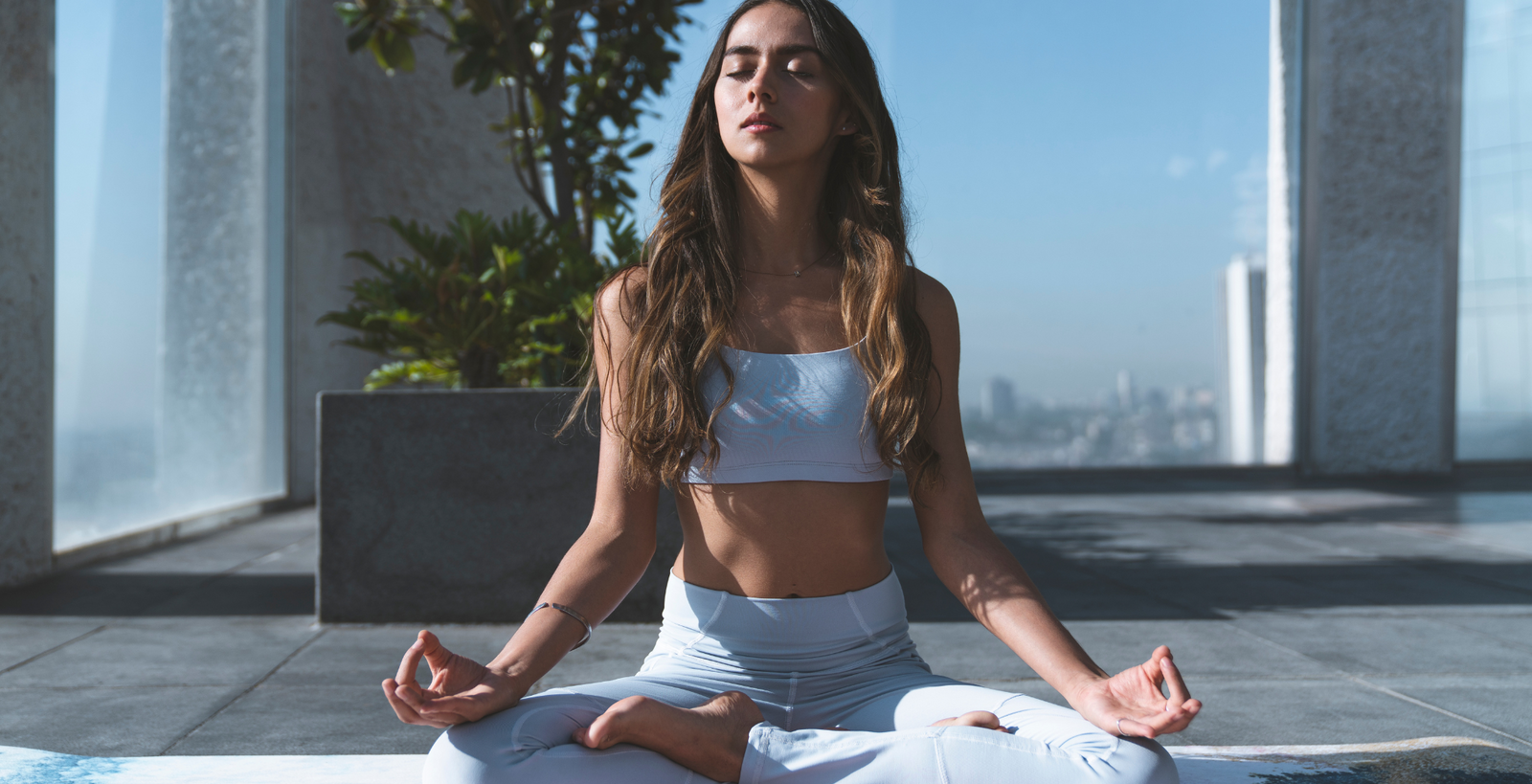
Image Source: www.greenappleactive.com
Laying the Groundwork: Your Home Practice Space
Creating a dedicated space for your practice is crucial for fostering a focused and conducive environment.
The Ideal Practice Area
- Cleanliness and Order: Your space should be clean, clutter-free, and orderly. This mental clarity translates into your practice.
- Tranquility: Choose a quiet location where you won’t be disturbed by external noise or interruptions.
- Ventilation: Ensure good air circulation. Fresh air is vital for healthy breathing during Kriya Yoga breathing exercises.
- Comfort: While Kriya Yoga involves specific postures, comfort is key. Use a comfortable mat or cushion. The Kriya Yoga posture should be stable yet relaxed.
- Minimal Distractions: Remove anything that might divert your attention, such as electronics or busy decor.
- A Touch of the Sacred: Many practitioners like to have a small altar with a picture of a guru, a sacred symbol, or a candle to create a sacred atmosphere.
Essential Equipment
While Kriya Yoga is primarily an internal practice, a few items can enhance your experience:
- Yoga Mat or Cushion: For comfortable seating during meditation and to protect your joints during any gentle movements.
- Comfortable Clothing: Wear loose, breathable clothing that allows for freedom of movement and comfortable Kriya Yoga posture.
- A Blanket (Optional): For warmth during longer meditation sessions.
The Foundation of Kriya Yoga: Core Principles
Before diving into the techniques, it’s important to grasp the underlying philosophy of Kriya Yoga. It’s a path that emphasizes action and inner work.
The Essence of Kriya
- Action (Kriya): The word “Kriya” itself means action or deed. In this context, it refers to specific, conscious actions performed with full awareness.
- Purpose: The ultimate goal is to quiet the mind, purify the nervous system, and awaken the dormant spiritual energies within.
- Spiritual Growth: Kriya Yoga spiritual growth is achieved through systematic purification and the redirection of life force energy.
- Energy Control: A significant aspect involves Kriya Yoga energy control, learning to consciously direct prana (life force) throughout the body.
The Role of the Guru and Initiation
It’s vital to acknowledge that traditional Kriya Yoga is transmitted from a qualified guru through Kriya Yoga initiation. This initiation imbues the practitioner with the spiritual energy and authorized access to the specific techniques. While this guide offers a pathway for learning Kriya Yoga at home, it is highly recommended to seek out a legitimate lineage and teacher when you feel ready.
Embarking on Your Practice: Getting Started
For those new to the path, beginner Kriya Yoga practice should be approached with patience and dedication.
Daily Kriya Yoga Practice
Consistency is more important than duration. Aim for a regular daily Kriya Yoga practice, even if it’s for a short period initially.
- Timing: The most auspicious times are usually dawn and dusk, when the veil between the physical and subtle realms is thinner. However, find a time that works consistently for you.
- Duration: Start with 15-20 minutes and gradually increase as your comfort and concentration grow.
- Frequency: Daily practice is key to building momentum and experiencing the transformative effects of Kriya Yoga.
Preparing Your Mind and Body
Before each session, take a few moments to prepare.
- Mindfulness: Gently bring your awareness to the present moment. Let go of the day’s worries.
- Gentle Stretches (Asanas): Light, simple stretches can prepare the body for stillness and improve Kriya Yoga posture. Focus on spinal flexibility.
- Mind Purification: A brief moment of self-inquiry or reflecting on your intention for the practice can be beneficial.
Key Kriya Yoga Techniques for Home Practice
While the full Kriya Yoga system is complex, certain foundational techniques can be explored at home. These are often introduced to students before deeper initiations.
Kriya Yoga Breathing Exercises (Pranayama)
Pranayama, or breath control, is central to Kriya Yoga. These exercises are designed to purify the breath and channel prana.
1. Basic Breath Awareness
- Purpose: To become aware of your breath and its natural rhythm.
- How to: Sit in a comfortable, upright Kriya Yoga posture. Close your eyes. Without trying to change anything, simply observe the sensation of the breath entering and leaving your nostrils. Notice the rise and fall of your chest or abdomen.
2. Alternate Nostril Breathing (Nadi Shodhana)
- Purpose: To balance the left and right hemispheres of the brain and calm the nervous system.
- How to:
- Sit comfortably. Close your right nostril with your right thumb.
- Inhale slowly and deeply through your left nostril.
- Close your left nostril with your ring finger.
- Release your thumb from the right nostril and exhale slowly through the right nostril.
- Inhale through the right nostril.
- Close your right nostril with your thumb.
- Release your ring finger from the left nostril and exhale through the left nostril.
- This completes one round. Continue for several rounds, focusing on smooth, even breaths.
3. Breath Retention (Kumbhaka)
- Purpose: To hold the breath at specific points to deepen energy circulation and awareness. Note: This technique should be practiced with extreme caution and ideally under guidance, especially when starting.
- How to: After exhaling completely in Nadi Shodhana, gently retain the breath for a very short, comfortable period before inhaling again through the same nostril. The duration should be natural and unforced.
Kriya Yoga Meditation Techniques
These techniques focus on directing awareness and energy within.
1. Micro-Movement Meditation
- Purpose: To gently activate subtle energy pathways and prepare for deeper concentration.
- How to:
- Sit in your chosen Kriya Yoga posture.
- Close your eyes and bring your attention to the base of your spine.
- Imagine a very subtle, almost imperceptible, inward and upward movement, like a tiny hum or vibration, originating from the base of the spine.
- As you inhale, imagine this subtle energy moving up the spine. As you exhale, imagine it gently settling back down.
- Keep the movement very small and internal, not a physical movement of the body. Focus on the subtle sensation.
2. The “Hum” Technique (Sound Vibration)
- Purpose: To create a resonant vibration within the body, which helps to calm the mind and activate energy.
- How to:
- Sit comfortably.
- Inhale gently. As you exhale, make a soft, sustained “humming” sound, as if a bee were buzzing internally.
- Try to direct this sound vibration to different parts of your body, starting from the spine, then moving to the chest, head, and so on.
- Focus on the sensation of the vibration.
3. Kriya Yoga Mantra
- Purpose: Mantras are sacred sounds or words that help focus the mind and invoke specific energies. While specific Kriya Yoga mantras are typically given during initiation, a general approach can be used.
- How to:
- Choose a simple, universally recognized mantra like “Om” or “So Ham” (meaning “I am That”).
- Repeat the mantra silently or in a very low whisper, coordinating it with your breath if possible. For “So Ham,” inhale with “So” and exhale with “Ham.”
- Allow the mantra to become the sole focus of your attention. When thoughts arise, gently return your awareness to the mantra.
4. Kriya Yoga Energy Control (Prana Vidya)
This is a more advanced aspect and requires careful, gradual practice. It involves directing prana through the subtle energy channels.
- Purpose: To consciously guide life force energy, purify nadis (energy channels), and balance chakras.
- How to (Initial Exploration):
- After establishing a comfortable breath and a focused mind, bring your awareness to the Sushumna nadi, the central energy channel running along the spine.
- Imagine a subtle current of energy flowing up this channel on the inhale and down on the exhale.
- This is a visualization and sensation-based practice. Do not force anything. The aim is to develop awareness and subtle control.
Kriya Yoga Posture (Asana)
While elaborate postures are not the primary focus of Kriya Yoga, a stable and comfortable seated position is essential.
- Sukhasana (Easy Pose): Sit with legs crossed, spine erect, shoulders relaxed.
- Siddhasana (Accomplished Pose): One heel pressed against the perineum, the other heel resting on top of it. This pose is traditionally favored for its ability to help awaken Kundalini energy.
- Padmasana (Lotus Pose): For those with flexibility, both feet placed on the opposite thighs.
The key is to maintain an upright spine without stiffness, allowing for free flow of breath and energy. The Kriya Yoga posture should be held with effortless ease.
Progressive Stages of Kriya Yoga at Home
Learning Kriya Yoga at home is a journey of self-discovery and gradual refinement.
Phase 1: Foundation Building (First Few Weeks/Months)
- Focus: Establish a consistent daily Kriya Yoga practice.
- Techniques: Prioritize breath awareness, Nadi Shodhana, and gentle micro-movement meditation.
- Goal: Develop focus, calm the mind, and build physical comfort in your chosen Kriya Yoga posture.
Phase 2: Deepening Awareness (Months 3-12)
- Focus: Begin to integrate more subtle Kriya Yoga meditation techniques and explore basic Kriya Yoga energy control through visualization.
- Techniques: Introduce the “hum” technique and the use of a simple Kriya Yoga mantra. Start gently visualizing energy flow along the spine.
- Goal: Enhance concentration, experience greater inner stillness, and develop sensitivity to subtle energies.
Phase 3: Integration and Expansion (1 Year Onward)
- Focus: Consolidate learned techniques, potentially explore more advanced breathing patterns, and refine energy control.
- Techniques: Consistent application of all practiced techniques. If you have had Kriya Yoga initiation, this phase is where you would integrate those specific instructions.
- Goal: Deeper Kriya Yoga spiritual growth, increased vitality, and a more profound connection to inner stillness.
Tables for Practice Guidance
Here’s a table to help you structure your home practice:
| Component | Beginner Focus (15-20 min) | Intermediate Focus (20-30 min) |
|---|---|---|
| Preparation | 5 min: Gentle stretches, settling into posture. | 5 min: Deeper stretches, intention setting, mindful breath arrival. |
| Breathing | 5 min: Basic breath awareness, gentle Nadi Shodhana. | 7 min: Extended Nadi Shodhana, awareness of breath sensation. |
| Meditation | 5 min: Micro-movements, short “hum” or mantra repetition. | 10 min: Sustained “hum,” mantra, or focused breath-energy flow. |
| Integration | 1 min: Gentle return to awareness, gratitude. | 3 min: Deeper integration, self-inquiry, silent awareness. |
| Daily Frequency | Daily | Daily |
| Kriya Yoga Posture | Comfortable cross-legged seat (Sukhasana) with an erect spine. | Comfortable cross-legged seat (Sukhasana, Siddhasana) with an erect spine. |
Important Considerations for Home Practice
Patience and Non-Judgment
- Self-Compassion: Your practice will have ups and downs. Be patient with yourself and avoid self-criticism.
- Observation: Approach each session as an opportunity to observe without judgment.
Listening to Your Body
- Avoid Strain: Never force any posture, breath, or visualization. Kriya Yoga energy control is subtle and requires sensitivity.
- Rest: If you feel tired or unwell, adjust your practice accordingly.
The Role of Chanting and Affirmations
While not always explicit in initial Kriya teachings, incorporating positive affirmations or chants can support your mental state.
- Affirmations: “I am calm and peaceful,” “My breath is steady and deep,” “I am connected to divine energy.”
- Chants: Simple, positive chants can help focus the mind.
Seeking Further Guidance
As your daily Kriya Yoga practice deepens, the desire for authentic Kriya Yoga initiation may arise.
- Research Lineages: Explore reputable organizations and teachers who teach authentic Kriya Yoga.
- Attend Workshops: If possible, attend introductory workshops or retreats.
Common Questions About Kriya Yoga at Home
Q1: Is it really possible to practice Kriya Yoga without a guru?
A: While traditional Kriya Yoga is transmitted through initiation from a guru, you can certainly build a strong foundation and practice the preparatory techniques at home. This self-directed learning can prepare you for deeper instruction and make Kriya Yoga initiation more impactful when you find a qualified teacher.
Q2: What are the most important Kriya Yoga meditation techniques for beginners?
A: For beginner Kriya Yoga, focus on cultivating breath awareness, practicing Nadi Shodhana (alternate nostril breathing), and engaging in simple micro-movements or mantra repetition. These build the essential skills of concentration and inner awareness.
Q3: How often should I do Kriya Yoga breathing exercises?
A: Aim for a daily Kriya Yoga practice, incorporating breathing exercises for at least 5-10 minutes each session. Consistency is key to experiencing their benefits.
Q4: What is the correct Kriya Yoga posture for home practice?
A: The most important aspect of Kriya Yoga posture is an erect but relaxed spine, allowing for unhindered breath flow and energy circulation. Comfortable seated positions like Sukhasana or Siddhasana are generally recommended.
Q5: Can I truly achieve Kriya Yoga spiritual growth through home practice alone?
A: Home practice is a powerful catalyst for Kriya Yoga spiritual growth. It cultivates inner discipline, peace, and awareness. However, the deepest and most rapid transformations in Kriya Yoga are traditionally realized through Kriya Yoga initiation and guidance from a living master who can transmit the direct experience and advanced techniques of Kriya Yoga energy control.
Q6: What if I feel no energy or sensations during practice?
A: This is very common, especially when starting. Kriya Yoga energy control is a subtle art. Focus on the process, be patient, and don’t try to force sensations. Simply maintaining awareness of your breath and posture with a calm mind is a profound practice in itself. Over time, with consistent practice, you will likely begin to notice subtle changes.
Q7: Are there specific Kriya Yoga mantra recommendations for home practice?
A: While advanced Kriya mantras are given by a guru, you can use universally recognized mantras like “Om” or the “So Ham” mantra. The key is to use a mantra that helps you focus and feel a sense of peace and connection.
Conclusion
Learning Kriya Yoga at home is a rewarding and empowering journey. By establishing a consistent daily Kriya Yoga practice, focusing on Kriya Yoga breathing exercises, cultivating proper Kriya Yoga posture, and exploring foundational Kriya Yoga meditation techniques, you can lay a strong groundwork for profound Kriya Yoga spiritual growth. Remember to approach your practice with patience, sincerity, and an open heart. While the path of Kriya Yoga often leads to the guidance of a guru, your dedicated home practice will undoubtedly deepen your connection to yourself and the universe.