
What is the average yoga instructor salary? The average yoga instructor salary can range from $20,000 to $60,000 annually, with many factors influencing this figure. Can I make a full-time living as a yoga teacher? Yes, it is possible to make a full-time living as a yoga teacher, but it often requires a combination of teaching at studios, offering private sessions, and exploring other income streams. Who is the highest-paid yoga teacher? Typically, the highest-paid yoga teachers are those who have built strong personal brands, own successful studios, lead popular retreats, or have established themselves as experts in specialized areas of yoga.
The journey to becoming a yoga teacher is often fueled by a passion for well-being and a desire to share the transformative power of yoga. However, for many aspiring instructors, a significant question looms: “How much can I actually earn?” This guide aims to demystify the financial landscape of yoga teaching, providing a comprehensive overview of the income potential, the variables that affect it, and strategies to maximize your earnings.
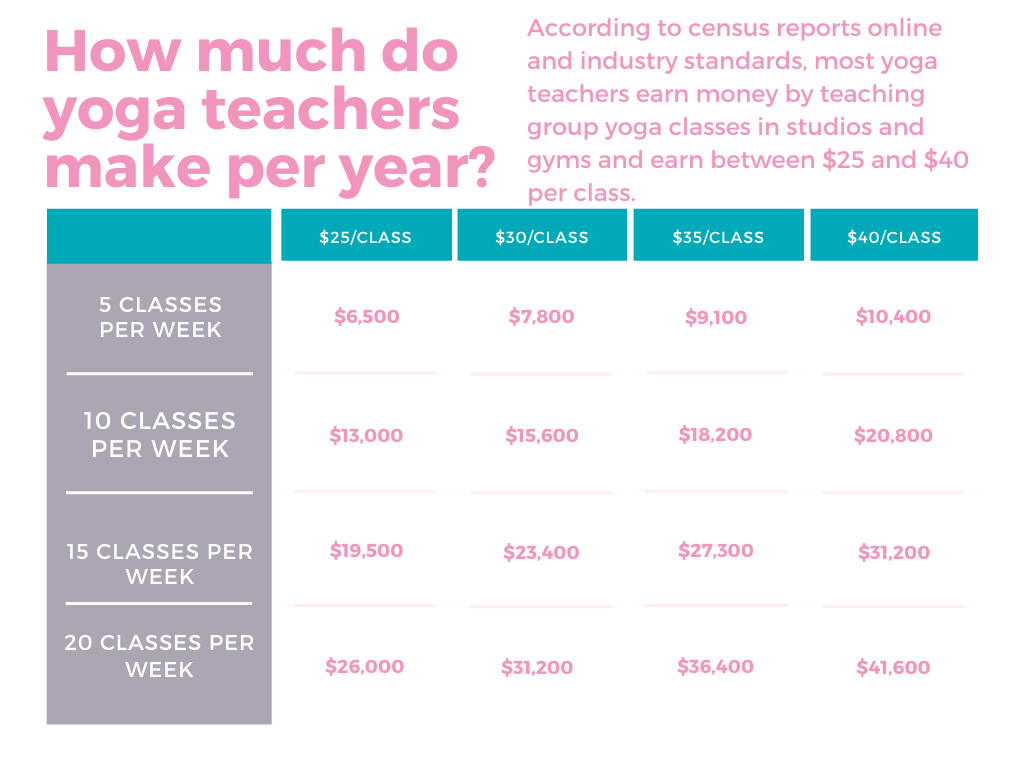
Image Source: www.brettlarkin.com
Deciphering Yoga Studio Earnings
Yoga studio earnings form the bedrock for many yoga teachers. Studios typically pay instructors on a per-class basis or offer a revenue-share model. The average yoga instructor hourly wage for a studio class can vary significantly based on location, the studio’s pricing structure, and the teacher’s experience and reputation.
Factors Influencing Studio Pay:
- Location: Major metropolitan areas with higher costs of living and a greater demand for yoga classes tend to offer higher pay rates. Conversely, smaller towns or rural areas may have lower rates.
- Studio Size and Clientele: Larger, well-established studios with a loyal following can often afford to pay their instructors more than newer, smaller studios. The type of clientele a studio attracts can also play a role; studios catering to a more affluent demographic might have higher class prices and, consequently, higher teacher pay.
- Class Size: While not always directly tied to pay, a consistently full class can be an indicator of a teacher’s popularity and can lead to more consistent work and potentially better-paying opportunities in the long run.
- Teacher Experience and Specialization: Highly experienced teachers, or those with specialized skills (e.g., prenatal yoga, yoga therapy, advanced inversions), can often command higher rates.
Table 1: Typical Per-Class Rates at Yoga Studios
| Experience Level | Average Per-Class Rate (USD) | Notes |
|---|---|---|
| Beginner | $15 – $25 | Often requires at least a 200-hour certification. |
| Intermediate | $25 – $40 | Typically 1-3 years of teaching experience. |
| Experienced | $40 – $60+ | 3+ years of teaching, specialized certifications, strong reputation. |
Yoga teacher income per class is a crucial metric. A teacher might teach anywhere from 5 to 20 classes per week, depending on their availability and the studio’s needs. This means that a teacher consistently teaching 10 classes a week at $30 per class would earn $1200 per month before taxes.
The Power of Private Yoga Client Rates
Beyond studio work, private yoga client rates offer a significant opportunity to boost a yoga teacher’s income. This personalized approach allows teachers to cater to individual needs, leading to higher perceived value and, therefore, higher rates.
Factors Influencing Private Session Rates:
- Location: Similar to studio rates, the cost of living in your area will heavily influence what you can charge for private sessions.
- Teacher’s Expertise and Niche: A teacher specializing in therapeutic yoga, injury recovery, or elite athletic training can charge premium rates.
- Clientele: Working with corporate clients or individuals with disposable income will allow for higher pricing.
- Session Length and Frequency: Longer sessions or packages of sessions can sometimes be offered at a slightly discounted per-session rate, encouraging commitment.
- Travel: If you travel to a client’s home or office, you can factor in travel time and costs.
Table 2: Private Yoga Session Rate Ranges
| Session Type | Average Rate Per Hour (USD) | Notes |
|---|---|---|
| One-on-One Standard | $60 – $120 | General yoga instruction, personalized practice. |
| Specialized/Therapeutic | $80 – $150+ | Yoga for specific conditions, injuries, or advanced practices. |
| Small Group (2-4 people) | $80 – $150+ (total) | Often a good value for clients and profitable for the teacher. |
| Online Sessions | $50 – $100 | Reduced overhead for the teacher, convenient for clients. |
The freelance yoga teacher earnings can be highly variable but also highly rewarding. A teacher building a strong private client base might have 5-10 private clients per week, supplementing their studio income significantly. For instance, 5 private clients at $80 per session, once a week, adds another $400 per week, or $1600 per month.
Expanding Your Income Streams: Beyond the Studio
A successful yoga teaching career often involves diversification. Relying solely on studio classes can be limiting. Exploring other avenues can substantially increase your yoga teacher income per class and overall earnings.
Other Avenues for Yoga Teachers:
- Workshops and Special Events: These offer a chance to delve deeper into specific yoga topics (e.g., arm balances, meditation techniques, seasonal yoga) and can attract a wider audience. Workshop fees are typically higher than regular class rates.
- Yoga Retreats: Leading or co-leading yoga retreats is a lucrative, albeit more involved, way to earn. Yoga retreat teacher pay can be structured in various ways, from a fixed fee to a profit-sharing model. Retreats often cover accommodation, food, and multiple yoga sessions, making them an attractive offering.
- Online Courses and Content Creation: Platforms like YouTube, Patreon, or dedicated course websites allow teachers to reach a global audience. Creating online courses, selling pre-recorded classes, or offering membership-based content can provide passive income.
- Corporate Yoga: Many companies are investing in employee wellness programs, creating demand for corporate yoga instructor rates. These sessions can be held at the company’s premises or virtually and often command higher fees due to the corporate setting.
- Yoga Teacher Training (YTT): Once you have significant experience and advanced certifications, you can become a lead trainer for a Yoga Alliance-registered school. This is a high-level income stream requiring extensive knowledge and teaching ability.
- Merchandise and Products: Some teachers sell branded merchandise, essential oils, yoga mats, or other wellness products.
- Ayurveda, Massage Therapy, or Other Complementary Modalities: Integrating other wellness practices can broaden your client base and income.
Corporate Yoga Instructor Rates:
Corporate yoga instructor rates are often higher than studio rates, reflecting the professional environment and the value businesses place on employee well-being. Rates can range from $75 to $200+ per hour, or sometimes a package deal for a series of classes.
The Impact of Yoga Certification and Pay
Your yoga certification and pay are intrinsically linked. While passion is paramount, formal training validates your knowledge and skills, directly impacting your earning potential.
Levels of Certification and Their Influence:
- 200-Hour Yoga Teacher Training (YTT): This is the foundational certification recognized by most studios and governing bodies like Yoga Alliance. It’s the minimum requirement for most entry-level teaching positions.
- 300/500-Hour YTT: Advanced certifications indicate a deeper commitment to study and practice, allowing teachers to specialize and command higher rates. These hours build upon the initial 200-hour training.
- Specialty Certifications: Certifications in areas like Yin Yoga, Restorative Yoga, Yoga Therapy, Prenatal Yoga, or Kids Yoga can open up niche markets and justify higher fees. A certified yoga therapist, for instance, can charge significantly more than a general yoga teacher.
Table 3: How Certification Level Affects Potential Income
| Certification Level | Minimum Requirements | Potential Per-Class Rate (Studio) | Potential Private Session Rate (Hourly) |
|---|---|---|---|
| 200-Hour YTT | 200 hours of training | $15 – $30 | $60 – $90 |
| 300/500-Hour YTT | 300/500+ hours of training, additional experience | $25 – $50 | $70 – $120 |
| Specialized Certs | 200-Hour + specific program (e.g., 85-hr Prenatal) | $30 – $60+ | $80 – $150+ |
| Yoga Therapy Cert | 1000+ hours (including YTT and Yoga Therapy Training) | Varies (often private practice) | $100 – $200+ |
The yoga teaching career path often starts with a 200-hour certification. As you gain experience and pursue further training, your income potential grows.
Building a Sustainable Freelance Yoga Teacher Earnings
For freelance yoga teacher earnings, building a sustainable business requires more than just teaching. It involves marketing, client retention, and smart financial management.
Strategies for Freelancers:
- Develop a Strong Online Presence: Create a professional website, use social media effectively to showcase your teaching style and offerings, and consider an email list to communicate with clients.
- Network Actively: Connect with other yoga teachers, studio owners, and wellness professionals. Referrals can be a significant source of new clients.
- Offer Packages and Memberships: Encourage client loyalty and predictable income by offering discounted class packs or monthly membership options.
- Create Value-Added Services: Offer personalized practice plans, mindful eating guides, or other wellness resources to complement your yoga instruction.
- Manage Your Finances Wisely: Track your income and expenses, set aside money for taxes, and invest in continued education and professional development.
Factors Affecting Overall Yoga Teacher Income
Several overarching factors influence the total income a yoga teacher can expect. It’s rarely just about the average yoga instructor hourly wage; it’s about the sum of all your efforts.
Key Income Determinants:
- Hours Taught: The more classes and private sessions you teach, the higher your potential income.
- Rate Per Class/Session: As discussed, your experience, qualifications, and the type of service offered dictate your rates.
- Number of Clients: A robust client base, both for studio classes and private sessions, is crucial.
- Diversification of Income Streams: Teachers who diversify their offerings (workshops, retreats, online content) tend to earn more.
- Geographic Location: The cost of living and the demand for yoga services in your area play a significant role.
- Marketing and Business Savvy: Effective marketing and business management are essential for attracting and retaining clients.
- Reputation and Brand Building: A strong reputation and a clear personal brand can command higher rates and attract more opportunities.
Table 4: Hypothetical Monthly Income Scenarios for Yoga Teachers
| Scenario | Studio Classes (10/week @ $30/class) | Private Clients (5/week @ $80/session) | Workshops (2/month @ $500 profit) | Total Monthly Income (Approx.) |
|---|---|---|---|---|
| Part-Time (Studio Focus) | $1200 | $0 | $0 | $1200 |
| Balanced (Studio + Private) | $1200 | $1600 | $0 | $2800 |
| Growing Freelancer | $1200 | $1600 | $1000 | $3800 |
| Established Professional | $1200 | $2400 (8 private clients) | $2000 (4 workshops) | $5600+ |
Note: These are simplified examples and do not include taxes, expenses, or income from retreats or online courses.
The Yoga Teaching Career Path: From Novice to Luminary
The yoga teaching career path is not linear. It’s a journey of continuous learning, adaptation, and growth.
Stages of Development:
- Foundation (0-2 years): Obtaining your 200-hour certification and teaching at local studios to gain experience. Income might be modest, often supplementing other jobs.
- Growth (2-5 years): Building a consistent teaching schedule, starting to attract private clients, and potentially leading a few workshops. You might be aiming to make yoga your primary income source.
- Specialization (5+ years): Pursuing advanced certifications, developing a niche, leading retreats, and potentially opening your own studio or online platform. Income can become substantial.
Frequently Asked Questions (FAQ)
Q1: How much do new yoga teachers make?
New yoga teachers, fresh out of their 200-hour training, typically earn between $15-$25 per class at studios. They may also offer private sessions at lower introductory rates, perhaps $50-$70 per hour.
Q2: Can I make a full-time living as a yoga teacher?
Yes, it’s possible, but it usually requires teaching a significant number of classes per week, building a robust private client base, and diversifying income through workshops, retreats, or online offerings. Many successful teachers combine studio work with private clients and other ventures.
Q3: What is the average yoga instructor hourly wage?
The average yoga instructor hourly wage, when calculated from per-class rates, often falls between $20-$40, but this can be higher for experienced teachers or in high-cost-of-living areas.
Q4: How much does a yoga studio owner make?
The income of a yoga studio owner varies immensely depending on the studio’s success, overhead, location, and business model. Some owners earn a modest living, while others build highly profitable businesses. Their income comes from class packages, memberships, retail sales, and rental income from other instructors.
Q5: Is yoga teaching a stable career?
Yoga teaching can be a stable career, but it often requires flexibility, adaptability, and entrepreneurial spirit. Income can fluctuate based on seasonality, studio success, and your ability to attract and retain clients. Building multiple income streams contributes to greater stability.
Q6: How much does yoga certification cost?
A 200-hour Yoga Teacher Training (YTT) program typically costs between $2,000 and $4,000, though prices can range higher or lower depending on the school, location, and inclusions. Advanced certifications and specialized training will incur additional costs.
Q7: What are typical yoga retreat teacher pay structures?
Yoga retreat teacher pay can be structured as a flat fee, a percentage of the profits, or by covering all expenses in exchange for teaching. Those who organize and lead retreats often aim to cover their costs and make a profit, which can be substantial for well-attended and high-priced retreats.
Q8: How much do freelance yoga teachers earn per class?
Freelance yoga teacher earnings per class can vary. If they are teaching for a studio on a freelance basis, the rates are similar to the studio’s per-class pay. If they are organizing their own independent classes (e.g., in a park or community center), they set their own prices, which would need to cover venue rental, marketing, and their time.
In conclusion, the financial rewards of yoga teaching are as diverse as the practice itself. While the average yoga instructor hourly wage might seem modest initially, with dedication, strategic planning, and a commitment to continuous learning, a fulfilling and financially rewarding yoga teaching career path is well within reach. By mastering your craft, diversifying your offerings, and building a strong connection with your community, you can transform your passion into a sustainable profession.