
How much do yoga instructors make per class? Typically, a yoga instructor can earn anywhere from $15 to $50 per class, though this figure can vary significantly based on experience, location, and the type of establishment.
The life of a yoga instructor often conjures images of serenity, mindful movement, and a deeply fulfilling career. While the spiritual and personal rewards are undeniable, many aspiring and practicing instructors are curious about the financial realities. Let’s dive deep into the world of yoga instructor compensation, exploring how much yoga instructors make per class and the myriad factors that influence their income. We’ll uncover the secrets behind yoga studio income, freelance yoga teacher pay, and the average pay for yoga instructors.
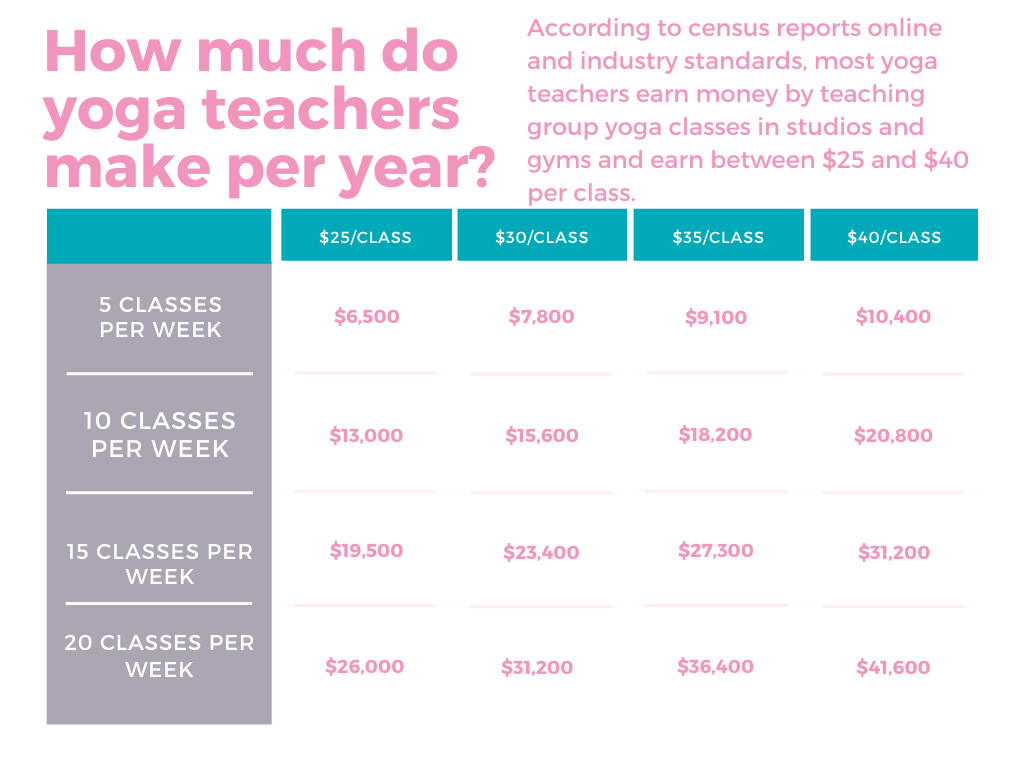
Image Source: www.brettlarkin.com
Fathoming Yoga Class Pricing and Instructor Compensation
The question of “how much do yoga instructors charge?” or “what are yoga class rates?” is multifaceted. It’s not a one-size-fits-all answer. Several elements contribute to the final figure that lands in an instructor’s bank account.
Factors Influencing Per-Class Earnings
Several key variables dictate how much a yoga instructor earns for a single class:
- Experience Level: A seasoned instructor with years of teaching experience and specialized certifications will generally command higher rates than a newly certified teacher. Expertise in specific styles of yoga (e.g., Ashtanga, Vinyasa, Bikram, Yin) or therapeutic yoga can also increase earning potential.
- Location: The cost of living and the general economic landscape of a city or region play a significant role. Yoga instructors in major metropolitan areas like New York City or Los Angeles are likely to earn more per class than those in smaller towns or rural areas.
- Type of Venue: Teaching at a high-end, boutique yoga studio will often yield different compensation than teaching at a community center, a gym, or a corporate wellness program.
- Class Size and Duration: While many instructors are paid per class regardless of size, some might have arrangements where larger classes offer a slightly higher payout, or if they are paid hourly, longer classes naturally mean more earnings.
- Employment Status: Are they an employee of a studio, or are they an independent contractor? This distinction greatly impacts their take-home pay due to taxes, benefits, and overhead.
- Studio Commission Structure: Some studios take a larger cut from the class fees, directly impacting the instructor’s earnings.
- Specialized Workshops and Events: Instructors who lead specialized workshops, retreats, or private sessions often charge premium rates.
Deciphering Yoga Studio Income Models
Yoga studios operate on various financial models, each affecting how they compensate their instructors. Understanding these models is crucial for any instructor looking to maximize their yoga instructor earnings.
Studio Employee vs. Independent Contractor
The distinction between being an employee and an independent contractor is fundamental to yoga instructor compensation.
- Employees: Studio employees typically receive a set wage or salary, which may include benefits like health insurance, paid time off, and retirement contributions. Their yoga teacher salary per hour might be fixed, and they generally don’t have to worry about self-employment taxes. However, their flexibility might be less, and their potential to earn significantly more might be capped.
- Independent Contractors (Freelancers): Most yoga instructors operate as independent contractors. They are paid per class or a percentage of the revenue generated by their classes. This offers greater flexibility and the ability to teach at multiple studios. However, it also means they are responsible for their own taxes (including self-employment tax), health insurance, and retirement planning. Their freelance yoga teacher pay can be more volatile.
Common Compensation Structures for Yoga Instructors
Let’s look at the typical ways studios compensate their teachers:
- Flat Fee Per Class: This is a straightforward payment for each class taught. For example, an instructor might receive $25-$50 for a 60-minute class. The yoga class rates here are fixed.
- Percentage of Class Revenue: Some studios offer a percentage of the income generated by the students in the class. This can range from 50% to 70% of the studio’s income from that class, with the studio keeping the rest.
- Hourly Wage: While less common for individual class instruction, some studios might offer an hourly yoga teacher hourly wage for longer sessions, workshops, or when instructors are expected to be present for administrative tasks or to cover other duties.
- Hybrid Models: Some studios might combine these structures. For instance, a new instructor might start with a flat fee, and as they build a following and class attendance, they transition to a revenue-sharing model.
Average Pay for Yoga Instructors: A Closer Look
Quantifying the average pay for yoga instructors requires looking at aggregated data, which, as we’ve seen, can be highly variable. However, we can establish some general ranges.
National Averages and Regional Differences
- Entry-Level Instructors: A new yoga teacher, often with less than 2 years of experience, might earn between $15-$30 per class.
- Experienced Instructors: With 3-7 years of experience and a solid reputation, earnings can rise to $30-$50 per class.
- Master Instructors/Specialists: Those with 7+ years of experience, advanced certifications, or expertise in niche areas could earn $50-$100+ per class, especially for specialized workshops.
It’s crucial to remember these are broad estimates. The yoga studio income a teacher can access is heavily influenced by the studio’s pricing and the instructor’s ability to attract and retain students.
What the Numbers Mean for Yoga Instructor Earnings
Let’s break down potential monthly earnings based on different teaching schedules:
| Teaching Schedule (Classes per Week) | Average Per-Class Rate | Weekly Income | Monthly Income (Approx.) |
|---|---|---|---|
| 2 Classes | $30 | $60 | $240 |
| 5 Classes | $30 | $150 | $600 |
| 10 Classes | $30 | $300 | $1,200 |
| 15 Classes | $30 | $450 | $1,800 |
| 20 Classes | $30 | $600 | $2,400 |
These figures represent gross income before taxes and expenses. A teacher averaging $40 per class teaching 15 classes a week would earn $600 weekly, or roughly $2,400 per month before deductions. This illustrates why yoga instructor compensation is often a puzzle piece that requires many parts to complete.
How Much Do Yoga Instructors Charge? The Freelance Perspective
For freelance yoga teachers, setting their own rates is a critical business decision. They need to factor in not only their time and expertise but also the costs of running their business.
Pricing Your Own Yoga Classes
When setting yoga class pricing, freelance instructors consider:
- Market Research: What do other instructors in the area charge for similar classes?
- Value Proposition: What unique skills, experience, or atmosphere do they bring?
- Costs: Insurance, marketing, website, training, travel, props, and potential venue rental fees.
- Desired Income: What do they need to earn to live comfortably and sustain their business?
A freelance yoga teacher might charge anywhere from $50 to $150 or more for a private yoga session, depending on their expertise and the client’s needs. Group class rates can be set per student or as a flat fee for the class, especially if teaching at a corporate event or a private party.
Maximizing Freelance Yoga Teacher Pay
To boost freelance yoga teacher pay, instructors can:
- Build a Strong Personal Brand: Develop a unique teaching style and market it effectively.
- Offer Private Sessions: These typically have higher yoga class rates than group classes.
- Lead Workshops and Retreats: These specialized offerings can significantly increase income.
- Teach at Corporate Events or Private Parties: These often pay well and can be lucrative.
- Develop Online Content: Create paid online courses or membership programs.
- Seek Out High-Paying Venues: Target upscale studios, luxury hotels, or corporate clients.
The Financial Realities Beyond the Per-Class Rate
It’s essential for aspiring yoga instructors to grasp that the yoga teacher hourly wage or per-class rate is just one part of the financial picture.
Hidden Costs and Considerations
- Taxes: Independent contractors must set aside a portion of their income for federal, state, and local taxes. This often includes self-employment tax (Social Security and Medicare).
- Insurance: Professional liability insurance is crucial for protecting instructors in case of accidents or injuries.
- Continuing Education: To maintain certifications and stay current, instructors invest in workshops, training, and further education.
- Marketing and Business Expenses: Website hosting, social media promotion, business cards, and other marketing materials are necessary.
- Travel Expenses: Commuting to different studios or client locations incurs costs.
- Unpaid Time: Time spent planning classes, communicating with students, managing bookings, and marketing is often unpaid.
Strategies for Increasing Overall Yoga Instructor Earnings
Beyond the per-class rate, several strategies can significantly boost a yoga instructor’s overall financial well-being:
- Diversify Income Streams: Don’t rely solely on teaching studio classes. Explore:
- Private Yoga Sessions: Cater to individual needs and charge a premium.
- Workshops and Specialty Classes: Offer focused sessions on topics like inversions, meditation, or restorative yoga.
- Yoga Retreats: Plan and lead immersive experiences, which can be highly profitable.
- Online Courses and Membership Sites: Reach a wider audience and generate passive income.
- Merchandise: Sell branded yoga mats, apparel, or wellness products.
- Corporate Wellness Programs: Partner with companies to offer yoga and mindfulness sessions to their employees.
- Negotiate Your Rates: As your experience and student base grow, don’t be afraid to discuss your rates with studio owners.
- Build a Strong Reputation and Following: A loyal student base translates to consistent class attendance, which is attractive to studios and allows for higher potential earnings in revenue-sharing models.
- Specialize in a Niche: Becoming an expert in a specific style or therapeutic application can command higher rates and attract dedicated students.
- Teach at Multiple Studios: Spread your offerings across several locations to maximize your teaching hours.
- Invest in Your Business Skills: Learn about marketing, finance, and client management to run your yoga instruction as a professional business.
Frequently Asked Questions (FAQ)
Q1: What is the average yoga teacher hourly wage?
A1: While many yoga instructors are paid per class rather than by the hour, the equivalent yoga teacher hourly wage can range from $20 to $60 or more, depending on the factors mentioned above. This is an estimation of the value of their time for a 60-minute class.
Q2: How much do yoga studios typically charge students per class?
A2: Yoga class pricing for students can vary widely, from $15-$35 for a single drop-in class at a standard studio, to $30-$50+ at high-end boutique studios or for specialty classes. Many studios also offer class packages or monthly memberships, which reduce the per-class cost for students.
Q3: Can yoga instructors make a full-time living solely from teaching classes?
A3: It is challenging but possible. To earn a full-time income, instructors typically need to teach a significant number of classes per week across multiple studios, supplement their income with private sessions, workshops, retreats, or online offerings, and manage their business effectively.
Q4: How does experience impact a yoga instructor’s pay?
A4: Experience is a major factor. A beginner instructor with a new certification will generally earn less than an instructor with several years of teaching experience, advanced certifications, and a strong reputation. This is reflected in both the yoga class rates they can command and their yoga studio income potential.
Q5: What are the biggest expenses for a freelance yoga instructor?
A5: The biggest expenses typically include insurance, continuing education, marketing, travel, and taxes (especially self-employment tax).
Q6: How can new yoga instructors increase their earning potential?
A6: New instructors can increase their earning potential by gaining more experience, pursuing additional certifications, specializing in a sought-after style, building a strong personal brand and student following, and teaching at multiple venues.
Q7: What is the difference between being a yoga studio employee and a freelance yoga teacher?
A7: Employees typically receive a set wage, benefits, and have taxes withheld. Freelancers are independent contractors, paid per class or by percentage, responsible for their own taxes and benefits, but enjoy greater flexibility. This directly impacts freelance yoga teacher pay and overall yoga instructor compensation.
The journey of a yoga instructor is one of passion, dedication, and continuous learning. While the financial rewards may not always match the spiritual fulfillment, by comprehending the nuances of yoga class pricing, yoga studio income models, and effective business strategies, instructors can build sustainable and rewarding careers. Understanding the yoga teacher salary per hour, setting fair yoga class rates, and diversifying income streams are key to achieving financial success in this noble profession.