So, you want to know how to start a fitness blog? Absolutely! Starting a fitness blog can be a rewarding way to share your passion for health and wellness, build a community, and even create a new income stream.
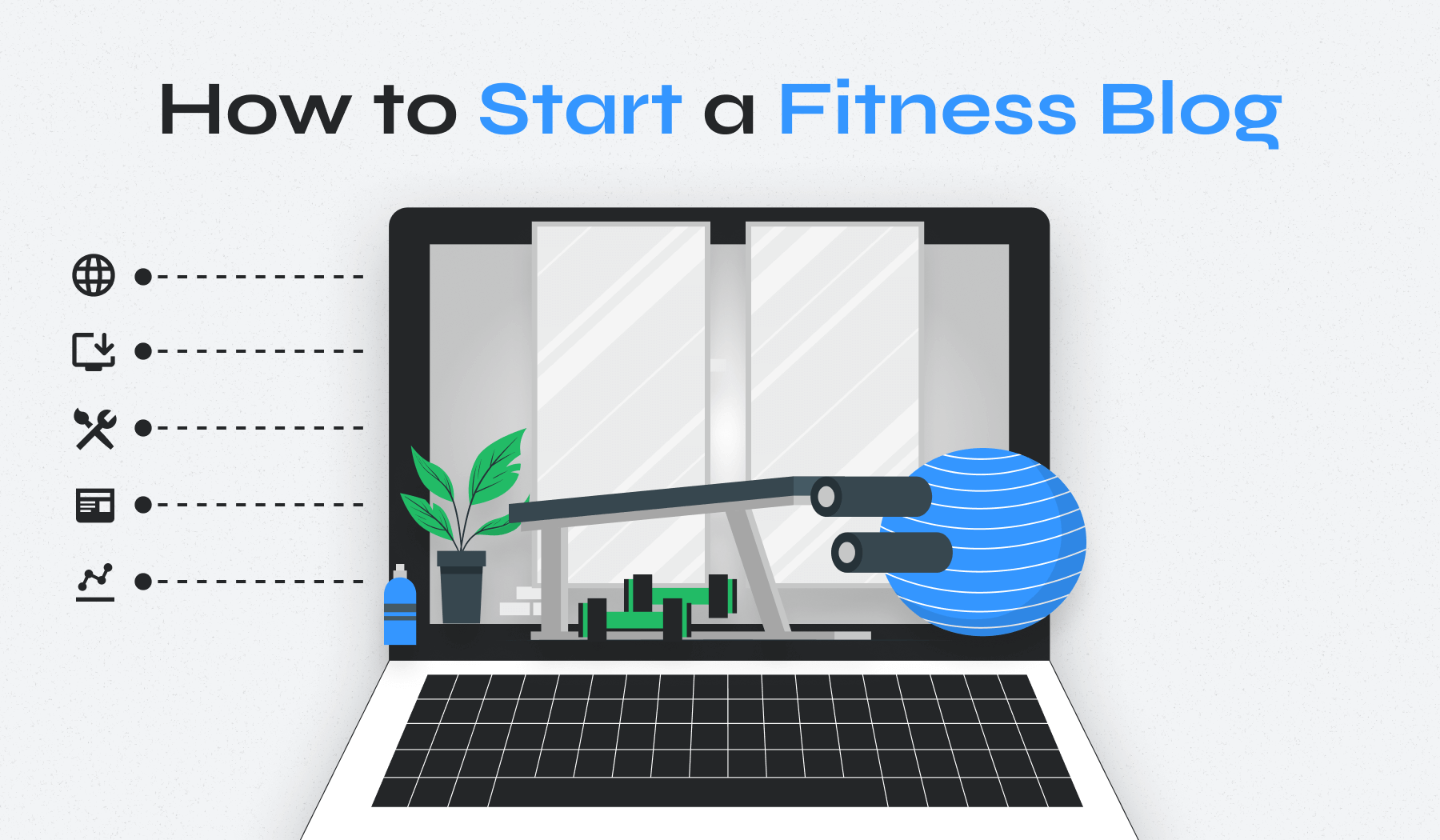
Image Source: www.wpzoom.com
Choosing Your Fitness Blog Niche
The world of fitness is vast. To stand out, pick a specific area to focus on. This is your fitness blog niche. A well-defined niche helps you attract a dedicated audience and become an expert in your chosen field.
Popular Fitness Blog Niche Ideas
Here are some popular and effective fitness blog niche ideas to get you thinking:
- Weight Loss for Busy Professionals: Focus on time-efficient workouts and meal prep for those with demanding careers.
- Vegan Fitness & Nutrition: Combine plant-based eating with strength training or endurance sports.
- Postpartum Fitness & Recovery: Guide new mothers through safe and effective fitness routines.
- Senior Fitness & Mobility: Offer exercises and advice tailored for older adults.
- Home Workouts for Small Spaces: Provide creative solutions for people with limited living areas.
- Marathon Training for Beginners: Break down the process of preparing for a marathon.
- Yoga for Stress Relief: Explore the mental and physical benefits of yoga for reducing stress.
- Strength Training for Women Over 40: Address the specific needs and goals of this demographic.
- Functional Fitness for Everyday Life: Focus on movements that improve daily activities.
- Budget-Friendly Healthy Eating: Share recipes and tips for nutritious meals without breaking the bank.
When choosing your niche, consider what you’re most passionate about, what knowledge you have, and what market demand exists.
Building Your Fitness Blog Website
Your website is your online home. It needs to be welcoming, easy to navigate, and reflect your brand.
Best Fitness Blogging Platforms
Choosing the right platform is crucial for your blog’s success. Here are some of the best options:
- WordPress.org: This is the most popular and flexible choice. It offers thousands of themes and plugins to customize your site. You’ll need to pay for hosting and a domain name.
- Pros: Full control, vast customization options, scalable.
- Cons: Requires some technical know-how, ongoing costs.
- Squarespace: Known for its beautiful, modern designs and user-friendly interface. It’s an all-in-one solution with hosting included.
- Pros: Easy to use, stunning templates, good for beginners.
- Cons: Less customization than WordPress, can be pricier.
- Wix: Another drag-and-drop website builder that’s very beginner-friendly. It offers many templates and features.
- Pros: Very easy to build, lots of design elements.
- Cons: Can be less flexible for advanced features, not as scalable as WordPress.
- Blogger: A free platform owned by Google. It’s simple but offers fewer customization options.
- Pros: Free, easy to start.
- Cons: Limited design and functionality, less professional appearance.
For serious bloggers looking for growth and monetization, WordPress.org is generally the top recommendation.
Fitness Blog Website Design
Your website design should be clean, professional, and easy to use.
- Mobile Responsiveness: Ensure your site looks great and functions well on all devices (desktops, tablets, and smartphones).
- Clear Navigation: Make it easy for visitors to find what they’re looking for with a well-organized menu.
- Visually Appealing: Use high-quality images and videos related to fitness. Your branding (logo, colors) should be consistent.
- Readability: Choose fonts that are easy to read and use white space effectively.
Crafting Your Fitness Blog Content Strategy
A strong content strategy is the backbone of any successful blog. It’s about planning what you’ll write, when you’ll publish it, and how it will benefit your audience.
How to Write Fitness Blog Posts
Your blog posts should be informative, engaging, and actionable.
- Know Your Audience: Write for your target reader. What are their pain points? What questions do they have?
- Keyword Research: Use tools like Google Keyword Planner, Ahrefs, or SEMrush to find terms people are searching for related to your niche.
- Catchy Titles: Your title is the first impression. Make it compelling and clear about the post’s topic.
- Engaging Introduction: Hook your readers from the start. Share a relatable problem or an interesting statistic.
- Valuable Content: Provide helpful information, tips, guides, or personal experiences.
- Structure and Formatting:
- Use headings (H3, H4, H5) to break up text.
- Use bulleted or numbered lists for readability.
- Incorporate images, videos, or infographics.
- Keep paragraphs short.
- Call to Action (CTA): What do you want readers to do after reading? Subscribe to your newsletter? Share the post? Leave a comment?
- Proofread: Errors can hurt your credibility. Check for grammar and spelling mistakes.
Creating a Content Calendar
A content calendar helps you stay organized and consistent.
- Brainstorm Topics: List all the potential blog post ideas you have.
- Schedule Posts: Decide how often you’ll publish (e.g., once a week, twice a month).
- Assign Tasks: If you have a team, delegate writing, editing, and promotion.
- Track Performance: Note which posts perform best to inform future content.
Example Content Calendar Snippet:
| Date | Topic | Keywords | Format | CTA |
|---|---|---|---|---|
| Week 1 | 5 Quick HIIT Workouts for Busy Mornings | HIIT workouts, quick home exercises | Blog Post | Share your favorite quick workout |
| Week 2 | Meal Prep Monday: Healthy Lunches in 30 Minutes | healthy meal prep, quick lunch recipes | Blog Post + Video | Subscribe for more recipes |
| Week 3 | How to Build a Home Gym on a Budget | budget home gym, affordable fitness equipment | Guide | Ask a question about home gyms |
| Week 4 | Beginner’s Guide to Proper Squat Form | squat form, weightlifting technique, safe lifting | Tutorial | Watch our squat tutorial video |
Fitness Blog SEO Tips
Search Engine Optimization (SEO) helps people find your blog when they search on Google.
Key Fitness Blog SEO Tips
- Keyword Integration: Naturally weave your target keywords into your titles, headings, and content.
- On-Page Optimization:
- Meta Descriptions: Write compelling descriptions that appear in search results.
- Image Alt Text: Describe your images using relevant keywords.
- URL Structure: Keep URLs short and descriptive.
- Internal Linking: Link to other relevant posts on your blog to keep readers engaged and improve your site’s structure.
- External Linking: Link to reputable external sources to add credibility to your content.
- Site Speed: Optimize images and use a good hosting provider to ensure your site loads quickly.
- User Experience (UX): Google favors sites that provide a good experience for visitors. This includes easy navigation and mobile-friendliness.
Fitness Blog Promotion Strategies
Just writing great content isn’t enough; you need to get it in front of people.
Effective Promotion Strategies
- Social Media Marketing: Share your blog posts on platforms like Instagram, Facebook, Pinterest, and Twitter. Use relevant hashtags.
- Email Marketing: Build an email list and send out newsletters with your latest posts and exclusive content.
- Guest Blogging: Write posts for other fitness blogs to reach new audiences and build backlinks.
- Collaborate with Influencers: Partner with fitness influencers to promote your content.
- Engage in Online Communities: Participate in fitness forums and Facebook groups (where allowed) to share your expertise and link back to your blog.
- Paid Advertising: Consider running ads on social media or Google to drive traffic.
Fitness Blog Audience Engagement
Building a loyal audience requires interaction and value.
Ways to Foster Engagement
- Respond to Comments: Acknowledge and reply to comments on your blog posts and social media.
- Ask Questions: Encourage readers to share their thoughts and experiences in the comments.
- Run Polls and Quizzes: These are fun ways to interact with your audience.
- Host Q&A Sessions: Offer live Q&A sessions on social media or via webinars.
- Create a Community: Consider a private Facebook group or forum for your most engaged readers.
- User-Generated Content: Encourage readers to share their progress or recipes and feature them on your blog.
How to Monetize a Fitness Blog
Turning your passion into income is a key goal for many bloggers.
Common Monetization Methods
- Affiliate Marketing: Recommend fitness products (equipment, supplements, apparel) you use and trust. When someone buys through your unique link, you earn a commission.
- Popular Programs: Amazon Associates, ShareASale, ClickBank.
- Display Advertising: Place ads on your website through networks like Google AdSense or Mediavine.
- Selling Your Own Products:
- Ebooks: Create guides on specific fitness topics.
- Online Courses: Offer in-depth training programs.
- Fitness Plans: Sell personalized workout or nutrition plans.
- Merchandise: Design and sell branded t-shirts or water bottles.
- Sponsored Content: Brands pay you to write reviews or features about their products or services.
- Coaching Services: Offer one-on-one or group fitness and nutrition coaching.
Monetization Progression: Many bloggers start with affiliate marketing and display ads, then move on to creating their own products and services as their audience grows.
Fitness Blog Success Metrics
Tracking your progress helps you refine your strategy.
Key Metrics to Monitor
- Website Traffic: How many visitors are coming to your site? (Use Google Analytics).
- Page Views: Which posts are most popular?
- Bounce Rate: What percentage of visitors leave your site after viewing only one page? A high bounce rate might indicate your content isn’t engaging or relevant.
- Time on Site: How long do visitors stay on your blog?
- Engagement Metrics: Comments, social shares, email sign-ups.
- Conversion Rates: How many visitors take a desired action, like clicking an affiliate link or purchasing a product?
- Search Engine Rankings: Where do your posts rank for your target keywords?
By regularly reviewing these metrics, you can identify what’s working well and what needs improvement.
Frequently Asked Questions (FAQ)
Q1: How much does it cost to start a fitness blog?
A1: Costs can vary. A basic setup with WordPress.org, hosting, and a domain name can start around $100-$200 per year. As you grow, you might invest more in premium themes, plugins, or marketing.
Q2: How long does it take to see results from a fitness blog?
A2: It varies greatly depending on your niche, content quality, SEO efforts, and promotion. It can take anywhere from 6 months to over a year to build a significant audience and start seeing consistent traffic and income. Patience and consistency are key.
Q3: Do I need to be a certified fitness professional to start a fitness blog?
A3: While certifications (like personal trainer or nutrition certifications) can lend credibility, they are not strictly required. However, it’s crucial to provide accurate, evidence-based information and to be transparent about your qualifications. If you’re not certified, focus on sharing your personal journey and well-researched tips, and always advise readers to consult healthcare professionals.
Q4: How can I make my fitness blog unique?
A4: Find your unique voice and perspective. Share your personal story, focus on a very specific niche, offer a fresh angle on common topics, or develop a signature style of content (e.g., humorous, scientific, inspirational).
Q5: What are the most important things to focus on when starting?
A5: Focus on creating high-quality, valuable content consistently, building a user-friendly website, and learning the basics of SEO and promotion. Engaging with your audience from the start is also vital.
Starting a fitness blog is a marathon, not a sprint. With dedication, consistent effort, and a passion for helping others, you can build a successful and impactful online presence. Good luck!